
The Ethics of Observation: Being a Traveler, Not a Tourist
The morning air is thick with the scent of damp earth and roasted barley. I am walking alone through a narrow, unmarked stone corridor in a quiet district of Kyoto. It is just past dawn, long before the storefronts pull up their wooden shutters. The only sound in the alley is the rhythmic, deliberate cadence of a bamboo broom sweeping wet stones. An elderly shopkeeper is clearing away invisible debris from his entryway. He does not look up as I pass. I slow my pace to match the quietness of the street. I watch the precise angle of the broom and the dark, wet trail it leaves behind. In this quiet, unhurried moment, a familiar question surfaces in my mind. What exactly do we take when we look at a place that does not belong to us?
The Difference Between Presence and Consumption
We occupy an era of unprecedented global movement. Travel is largely sold to us as a product, packaged in lists and optimized for visual consumption. Yet there is a profound distinction between moving through a space as a traveler and moving through it as a tourist. This difference is not a matter of moral superiority. It is a matter of pacing, intention, and what you believe the environment owes you.
The tourist arrives with a transaction in mind. They seek to consume an experience as proof of their arrival. They require the environment to perform for them. The traveler, however, approaches a destination with the understanding that the place exists completely independently of their gaze. They do not ask the city to be a backdrop. They ask only for permission to witness its daily rhythms.
We must acknowledge a quiet tension here. Global travel is an immense privilege, often built on historical imbalances of wealth and mobility.
Yet it can also become a sincere practice of learning if it is held with care. To practice attention without entitlement requires us to accept that we are temporary visitors in someone else's permanent reality.
The Ethics of the Gaze

Observation is never a neutral act. How we choose to look at a foreign culture dictates the depth of our understanding. Too often, we use the camera as a shield, attempting to capture a place rather than actually occupying it. We prioritize the documentation of a moment over the physical sensation of living it.
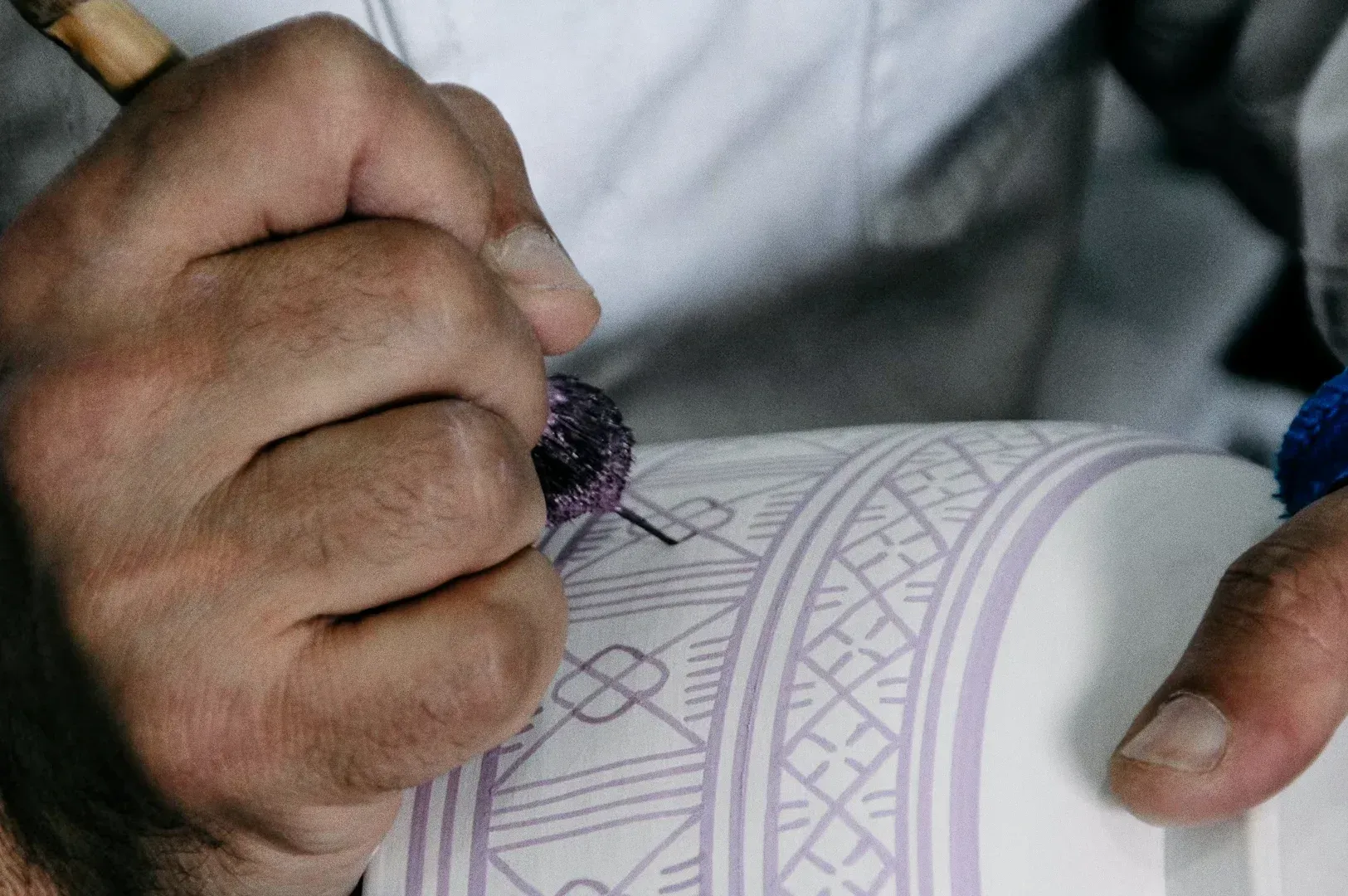
I recall walking through a residential neighborhood in Oaxaca several years ago. I passed an open window where a local artisan was painting intricate patterns on ceramic bowls. The afternoon light caught the dust in the air perfectly. It was a beautiful, editorial scene. My immediate instinct was to raise my camera. But as the artisan looked up, our eyes met for a fraction of a second. I lowered my hand. Taking the photograph would have reduced a human life to a souvenir. I chose to leave the moment undocumented.
Moments later, I experienced a necessary self-correction. I realized I was standing directly in the center of the narrow sidewalk, blocking the path of a woman carrying groceries. I had unconsciously assumed my right to take up space simply because I was observing. I quickly stepped aside, adjusting my posture and softening my presence. It was a sharp reminder of my own subtle entitlement. I was a guest, and I needed to physically act like one.
Respect as Competence
This discipline of restraint is not isolated to personal travel. It directly mirrors the operational philosophy required to build lasting institutions. In my work across education, hospitality, and property investment, I have learned that true competence always requires a foundation of profound respect for the environment.
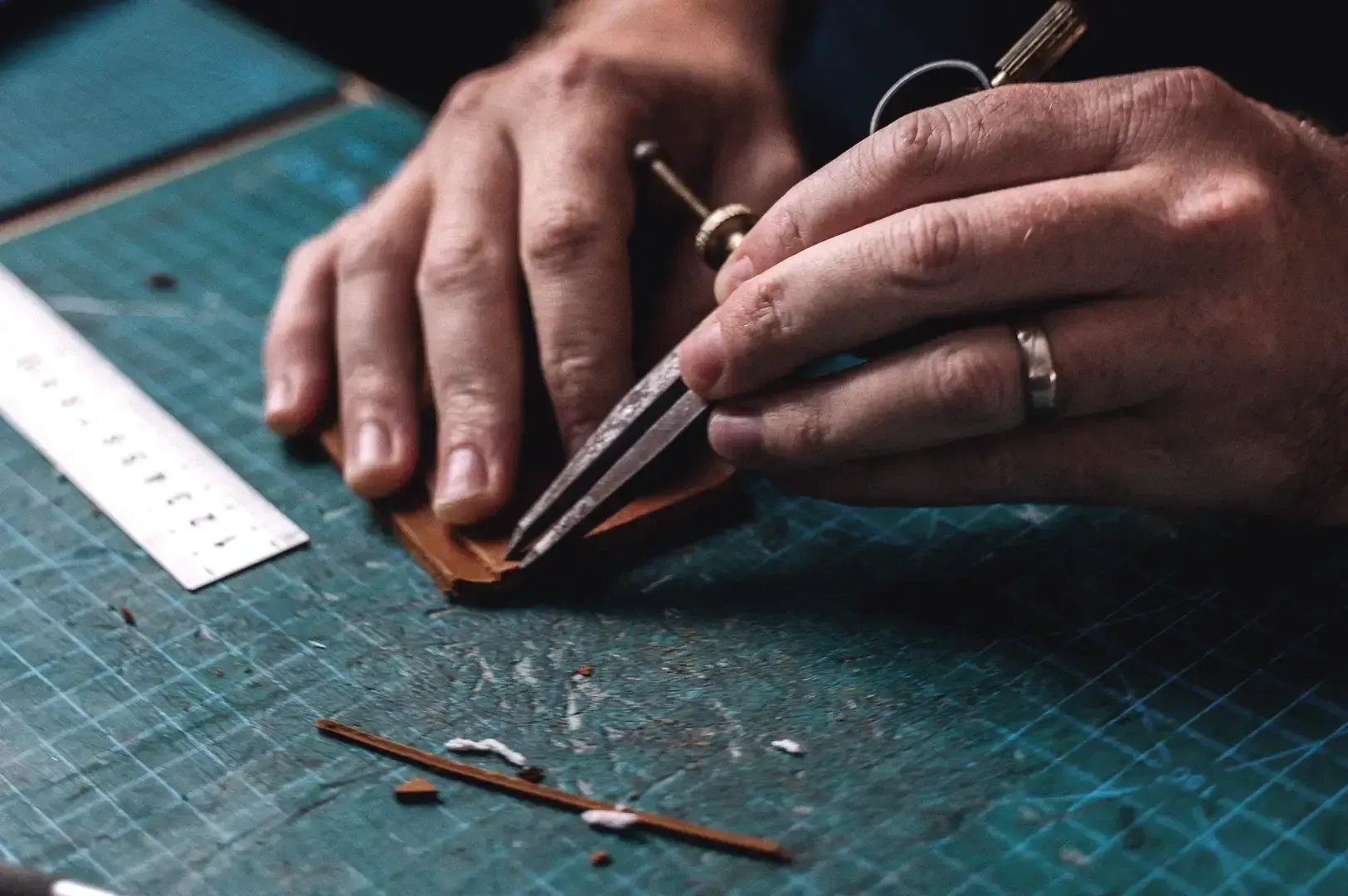
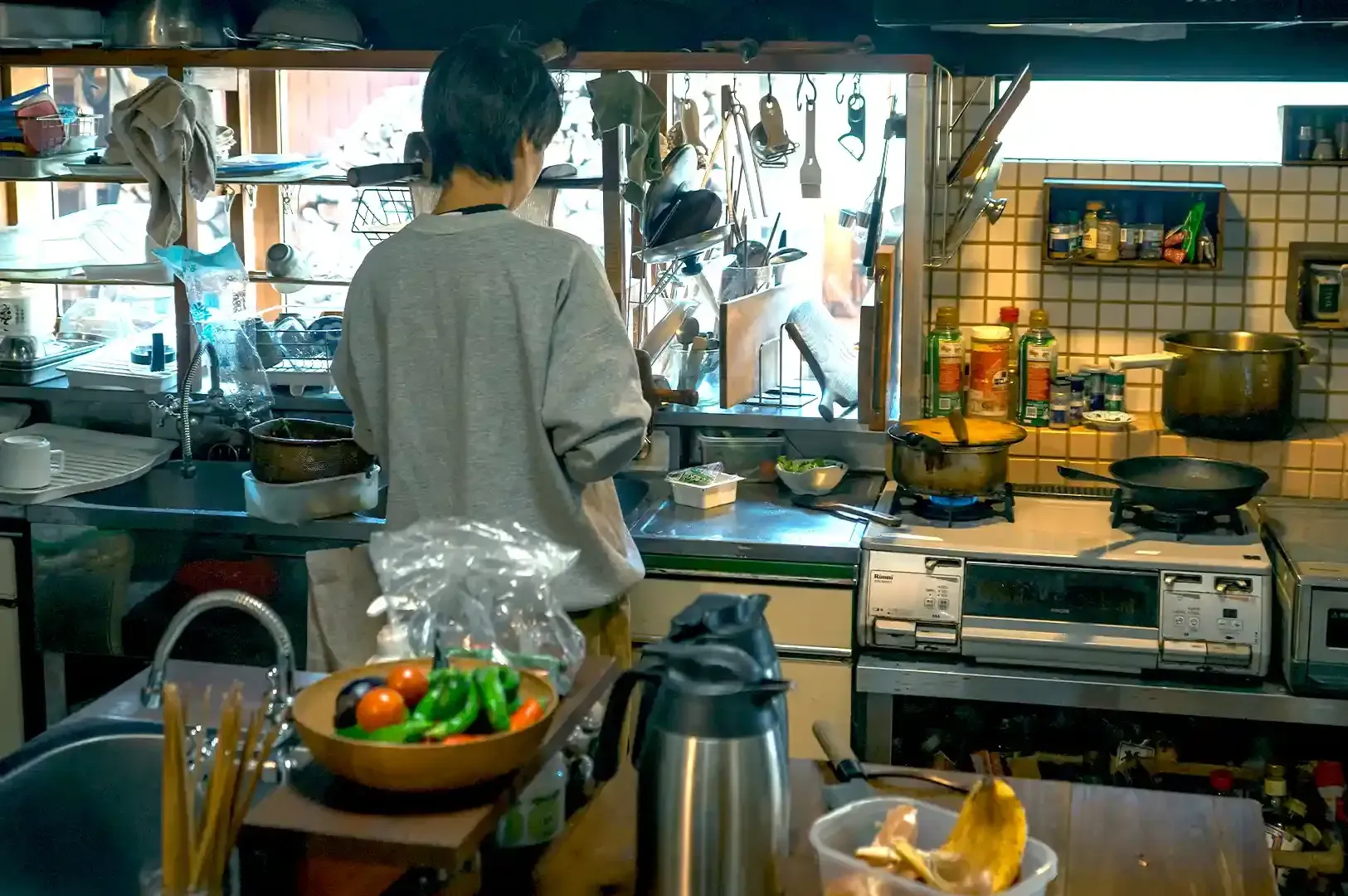
When we opened the omakase restaurant, the entire concept relied on the quiet observation of the guest. The chefs are trained to notice subtle shifts in body language, adjusting the pacing and portion sizes accordingly. This is a form of reading the room that demands total presence. The same principle applies to the tea room, where the ritual succeeds only if the host and the guest share a mutual, unspoken respect for the silence.
Similarly, when we acquired the alpine property, the initial impulse of our design team was to extract value by maximizing the square footage. But the local architecture demanded otherwise. We had to study the historical standards and the traditional craftsmanship of the region. We allowed the structural integrity of the old building to dictate our renovations. In the academy, we train our students to approach complex problems with this exact mindset. You cannot effectively change a system until you have thoroughly understood it. Good business, like good travel, relies on the distinction between genuine appreciation and selfish extraction.
Learning to Be a Guest

To be a traveler is to practice the art of being a guest. It requires the humility of not needing to be seen, served, or entertained at every moment. It is the willingness to let a place remain mysterious.
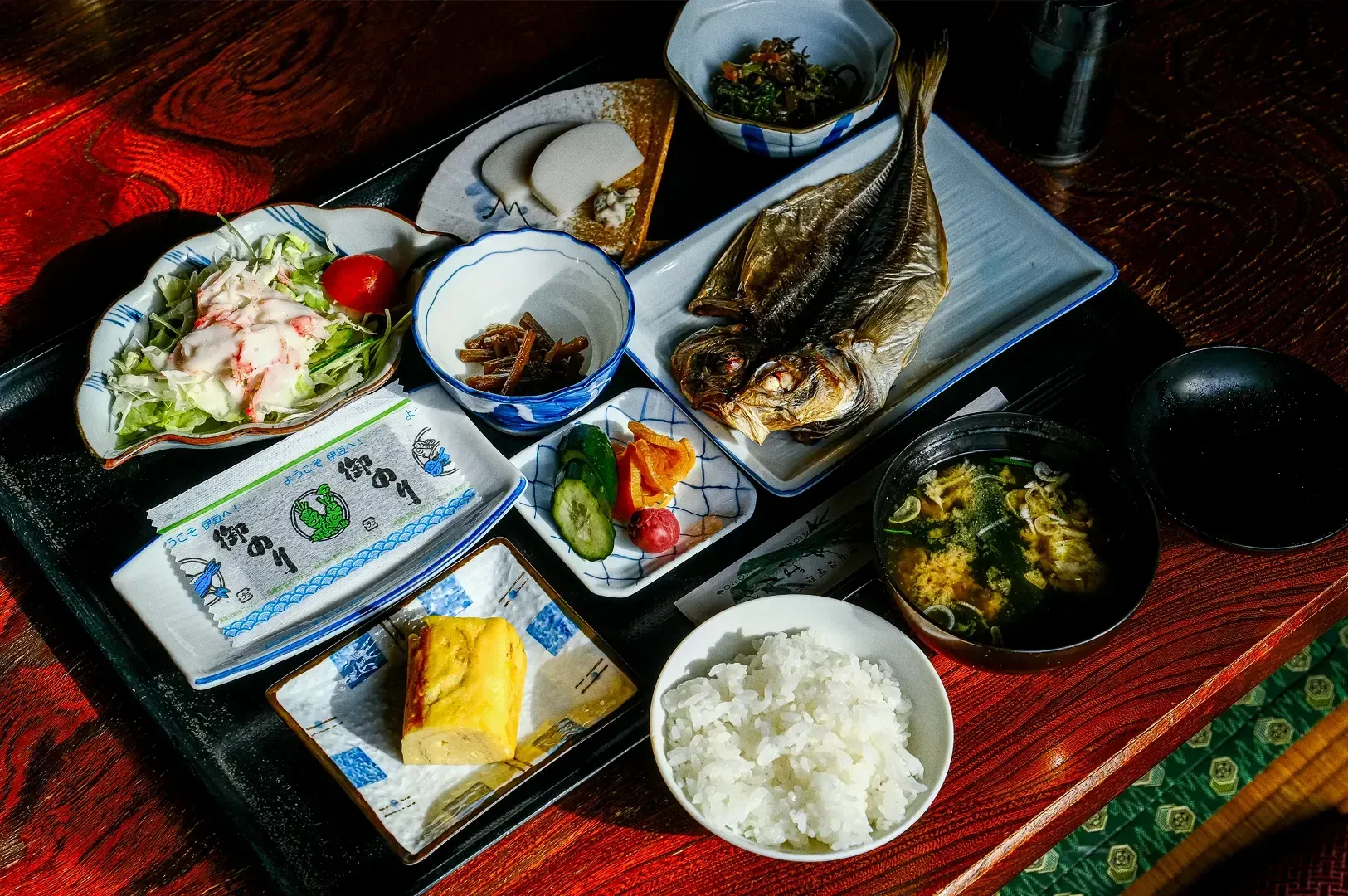
Consider the profound contrast in sensory demands between different geographies. A quiet breakfast in a traditional Japanese ryokan demands a soft, internal focus. You notice the precise temperature of the rice, the texture of the ceramic bowl, and the absolute stillness of the garden outside. The environment asks you to shrink your physical footprint.
Conversely, an afternoon ritual in a bustling Roman piazza requires a completely different quality of attention. You are immersed in a loud, chaotic theater of clinking espresso cups, animated conversations, and rapid movements. The environment asks you to expand and engage. A skilled traveler calibrates their presence to match the frequency of the room, rather than forcing the room to accommodate them.
I was reminded of this during a brief, ordinary interaction at a small bakery in Copenhagen. I was struggling to understand the local currency. The woman behind the counter did not speak English, and I did not speak Danish. I could have become frustrated or demanded an easier transaction. Instead, I simply held out my palm with the coins, smiled, and allowed her to take the correct amount. She nodded slightly, handed me a warm pastry, and turned to the next customer. It was a tiny exchange, completely devoid of sentimentality. Yet it changed how I moved through the rest of the day. It reinforced the beauty of trusting a stranger and yielding to the local rhythm.
The Discipline of Leaving Intact
The street in Kyoto has fully awakened now. The shopkeeper has finished his sweeping, leaving the stone path perfectly clean and damp. He retreats into the shadows of his store, and the quiet neighborhood begins its daily routine.
I turn and walk toward the main avenue, making sure to keep my footsteps light.
The ethics of observation eventually distill down to a single, quiet discipline. It is the commitment to leaving a place completely intact. We must strive to leave the architecture unmarked, the local dignity preserved, and the quiet atmosphere undisturbed. When we look at the world with restraint and reciprocity, we stop trying to collect it.
We finally allow it to shape us.