

Morning in the Studio: The Rituals of Creative Work
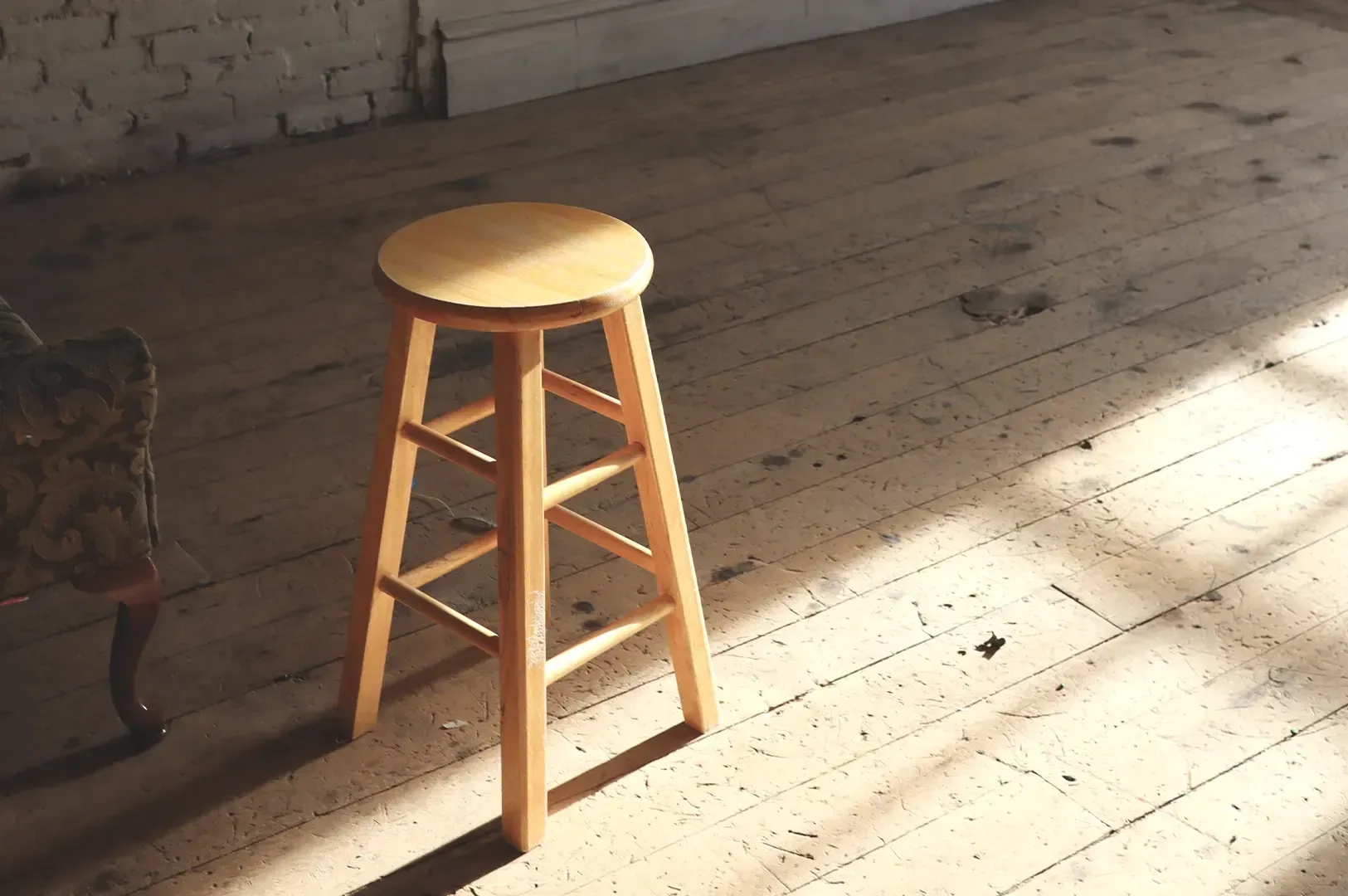
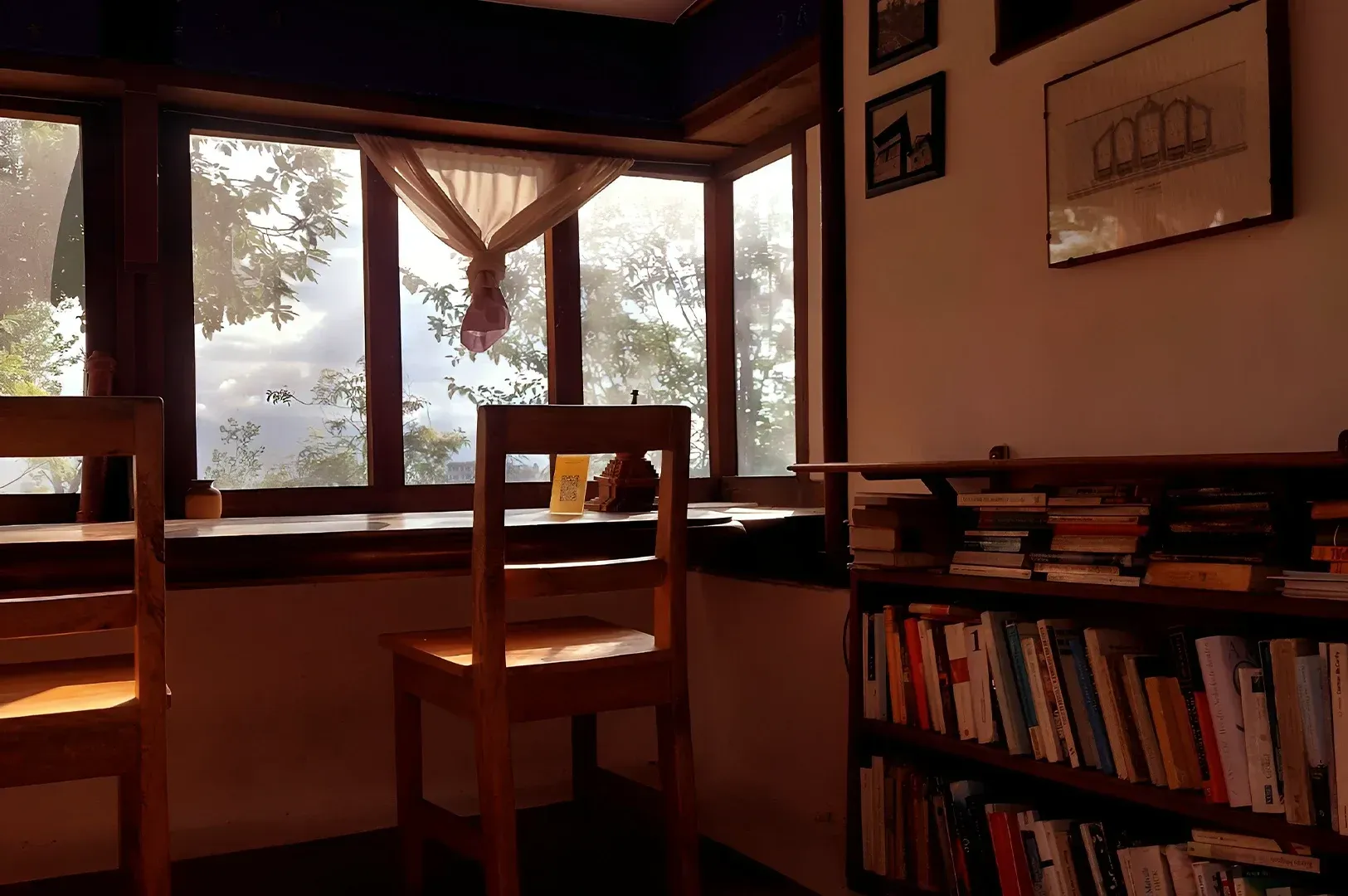
The light comes in low and gray at first, then warms as it crosses the desk. It finds the grain of the wood slowly, as if testing its way into the room, and settles on a sheet of paper that has been waiting since the night before. In the corner, the kettle begins its small complaint, a rising note I have come to trust more than any alarm.
I do not reach for my phone. Not yet. There is a particular silence in the studio before the messages begin, before the day becomes divisible into demands. It is not empty. It is full of everything I have not yet decided to do. I have learned to protect it the way you protect a candle in a draft, not with force, but with attention that asks for nothing in return.
In this space, nothing has arrived yet, and that absence feels like a form of clarity. It is not productivity. It is preparation for perception.
Stillness Before Input
The first rule of the morning is simple: nothing comes in before something goes out. No news, no screen, no slow accumulation of other people’s urgency. The world will still be there in an hour, unchanged in its density, and I will meet it better for having waited.
I sit with the cup while it is still hot enough to require patience. I look out the window without trying to resolve anything. The mind drifts where it wants to go, unprompted, before I ask it for direction. This is not delay. It is the first stage of work, the part that does not look like work until it is missing.
There is a difference between
being awake and being available. The morning is where I try to become the second.
The Three Movements of Work
Over time, I have come to understand the morning as three movements: preparation, threshold, and deep work. Each one does not lead to productivity so much as it clears the conditions for attention. Nothing important begins immediately. It is always preceded by arrangement.
These movements are not rules in the strict sense. They are rhythms I return to when I forget how easily the day can take over the room. They are a way of reminding myself that work is not only execution, but the shaping of the space in which execution becomes possible.
What follows is not efficiency. It is alignment.
Preparation: The Clearing of Space
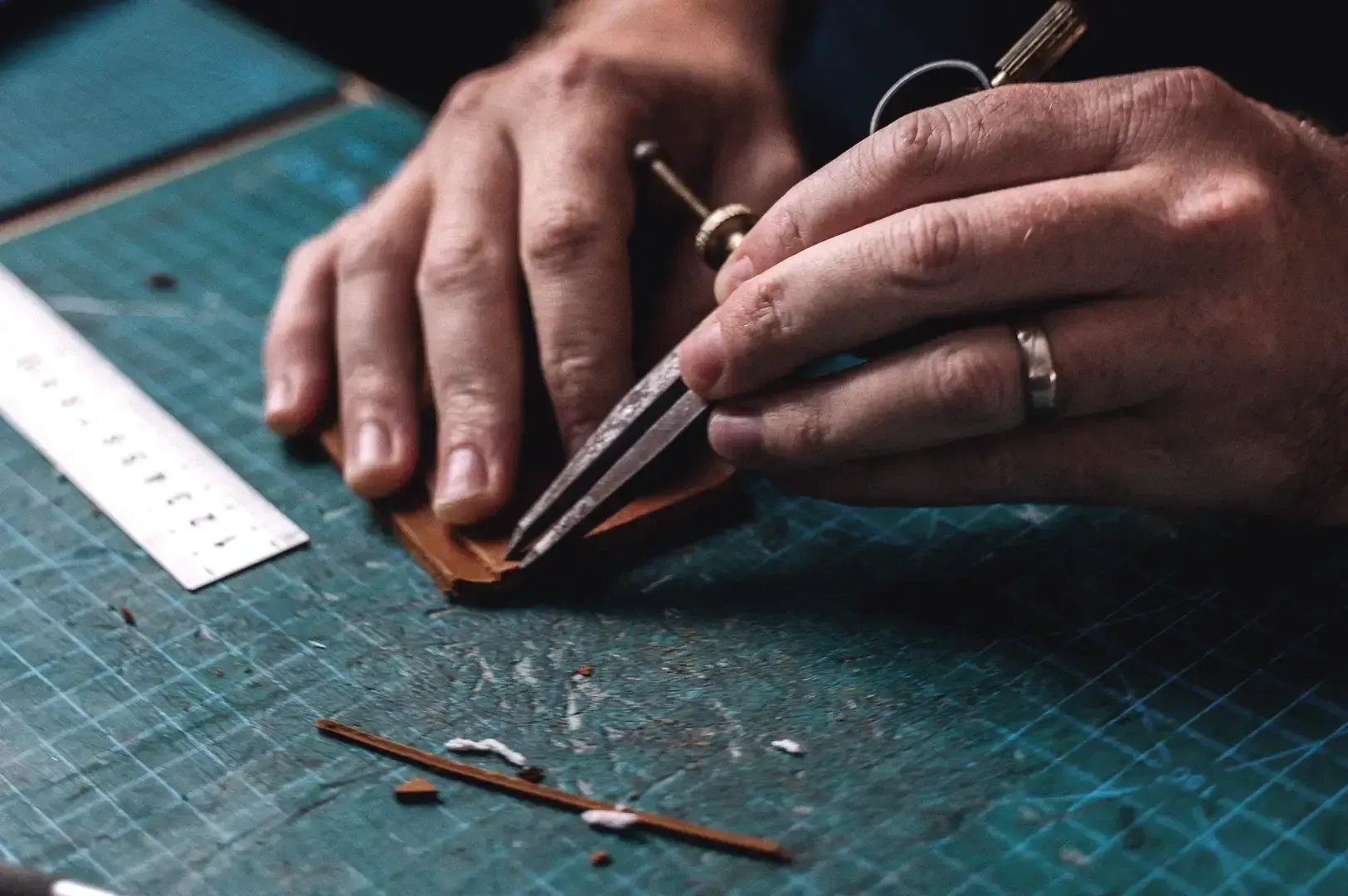
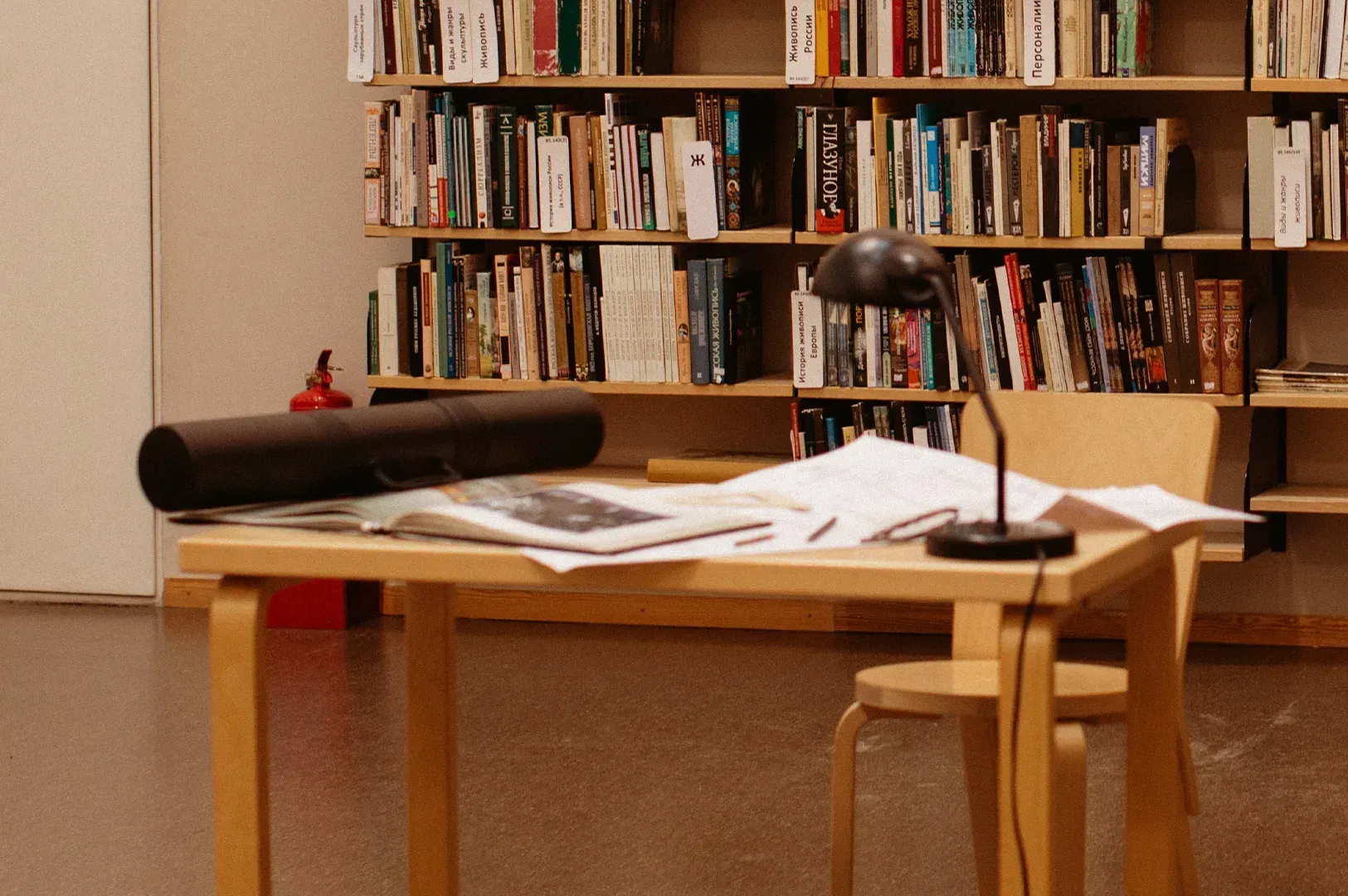
I begin by tidying the desk, not because it is disordered, but because clearing it alters something less visible. The surface becomes a boundary again rather than a dumping ground. I square the paper to the edge of the wood. I sharpen the pencil slowly, or fill the fountain pen and feel the slight resistance as ink meets nib.
The cup is placed to the right, always the same side, where my hand can find it without looking. A linen cloth near the lamp is refolded into the same shape it had yesterday, and the day before that. None of it is necessary. All of it is structural.
These gestures are not about aesthetics. They are about removing negotiation from the beginning of the day. When the environment is settled, attention does not have to spend itself on settling it.
Threshold: The Narrowing

Between preparation and work, there is a moment most people skip. I have learned to stay inside it. It is a kind of narrowing, a deliberate reduction of possibility until focus becomes unavoidable rather than chosen.
I select one constraint for the day: a single notebook, one question written at the top of the page, sometimes one track of music looping quietly until it stops being music and becomes atmosphere. The constraint is not restriction. It is filtration.
Without it, attention scatters into preference. With it, attention gathers into direction. The threshold is where I decide not what I will do, but what I will exclude so that something else can emerge more clearly.
Deep Work: The Quiet Continuation
Then comes the work itself, which I will not romanticize. It is often slow, occasionally resistant, and rarely dramatic. The pen moves, stops, returns. Sentences appear and disappear before settling into anything resembling clarity.
The tea goes cold beside me without acknowledgment. I only notice later, when I reach for it and find the temperature gone. That is usually how I know I have crossed into it: time has shifted without announcement. The window light has moved across the desk. The room feels slightly further away than when I began.
Nothing spectacular happens here. That is the point. The preparation was the architecture. The work is simply inhabiting what has already been arranged.
What the Counter Taught Me

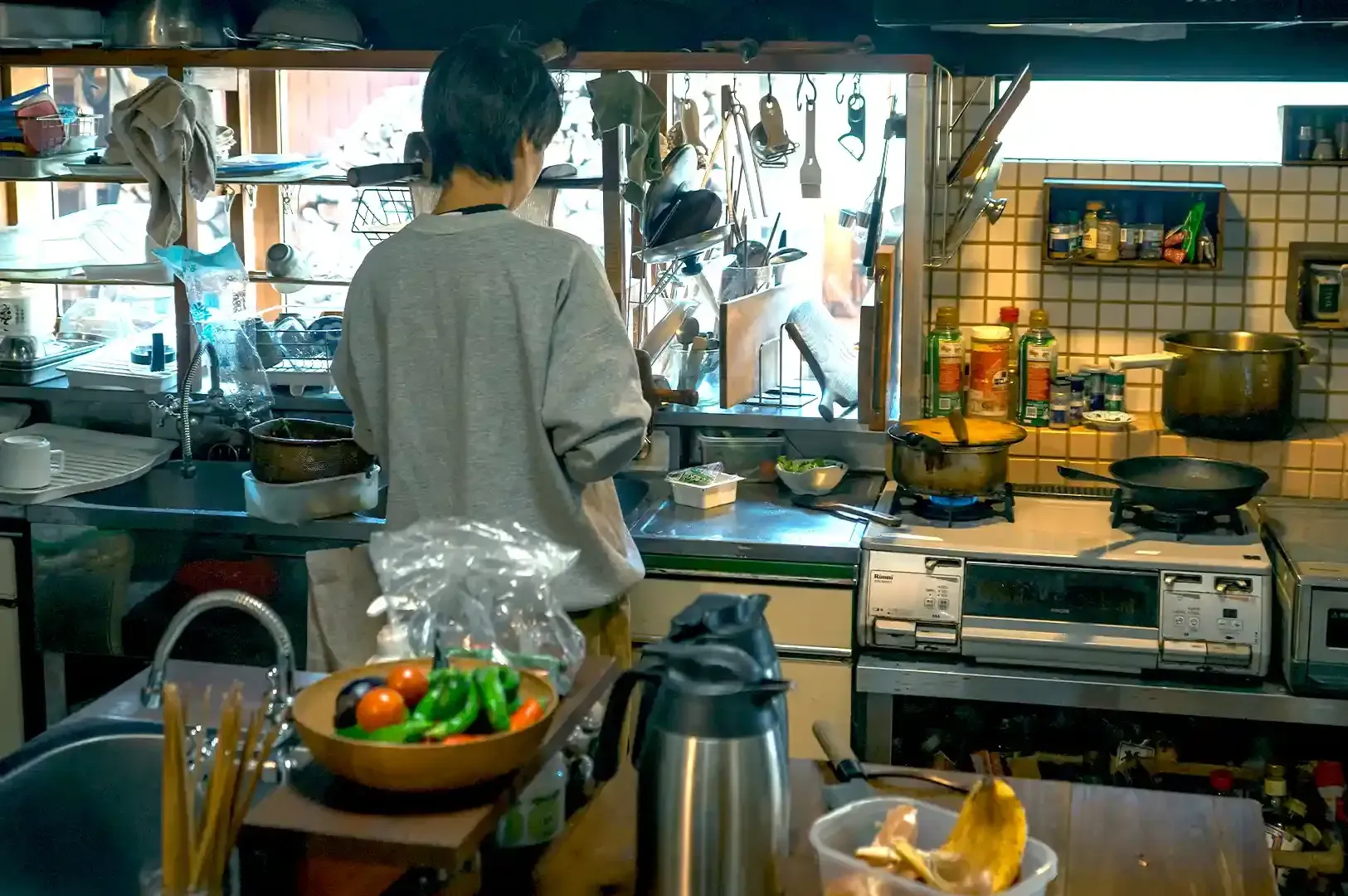
I learned this structure not from theory, but from watching a chef prepare a counter before service. He arrived hours before anyone would eat, wiping surfaces that were already clean, arranging knives in an order only he understood, checking rice temperature with the back of his hand.
Everything was done as if invisibility were the standard. When I asked him why he bothered with what no guest would see, he looked at me as if the question itself misunderstood the nature of the work.
The guest comes later, he said. The work comes first.
That sentence never changed for me. It clarified something I had not yet named: that excellence is not performed in front of people. It is constructed in their absence.
Ritual Is Not Routine
People often confuse ritual with routine, because from the outside they look identical. The same objects. The same gestures. The same hour repeated. But their internal logic is entirely different.
Routine is repetition without presence. Ritual is repetition with attention still inside it. One is efficiency. The other is alignment. One removes awareness so the task can be completed. The other deepens awareness so the task can be understood.
The folding of the cloth is routine if I am thinking about what comes next. It is ritual if I am fully present for the fold itself. The difference is invisible, but it determines the quality of everything that follows.
The Quiet Argument

I learned this structure not from theory, but from watching a chef prepare a counter before service. He arrived hours before anyone would eat, wiping surfaces that were already clean, arranging knives in an order only he understood, checking rice temperature with the back of his hand.
Everything was done as if invisibility were the standard. When I asked him why he bothered with what no guest would see, he looked at me as if the question itself misunderstood the nature of the work.
The guest comes later, he said. The work comes first.
That sentence never changed for me. It clarified something I had not yet named: that excellence is not performed in front of people. It is constructed in their absence.
Ritual Is Not Routine
People often confuse ritual with routine, because from the outside they look identical. The same objects. The same gestures. The same hour repeated. But their internal logic is entirely different.
Routine is repetition without presence. Ritual is repetition with attention still inside it. One is efficiency. The other is alignment. One removes awareness so the task can be completed. The other deepens awareness so the task can be understood.
The folding of the cloth is routine if I am thinking about what comes next. It is ritual if I am fully present for the fold itself. The difference is invisible, but it determines the quality of everything that follows.