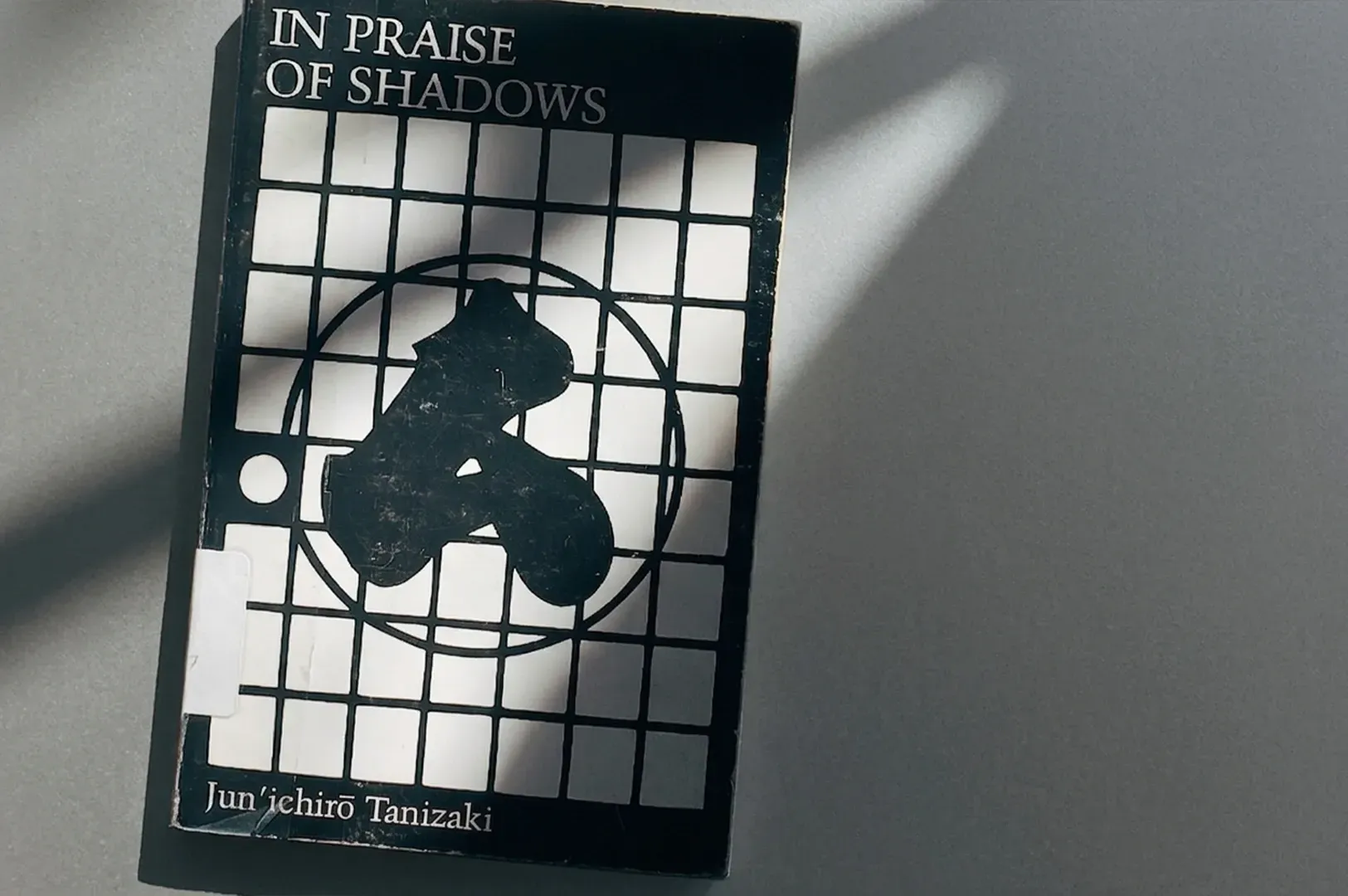
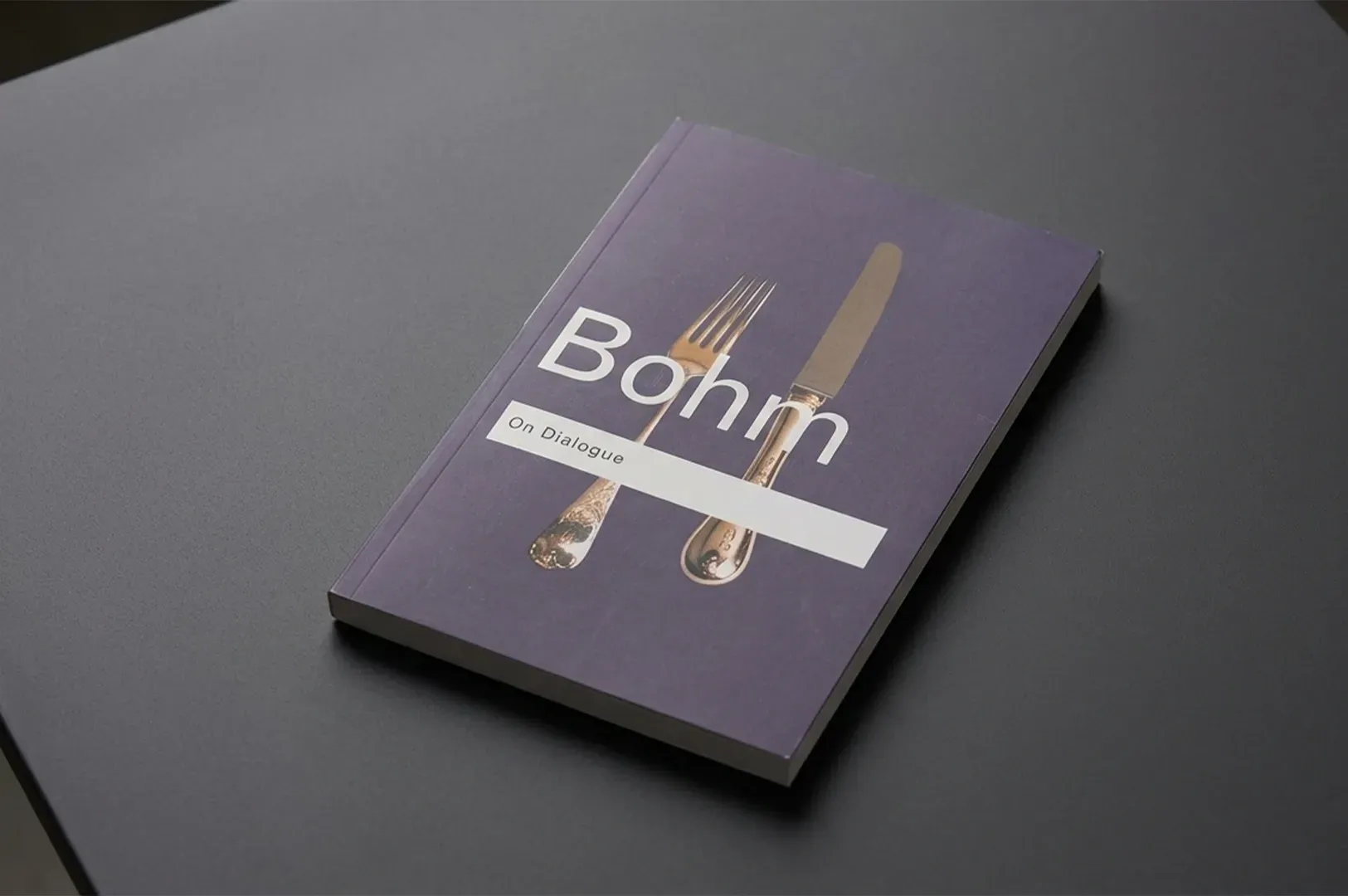

On Dialogue by David Bohm | My Quiet Empire Book Review
Bay San
I picked up On Dialogue by David Bohm after a meeting that went nowhere. Eight smart people in a room. Two hours. A decision that needed making. We left with the same positions we walked in with, just more tired. Everyone had been talking. No one had really been thinking together.
That gap is what the book is about.
Bohm draws a line I keep returning to. He notes that the word discussion shares a root with percussion and concussion, "which is basically to break things up." It is about analysis, taking sides, winning a point.
Dialogue is something else. "In a dialogue, nobody is trying to win," he writes. "Everybody wins if anybody wins." The aim is not persuasion. It is a kind of shared thinking, a stream of meaning flowing through the group rather than between rival camps. I read that and thought of every "discussion" I have led that was really a contest with a friendlier name.
The idea that stayed with me longest is suspension. Bohm describes holding an assumption out in front of you, neither defending it nor suppressing it. You look at it together, the way you might hold a stone up to the light. I have never done this well in a tense room.

Years ago, in a partnership negotiation, I was certain about a term that mattered to me. I defended it for an hour. What I never did was set it down on the table and ask why it mattered so much, or invite the other side to examine it with me. We reached an agreement. We did not reach understanding. The partnership stayed brittle for years afterward, and I think that hour was where the crack began.
Suspension would have changed nothing about my position and everything about the conversation.
Bohm's larger worry is fragmentation. We split into departments, roles, identities, certainties. We mistake the fragments for the whole. And once we have built our camp, defending it feels like defending ourselves. The cost is not only strategic. It is creative and emotional. A team that has fractured into positions stops generating new thought. It only recirculates old ones, louder. People grow quietly lonely inside their own correctness.
He is clear, too, that the fix is not goodwill. Dialogue needs a container, attention, patience, the willingness to sit in discomfort without rushing to resolve it. That is discipline, not warmth. Most of us have the intentions. Few of us have the patience.

Here is my honest hesitation. Bohm wrote for groups with time, and most of my rooms do not have it. His dialogue can run for hours with no fixed agenda and no goal. That is luxurious. When there is a deadline, a hierarchy, and a payroll to meet, pure dialogue feels like a practice you visit, not one you live in. He gestures at this but never quite wrestles it down. The reader is left to translate the ideal into something a Tuesday can hold.
This is a slim book for people who lead, build, or simply talk to others and sense something missing in how it goes. It will frustrate anyone wanting a framework with steps and bullet points. It rewards anyone willing to sit with a question. The thought I cannot shake: most of the time, I am not listening to understand. I am waiting, politely, to defend.
That recognition alone was worth the read.