The Inheritance of Standards: What We Leave Behind for the Next Generation
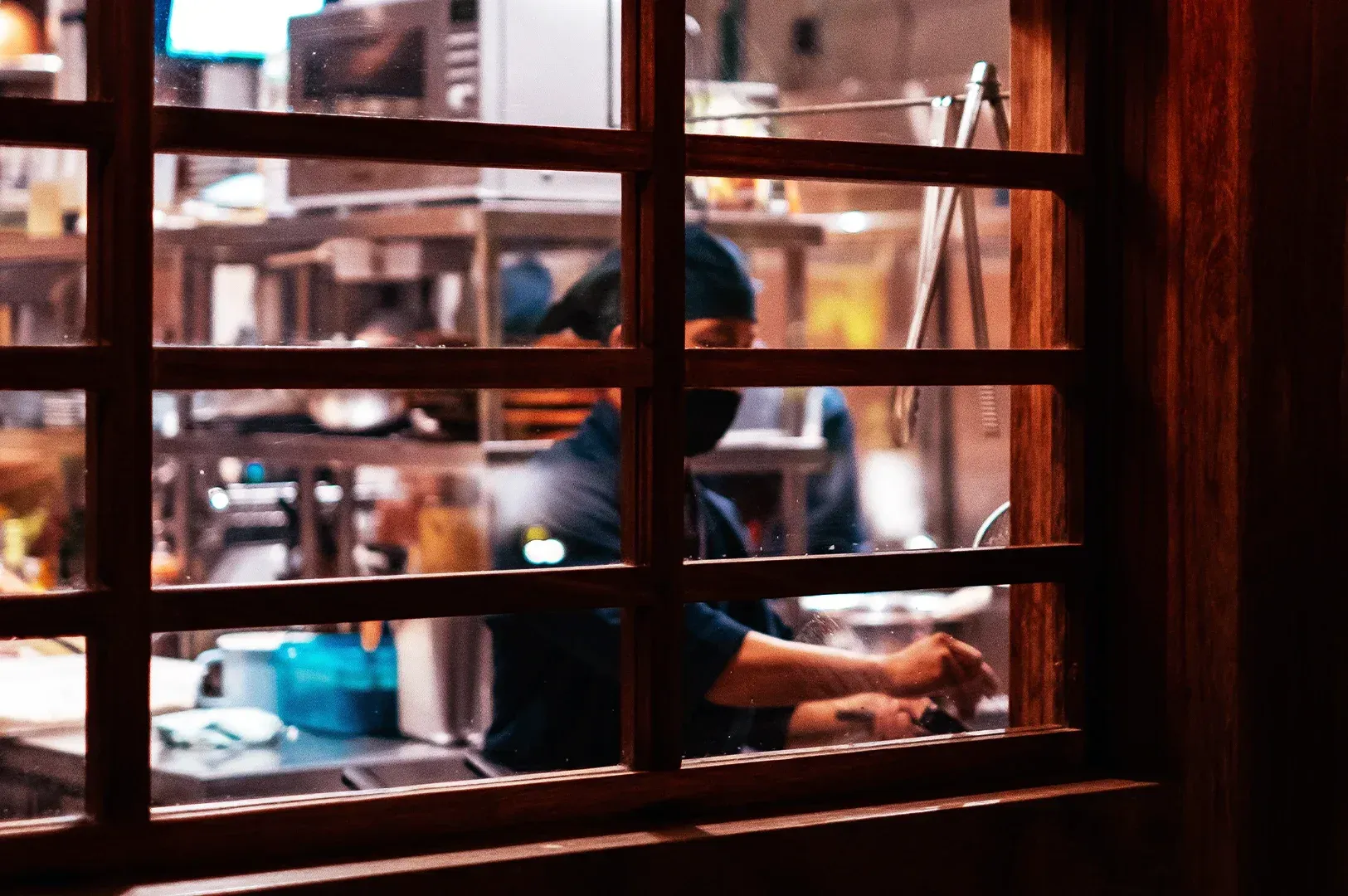
Before the first guest arrives at the omakase counter, the chef folds a cloth. He does it the same way each morning. Two halves, then a third, the edges squared against the corner of the cutting board. The fold is not for show. No diner will ever notice it. But the cloth must be ready before the rice is ready, and the rice must be ready before the door opens.
I watched this for years, first as the founder, then as a visitor in my own room. One morning I realized I had not taught him that fold. Someone before him had, and someone had taught that person. By then the gesture had outlived my instruction. It had become his. That is the question I keep returning to. What does a standard become when the founder is no longer in the room?
The Day It Stopped Being Mine
There was a moment at the consulting firm that stayed with me. A junior advisor sat across from a client who wanted us to soften a recommendation we knew to be true. The client was important. The fee was large. I was not in the meeting, which is the only reason the story matters.
She declined. Calmly, without drama. She said, more or less, that we did not work that way, and that the honest version was the one worth paying for. The client stayed. The work held. When I heard about it later, I felt something more complicated than pride. There was pride, yes. But beneath it ran a quiet discomfort, the small grief of releasing control. The standard had walked out of my hands and into hers. I was no longer its keeper. I had become, at best, its origin.
That is the strange ache of building anything that lasts.
You spend years insisting on a thing, and then one day someone insists on it without you. You are glad. You are also, briefly, unnecessary. Both feelings are correct.
Standards Are Not Preferences
It took me a long time to separate the two. A standard is a non-negotiable. Cleanliness. Timing. Craftsmanship. Respect for the person across the counter or the table. Clarity in what we promise and what we deliver. These do not bend for fashion or fatigue.
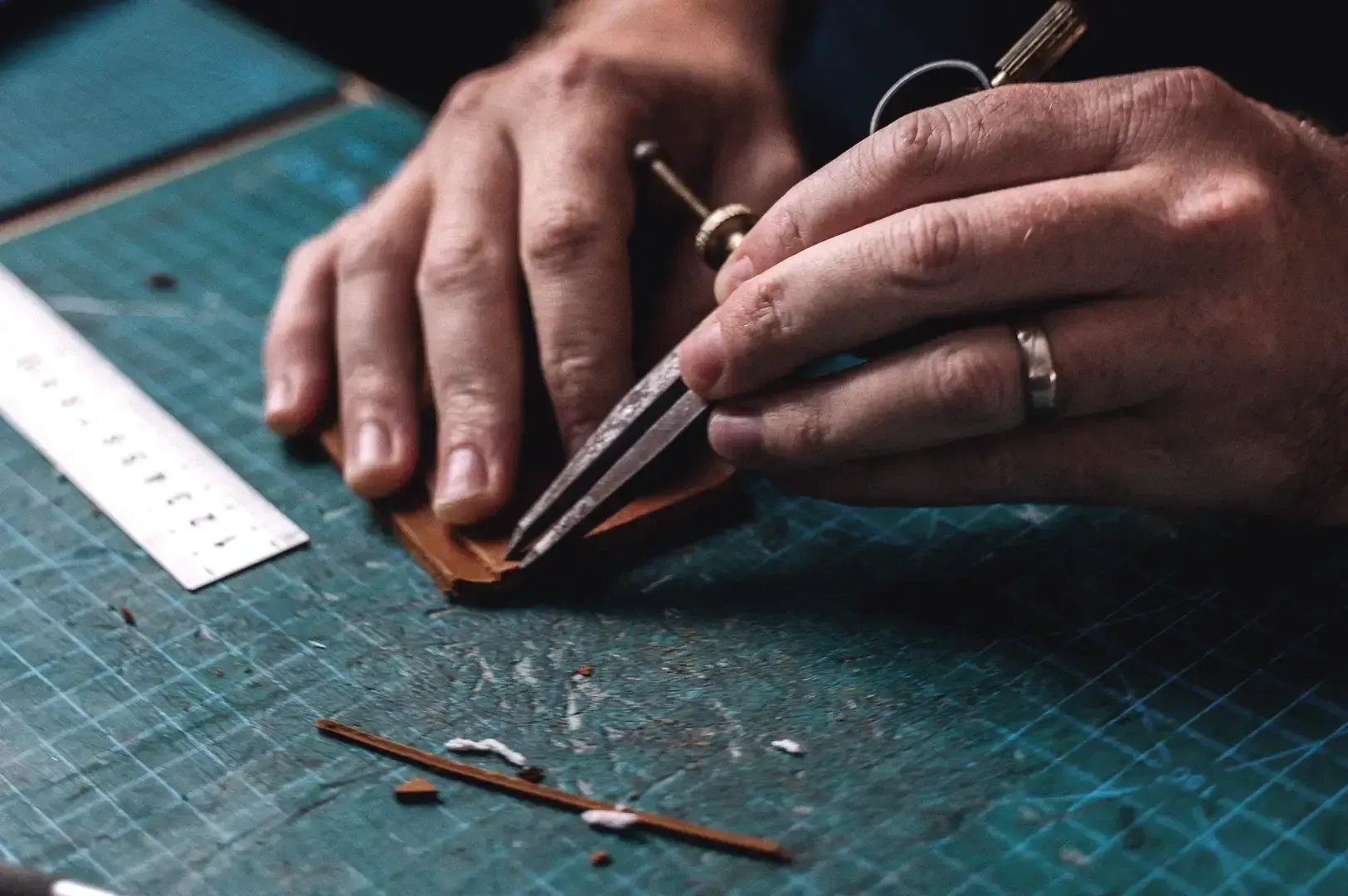
A preference is everything else. The menu. The décor. The format of a meeting. The tools we happen to favor this decade. The color of a wall, the typeface on a sign, the particular tea we serve in autumn. The mistake I made early was defending preferences as though they were standards. I confused my taste with the truth. I held on to formats long after they had stopped serving the work.
Here is what I learned. Standards scale. Preferences date. The things I held most tightly for stylistic reasons are exactly the things the next generation should be free to change. The things I almost forgot to name, because they felt obvious, are the ones worth protecting.
How a Standard Is Handed Down
As I said before in one of my articles, standards do not transmit through speeches. They transmit through repetition, apprenticeship, and a thousand small corrections offered calmly. At the academy, we built checklists that were never meant to humiliate. A checklist, done well, is not a cage. It is a kindness. It frees a person from the anxiety of remembering everything, so their attention can go where it belongs: to the student in front of them.
We trained people to give feedback the way you would sharpen a knife: precise, unhurried, never with anger. Specific enough to be useful. Quiet enough to be heard. In hospitality, the lesson is different in texture but identical in spirit. At the tea room, I never wrote a rule about silence before service. Yet the room learned it. The new staff watched the old staff pause, settle their breath, square the tray, and only then carry it out. Taste was taught without a single lecture on taste. It was caught, not declared.
That is the part you cannot rush. You can write a system in a week. You cannot grow a culture in less than years of patient, repeated, ordinary care.
Two Rooms, One Language

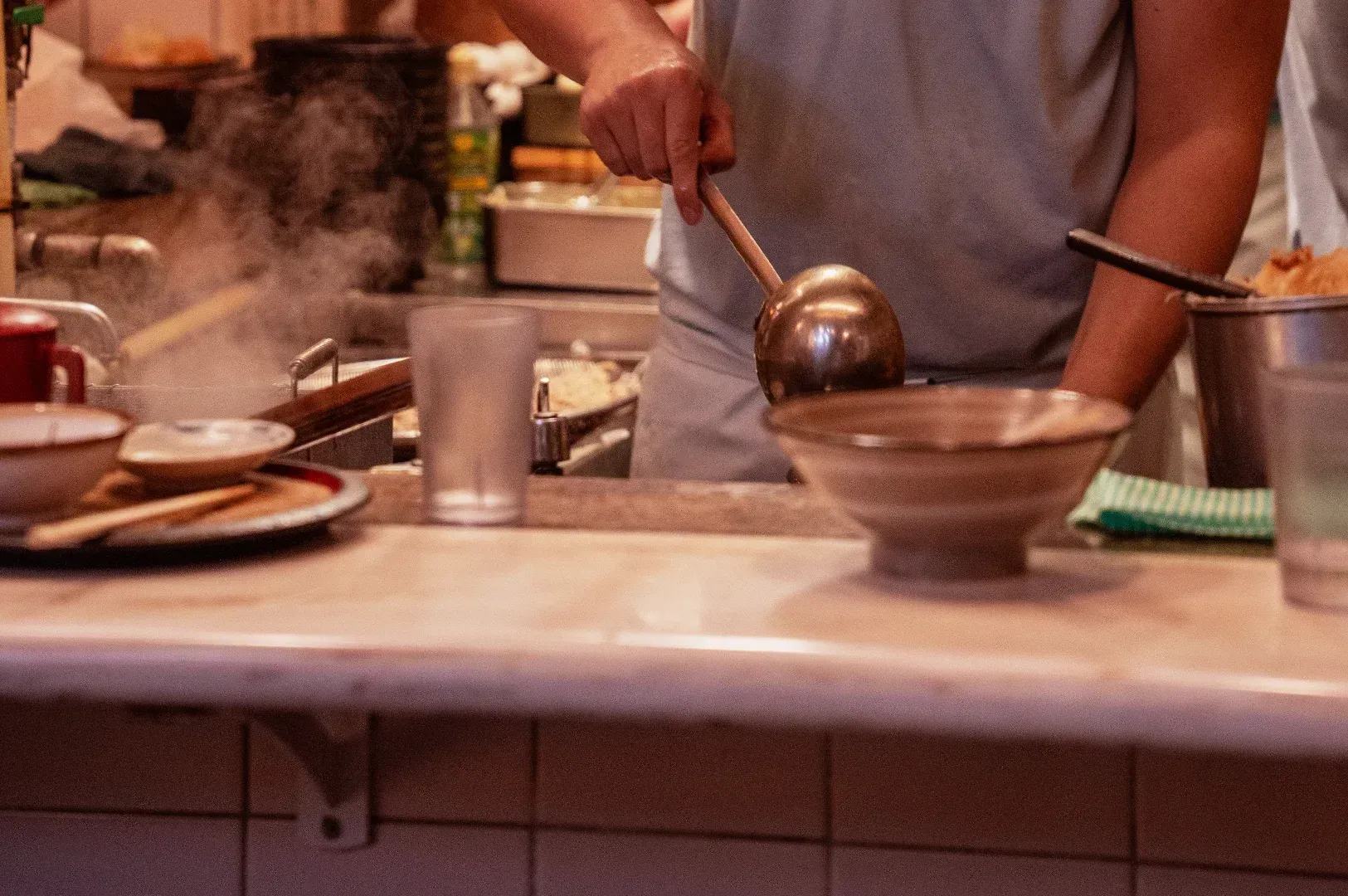
Late at night in Japan, after a simple bowl at a counter, the standard is speed without carelessness. The broth is hot. The bowl is clean. The cook moves quickly because the hour demands it, and still nothing is rushed in a way that cheapens the food. Attention here is sharp and immediate.
An afternoon tea ritual asks the opposite. The pace widens. The water is watched. The pour is measured to the half-second. Attention here is slow, almost meditative, and the smallest sound of porcelain carries weight. The two could not look more different. Yet the standard underneath them is the same. Respect the person being served. Honor the material. Leave nothing careless.
I have come to think of standards as a language that changes dialect but not meaning. The boardroom speaks one accent, the counter another. The grammar holds across both. Once you hear it, you cannot unhear it. You recognize the same care in a winter property inspection and in a summer opening night, in the angle of a knife and the wording of a difficult email.
Legacy Without Ego
The worst standards feel like control. The best ones feel like care. I have seen places run on fear, where excellence is enforced and the room goes cold. It works for a while. It does not last, because fear leaves the moment the founder does. What stays is what was given freely, what people chose to protect because they believed in it, not because they were watched.
A culture of excellence can be warm. It should be. Severity is not the price of high standards. Often it is the sign that the standards were never truly shared, only imposed. So I have tried, in the later years, to hold the essence loosely enough that the next generation can change the expression. Let them rewrite the menu. Let them choose new tools, new rooms, new ways of speaking to a changing world. I only ask that they keep the load-bearing things: the honesty, the timing, the folded cloth, or whatever the folded cloth becomes when I am gone.
The Staircase
In one of the older properties, there is a staircase worn smooth in the center of each step. No one planned that curve. It came from years of feet, the same path taken again and again until the stone itself remembered. You cannot fake it. You cannot install it new. It is the physical record of repetition, of care practiced so often it changed the shape of the thing it touched.
That, I think, is what standards become when the founder leaves the room. Not a slogan on a wall. Not a name above a door. A smoothness in the stone. A temperature in the air that newcomers feel before anyone explains it. The most enduring inheritance is not loud. It is a disciplined tenderness, handed down quietly, until no one quite remembers who began it, only that this is how things are done here.
For more on leadership, character, and building a workplace environment that thrives,
click here.