
Letters to Young Founders: What I Wish I'd Known at the Beginning
The tea room is empty now, and I have kept one lamp burning.
There is a notebook open in front of me, the page still blank, and the light falls across it in a way that makes the paper look warmer than it is. Somewhere outside, a car passes and is gone. The kettle has cooled. I have been meaning to write this letter for a long time, and only tonight, in the quiet, does it feel possible.
So I am writing it to you, whoever you are, at the beginning of something.
The First Lie You Will Believe
You will think speed is the same as progress. You will believe that if you move fast enough, announce loudly enough, and appear certain enough, the certainty will become real. I believed it too. In the early weeks of the consulting firm, I mistook motion for direction. I answered every call within the hour. I said yes before I understood the question.
None of it made the work better. It only made me tired and available, which are not the same as useful.
The truth is slower and less flattering. Nobody is watching as closely as you fear.
The market does not reward the loudest voice for long. It rewards the one that is still there in five years, doing the thing well, when the noise has moved on.
What Actually Builds Confidence
Confidence is not a feeling you summon. It is a residue left behind by repetition.
I learned this in the first months of the academy. I did not feel ready. I felt like someone improvising a life and calling it a business. What steadied me was not belief. It was the same set of small acts, done the same way, morning after morning, until my hands knew them before my mind did.
You do not think your way into confidence. You practice your way into it.
Set a standard you can actually hold, then hold it when no one is looking. Do it again the next day. The certainty you were chasing arrives quietly, through the side door, once you have stopped waiting for it at the front.
On Choosing the Right Pain
Every path costs something. The only real choice is which pain you are willing to carry.
There was a season when the omakase restaurant could have grown quickly. We had the demand. We could have added tables, sped the service, softened the standard just slightly to move more people through the room. The numbers made a persuasive case.
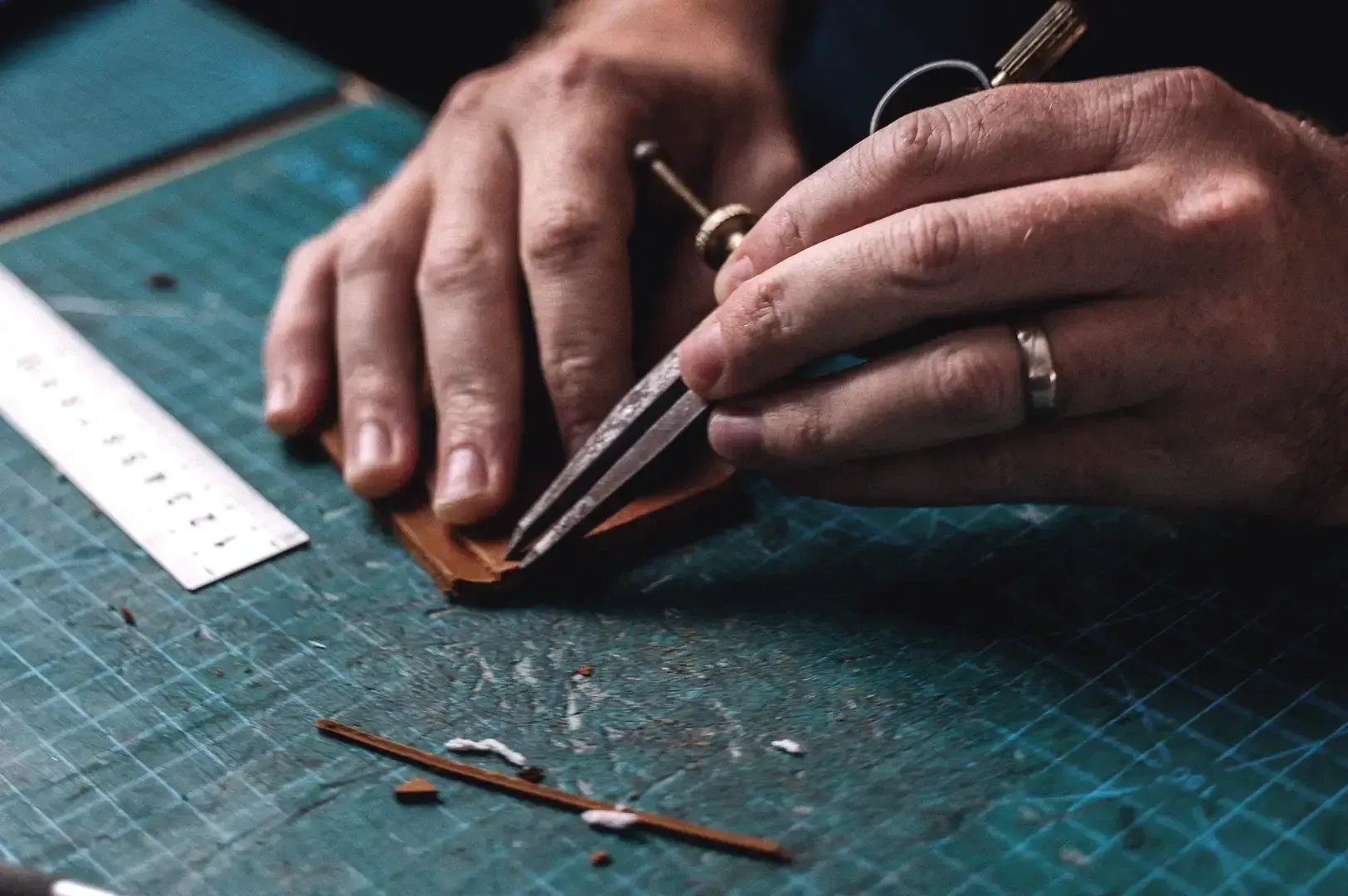
I chose the harder, quieter path. We kept the counter small. We turned people away. It cost us money we could have used, and it cost me the private worry that I was being precious rather than principled. But depth was the whole point. A crowded version of the thing would not have been the thing at all.
Cashflow against craft. Growth against depth. Attention against privacy. You will not escape these tensions. You will only decide, again and again, which discomfort you can live with. Choose the pain that protects the work.
People Are the Business, Even When You Pretend They Aren't
For a while I told myself the business was the systems, the standards, the product. It was easier than admitting it was people, because people are harder.
I remember a conversation in a narrow hallway at the academy, late, after everyone else had gone. A young instructor told me, plainly, that she was exhausted, and that our pace was quietly costing us the very care we claimed to protect. I could have defended the schedule. Instead I listened, and she was right.
Hire slowly. Protect the culture more fiercely than the calendar. Set boundaries early, because the ones you avoid drawing become the resentments you carry later.
And guard your attention as you would guard cash, because it is the scarcer asset. Every open loop, every half-answered message, every person you allow to reach you at any hour, draws down a reserve you cannot easily refill. Spend it on the few things that matter. Let the rest wait.
The Standards That Must Not Move

I chose three pieces of fruit and held them out to the citrus man, along with a coin, more than I owed, the way you do when you are unsure of a currency and too proud to count slowly. He did not take it. He shook his head once, small, and set two of the coins back on the counter. Then he wrapped the fruit, tugged the twine, and handed me the bag.
That was all. No lesson offered. No smile that asked to be remembered. But I understood the correction. He would take what the fruit was worth and not a coin more. The dignity was in the exactness. To overpay him was, in some quiet way, to misunderstand him.
I slowed after that. I stopped rushing through the aisles as though I were collecting them. The bag was warm in my hand.
For Each Bite
I carried the fruit through the rest of the morning and ate one piece standing at the edge of the market, watching the woman clear her glass again.
There is a kind of literacy you cannot study for. It is learned by standing still long enough to see how a person handles what they have made. The vendors were not teaching. They were only working, to a standard they set for themselves and kept whether or not anyone paid attention.
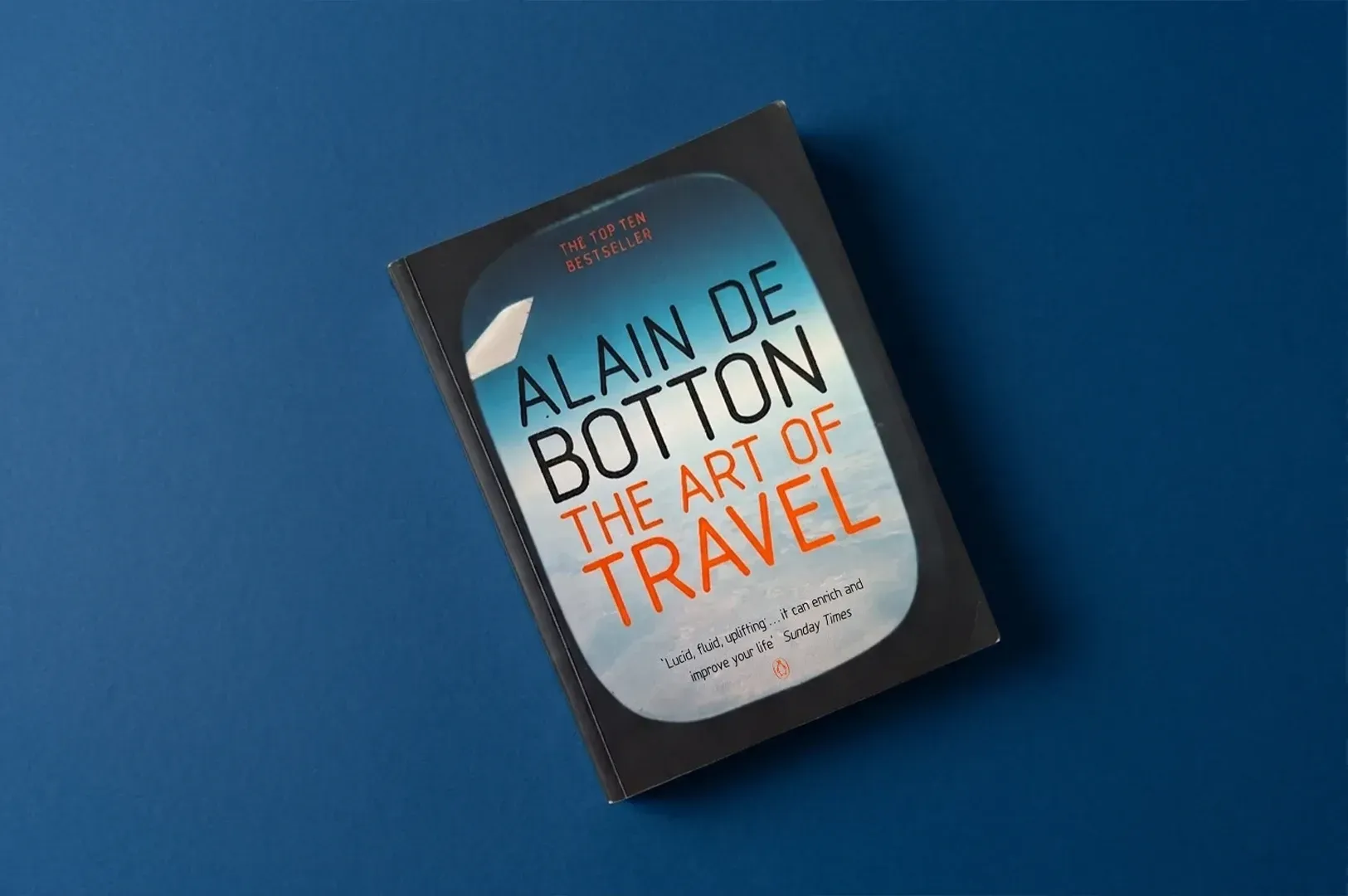
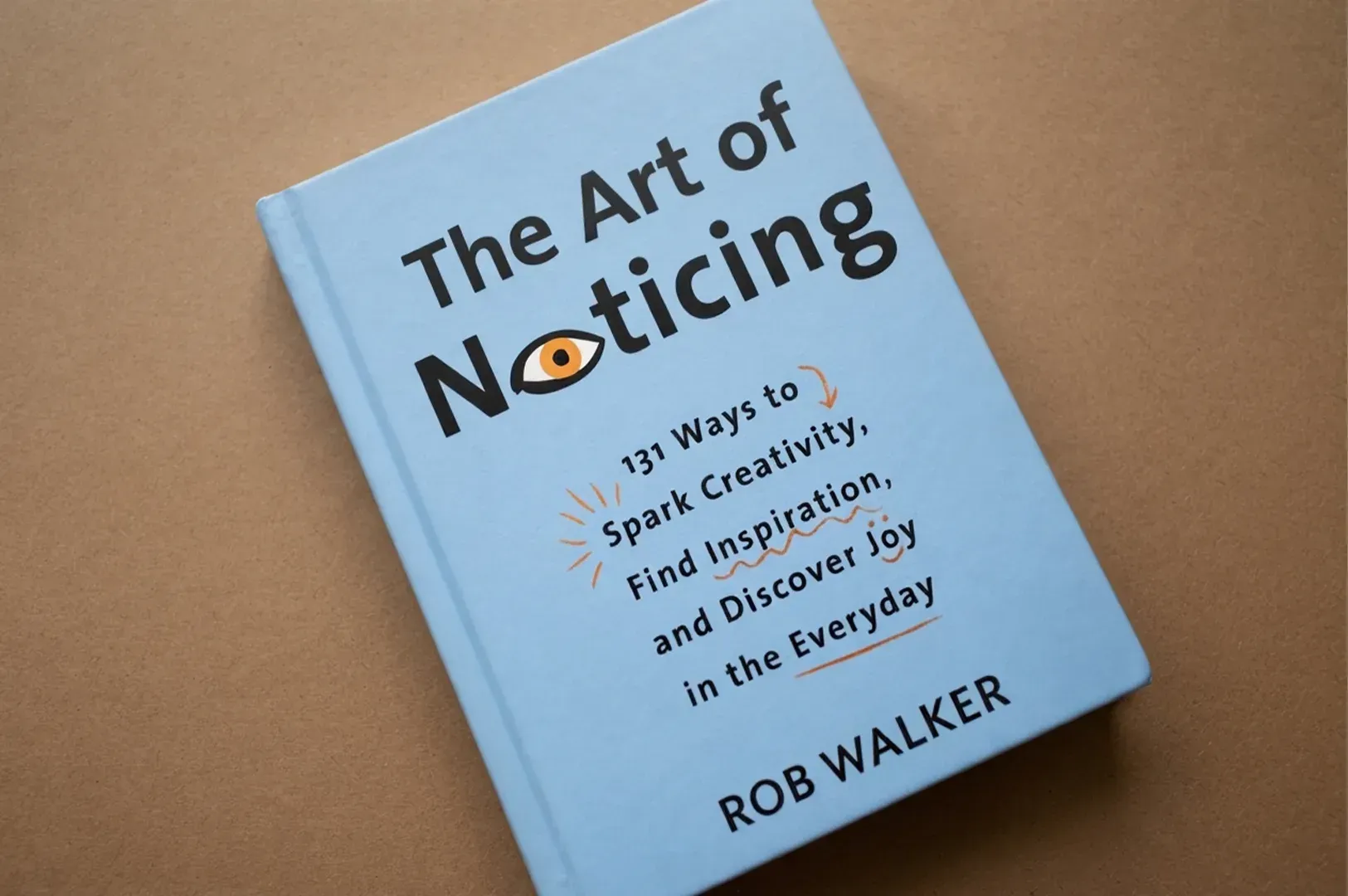
I think attention is a form of respect, something I’m familiar with from this article. We give it too rarely, and mostly to the loud things. The market asks the opposite. It rewards the quiet look, the second glance, the willingness to notice ordinary beauty held to an uncompromising line.
The fruit was good. Bright, a little sharp, exactly what he promised without ever saying a word.