
Companionship and Standards: Choosing People Who Raise Your Life
The last plate had been cleared, and the omakase counter held only the smell of warm rice and the faint char of something grilled earlier. The chef wiped the cypress down in long, even strokes. No one was watching but me. He did it the same way he would have done it for a full house, unhurried, attentive to a wood grain the guests never think about.
I have watched people reveal themselves in moments like that. Not in the grand gesture, but in the wiping of a clean surface when no reward waits at the end of it.
That is where standards live. And standards, I have come to believe, are not only habits or taste. They are also the people we keep.
The Signal I Almost Missed
There was someone in my life for years, a friend I liked and trusted, and it took me a long time to notice what he did with other people's names. He was generous with me. Warm, quick, good company over a late meal. But he spent other people's private stories like small change, trading a confidence here for a laugh there. Nothing cruel. Just careless.
I noticed it slowly, the way you notice a draft in a room before you find the window. One evening he told me something a mutual friend had shared in trust, and I understood, plainly, that he would one day tell someone else about me in exactly the same tone.
That was the turning point. Not a fight. Not a rupture.
Just a quiet recalibration of how close I let him sit. The people around us set the temperature we stop noticing.
They calibrate what we tolerate, what we chase, what we forgive in ourselves. I had been warming myself by a fire that was, in its small way, burning something I cared about.
A Few Quiet Standards
I do not keep a checklist for people. But over the years, a few observations have hardened into something I trust.
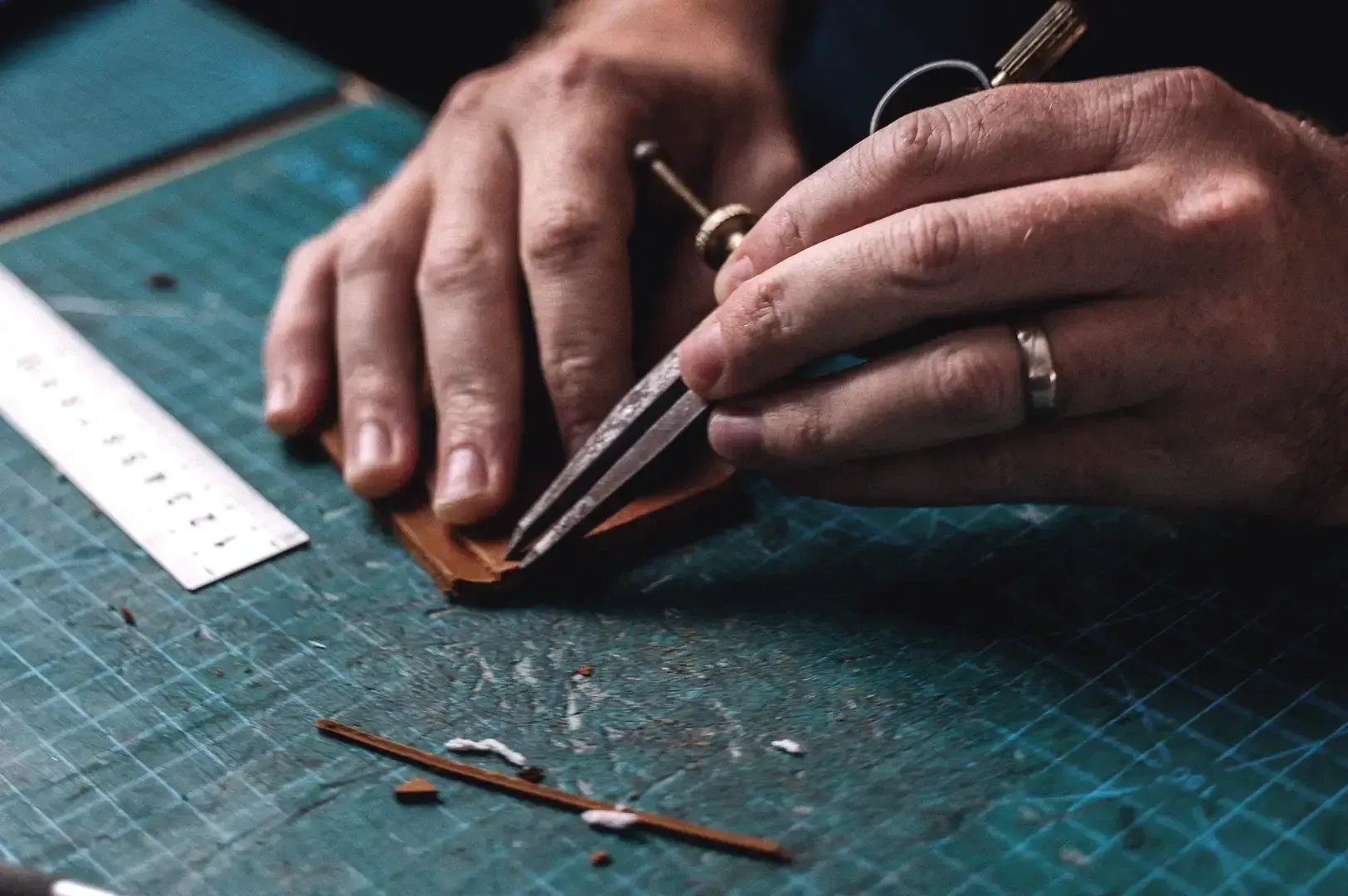
I watch how someone treats craft when no one is keeping score. At the academy, the instructors I came to rely on were the ones who reset a room properly at the end of a long day, when the students had gone and no one would ever know. The care was for the work itself, not for applause.
I notice how a person handles boredom and repetition. Anyone can be interesting on the good day. The friends worth keeping are the ones who can sit through the dull stretches, the delays, the slow tea, without needing to be entertained out of them. Repetition is where character shows.
I pay attention to what someone does with a private detail. Whether it stays private. The people I trust most are the ones who could earn a little social currency by leaking something about me, and simply never do. That restraint is quiet, and it is everything.
And I look for people who can disagree without turning it into a contest. At the consulting firm, my most valuable colleagues were the ones who could tell me I was wrong without needing me to feel small about it. Disagreement, in the right company, is a gift handed over gently.
Finally, I keep the ones who refine my taste rather than flatter it. There is a difference between a friend who tells you the work is wonderful and one who says, kindly, that you can do better. The second is rarer. Hold on to them.
What Business Taught Me About Friendship
Building things taught me the difference between what must be preserved and what is allowed to change. At the omakase restaurant, the rice never moved. Its temperature, its seasoning, the moment it met the hand. That was sacred. But the fish changed with the season, the room was reworked more than once, the way we greeted people evolved as we learned who they were.
Friendship, I have found, works the same way. The core standards, honesty, discretion, care for the craft of the relationship, must hold. But the format is free to change. A friend who moves away, who marries, who enters a season of silence, has not betrayed the friendship. The surface shifts. What matters underneath can stay exactly as it was.
I stopped mistaking change for decline. A friendship can evolve entirely and lose none of its quality, as long as the load-bearing things remain.
Two Rooms, Two Kinds of Discernment

Late one night in Japan, I ate a simple bowl at a counter that seated six. The cook barely spoke. The discernment there was fast, instinctive, read in a single glance at whether the broth was right. Attention that arrived in an instant and asked nothing of me.
Months later, in a quiet tea room, the discernment was the opposite. Slow. The water watched, the pour measured, the pause before the cup was set down. Patience as a form of noticing. Two rooms taught me two ways of reading people. Sometimes you know at once. Sometimes you only know by staying long enough to watch how they pour.
Neither is rigid. Standards, in the best company, are gentle. They do not slam doors. They simply notice, and adjust, and stay soft while staying clear.
The Season of the Smaller Circle
Raising your standards will, for a while, make your circle smaller. I want to say this plainly, and without any drama around it.
There was a stretch of years when I saw fewer people, and some of that was my own doing. I had stopped warming myself by fires that cost me something. The quiet that followed was not punishment. It was space, waiting to be filled by better company.
Loneliness of that kind is not a failure. It is the pause between an old standard and a new one, the empty room before the right people arrive.
What the Chef Knew
I still think about the chef wiping down the counter with no one to impress.
The right company does not add to your life loudly. It does not announce itself or ask to be thanked. It tunes you, slowly, until the standards you once had to defend become the ones you no longer notice keeping.
You become, without quite deciding to, the kind of person who wipes the clean counter anyway.
For more on character and people inside the workforce and business, read:
Why Character Is the Ultimate Competitive Advantage.