True quality is merely the visible edge of countless invisible inputs. The first of these is the cost of absolute standards, which always manifests as waste.
When you demand perfection, you must be financially prepared to throw away anything that falls short. You are paying for the five imperfect ceramic bowls that were shattered so the one flawless vessel could reach the table.
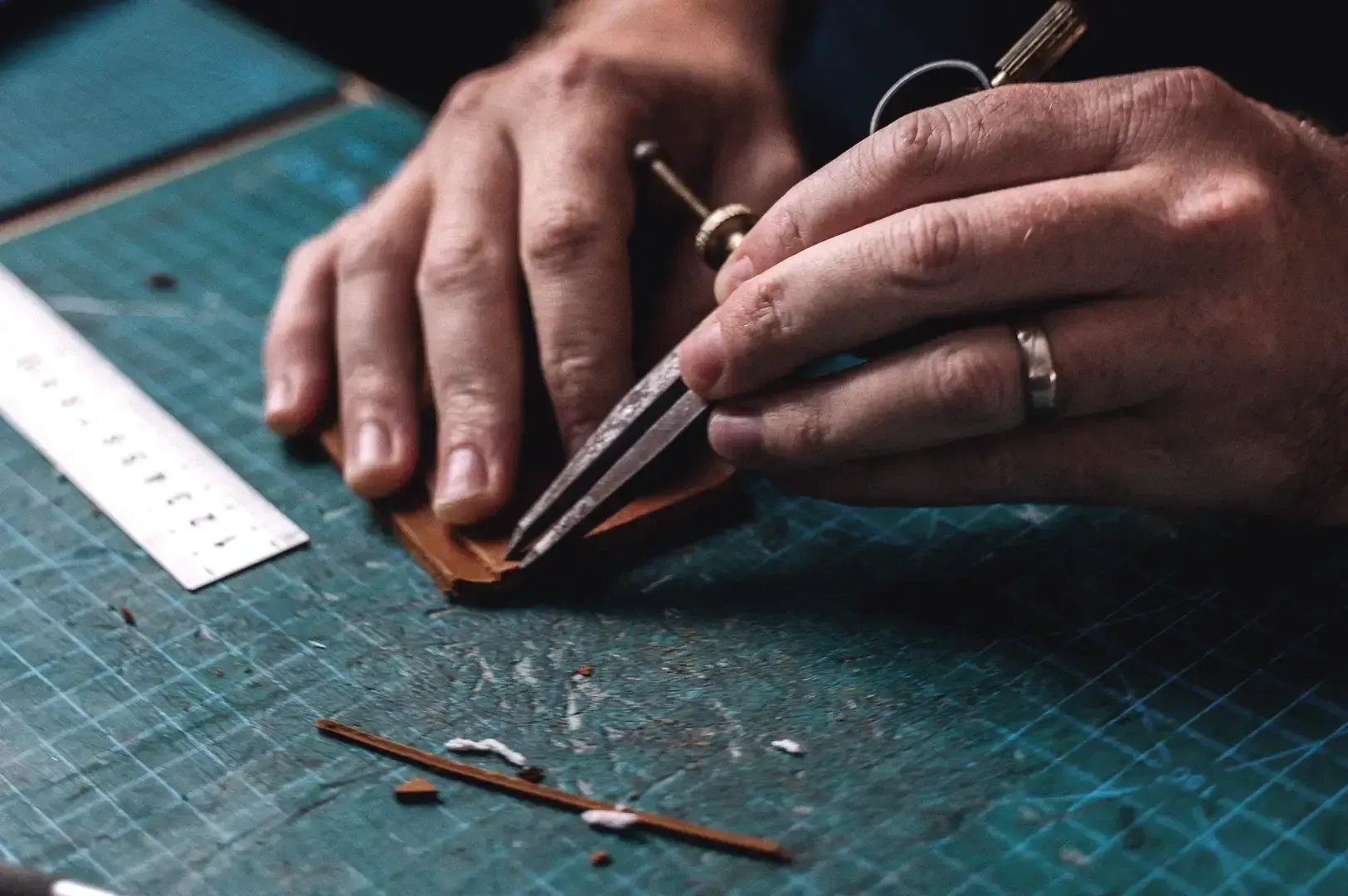
You are also paying for the silent, grueling years of apprenticeship. A master craftsperson does not charge for the ten minutes it takes to execute a technique. They charge for the ten years of failures, burned hands, and ruined materials it took to learn how to do it in ten minutes.
There is the rigid constraint of sourcing.
Acquiring uncompromising ingredients or materials requires accepting the unpredictable rhythms of nature. You cannot force a highly specific alpine timber to dry faster, and you cannot demand a certain fish be caught out of season.
Finally, there is the profound cost of saying no. To
maintain intimacy and absolute attention, you must actively refuse scale. When a business chooses to serve only eight people a night instead of eighty, the math shifts entirely. You are funding the empty space in the room.
The Cost of Keeping the Standard
This tension between financial logic and
structural integrity exists in every domain. During the expansion of the academy, we faced a critical turning point. We could easily have doubled our enrollment by automating the feedback loops in our curriculum. Instead, we chose to keep the cohorts intentionally small. We hired highly specialized practitioners to sit with students and review their work line by line.
The cost of maintaining that human friction was enormous, but we chose to protect the rigor of the transformation over the margin of the syllabus.
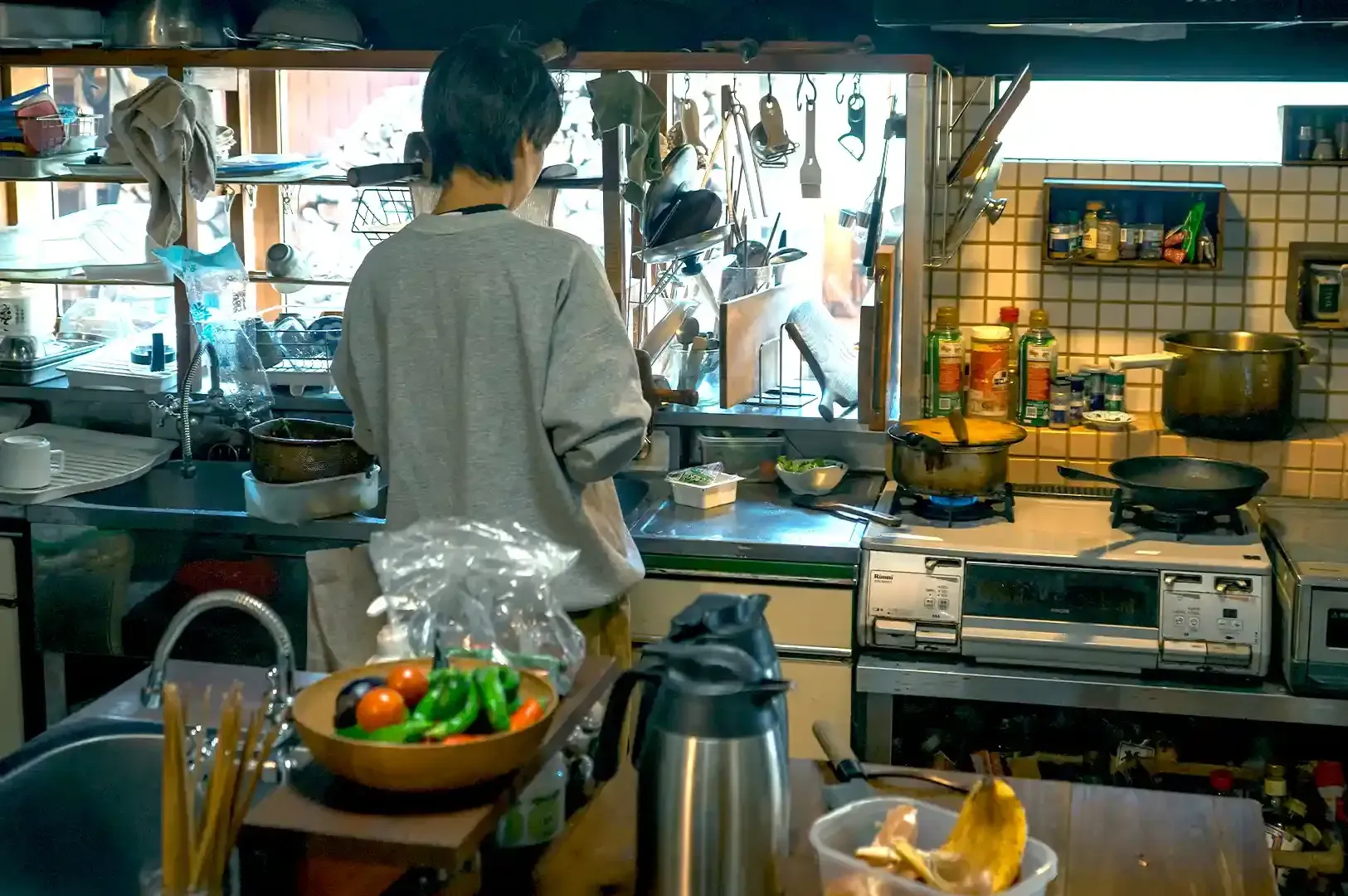
In the tea room, the economics are similarly hidden. The guests see a graceful, unhurried afternoon ritual. They do not see the hours of meticulous calibration that occur before dawn. They do not see the deliberate sourcing of spring water to match the exact mineral profile required by a specific tea leaf. The restraint required to keep the environment completely serene is the most expensive line item on the ledger.
I faced this identical equation during the renovation of a heritage property in Australia. The original floorboards were damaged beyond repair. A synthetic replacement would have been perfectly functional, visually identical, and drastically cheaper. We chose instead to source reclaimed timber from the exact same era and hire a specialist to lay it by hand. It forced a painful compromise in the overall project budget. But the building demanded a specific acoustic resonance when walked upon, a dull, heavy thud that modern materials simply cannot fake.
Integrity often requires you to bleed capital in places nobody will ever point a camera at.