
A Life Less Throwaway by Tara Button | My Quiet Empire Book Review

Bay San

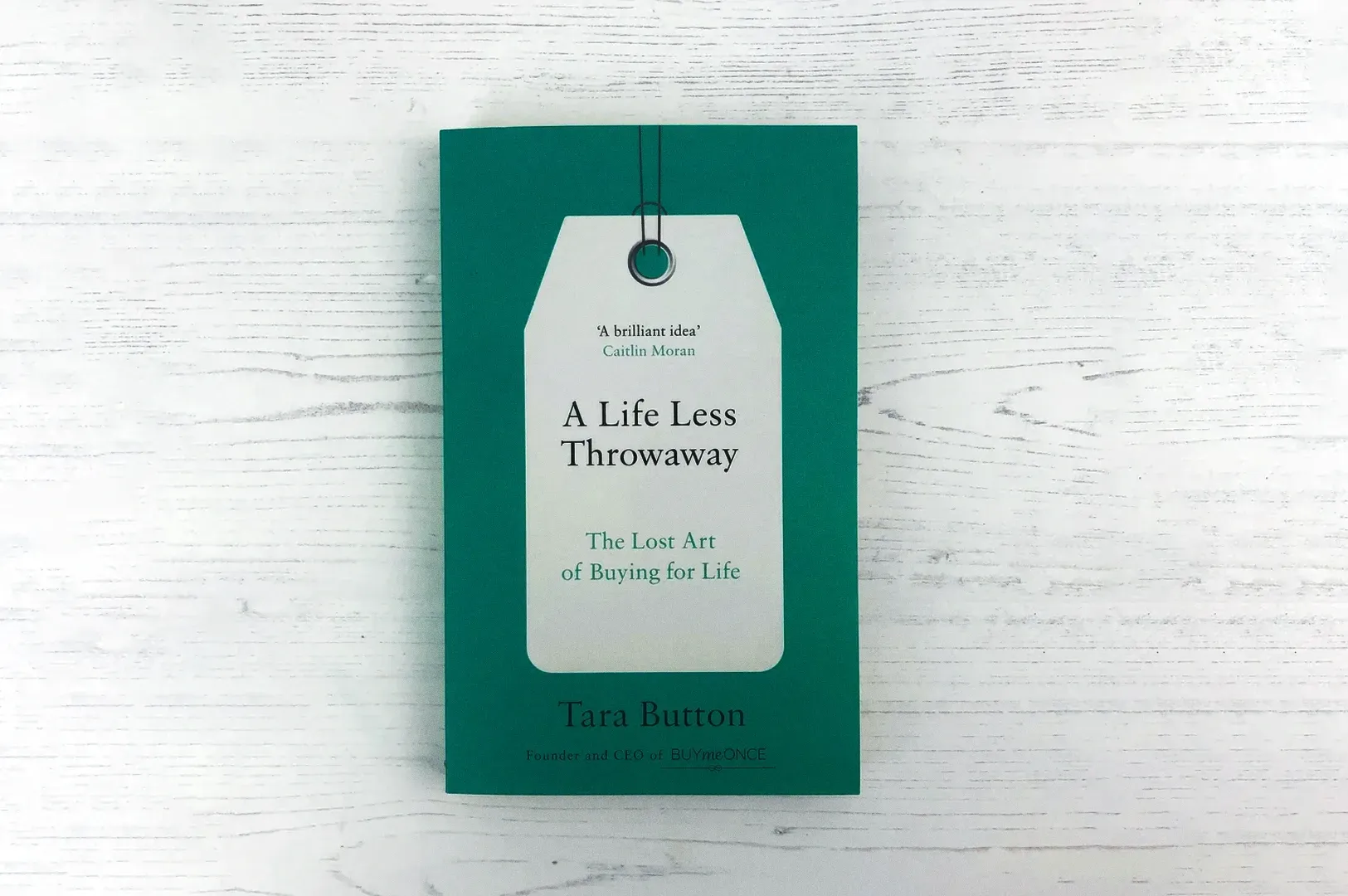
In a world trained for instant satisfaction, Tara Button’s A Life Less Throwaway reads like an invitation to slow down and take inventory. It is not an angry manifesto or a dire environmental warning. Instead, it is a patient call to design a life (and by extension, a business) around things that endure.

Button’s project is clear from the outset. She takes aim at the logic of convenience that has seeped into every corner of life and commerce. Her argument is philosophical, but always grounded in the daily reality of objects that break, clutter, and lose their value almost as soon as they are acquired. She encourages us to resist the lure of the disposable, to shift our attention toward stewardship and repair. The line that lingers: "We are curators of our own lives. By choosing things that are built to last, we are choosing to take our future seriously." This sentence distills her thesis: durable choices are a form of respect; first for ourselves, then for the world we inhabit.

Over-the-shoulder medium shot of person shopping online holding a credit card beside a laptop and smartphone with sale sign, illustrating fast consumerism, impulse buying, and disposable culture contrasted with conscious consumption

The most compelling sections explore what happens when convenience becomes an invisible architect of values. Button ties together economics and psychology, showing how the steady drip of one-click shopping and next-day delivery chips away at our ability to wait, choose, and care. When we trade agency for ease, we become passive consumers, not only of products, but of experiences and even relationships.

This way of thinking resonates in my own enterprises. I remember the difficult decision faced while building the core program at the academy. Rapid growth was easily within reach through automation; recorded content, large online cohorts, lower per-learner costs. But choosing that path meant sacrificing the slow, friction-filled feedback loops that actually built long-term skills. Opting for endurability by keeping the cohorts small and the curriculum hands-on forced us to give up volume, and profit in the short term, but we gained loyalty and lasting reputation. The lesson Button articulates is the same I have discovered in education, hospitality, and even property: things that persist tend to cost more, demand more, and teach more..

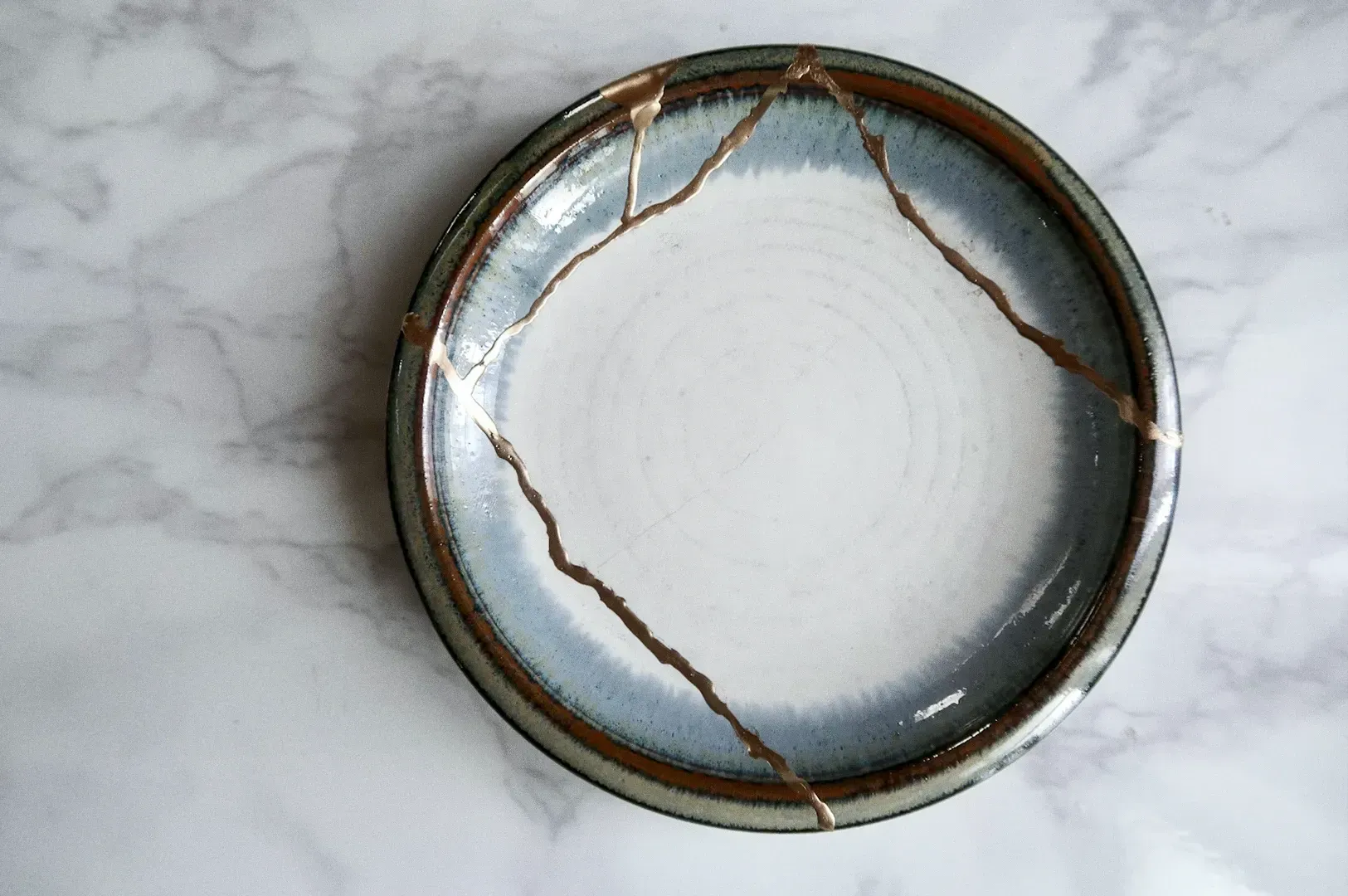
Top-down close-up shot of a repaired ceramic plate with visible kintsugi cracks on a marble surface, representing repair culture, durability, and the value of keeping items that last

The book is not without blind spots. Button’s solutions often lie in the realm of individual action; buy less, buy better, repair what you have. While admirable, this vision sometimes underplays the deep structural challenges that keep people locked into patterns of disposability. Durable goods demand not just discipline, but also resources and stability. For many, the economics of conscious consumption are out of reach. It is easier to admire durability than afford it. As a guide for entrepreneurs and designers, this gap matters. The vision is inspiring, but putting it into practice is sometimes a privilege.

Button’s craft as a writer is steady and unobtrusive. She uses stories and measured argument, not fear or guilt, to persuade. The pacing is careful. Each chapter feels considered, as if its lessons have lived a long time before appearing on the page. By the end, the reader is invited, not instructed, to become a curator rather than a collector.

A Life Less Throwaway is for those who sense there is meaning in repair, who are tired of the churn toward the next new thing, who want their work and lives to leave something firmer behind. The book leaves me with a gentle, necessary question:

In a world built for replacement, what will I insist on repairing; even when it is inconvenient to do so?

More Book Reviews

Top-down flat lay shot of
By Bay San May 15, 2026
Discover how James Kerr's Legacy reveals the uncompromising principles behind enduring culture, proving that standards and humility always outlast hype.
Wall‑mounted copy of “The Great Good Place” by Ray Oldenburg displayed against a minimalist white wa
By Bay San May 8, 2026
Culture is engineered, not declared. Discover how Ray Oldenburg’s exploration of third places shapes our understanding of community, belonging, and business.
Straight-on eye-level shot of the book cover “Deep Work” by Cal Newport, showing minimalist typograp
By Bay San May 1, 2026
Focus is not a productivity hack; it is a structural advantage. Discover how Cal Newport’s rules for deep work shape business, craft, and quiet mastery.
Front-facing, eye-level shot of the book cover “The Power of Character in Leadership” by Dr. Myles M
By Bay San April 24, 2026
Character is built through daily choices, not corporate slogans. Discover how Myles Munroe' exploration of moral life shapes enduring business culture.
Overhead top‑down shot of the book Shop Class as Soulcraft: An Inquiry into the Value of Work by Mat
By Bay San April 17, 2026
Manual competence offers a profound form of freedom. Discover how Crawford’s meditation on skilled work shapes our approach to business, craft, and character.
Straight-on product shot of the book cover “Zen and the Art of Motorcycle Maintenance” by Robert M.
By Bay San April 10, 2026
Quality is not an accident; it is a discipline. Discover how Pirsig's meditation on maintenance shapes our approach to business, craft, and quiet mastery.
Three-quarter angle product shot of The Book of Joy by the Dalai Lama and Desmond Tutu, showing mult
By Bay San April 8, 2026
Joy is not a fleeting emotion but a disciplined practice. Discover how two spiritual leaders offer a framework for resilience in business and life.
Book titled ‘Wabi-Sabi for Artists, Designers, Poets & Philosophers’ on a blue background, featuring
By Bay San March 27, 2026
On embracing imperfection: Leonard Koren's meditation on wabi-sabi offers a framework for creation that honors transience over permanence. A reflection on building with constraint.
Vintage copy of ‘The Gastronomical Me’ by M.F.K. Fisher standing upright on a wooden surface with a
By Bay San March 20, 2026
On appetite as philosophy: Fisher's memoir reveals that how we eat reflects how we live. A meditation on attention, pleasure, and intentional living.
Book cover of ‘Originals: How Non‑Conformists Move the World’ by Adam Grant displayed in front of as
By Bay San March 13, 2026
Can originality be systematized? Adam Grant's research offers tools for fostering innovation, but the most transformative work may resist frameworks entirely.
Show More