



The Curator's Eye: Collecting as a Form of Expression
We often think of collecting as a hobby reserved for the wealthy or the eccentric. We imagine dusty museums filled with artifacts or private galleries lined with untouchable art. But at its most fundamental level, collecting is simply the act of choosing. It is the process of deciding what to bring into our lives and what to leave out. Every object we place on a shelf, every piece of furniture we arrange in a room, and every book we stack on a bedside table is a sentence in a larger story.
Curation is a personal language. It is a way of speaking without words. When we curate our spaces intentionally, we are not just decorating; we are engaging in a form of
autobiography. The things we choose to live with reveal our values, our memories, and our aspirations. They are the tangible evidence of our inner lives.
The Object as a Mirror

I once visited the home of a friend who is a writer. Her study was sparse, containing only a desk, a chair, and a single, long shelf. On that shelf sat a collection of five stones. They were not rare gems or polished minerals. They were simple, weathered river stones, each smooth and grey, picked up from different bodies of water she had visited over the last decade.
To a casual observer, they were just rocks. To her, they were a library of sensory memories. One was from a creek near her childhood home. Another was from a beach in Scotland where she finished her first novel. A third was from a river in Kyoto where she had gone to heal after a loss.
This collection revealed something profound about her character. It showed that she valued memory over monetary worth. It demonstrated a connection to the natural world and an appreciation for the slow, shaping force of water over time. It revealed a mind that found beauty in the ordinary and the overlooked. A collection of diamond jewelry would have told a story of status. This collection of stones told a story of soul.
This is the power of the curator’s eye. It sees beyond the utility or the price tag of an object and perceives its resonance. When we collect with this level of intention, our possessions cease to be mere stuff. They become totems that anchor us to who we are and what we believe in.
Accumulation Versus Curation

In a consumer culture, it is easy to confuse accumulation with curation. We are encouraged to acquire more, to fill our empty spaces, and to chase the latest trends. But there is a distinct difference between the two actions.
Accumulation is additive. It is driven by a fear of scarcity or a desire for novelty. It is the act of gathering things without a clear purpose, resulting in clutter and visual noise. The accumulator asks, "Do I like this?" If the answer is yes, they buy it.
Curation is subtractive. It is driven by discernment and a desire for meaning. It is the act of selecting only what is essential and letting go of the rest. The curator asks a harder set of questions. "Does this belong here? Does it speak to the other objects in the room? Does it bring me peace or distraction?"
The curator understands that the value of a collection is not determined by its size but by its coherence.
A room filled with fifty disparate, trendy items feels chaotic. A room containing three carefully chosen objects feels serene and intentional. Curation requires the confidence to say no. It is the discipline of refusing to dilute the quality of your environment with things that are merely "good enough."
Shaping Our Inner Worlds

We tend to believe that we shape our environments, but it is equally true that our environments shape us. There is a continuous feedback loop between our outer spaces and our inner worlds. The objects we surround ourselves with act as visual cues that trigger specific emotional and cognitive states.
If we surround ourselves with mass-produced, disposable items, we subtly reinforce a mindset of impermanence and carelessness. If our spaces are cluttered and disorganized, our minds often feel scattered and anxious. Visual noise creates mental noise.
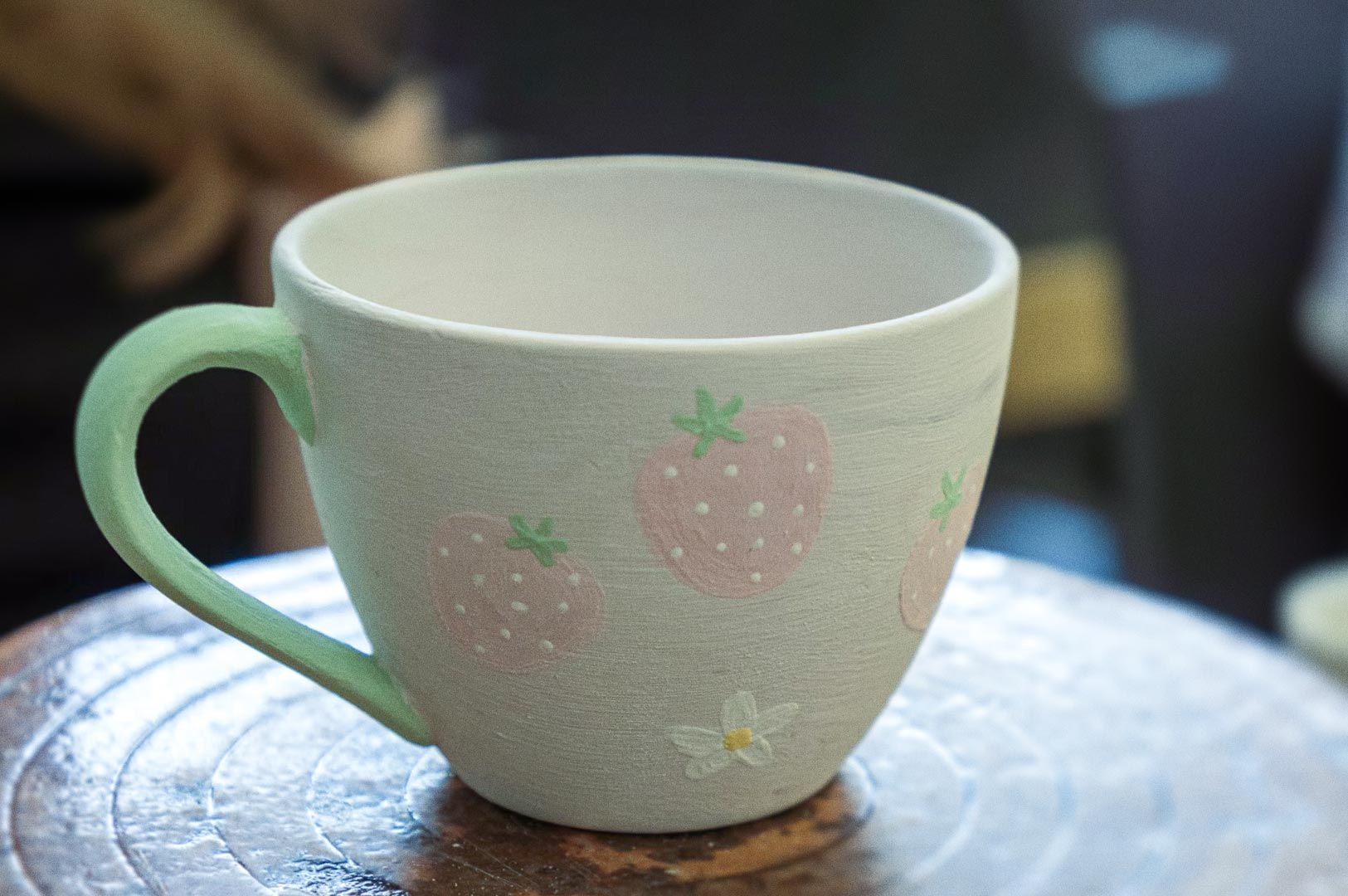
Conversely, when we curate our surroundings with intention, we create a sanctuary for our minds. Living with objects of quality, whether they are handcrafted furniture or simple, well-made tools, encourages us to slow down and pay attention. Touching the rough grain of a wooden table or the cool surface of a ceramic cup grounds us in the present moment.
A curated space acts as a tuning fork for the psyche. When we enter a room where every object has been chosen with care, we feel a sense of alignment. The external order supports internal clarity. By carefully selecting what we look at and touch every day, we are essentially curating the quality of our own consciousness.
The Power of Restraint

The people you hire are the future of the institution. When scaling, it is tempting to hire purely for skill and experience. But for long-term continuity, you must hire for alignment with your company’s core DNA.
We look for candidates who demonstrate a natural inclination toward our values: a respect for craftsmanship, a commitment to long-term thinking, and a quiet confidence. During interviews, I ask questions that probe their character and motivations. I am less interested in what they have done than in why they did it.
Once hired, developing these future leaders is about trust and exposure. You must give them real responsibility and create opportunities for them to be in the room where major decisions are made. This is an apprenticeship not in technical skills, but in a way of thinking. They are learning to see the business through the founder's eyes, so that one day they can see it with their own, guided by the same principles.
Building an institution that outlives you is the final and most meaningful act of entrepreneurship. It is the ultimate expression of a founder's vision. It requires moving from a mindset of personal achievement to one of stewardship. The work is to build a company that is not just successful, but significant; an organization so well-conceived, so culturally sound, and so rich in leadership that your legacy is secured not by your continued presence, but by your thoughtful and deliberate absence.