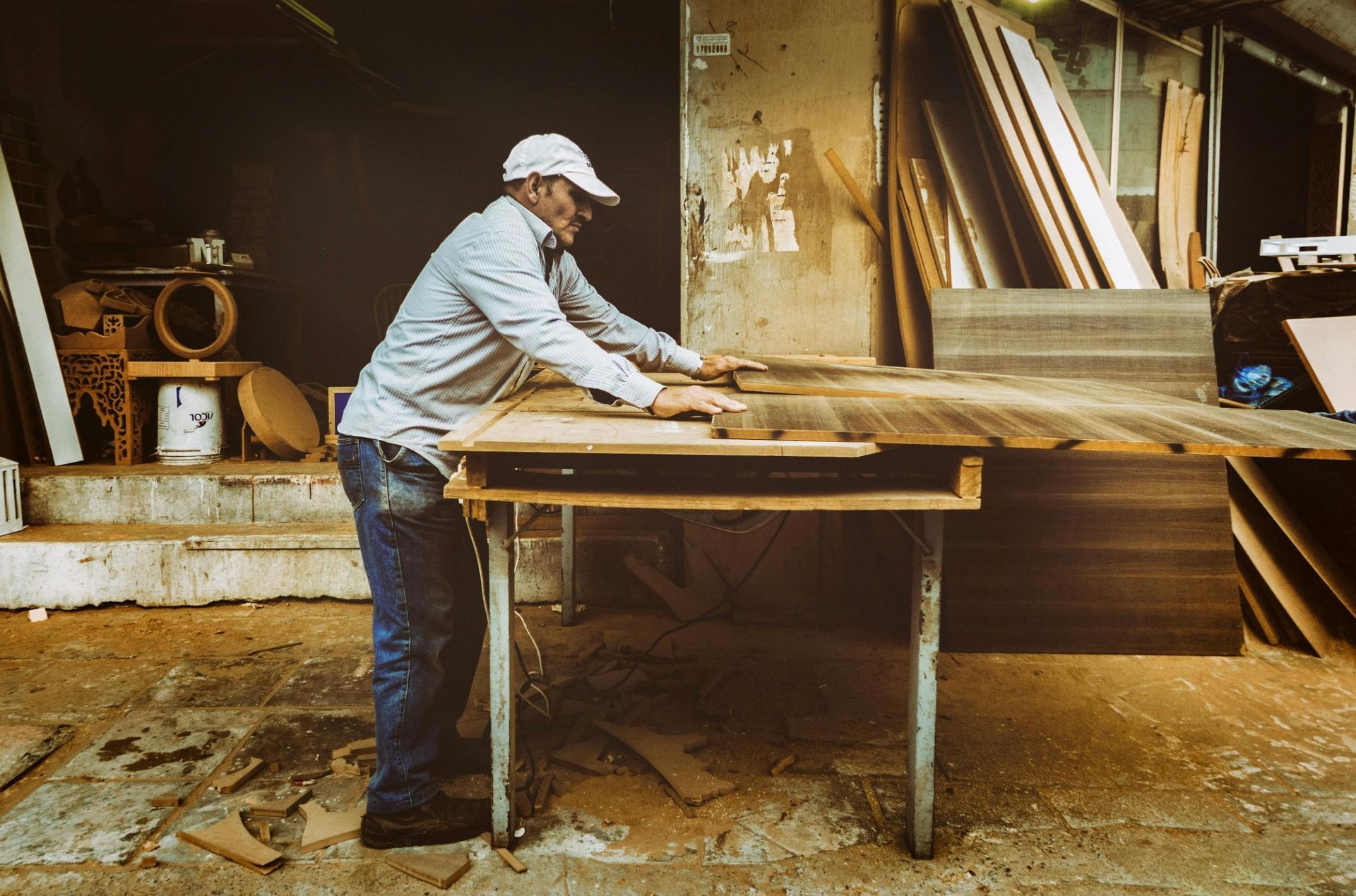

Why Handmade Still Matters in a Digital Age
The world is optimized for speed. Our days are filled with digital conveniences that promise instant results, from one-click purchases to algorithmically generated playlists. We have built a civilization that prizes efficiency above almost all else. Yet, amidst this landscape of automation and immediacy, a quiet and persistent human need remains: the desire for things made by hand.
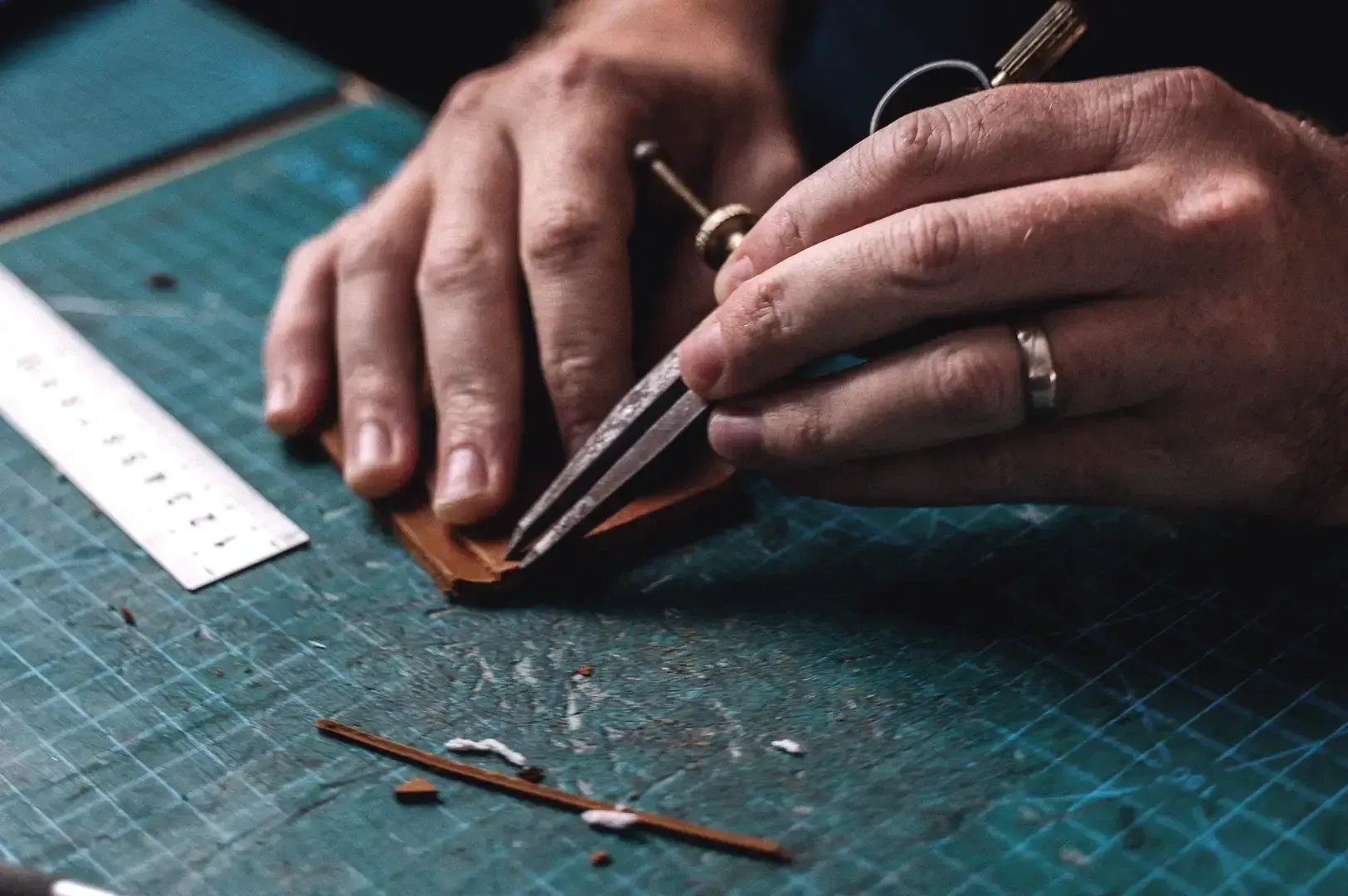
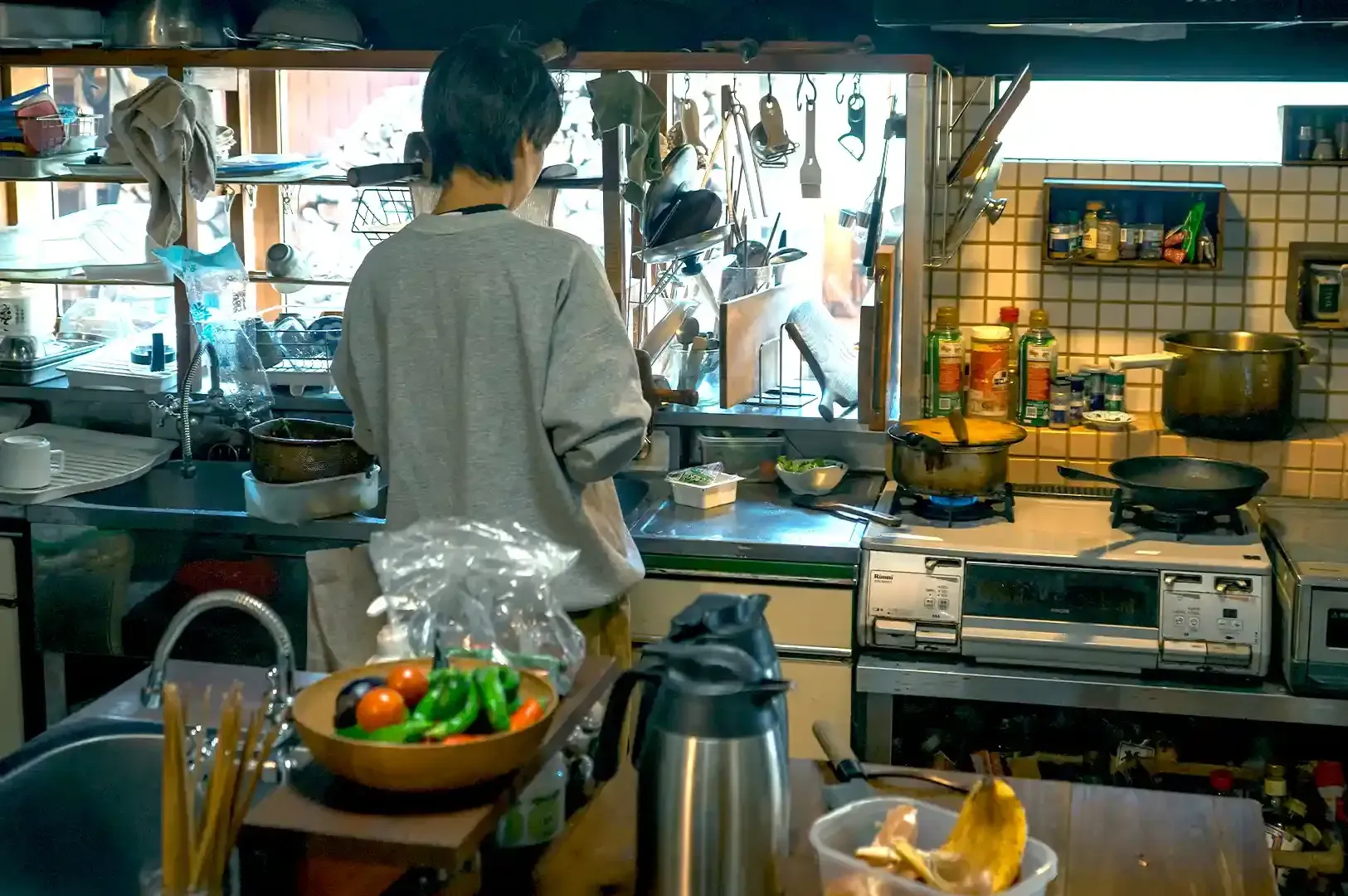
We still seek the weight of a ceramic mug shaped by a potter, the texture of a hand-bound book, and the intricate flavors of a meal prepared with painstaking care. These experiences are not just quaint relics of a bygone era. They are vital counterpoints to a world of digital abstraction. They remind us of the irreplaceable value of human attention. What matters is not a rejection of technology, but a conscious appreciation for what hands can do that machines cannot.
The Imprint of Human Attention

I once visited a small workshop in Kyoto where a woman was applying gold leaf to a lacquered box. Her workspace was simple: a low bench, a few shallow bowls, and an assortment of soft brushes. The air was still, and the only sound was the gentle whisper of her movements. She worked with a focus that was absolute.
With a pair of bamboo tweezers, she lifted a gossamer-thin sheet of gold, so delicate it seemed to tremble in the air. She held her breath as she laid it onto the sticky lacquer, then used a soft brush to gently tap it into place. There was no room for error. The process was unhurried, each gesture flowing from a wellspring of deep practice. In that small, quiet room, I was not just watching a craft. I was witnessing a transfer of energy. The artisan’s patience, her focus, and her years of discipline were being embedded into the object itself.
A machine could have applied a perfect, uniform layer of gold foil in a fraction of the time. It would have been flawless, but it would have lacked the most crucial ingredient: the imprint of human attention. The subtle variations, the almost imperceptible mark of the brush, and the story of the maker’s dedicated focus are what give the handmade object its life.
Seeking Connection in a Digital World
Our turn toward handmade experiences is not simply a matter of nostalgia. It is a direct response to the environment we inhabit. As more of our interactions become mediated by screens, we develop a deep-seated hunger for the real, the tangible, and the authentic. The convenience of digital life is undeniable, but it often leaves us feeling disconnected.
A handmade object or experience offers a direct link to another human being. When you hold a hand-carved wooden spoon, you can almost feel the presence of the person who made it. You can trace the path of their tools and appreciate the choices they made. This connection is a powerful antidote to the anonymity of mass production.
This is a principle we explore in our own businesses. At the tea room, the ceremony is a deliberate, handcrafted experience. The way the host whisks the matcha, the precise gesture used to turn the bowl, and the mindful presentation are all moments of direct, human-to-human connection. A machine could dispense a perfectly calibrated cup of tea, but it could never offer the sense of shared presence and mutual respect that the ceremony provides.
The Difference Between Efficiency and Care

The logic of the digital age is built on efficiency. The goal is to achieve a desired outcome with the minimum possible input of time, energy, and resources. This is a powerful model for solving many problems, but it is a poor model for creating meaning.
Craftsmanship operates on a different logic entirely: the logic of care.
- Efficiency is about the outcome.
- Care is about the process.
- Automation is about repeatability.
- Mastery is about responsiveness.
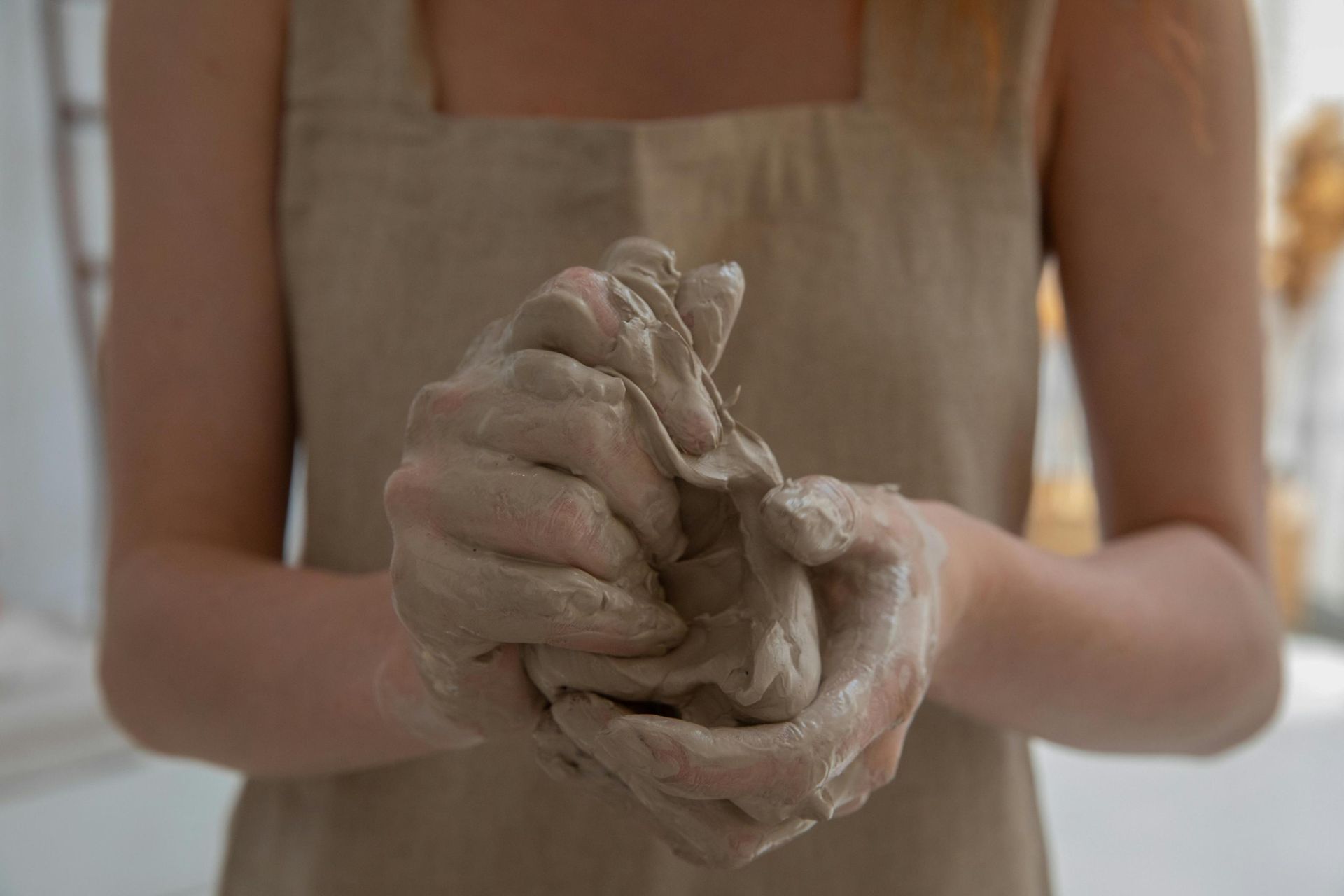
An automated process is designed to eliminate variation. A master craftsperson, however, is constantly responding to the unique properties of their materials. The chef at our omakase restaurant adjusts the seasoning of the rice based on the humidity of the day. The ceramicist feels the consistency of the clay and adapts their technique accordingly. This responsive, intuitive dance between maker and material is the essence of mastery. It cannot be programmed into a machine. Care is, by its nature, inefficient. It takes time. It requires focus. It is the deliberate choice to invest more of ourselves into the task than is strictly necessary.
Craft as a Quiet Statement

Incorporating handmade elements into a modern business is a quiet statement of values. It tells a story about what is important. The hand-thrown plates on which a meal is served, the carefully selected art on the walls, or the solid wood of a custom-built table all communicate a commitment to quality and substance.
These details are not just decoration.
They shape the entire experience. They signal to a guest or a client that they are in a place where details matter, where care is taken, and where human experience is valued. This creates a feeling of trust and connection that no marketing campaign can replicate. It demonstrates a belief that the "how" is just as important as the "what."
Remembering What Hands Can Do

The enduring value of handmade objects and experiences lies in their ability to ground us. They pull us out of the world of abstract information and into the sensory reality of the present moment. They are proof of what is possible with patience, discipline, and skill.
In an age of endless digital replication, the handmade object is unique. In an age of instant gratification, it is a testament to the value of time.
And in an age of automation, it is a celebration of the irreplaceable touch of a human hand. We do not need to choose between craft and technology, but we must remember what each is for. Technology gives us scale and speed. Craft gives us connection, meaning, and soul.