


Building Institutions That Outlive Their Founders

Bay San • February 5, 2026

Every entrepreneur begins with a vision. It is a deeply personal and often all-consuming force that drives the creation of something from nothing. The founder's hands are on everything, from the grand strategy to the smallest operational detail. This intense involvement is necessary to bring a new venture to life. But the ultimate test of a founder's success is not whether they can build a successful business, but whether they can build an institution that no longer needs them.


The transition from a founder-led company to a durable institution is one of the most difficult and profound challenges in business. It requires a deliberate shift in mindset from being the star player to becoming the architect of the entire game. After building ventures across different sectors, I have learned that this process is a delicate blend of practical systems, intentional culture building, and the quiet courage to design yourself out of the daily picture. The goal is not to become obsolete, but to build something so resilient that your presence becomes a choice, not a necessity.

The Moment the Vision Took Root

A group of four professionals are gathered around a white office table, engaged in a collaborative meeting with laptops, smartphones, and financial charts spread out before them. A man in a grey blazer holds up a small handwritten note to show his colleagues while everyone maintains a positive and focused atmosphere.

I remember a specific afternoon at our educational academy. I was scheduled to lead a critical meeting with our senior faculty about a curriculum overhaul. Minutes before it was set to begin, I was unexpectedly delayed by a personal matter and was unreachable. I felt a surge of anxiety, assuming the meeting would be postponed or would devolve into unproductive debate without my guidance.


When I finally arrived an hour later, I found the team wrapping up. The lead instructor, someone I had mentored for years, was at the whiteboard. It was covered in diagrams and notes that were not only brilliant but had advanced the initial concept beyond my own thinking. They had not just managed without me; they had thrived. They had taken the core principles of our educational philosophy, debated them vigorously, and forged a new path forward.


In that moment, my initial anxiety was replaced by a profound sense of pride and relief. It was the first tangible proof that the academy’s DNA was no longer just inside me. It had been successfully transplanted into the team. They were not just executing my vision; they were stewarding it. This was the moment I realized we were no longer just a founder-dependent company. We were on the path to becoming an institution.

The Infrastructure of Longevity

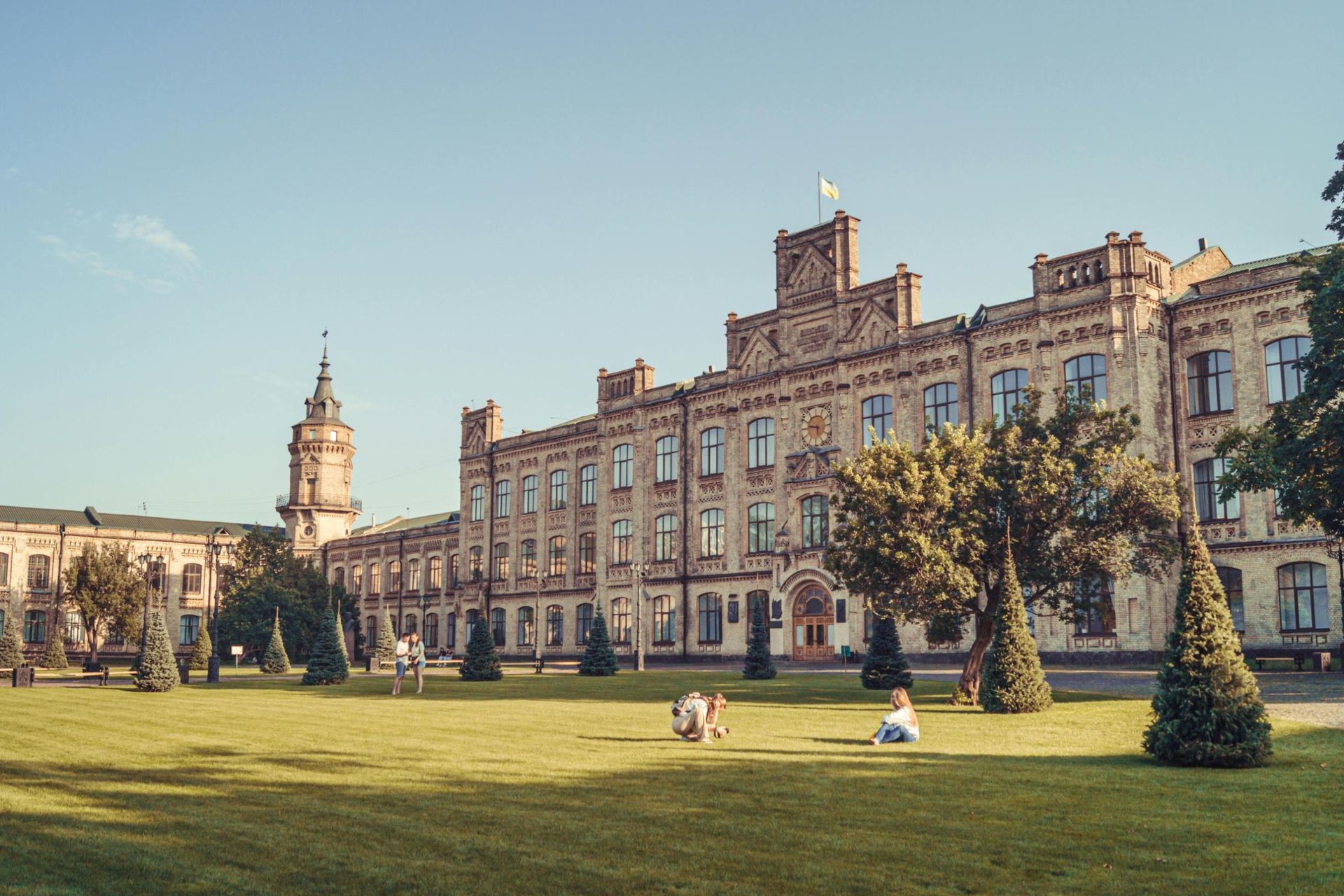
This image features a large, historic brick building with intricate architectural details and a central clock tower topped by a flag. People are scattered across a spacious green lawn in front of the structure, enjoying the sunny day amidst manicured conical trees.

Businesses that collapse after a founder steps back often share a common flaw: the founder was not just the visionary, but also the central processing unit. Every major decision, piece of institutional knowledge, and key relationship ran through them. To build an organization that lasts, you must deliberately decentralize these functions.


This requires three key pillars:

  1. Robust Systems: Systems are the skeleton of a durable institution. This is not about creating rigid bureaucracy, but about documenting core processes and philosophies. In our businesses, we create playbooks not as strict rulebooks, but as guides to our way of thinking. For our consulting firm, this means a documented methodology for client analysis. For our restaurants, it means a codified set of service standards. These systems ensure consistency and provide a baseline for quality, freeing up team members to innovate on top of a stable foundation rather than constantly reinventing the basics.
  2. Intentional Culture: Culture is the institution's immune system. It is the shared set of values and unwritten rules that guide behavior when no one is looking. Culture cannot be dictated; it must be cultivated. It starts with the founder's actions but becomes institutional when the team itself becomes its guardian. We have achieved this by making our core principles part of our hiring, our performance reviews, and our daily language. A strong culture empowers the team to make decisions that are aligned with the founder's original intent, even in novel situations.
  3. Distributed Leadership: A single point of failure is a fatal design flaw. An enduring institution has a deep bench of leadership. This means identifying potential leaders early and investing heavily in their growth. It requires delegating not just tasks, but true ownership of outcomes. The goal is to create a structure where authority and responsibility are shared, allowing the organization to be resilient to the departure of any single individual, including the founder.


The Emotional Work of Letting Go

In a brightly lit office setting, a middle-aged man with a grey beard smiles as he shakes hands with a woman across a conference table. Their colleagues look on with pleasant expressions, creating a professional and welcoming atmosphere for the meeting.

Building the practical infrastructure is only half the battle. The other half is the emotional work the founder must do to let go. An entrepreneur's identity is often deeply intertwined with their business. Stepping back can feel like a loss of purpose and relevance. This is the great paradox of building a legacy: to create something that lasts, you must subordinate your own ego to the long-term health of the institution.


This process involves a few key emotional shifts:

  • From Answer Man to Question Asker: A founder is used to having all the answers. To develop other leaders, you must learn to guide them to their own conclusions. Instead of saying "Do this," you start asking "What do you think we should do?"
  • Celebrating Successes You Were Not Part Of: Your goal is to get to a place where the team can achieve a major win without your direct involvement. When this happens, your role is to celebrate their success authentically, without a hint of feeling left out.
  • Accepting Different Methods: Your team will not do everything exactly the way you would. A durable institution allows for different paths to the same goal. You must develop the wisdom to know the difference between a deviation from core principles and a simple difference in style or method.


Hiring for Institutional DNA

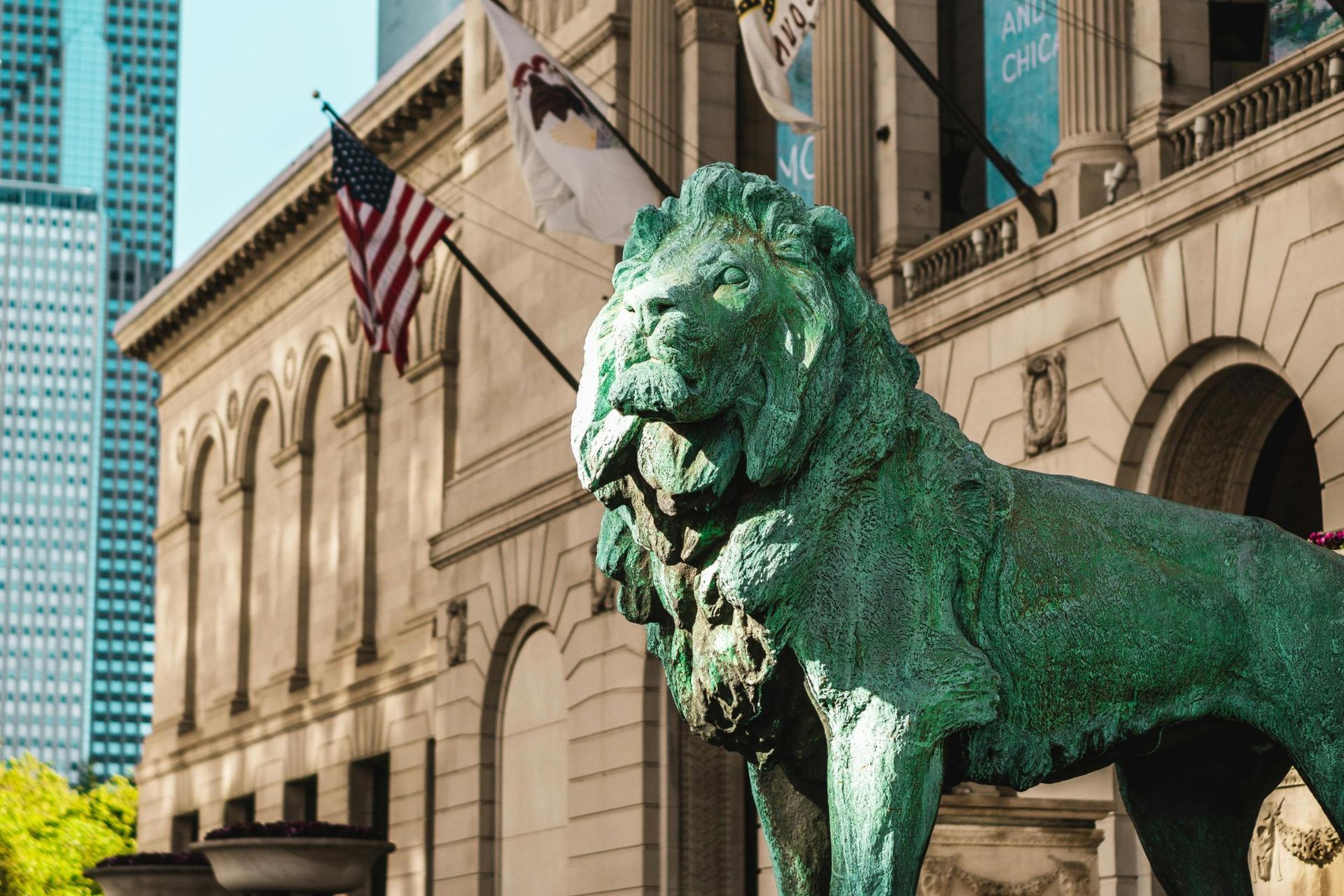
A weathered, green-patina lion statue stands prominently in the foreground against a backdrop of grand, neoclassical architecture adorned with the American flag. In the distance, a modern glass skyscraper rises above the historic stone building, highlighting a contrast between classic and contemporary urban design.

The people you hire are the future of the institution. When scaling, it is tempting to hire purely for skill and experience. But for long-term continuity, you must hire for alignment with your company’s core DNA.


We look for candidates who demonstrate a natural inclination toward our values: a respect for craftsmanship, a commitment to long-term thinking, and a quiet confidence. During interviews, I ask questions that probe their character and motivations. I am less interested in what they have done than in why they did it.


Once hired, developing these future leaders is about trust and exposure. You must give them real responsibility and create opportunities for them to be in the room where major decisions are made. This is an apprenticeship not in technical skills, but in a way of thinking. They are learning to see the business through the founder's eyes, so that one day they can see it with their own, guided by the same principles.


Building an institution that outlives you is the final and most meaningful act of entrepreneurship. It is the ultimate expression of a founder's vision. It requires moving from a mindset of personal achievement to one of stewardship. The work is to build a company that is not just successful, but significant; an organization so well-conceived, so culturally sound, and so rich in leadership that your legacy is secured not by your continued presence, but by your thoughtful and deliberate absence.


Recent Posts

Busy night market with lit stalls selling clothes, striped tarpaulin covers, large umbrella, and neo
By Bay San February 17, 2026
What endures from travel beyond photographs? A reflection on markets, objects, and the stories we choose to carry home with us.
Minimalist book cover of The Laws of Simplicity by John Maeda displayed on a bright yellow backgroun
By Bay San February 13, 2026
On the power of restraint: Maeda's ten laws reveal that simplicity is not subtraction but strategic clarity. A reflection on doing less, better.
Image of a lone figure sitting in a slim vertical alley, leaning back with legs crossed, centered in
By Bay San February 12, 2026
On cultivating intentional solitude as a counterbalance to constant connectivity. A reflection on chosen withdrawal as essential practice for clarity and creation.
Bright, airy modern living room with curved light armchairs, dark round coffee table, teardrop wall
By Bay San February 10, 2026
How intentional curation becomes a personal language. On the difference between accumulation and meaningful collecting as self-expression.
By Robert Macfarlane February 9, 2026
On thinking with your feet: Macfarlane's walking journeys reveal that clarity comes through movement, not stillness. A reflection on embodied wisdom.
Two men are diligently working in a shipyard, using hammers to chip away at the weathered, rusty hul
By Bay San February 3, 2026
On seeking out master craftsmen in hidden workshops around the world, and what their quiet spaces reveal about the nature of true mastery and dedication.
A person's hand holds a small, navy blue book titled Silence: In the Age of Noise by Erling Kagge, w
By Erling Kagge February 2, 2026
On finding stillness in noise: Erling Kagge's meditation reveals silence as a cultivated skill, not escape. A reflection on attention and inner discipline.
Two people sit closely together, smiling as they look at a tablet, with one pointing at the screen.
By Bay San January 29, 2026
On distant mentorship, the discipline of learning through observation, and how studying complete lives shapes how we build our own. A reflection on influence.
This close-up image features an assortment of crafting tools, including pliers, scissors, and a wire
By Bay San January 27, 2026
On craft, attention, and the irreplaceable value of human hands in an automated world. A reflection on what machines cannot replicate.
The image features a close-up, angled view of the book cover for Mastery by George Leonard. It showc
By George Leonard January 23, 2026
On loving the plateau: George Leonard's Mastery reveals that fulfillment comes not from peaks but from patient practice. A meditation on craft and endurance.
Show More