



Quiet Success: Why the Best Brands Don't Shout
In the modern marketplace, attention is a currency, and most businesses compete for it by raising their voices. They shout with aggressive advertising, bold proclamations, and a relentless pursuit of visibility. The prevailing wisdom is that to be heard, one must be loud. Yet, the brands that I have long admired, the ones that build enduring legacies, operate on a different principle. They understand that true power is not found in volume, but in clarity. They practice a form of quiet success, confident that substance, when executed with precision, speaks for itself.
This philosophy is not about being invisible; it is about being resonant. It is the conscious choice to prioritize depth over reach, to attract rather than to chase, and to build a reputation on the solid foundation of quality, not the shifting sands of hype. After decades of building ventures on this principle, I have learned that the most powerful brands do not need to shout. Their quiet conviction is more than enough.
The Language of Confidence

Consider the contrast between two types of luxury brands. One covers its products in conspicuous logos, turning its customers into walking billboards. Its stores are flashy, its marketing is ubiquitous, and its message is one of overt status. The brand shouts its own name, constantly reminding the world of its price and its presence. This approach can be immensely profitable in the short term. It taps into a desire for external validation.
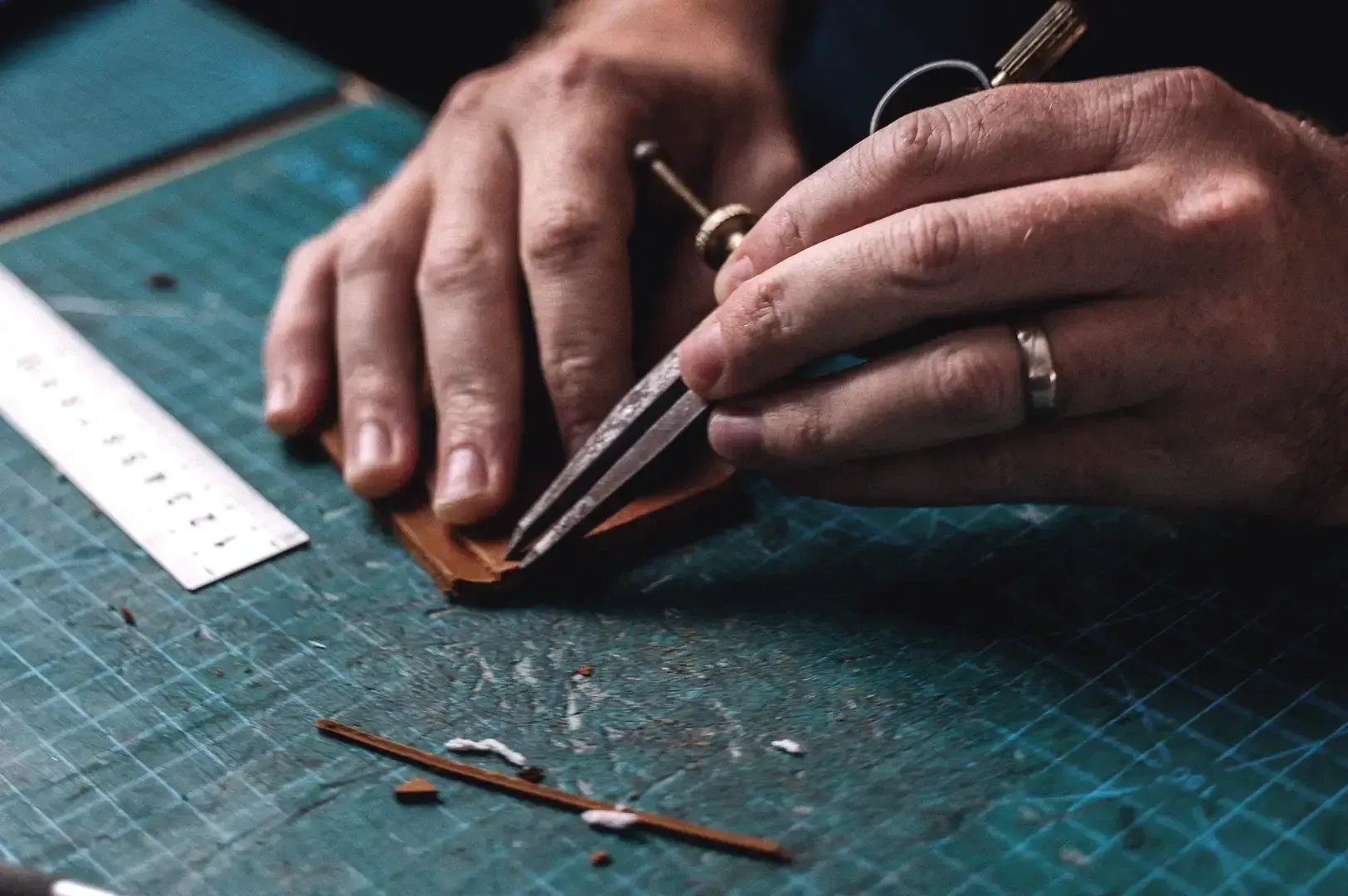
Then there is another kind of brand. Its logo is discreet, often hidden inside a pocket or stamped subtly on a small piece of hardware. Its products are identifiable not by a symbol, but by the quality of the material, the perfection of the stitching, the thoughtfulness of the design. Its stores are serene and its marketing is sparse, often relying on word of mouth from a devoted clientele. This brand does not shout; it whispers. It is confident that those who are meant to understand will. The first brand sells a logo. The second sells a philosophy of craftsmanship. One is a statement of wealth; the other is a statement of discernment.
This quiet approach is not a sign of weakness or timidity. It is a sign of immense confidence. It is the brand’s declaration that its product is so exceptional that it does not require a megaphone. The quality is the message.
The Courage of Restraint

Choosing a path of quiet success requires discipline and courage. In a noisy market, the temptation to shout along with everyone else is enormous. When competitors are launching flashy campaigns and making grand promises, the pressure to follow suit can be intense. Remaining understated is an act of defiance.
It is a discipline because it requires a relentless focus on the fundamentals. Instead of investing heavily in advertising, you invest in better materials, more rigorous training for your team, and refining your customer experience down to the smallest detail. It is the courage to believe that the slow, steady work of building something truly excellent will ultimately create more value than the fleeting attention gained from a loud campaign.
This philosophy is woven into the fabric of my own ventures. Our consulting firm has never advertised. Its growth has been fueled entirely by referrals from clients who have experienced the quality of our work firsthand. The value is not in our pitch, but in our execution. Our reputation is our marketing department.
Similarly, our dining concepts, from the precision of the omakase counter to the serenity of the tea room, are built around this idea. We do not chase trends or rely on promotional gimmicks. We focus on creating a perfect, consistent, and memorable experience for every single guest. We trust that this commitment to excellence is more persuasive than any discount or billboard. The quiet confidence of the experience itself is what brings people back.
When Mastery Speaks for Itself

There is a direct relationship between mastery and the ability to speak softly. A true master of any craft, whether a chef, an architect, or a business leader, rarely needs to announce their expertise. Their work does it for them. Their competence is so self-evident that it requires no external validation.
The novice is often loud. Lacking deep skill, they compensate with bravado and noise. They talk about their grand vision because they have not yet done the hard work to make it a reality. The master, on the other hand, is often quiet. They have already done the work. Their focus is on the craft itself, not on the perception of it. Their silence is not empty; it is full of experience.
This is the ultimate goal of a quiet brand. It aims to achieve a level of mastery in its chosen field so that its quality becomes undeniable. Its products and services become its ambassadors. Its customers become its advocates. The brand does not need to tell people it is the best; the experience tells them. This creates a more stable and authentic form of success. It is earned, not bought.
Building a quiet brand is a long-term game. It is a commitment to substance over spectacle, to clarity over volume, and to quiet conviction over loud proclamations. It requires patience and a deep belief in the value of what you are creating. It is the understanding that in a world saturated with noise, a clear, consistent, and confident whisper can be the most powerful voice of all. True legacy is not built by the brands that shout the loudest, but by those that have the confidence to let their excellence speak for itself.