


Conversations That Changed My Perspective

Bay San • February 26, 2026

We build our lives on a foundation of beliefs, assumptions, and experiences. This framework helps us navigate the world, make decisions, and understand our place within it. But every so often, a conversation comes along that strikes a crack in that foundation. It is not a dramatic shattering, but a subtle fissure that lets in a new light, a new perspective. These moments are rare and precious. They are the pivot points in our personal and professional timelines, the quiet dialogues that fundamentally alter the course of our thinking.


I have found that the most transformative conversations are rarely planned. They do not happen in boardrooms or scheduled meetings. They arise in the spaces in between, over a shared meal, during a long drive, or in the quiet aftermath of a negotiation. They require a certain vulnerability, an openness to being changed by another person’s words. Looking back, I can trace the most significant shifts in my own journey not to grand strategies or market changes, but to these quiet, unexpected encounters. They remind me that listening is not a passive act, but a courageous one.

The Architect's Question

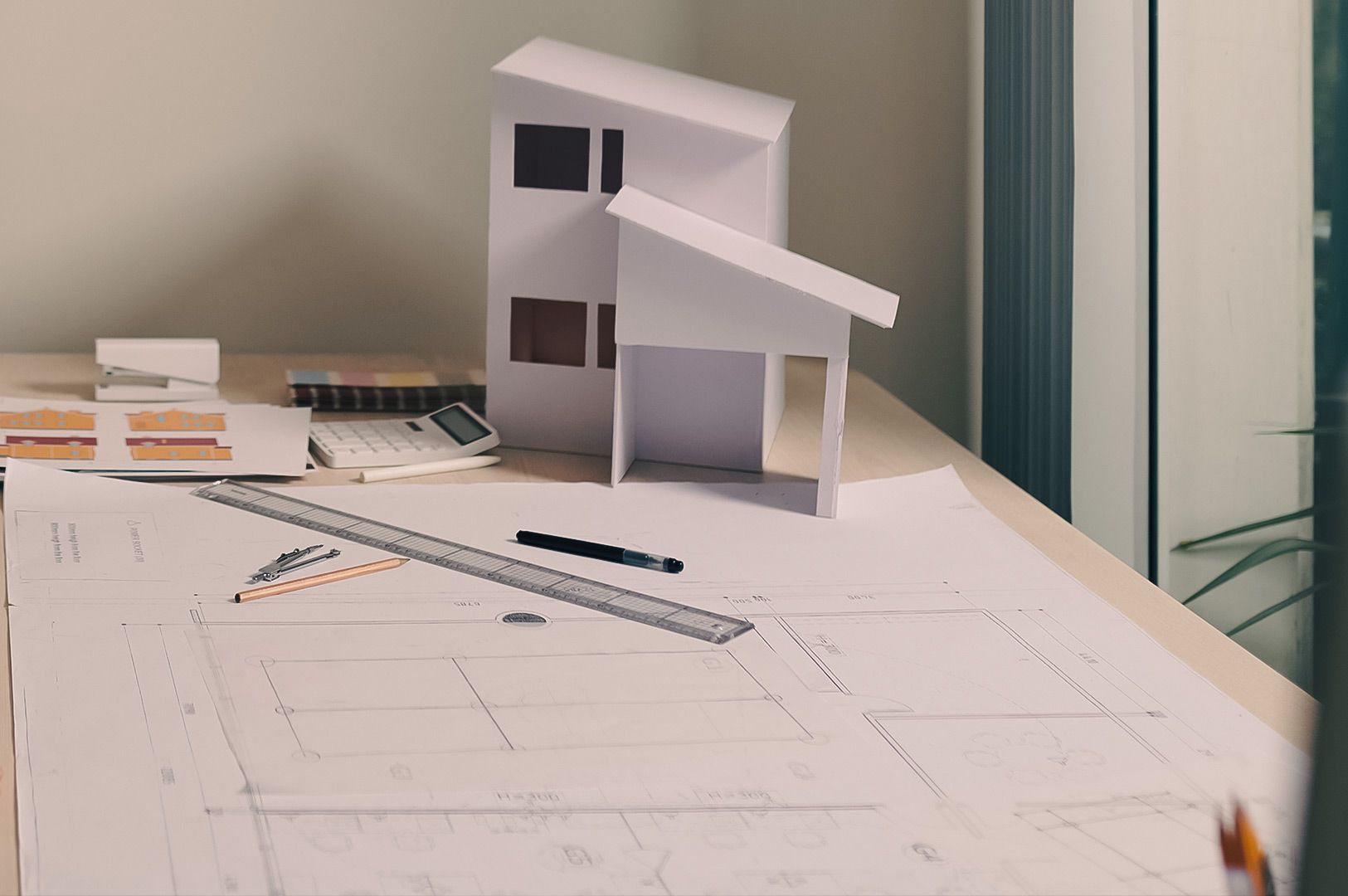
Architectural workspace with house models, blueprints, and drafting tools on a desk near a window.

Several years ago, I was in the final stages of acquiring a small, neglected hotel. The property had good bones but was rundown, and my plan was aggressive. I intended to gut the building completely, redesigning it from the ground up to fit the sleek, modern aesthetic of our other hospitality ventures. The numbers worked, the projections were strong, and I was confident in my vision.


The day before we were set to close the deal, I did a final walkthrough with the architect I had hired for the renovation. She was a woman known for her thoughtful, site-specific work, and I was eager for her to validate my plans. We walked through the dusty lobby, the dated rooms, and the overgrown courtyard. I spoke at length about my vision for a clean, minimalist space, pointing out walls to be demolished and structures to be replaced.


She listened patiently, her gaze taking in details I had overlooked: the gentle curve of an original staircase, the pattern of light filtering through an old leaded-glass window, the worn patina on the lobby’s terrazzo floor. When I finished my monologue, she did not respond with the enthusiastic agreement I expected. Instead, after a long moment of silence, she turned to me and asked a simple, devastating question.


“Instead of asking what you can turn this building into,” she said softly, “have you asked what this building wants to be?”

The Disruption of Thinking

Sunlight streaming through large windows, casting geometric shadows on a minimalist interior wall.

Her question stopped me in my tracks. It was so simple, yet it completely dismantled my entire approach. My focus had been entirely on imposing my will, on stamping my brand’s identity onto the structure. I saw the building as a blank canvas, a problem to be solved with a pre-existing solution. I had failed to see it as a partner in the creative process, as something with its own history, character, and integrity.


The architect’s question was not a criticism of my design taste; it was a fundamental challenge to my perspective as a creator. It suggested that true value is found not in imposing a vision, but in uncovering one. It implied that respect for what already exists is a more powerful creative force than the desire to create something entirely new. I had been so focused on making my mark that I had forgotten to listen.


That single question shifted everything. We delayed the renovation plans. I spent the next month visiting the property alone at different times of day, armed not with blueprints, but with a notebook and a quiet sense of curiosity. I began to see what the architect had seen. I noticed the way the morning sun warmed the east-facing rooms. I felt the inherent grace of the original layout. I understood that the building’s soul was not something to be discarded, but something to be restored.

The Influence on a Decision

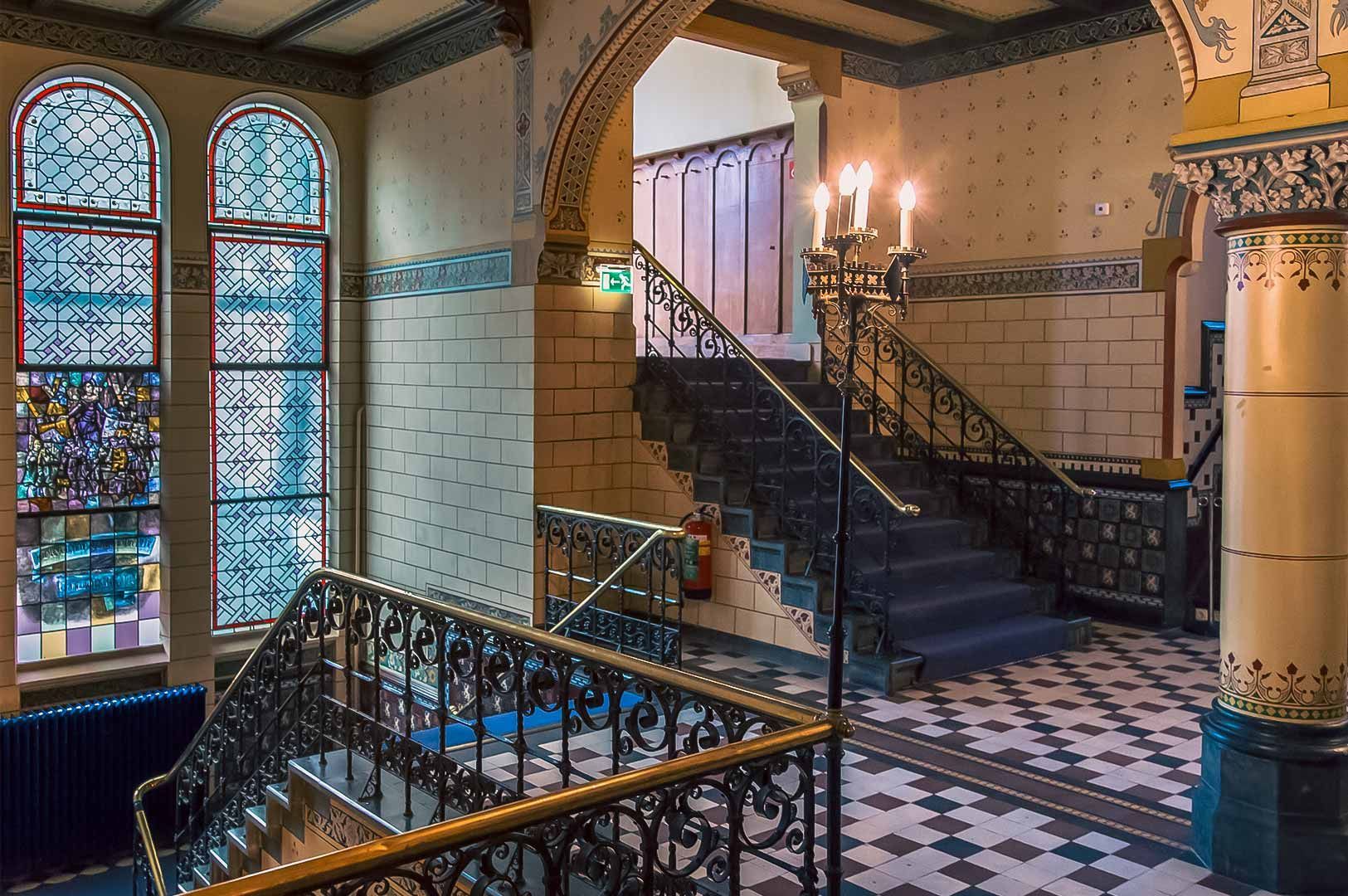
Vintage interior featuring tiled floors, ornate railings, stained glass windows, and a grand staircase.

This shift in perspective led to a complete overhaul of the project. We abandoned the plan for a total gut renovation. Instead, we embarked on a careful restoration. We repaired the terrazzo floor, refinished the original staircase, and worked with artisans to restore the old windows. We designed the new elements of the hotel to complement its existing character, not to erase it.


The resulting hotel was nothing like what I had originally envisioned. It was warmer, richer, and more deeply connected to its location. It had a sense of history and authenticity that could never have been manufactured. It quickly became our most beloved and critically acclaimed property. Guests did not just comment on the design; they commented on the feeling of the space. It felt, as one guest wrote, “like it had always been here.”


This experience had a lasting impact that went far beyond a single project. It changed how I approach every new venture, whether in property, education, or hospitality. I learned to begin not with my own answers, but with a period of deep listening. I learned to ask: What does this team need? What does this market want? What is the inherent strength of this situation that I can build upon?

The Courage to Be Changed

Business meeting with two professionals discussing documents in a modern office setting.

This brings me to a final reflection on the art of dialogue. We often enter conversations with our armor on, ready to defend our positions and advocate for our own ideas. We listen for the pause where we can jump in and make our point. This is debate, not dialogue. True dialogue requires a different kind of courage. It is the courage to be vulnerable, to admit you might not have all the answers, and to be open to the possibility that another person’s perspective might be more insightful than your own.


Letting someone else change your mind is not a sign of weakness; it is a profound act of strength and humility. It is an acknowledgment that growth comes from exposure to new ideas, not from the reinforcement of old ones. The most effective leaders I know are not those with the most strident opinions, but those with the deepest capacity for listening. They create environments where questions like the architect’s can be asked, where dissenting views are seen as a gift, not a threat.


I encourage you to seek out these conversations, to find the people who will challenge your thinking with grace and wisdom. And when you find them, I encourage you to do the hardest thing of all: listen. Truly listen. Listen with the intent to understand, not just to reply. You may find that a single, quiet question has the power to change everything.

Recent Posts

The book ‘The Art of Stillness’ by Pico Iyer placed beside a laptop in a calm, minimalist workspace.
By Bay San February 27, 2026
On the discipline of withdrawal: Iyer reveals that stillness is not escape but focus; choosing where attention goes. A reflection on strategic quiet.
Artisan shaping clay pottery on a wheel inside a rustic workshop filled with handcrafted ceramic pie
By Bay San February 24, 2026
On the unspoken knowledge that passes between master and student through observation, repetition, and material itself.
Hardcover book titled The Craftsman by Richard Sennett, shown standing upright with a black cover fe
By Bay San February 20, 2026
On mastery through practice: Sennett reveals that craft is not nostalgia but discipline; doing something well, for its own sake. A reflection on patient excellence.
Authority figure in suit guiding workplace discussion, clipboard in hand, colleagues engaged around
By Bay San February 19, 2026
Delegation isn't about offloading work. It's a strategic act of trust that shapes organizational culture and defines leadership legacy.
Busy night market with lit stalls selling clothes, striped tarpaulin covers, large umbrella, and neo
By Bay San February 17, 2026
What endures from travel beyond photographs? A reflection on markets, objects, and the stories we choose to carry home with us.
Minimalist book cover of The Laws of Simplicity by John Maeda displayed on a bright yellow backgroun
By Bay San February 13, 2026
On the power of restraint: Maeda's ten laws reveal that simplicity is not subtraction but strategic clarity. A reflection on doing less, better.
Image of a lone figure sitting in a slim vertical alley, leaning back with legs crossed, centered in
By Bay San February 12, 2026
On cultivating intentional solitude as a counterbalance to constant connectivity. A reflection on chosen withdrawal as essential practice for clarity and creation.
Bright, airy modern living room with curved light armchairs, dark round coffee table, teardrop wall
By Bay San February 10, 2026
How intentional curation becomes a personal language. On the difference between accumulation and meaningful collecting as self-expression.
By Robert Macfarlane February 9, 2026
On thinking with your feet: Macfarlane's walking journeys reveal that clarity comes through movement, not stillness. A reflection on embodied wisdom.
The image features the modern, curved architecture of Istanbul Medipol University's Kavacık South Ca
By Bay San February 5, 2026
Practical wisdom on creating organizations designed to thrive beyond you. On systems, succession, and the architecture of institutional longevity.
Show More