Curating Experience: Building a Personal Travel Philosophy

Bay San • May 14, 2026

The heavy brass key turns in the lock with a solid, satisfying click. I push open the thick wooden door of a small hotel room in Florence. The early morning light spills across the wide plank floor in sharp, bright angles. A single white linen towel rests on the edge of the bed, folded with absolute geometric precision. Outside the open window, a vendor arranges vegetables on a wooden cart. His hands move in a quiet, practiced rhythm that has likely not changed for decades. The steam from my small cup of black coffee briefly fogs the windowpane. In this room, time slows to a complete halt.

We are frequently told that travel is about accumulation. We are encouraged to see more, taste more, and capture more. The modern traveler is often exhausted, driven by a frantic need to consume a city before the flight home. But my most profound experiences abroad have always relied on the exact opposite approach. Meaningful travel requires deliberate curation. It is the quiet practice of designing an inner life through very specific external choices.


The Architecture of Intention

Building a travel philosophy requires deciding in advance what you are willing to ignore. Over the years, I have settled on a few quiet principles that guide my movement through the world. They act as a filter against the noise of endless recommendation lists.

I prefer to choose fewer neighborhoods and return to them deeply. Rather than crossing a massive city to see ten different districts, I will spend five days walking the exact same four streets. This repetition allows the architecture to become familiar. You begin to notice the subtle shift in light on the stone between morning and dusk. You stop navigating and start actually observing.

I also protect my quiet mornings as an absolute anchor. The world is softest before eight o'clock. I walk first, letting the rhythm of the pavement dictate the pace, and schedule my engagements later in the afternoon.

Furthermore, I anchor my days in repeatable rituals rather than endless culinary novelty. Finding a small, unassuming cafe and returning to it every single morning for a week builds a quiet relationship with the space. The barista learns your preference. You learn the cadence of the local regulars. You collect the texture of the environment rather than a superficial checklist of famous dining rooms.

The Standards We Carry

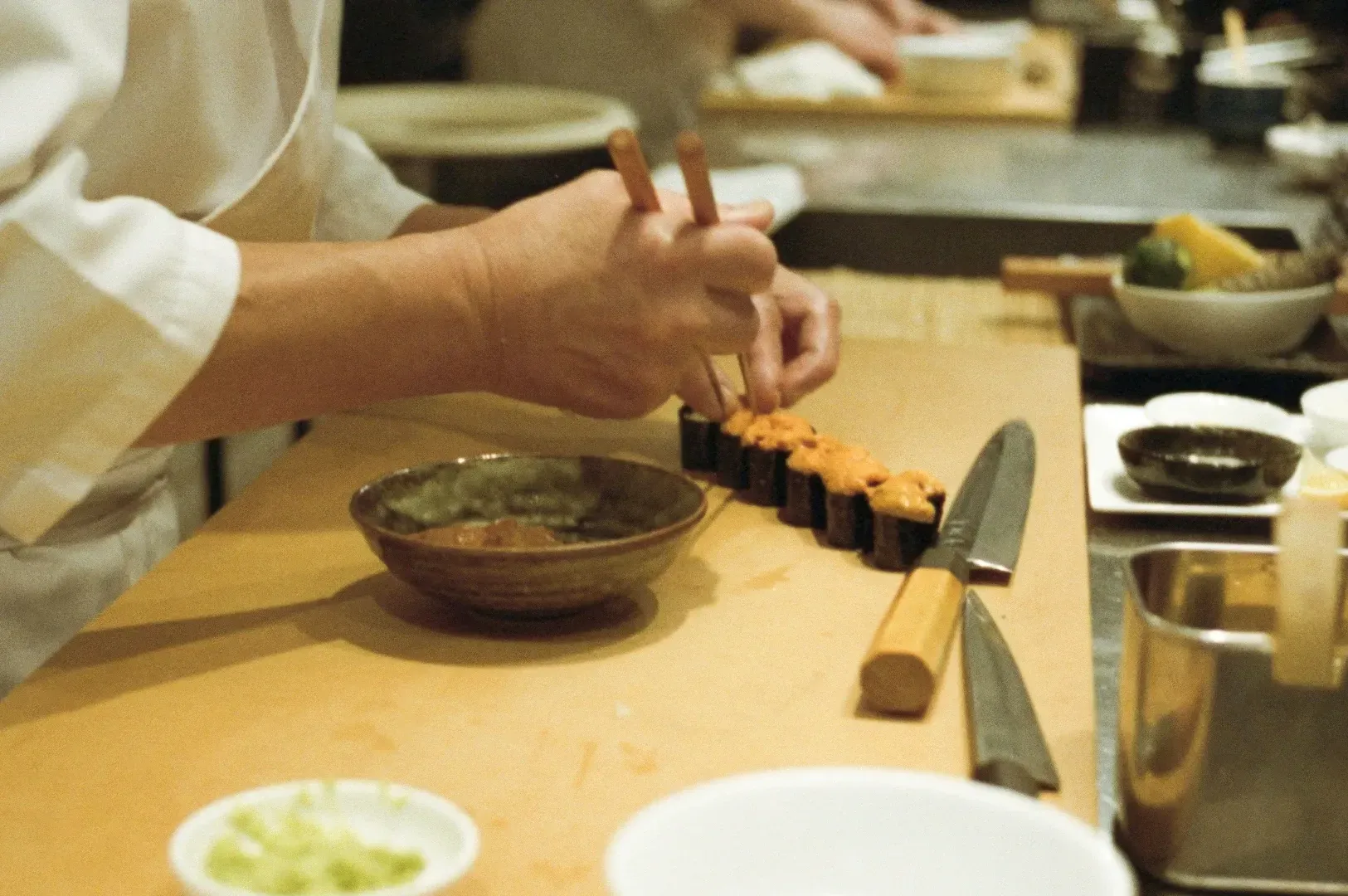
Close-up over-the-shoulder shot of a chef preparing sushi at a wooden counter with precision and craftsmanship, capturing immersive cultural dining and curated travel experiences in an intimate setting

This approach to curation borrows heavily from the realities of building an enterprise. Through years of overseeing operations in hospitality and education, I have learned a fundamental lesson about consistency. You must clearly identify what is worth preserving and what is allowed to change.

In the omakase restaurant, the specific fish served to a guest changes daily depending on the market. In the academy, the curriculum adapts to the shifting demands of the industry. The locations of our property investments vary wildly. These elements are entirely fluid. But the rigorous standards of our training, the quiet rituals of our service, and the uncompromising dedication to craftsmanship must remain completely fixed.

Travel functions in exactly the same way. The destination changes. The language spoken on the street changes. But the standard of your attention must remain fiercely protected. Curation is the act of carrying your highest internal standards into an unknown environment. When you apply the same disciplined attention to a foreign market stall that you apply to a major business negotiation, the world opens up in remarkably subtle ways. Consistency in how you observe creates deep meaning, regardless of the changing geography.


Cadence and Contrast

Different spaces teach us different cadences of attention, provided we are quiet enough to notice them. I think often of a small, wooden counter hidden in a narrow alley in Kyoto. It is past midnight. The air is thick with humidity and the rich scent of pork broth. The only sounds are the steady boiling of water and the hushed, rhythmic slurping of the patrons. The bowl is hot against my hands. The light is dim. It is a deeply intimate, solitary ritual that demands a soft, internal focus.

Compare this to the sharp clarity of a late afternoon in a Roman piazza. The sun casts long, dramatic shadows across the ancient cobblestones. I am seated outside, resting my hand on the cool iron of a patio chair. The bitter crema of an espresso lingers on my palate. The air rings with the bright clatter of porcelain cups and the rapid, musical cadence of loud conversation. It is a highly public, external ritual.

Both moments are perfectly engineered. Both are completely distinct. Curating your travel allows you to hold these contrasting textures in your mind, appreciating the unique mastery of each environment without needing to compare them.

The Art of Refusal

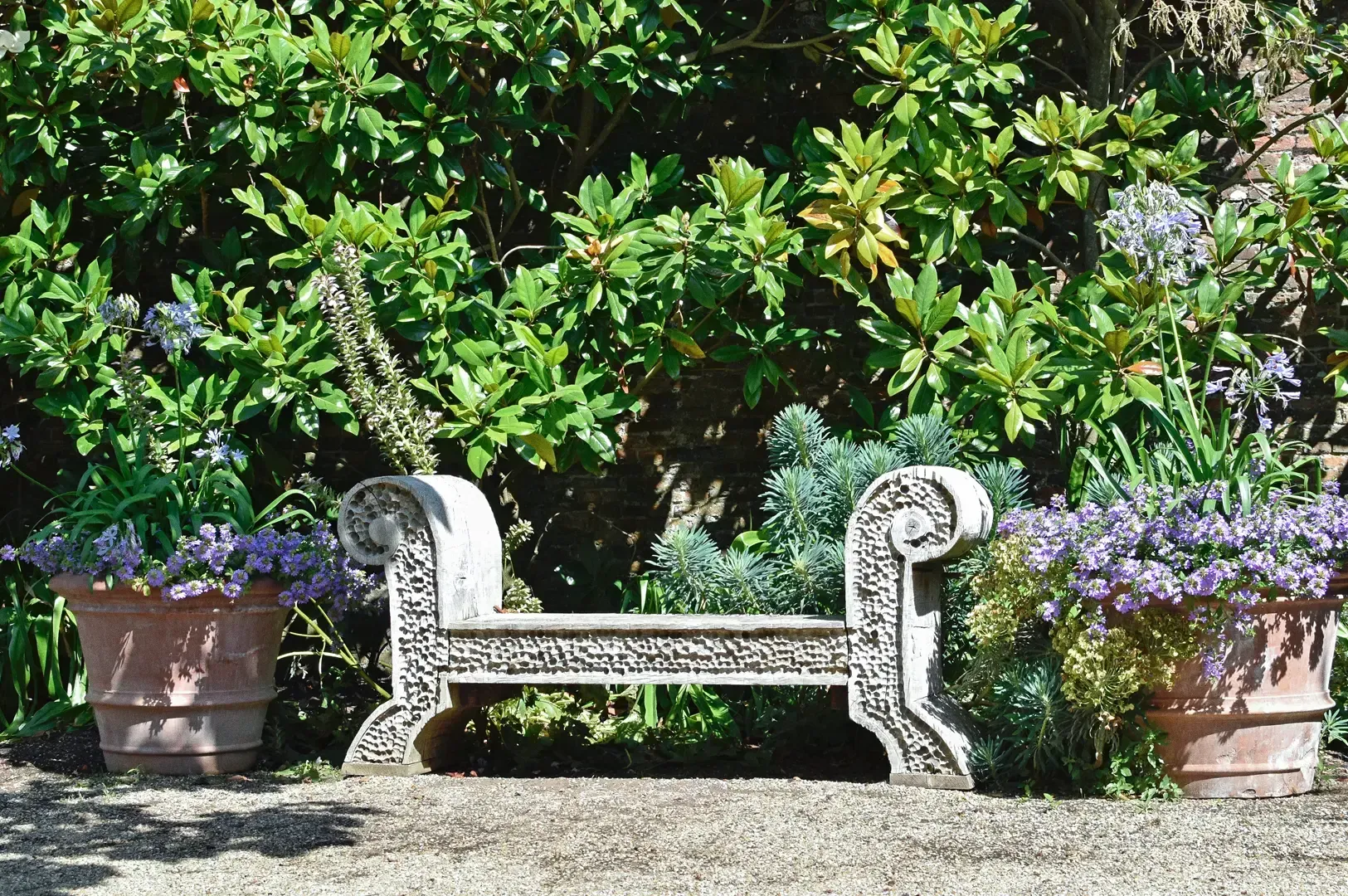
Eye-level wide shot of a carved stone bench surrounded by lush greenery and flowering plants in a quiet garden courtyard, illustrating slow travel, mindful observation, and curated peaceful outdoor experiences

A curated life inevitably requires the confidence to say no. Recently, I found myself walking near a famously celebrated cathedral in a major European capital. The line to enter stretched for three city blocks. The crowd was a frantic sea of glowing screens, impatient voices, and hurried itineraries.

I stood at the edge of the square for a moment, listening to the noise. Then, I turned around and walked in the opposite direction. I found a small, empty courtyard behind an unmarked wooden gate. I sat on a stone bench for an hour in total silence, watching the wind move through the leaves of an ancient olive tree.

Deliberately declining a famous attraction is not a form of austerity. It is a sophisticated expression of self-trust. It is the quiet realization that you do not owe your attention to a cultural monument simply because a guidebook demands it. You are allowed to protect your peace. You are allowed to choose the empty courtyard over the crowded masterpiece.


The Inner Landscape

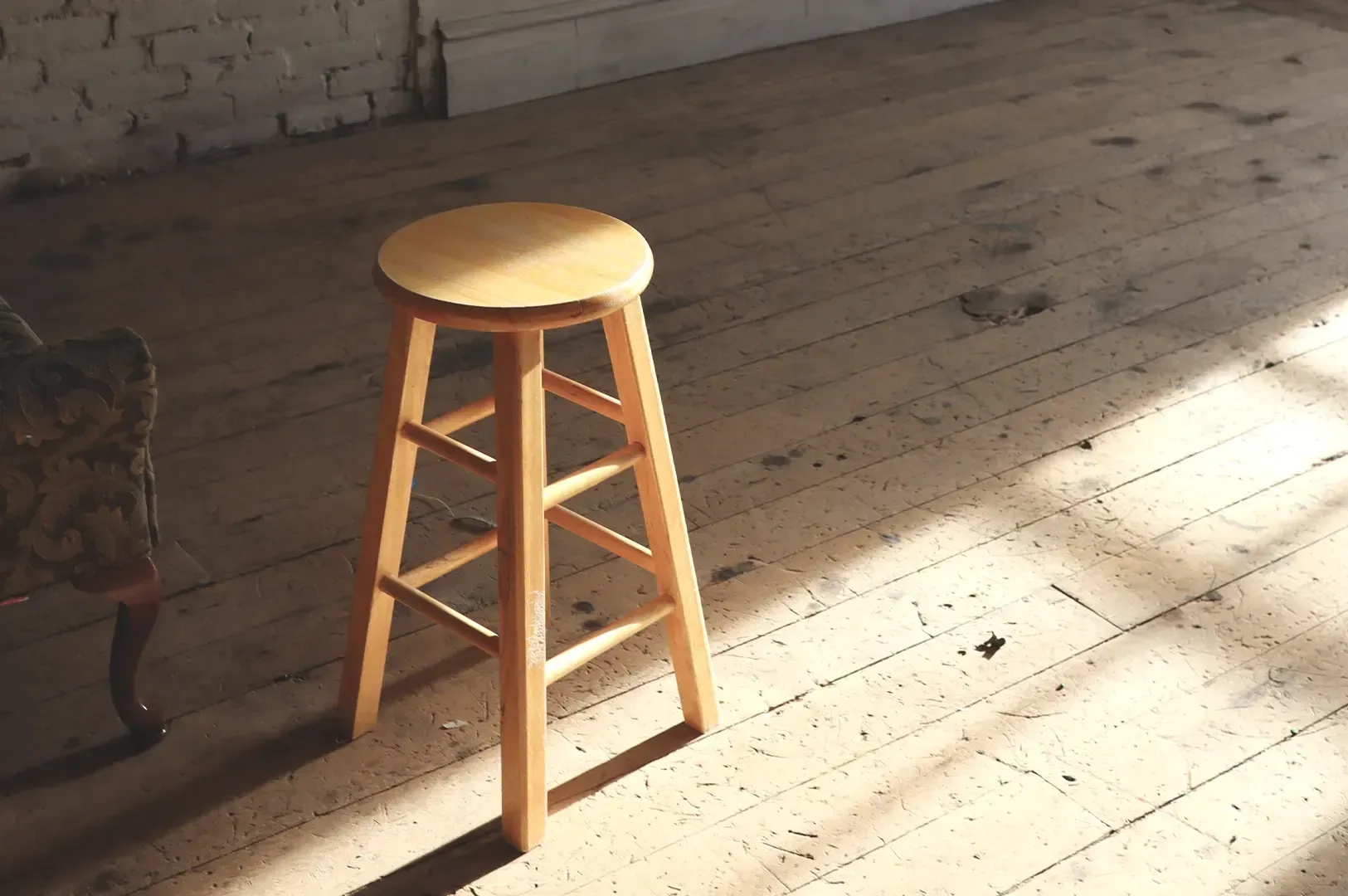
I finish the last sip of my coffee. The cup makes a soft sound as I place it back on the ceramic saucer. Outside the Florence window, the vegetable vendor has finished setting up his cart. He sits on a small wooden stool, resting his hands on his knees, perfectly content to wait for the morning to unfold.

We cross oceans and borders in search of beauty, assuming the world will simply hand it to us. But beauty requires a willing and disciplined observer. The way we choose to travel is never really about the cities we visit. It is a quiet, ongoing reflection of the standards we hold. When we curate our experiences with intention, we are not just designing an itinerary. We are carefully shaping the person we are becoming.

Recent Posts

Low-angle motion shot of a street cleaner sweeping a wet brick sidewalk with a broom, capturing quie
By Bay San May 26, 2026
Explore the moral texture of travel. Discover how to practice attention without entitlement and master the quiet discipline of being a respectful guest.
Flat lay overhead shot of “A Life Less Throwaway” by Tara Button on a white wooden surface, minimali
By Bay San May 22, 2026
Meta Description: Tara Button argues for repair over replace. A reflection on durability as discipline, and what it means to build a life that lasts.
Tight close-up side-angle of chef slicing raw fish with precision knife skills on wooden board highl
By Bay San May 21, 2026
Discover the true economics of craft. Quality is not a luxury signal, but the visible edge of invisible inputs, time, and uncompromising standards.
Wide-angle perspective shot of a modern glass corridor with strong leading lines representing struct
By Bay San May 19, 2026
Explore the quiet paradox of entrepreneurship. Discover why the most effective leadership often requires knowing exactly when to step back and follow.
Top-down flat lay shot of
By Bay San May 15, 2026
Discover how James Kerr's Legacy reveals the uncompromising principles behind enduring culture, proving that standards and humility always outlast hype.
Close-up high-angle shot of a professional writing in a journal beside a coffee cup, illustrating fi
By Bay San May 12, 2026
Financial discipline is not deprivation. Discover how quiet financial structures protect attention and create the conditions for lasting creative freedom.
Wall‑mounted copy of “The Great Good Place” by Ray Oldenburg displayed against a minimalist white wa
By Bay San May 8, 2026
Culture is engineered, not declared. Discover how Ray Oldenburg’s exploration of third places shapes our understanding of community, belonging, and business.
Sunlit woodworking workshop with organized tools, saws, and workbench furniture in a carpenter studi
By Bay San May 7, 2026
Discover how the quiet rules of craft shape the maker. Explore the discipline of preparation, repetition, and attention in a life of quiet mastery.
Macro low-angle shot of a luxury fountain pen with a gold nib resting on handwritten paper, highligh
By Bay San May 5, 2026
Explore how ordinary heirlooms become quiet vessels of inheritance. Discover how taste, discipline, and attention to detail pass across generations.
Straight-on eye-level shot of the book cover “Deep Work” by Cal Newport, showing minimalist typograp
By Bay San May 1, 2026
Focus is not a productivity hack; it is a structural advantage. Discover how Cal Newport’s rules for deep work shape business, craft, and quiet mastery.
Show More