Reading Rooms: Libraries and Bookstores as Travel Destinations
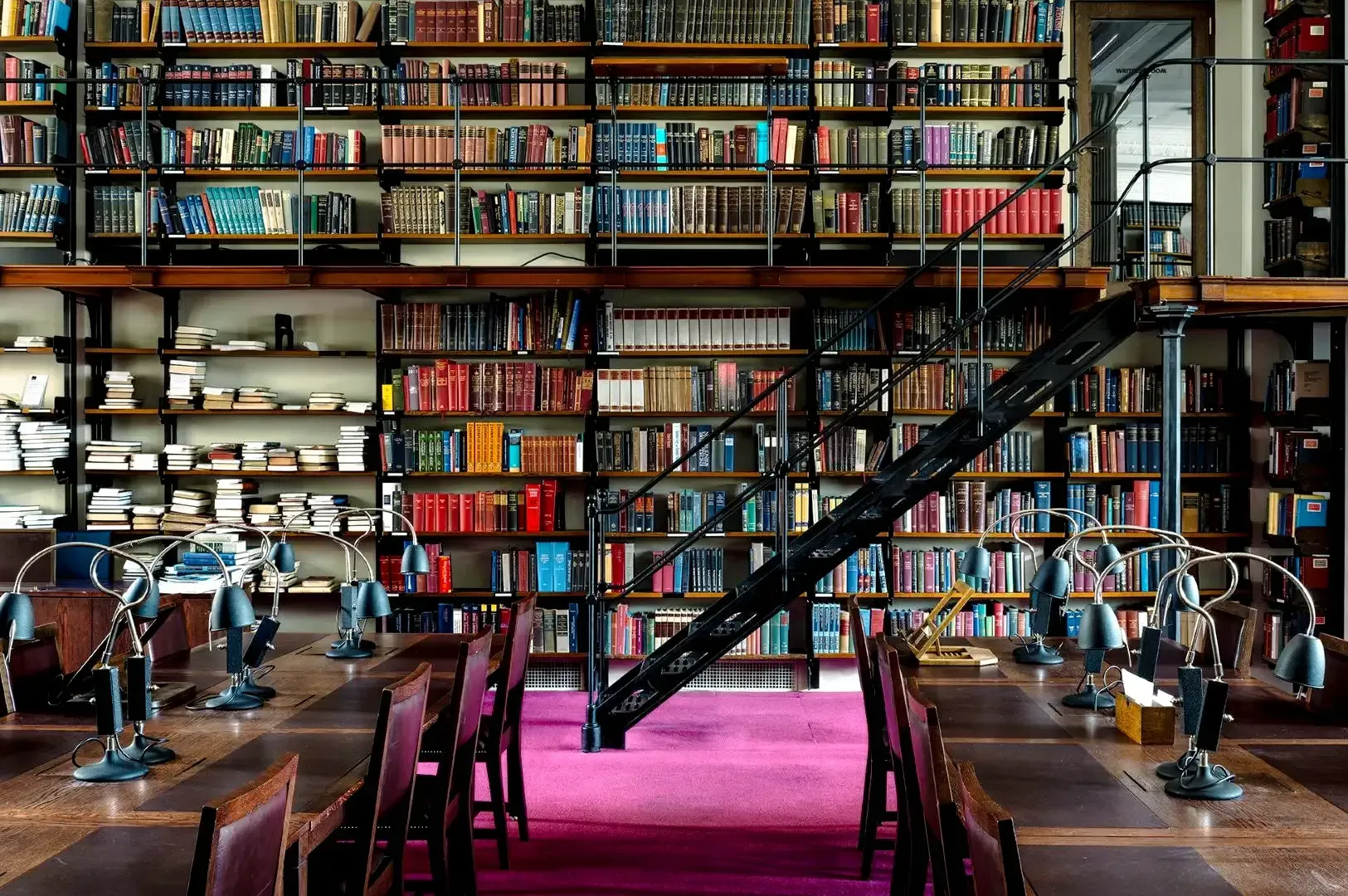
The light in the Boston Public Library does not just illuminate the room. It seems to have a weight of its own. It pours through the high, arched windows of Bates Hall, filtering through decades of dust motes dancing in the silence. The air smells of old paper, floor wax, and the damp wool of winter coats.
I stood there on a Tuesday afternoon, watching people work under the green lamps. A student slept with his cheek pressed against a textbook. An elderly man read a newspaper with a magnifying glass. A young woman typed furiously on a laptop. No one spoke.
In that silence, the city revealed itself more clearly than on any busy street corner. This was not a monument to be photographed. It was a living organ of the city, a place where the collective mind of Boston went to think.
When we travel, we usually seek out the loud places. We go to the markets, the plazas, the famous restaurants. We look for the energy of a place. But to understand the soul of a city, you must find where it goes to be quiet. You must find its reading rooms.
These spaces are not just repositories for books. They are anchors. They are where a culture decides what is worth remembering and how it wishes to be understood.
The Architecture of Silence
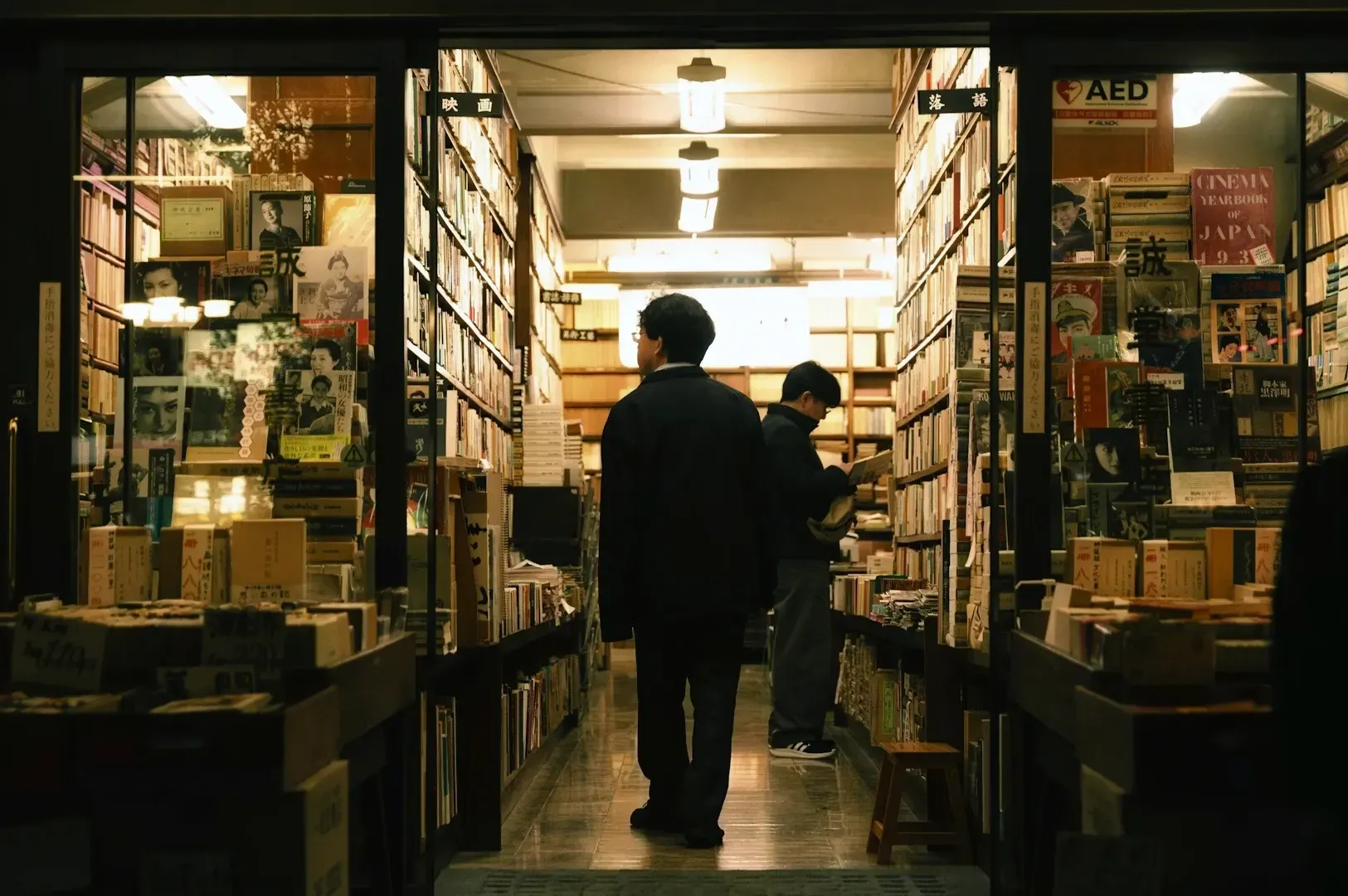
I have made it a ritual to visit at least one library or bookstore in every city I visit. It grounds me. It offers a pause in the relentless forward motion of travel. Here are a few that have lingered in my memory, not just for their collections, but for the specific feeling they cultivate.
Daikanyama T-Site, Tokyo

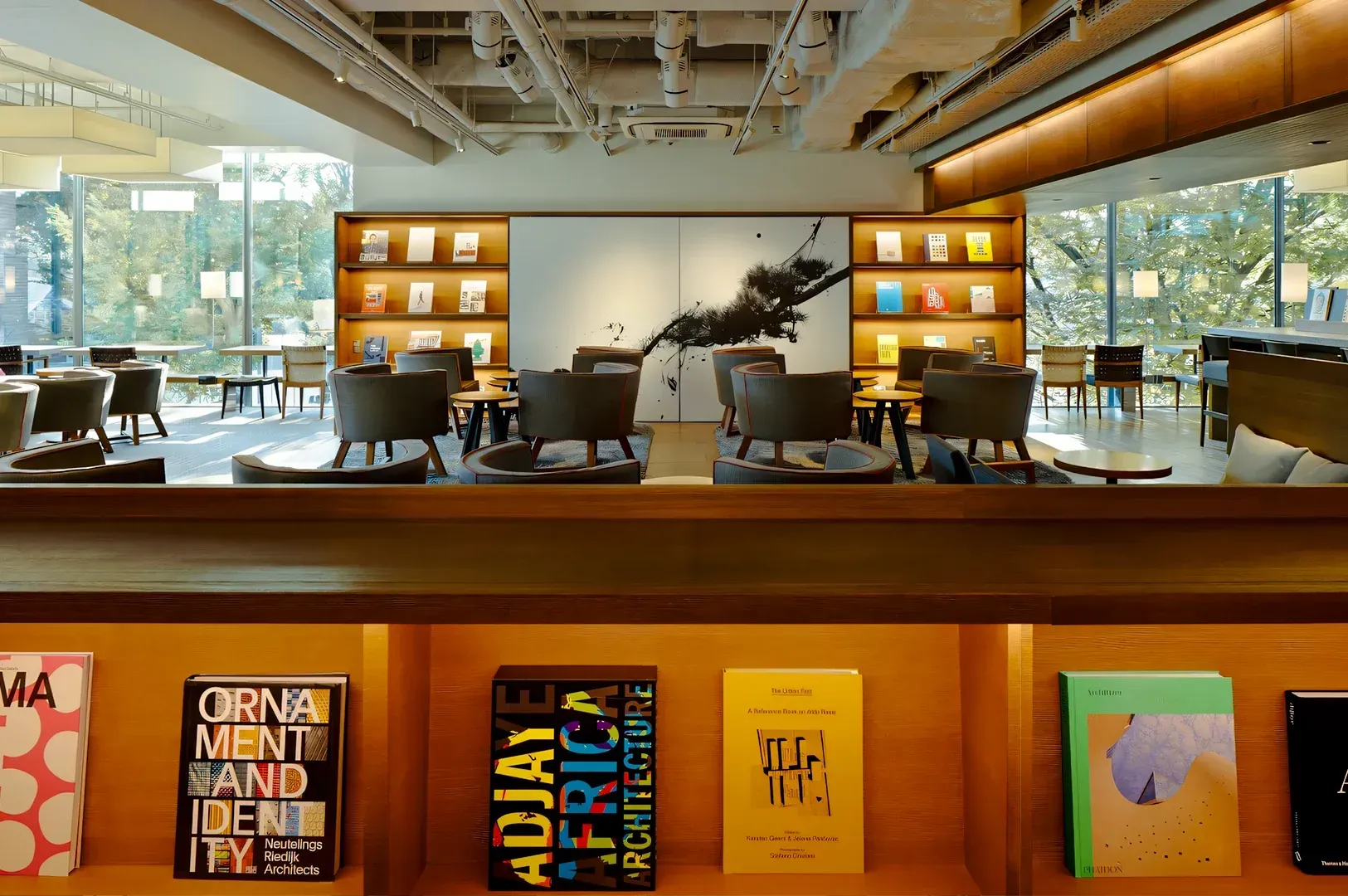
In Tokyo, a city that can feel like an endless stream of neon and noise, the Daikanyama T-Site is a sanctuary. It is technically a bookstore, run by the chain Tsutaya, but that word feels insufficient.
The architecture is modern, a lattice of white 'T' shapes that feels both open and protected. Inside, the lighting is warm and low. The shelves are not crammed. They are curated. There is a section dedicated entirely to vintage car magazines. Another for fountain pens.
What struck me most was the respect for the act of browsing. There are leather armchairs positioned by the windows. You are encouraged to sit, to read, to stay. It is a commercial space that does not feel transactional. It feels like a living room for a neighborhood that values precision and aesthetic calm. It taught me that in Japan, consumption can be a form of meditation if the environment is designed with enough care.
The London Library, London

If T-Site is the future, The London Library is the past preserved in amber. Tucked away in a corner of St. James's Square, it is a private lending library that feels like a labyrinth.
The floors creak. The metal stacks are narrow and smell of iron and leather. You can get lost in the "Science and Miscellaneous" section for hours.
I remember pulling a book from a shelf in the back stacks; a history of English gardening from 1920. It had not been checked out in forty years.
Holding it felt like shaking hands with a ghost. The London Library reveals a British reverence for continuity. It is a place that says:
We do not throw things away just because they are old. We keep them because they might be useful again.
Shakespeare and Company, Paris

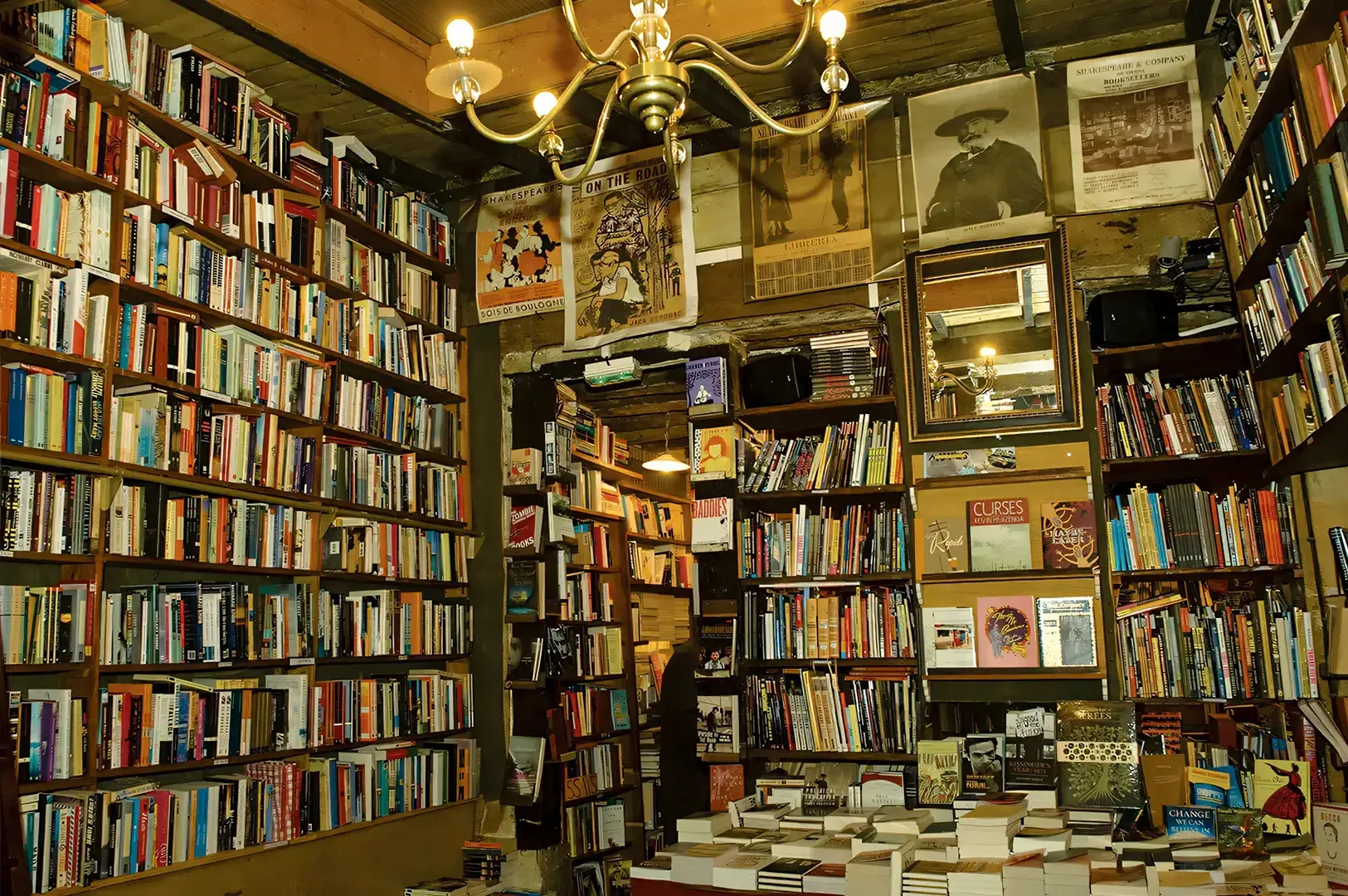
It is a cliché to list it, but the reality of Shakespeare and Company defies its tourist trap reputation if you go at the right time. I went early on a rainy morning, before the lines formed.
The space is chaotic, cramped, and undeniably romantic. Books are piled on uneven surfaces. The beams are low. It feels like the inside of a writer's distracted mind.
Upstairs, I found a small reading nook with a window overlooking the Seine. Someone had left a note tucked into a copy of
The Stranger. It was a poem, written in pencil, about leaving home.
It was a reminder that this bookstore has always been a waystation for the displaced, the dreamers, the Americans in Paris looking for a reflection of themselves.
It is less a store and more a communal diary.
The Moment of Discovery

It was in a small, dusty bookshop in Lisbon that I understood why I do this. The shop was called Bertrand, which claims to be the oldest operating bookstore in the world. I was wandering through the vaulted brick rooms when I found a section of Portuguese poetry translated into English.
I picked up a volume by Fernando Pessoa. I knew the name, but I had never read him. I opened to a page at random.
"I am nothing," it read. "I shall always be nothing. I cannot wish to be nothing. Aside from that, I have in me all the dreams of the world."
I stood there for twenty minutes, reading. The noise of the tourists outside faded. The smell of the coffee from the café in the back drifted in. In that moment, Lisbon stopped being a collection of tiled buildings and hills. It became a city of longing. Pessoa's melancholy, his saudade, unlocked the mood of the streets I had been walking for days.
I bought the book. I carried it with me for the rest of the trip. Every time I sat in a square or rode the tram, I read a few lines. The city and the book became inseparable. That is the gift of the reading room:
it gives you the language to understand the place you are visiting.
Institutions of Memory

As someone who builds institutions, I look at libraries and bookstores with a specific curiosity. I want to know how they balance the weight of their history with the needs of the present.
A library is a statement of values. When a city builds a grand central library, it is saying that knowledge belongs to everyone. When a neighborhood protects a small independent bookstore, it is saying that curation matters more than algorithms.
I see the tension between accessibility and preservation. In the grand reading rooms of New York or Paris, there are guards and rules. Silence is enforced. The books are protected behind glass. This creates an atmosphere of reverence, but also of distance.
Contrast this with a place like the calm, open-air reading pavilions I saw in a park in Taipei. There were no walls. Just shelves of books that anyone could take and read on a bench. It suggested a high-trust society, a culture where reading was as natural as breathing fresh air.
Both approaches are valid. Both teach us something different about the people who built them.
The Quiet Destination
We are often told that travel is about new experiences. We are told to go paragliding, to eat exotic foods, to climb mountains. These are worthy pursuits.
But there is a profound adventure in sitting still in a room full of books in a foreign city. It is an adventure of the interior.
You watch the locals. You see what they are reading. You see how they treat the books. You see the students studying for exams that will determine their futures. You see the old friends meeting for a whispered conversation in the stacks.
You are witnessing the intellectual life of the city. You are seeing the hardware of its memory.
Next time you travel, skip one museum. Skip one famous landmark. Instead, find the oldest library in the city. Or find the newest, most design-forward bookstore.
Walk in. Smell the paper. Find a chair. Sit down.
Do not look at your phone. Just watch. Just listen.
You might find that the quietest room in the city is the one that speaks to you the most loudly.