


The Philosophy of Endurance in Entrepreneurship

Bay San • April 16, 2026

Someone asked me recently how I’ve kept going. The question was simple, posed over a quiet dinner, but it has stayed with me. It wasn't about a specific success or a recent project, but about the sheer fact of duration. In a world that celebrates the sprint: the launch, the funding round, the exit, the question was about the marathon.  It was about what it takes not just to start, but to continue.


I’ve been thinking about endurance a lot lately. Not the dramatic, grit-your-teeth kind of survival, but the quieter, more sustainable form. The kind that allows you to show up for your work, for your people, and for your own vision, year after year, decade after decade. The entrepreneurial journey is often framed as a series of intense, high-stakes moments. But the truth, as any long-term builder knows, is that the real work happens in the vast, unglamorous stretches between those moments. It happens on the plateaus. And navigating those plateaus requires a different kind of strength, one that has little to do with intensity and everything to do with endurance.


This isn't a letter about how to succeed. It's a letter about how to last.

The Long Winter

Professional working on a tablet at a wooden desk with documents spread out and large windows showing a snowy outdoor landscape.

I remember a period, about ten years into my first consulting business, that I now think of as "the long winter." On the surface, things were fine. The firm was stable, our clients were satisfied, and we were profitable. But a subtle weariness had set in. The initial thrill of building had faded, replaced by the relentless demands of managing. The work, which had once felt like a calling, now felt like a heavy responsibility.


A major client, one that represented a significant portion of our revenue, underwent a leadership change and abruptly ended our long-standing contract. The financial hit was immediate and painful, but the psychological blow was worse. It felt like a repudiation of years of good work. Doubt began to creep in. Was this all there was? Had we reached our peak? Was it time to sell, to move on to something new and exciting? The temptation to pivot, to start another sprint, was immense.


That winter tested my endurance in a way no crisis had before. It wasn't a fire to be put out; it was a slow, grinding erosion of spirit. Getting through it required not a burst of heroic effort, but a quiet, stubborn refusal to give in to the entropy. It required showing up every day, especially on the days I didn't want to, and focusing on the smallest, most immediate tasks: making the next phone call, reviewing the next document, having the next difficult conversation with my team. It was a lesson in the profound power of just continuing. We didn't solve the problem with a single brilliant move. We endured it, one ordinary day at a time, and in doing so, we slowly, almost imperceptibly, built our way out of it.

Intensity vs. Endurance

Person sitting at a desk in a dark office illuminated by computer screens, surrounded by rows of empty workstations.

Early in our careers, we are taught to value intensity. We pull all-nighters, we celebrate "hustle," we wear our exhaustion like a badge of honor. Intensity is seductive. It produces visible results, and it feels heroic. It can win a pitch, launch a product, or get you through a crisis. But intensity is a finite resource. It is the energy of a sprinter. You cannot build an institution on intensity alone; you will burn out.


Endurance is a different form of energy. It is quieter, deeper, and more deliberate. It is the steady, rhythmic breathing of a marathon runner, not the gasping lunges of a sprinter. Intensity is about how much force you can apply at a single point in time. Endurance is about how you manage your energy over the long arc of time.


Building a business that lasts is a marathon. It has moments that require a sprint, but the race is won through consistent, measured pacing. This requires a fundamental shift in mindset. You must stop seeing your work as a series of emergencies to be solved and start seeing it as a long-term practice to be cultivated. You must trade the adrenaline of the sprint for the quiet satisfaction of incremental progress.

The Architecture of Stamina

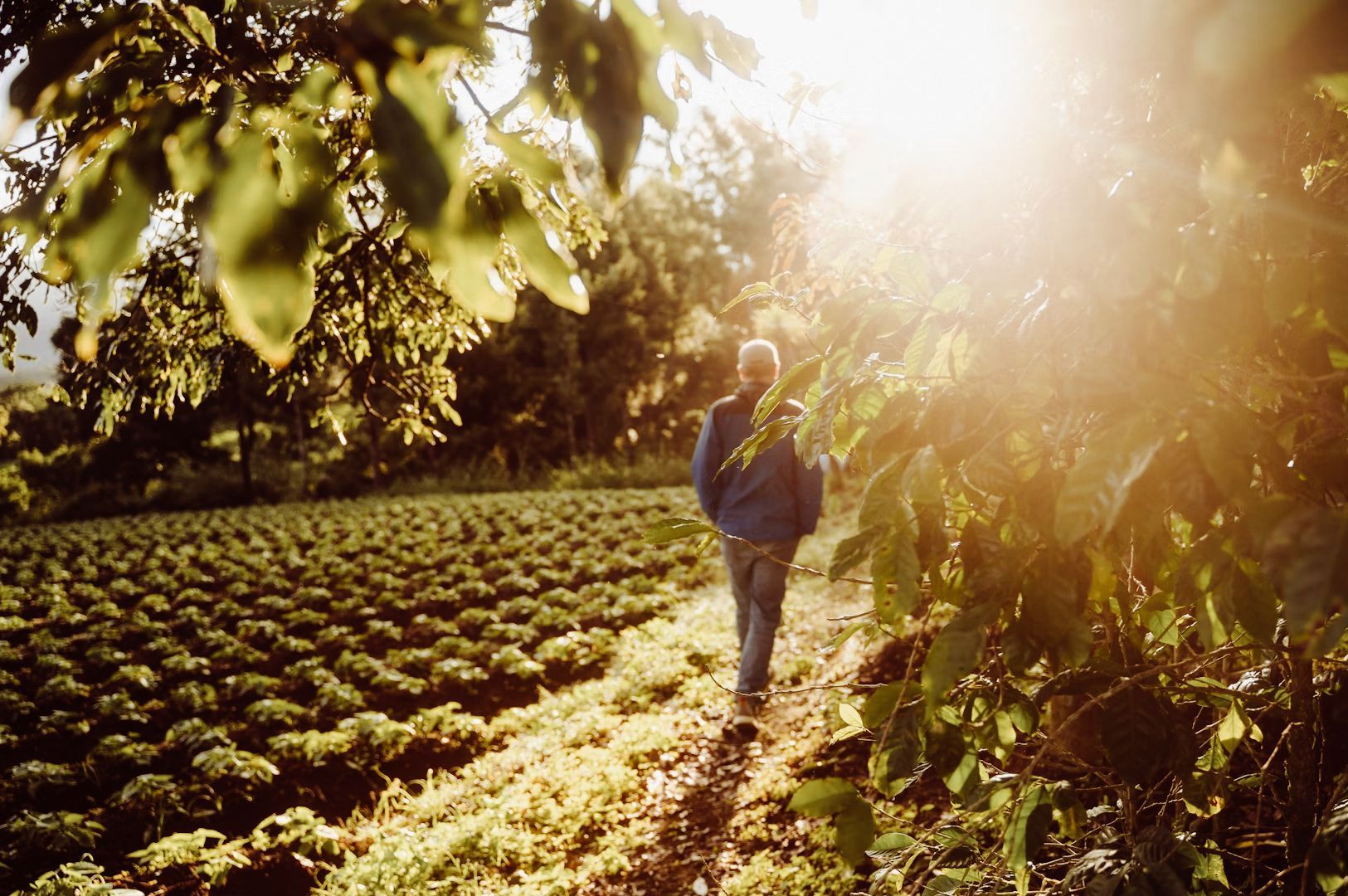
Person walking along a path beside a lush green farmland during sunrise with warm golden light filtering through the trees.

My perspective on this has been deeply shaped by owning property in different countries. There is a specific intimacy that comes with stewardship. When you own a home, even one you only visit for part of the year, you cannot remain a passive observer. You are forced to engage with the machinery of the location.


Dealing with a strata council in Sydney or navigating property taxes in Europe strips away the romance of travel and replaces it with reality. This might sound unappealing, but it is incredibly grounding. It teaches you about the bureaucracy, the legal frameworks, and the values of a society. You learn what a culture protects and what it neglects.


More importantly, it changes your relationship with the community. You are no longer a transient source of revenue; you are a neighbor. You have a stake in the street being clean, the local businesses thriving, the noise levels being respectful. This shift from consumer to stakeholder alters your psychology. You stop asking, "What can this place give me?" and start asking, "How do I fit into this place?" It is a lesson in the architecture of daily life; understanding that a city is not built for tourists, but for the people who endure its winters, pay its taxes, and sweep its sidewalks.

Recent Posts

Traveler with a backpack looking at a modern city skyline with tall buildings on a cloudy day.
By Bay San April 14, 2026
Depth, not breadth, defines meaningful travel. A meditation on slow travel, extended stays, and discovering a place by inhabiting it rather than touring it.
Straight-on product shot of the book cover “Zen and the Art of Motorcycle Maintenance” by Robert M.
By Bay San April 10, 2026
Quality is not an accident; it is a discipline. Discover how Pirsig's meditation on maintenance shapes our approach to business, craft, and quiet mastery.
Person working at a forge with flames rising from the furnace inside a workshop.
By Bay San April 9, 2026
True mastery resists recognition. A reflection on pursuing excellence quietly, without ego, and why ordinariness is the most courageous choice.
Three-quarter angle product shot of The Book of Joy by the Dalai Lama and Desmond Tutu, showing mult
By Bay San April 8, 2026
Joy is not a fleeting emotion but a disciplined practice. Discover how two spiritual leaders offer a framework for resilience in business and life.
Open lined notebook with a green fountain pen beside a Tomoe River notebook on a wooden desk.
By Bay San April 7, 2026
How ordinary objects become vessels of meaning through ritual and attention. Reflections on infusing the everyday with the sacred through consistency.
Close-up of two professionals shaking hands across a desk, symbolizing partnership, agreement, or su
By Bay San April 2, 2026
Building a sustainable business requires more than passion, it demands intentional structure aligned with your deepest values. Reflections on the balance.
Close-up of a ceramic bowl filled with grilled bamboo shoots drizzled with sauce, with wooden chopst
By Bay San March 31, 2026
How regional dishes carry the history and character of their origins. Reflections on experiencing the distilled essence of place through authentic cuisine.
Book titled ‘Wabi-Sabi for Artists, Designers, Poets & Philosophers’ on a blue background, featuring
By Bay San March 27, 2026
On embracing imperfection: Leonard Koren's meditation on wabi-sabi offers a framework for creation that honors transience over permanence. A reflection on building with constraint.
A chef preparing food at a market stall using wooden cooking tools, with trays and equipment arrange
By Bay San March 26, 2026
The qualities that distinguish exceptional educators from the merely competent. Reflections on presence, patience, and the art of transformative teaching.
A close-up of a hand using a metal trowel to spread plaster or cement over a wall covered with reinf
By Bay San March 24, 2026
How contemporary makers honor traditional craftsmanship while embracing evolution. Reflections on building upon heritage with intention and discernment.
Show More