The Sacred in the Everyday: Objects of Ritual and Meaning
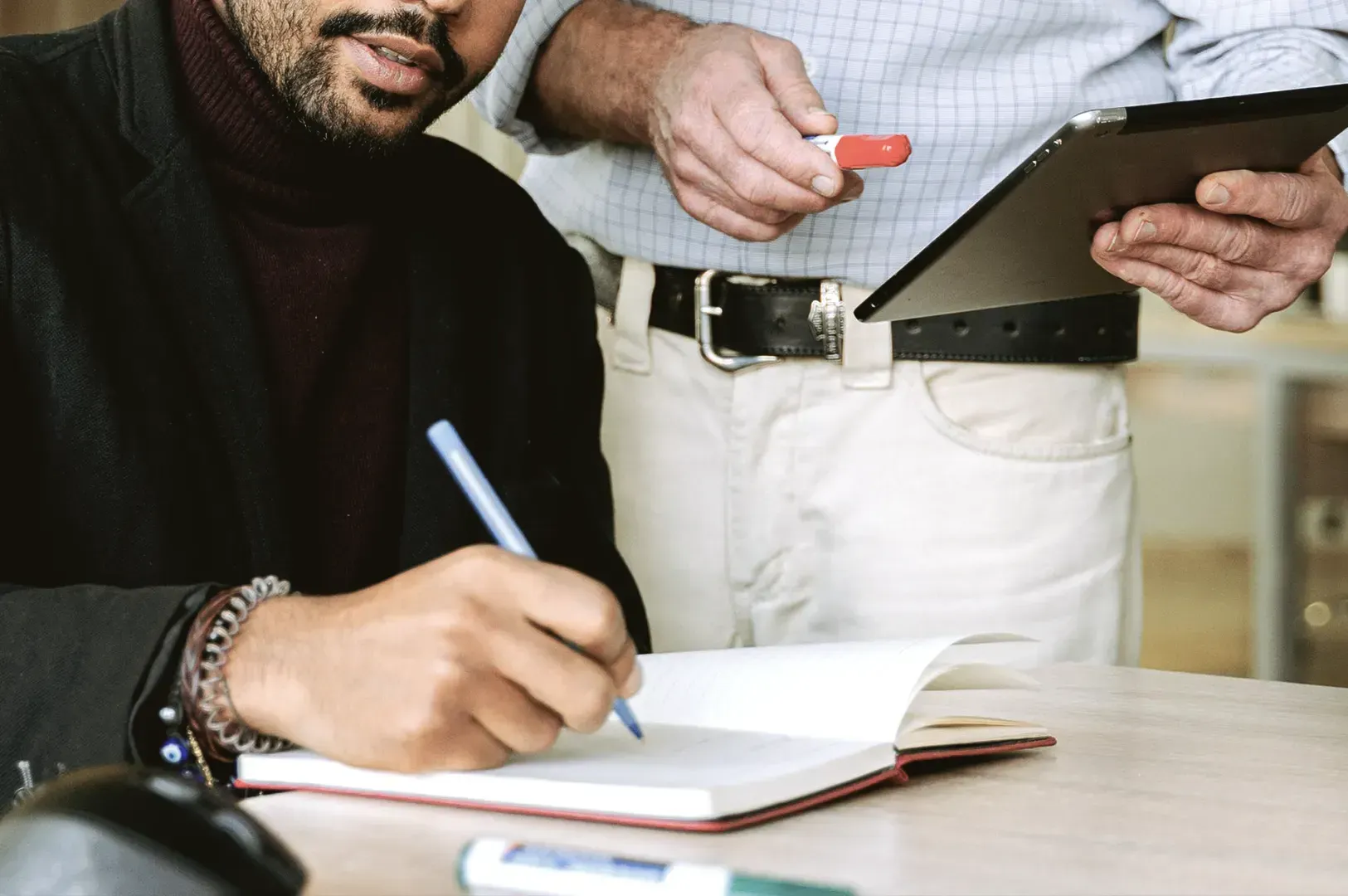
The morning begins not with an alarm, but with the quiet weight of a specific pen. It is a simple fountain pen, its black resin body worn smooth from years of use. Before the day’s demands begin, I sit with this pen and a notebook of unlined paper. The ritual is always the same: unscrewing the cap, the faint scent of ink, the gentle scratch of the nib as it makes its first mark.
The thoughts captured are secondary to the act itself.
This object, through daily repetition, has become an anchor. It is a tool not just for writing, but for gathering my own attention.
The Quiet Alchemy of Daily Ritual

We often seek the sacred in grand gestures: in cathedrals, on mountaintops, during formal ceremonies. Yet, I have found that a more profound and sustainable form of sacredness emerges from the mundane, from the quiet elevation of everyday objects through consistent ritual. An ordinary thing, when chosen with intention and used with care, ceases to be ordinary. It becomes a vessel for meaning.
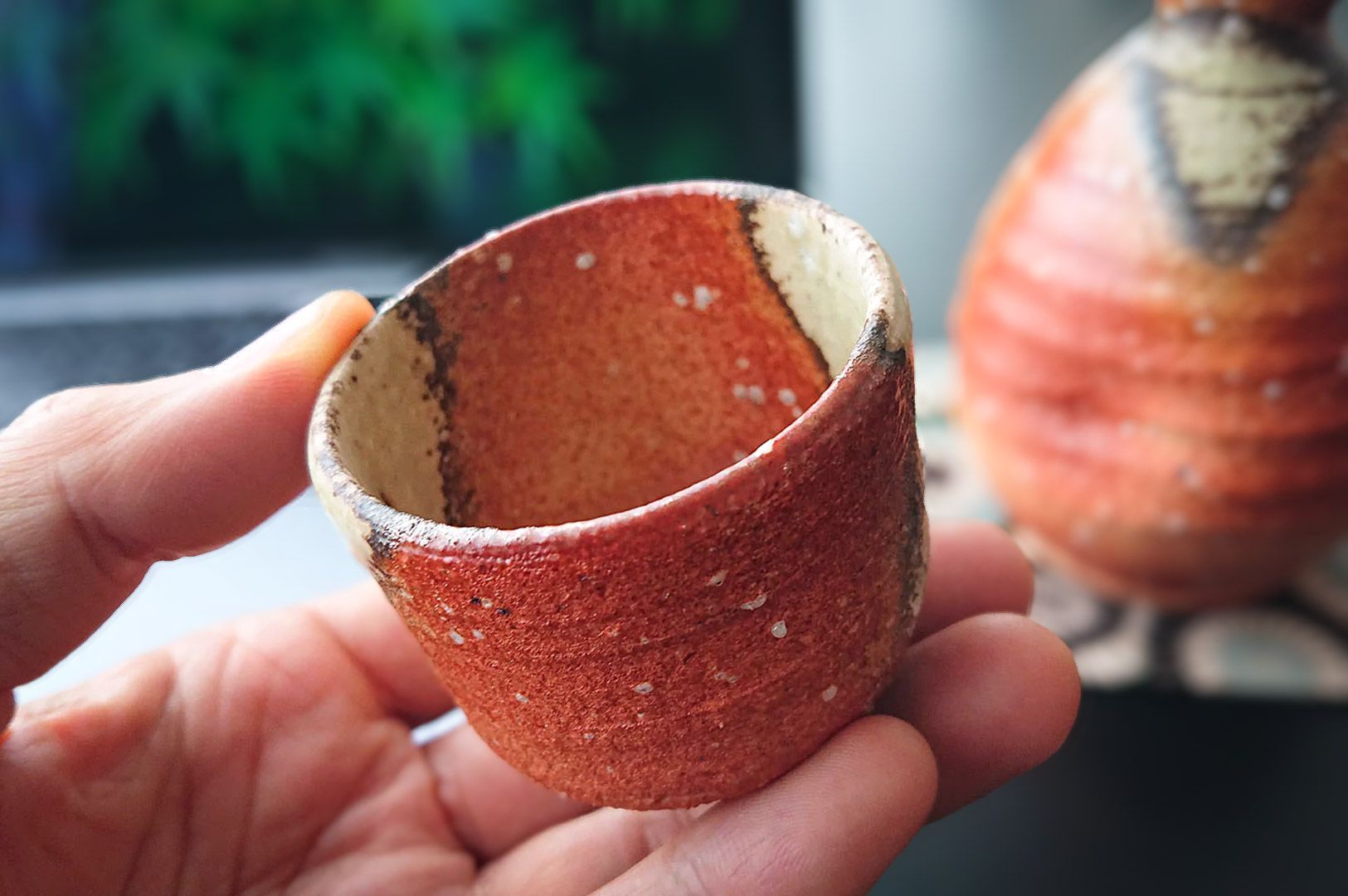
My favorite teacup is a simple, unadorned piece of Shigaraki ware, its surface coarse and earthy. Its value is not in its price or rarity, but in the thousands of mornings it has warmed my hands. Its slight imperfections are as familiar as my own handwriting. Through the ritual of preparing and drinking tea, this cup has been imbued with the memory of quiet contemplation. It is more than ceramic; it is a repository of stillness.
Linen napkins on the breakfast table, smoothed between my fingers, carry the scent of sunlight and soap after their weekly laundering. A familiar chair by the window, molded to the curve of the spine, becomes more than a place to sit; it is a threshold to reflection. Over time, these objects accumulate tiny habits and fleeting moments, quietly holding the texture of days gone by.
Meaning Made Through Attention

The transformation from object to vessel happens slowly. It is not inherited with the price tag or the brand, but with the daily, undistracted attention we pay as we engage with it. There is a gravity to the repetition; a way in which even the most modest thing, used with regularity and presence, becomes a mute witness to our lives. The ordinary becomes infused with intention.
There are mornings when the act of setting the table feels weary, perfunctory. Yet, even then, the ritual persists. The napkin folded just so, the cup cradled in two palms, the pen tapped twice before uncapping. In these tiny acts, care accumulates; a wordless continuity that outlasts the mood or the passing stresses of the day.
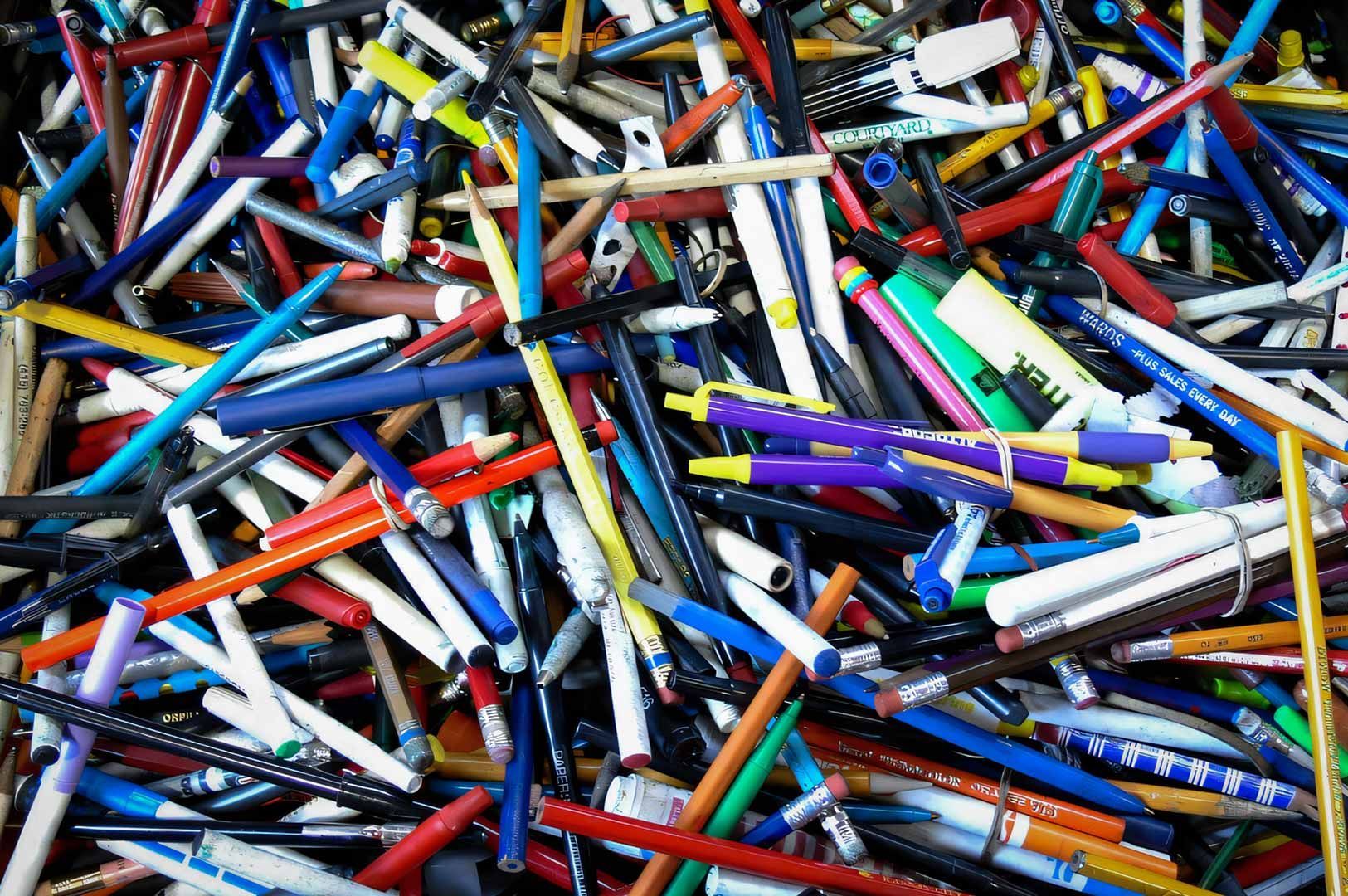
I have seen how, in the absence of ritual, objects drift into anonymity. A drawer of unused pens, a chipped mug relegated to the back of the cupboard, a chair forgotten in the corner. Their potential for meaning withers not from age or imperfection, but from neglect.
Objects as Intentional Companions

My daily objects are not precious in the collector’s sense, but in the way of being used and noticed. The pen collects traces of ink and memory; the notebook gathers the fingerprint of every morning. With each use, a layer of intimacy forms; a history that is written not in dramatic moments but in the simple return, again and again, to the familiar.
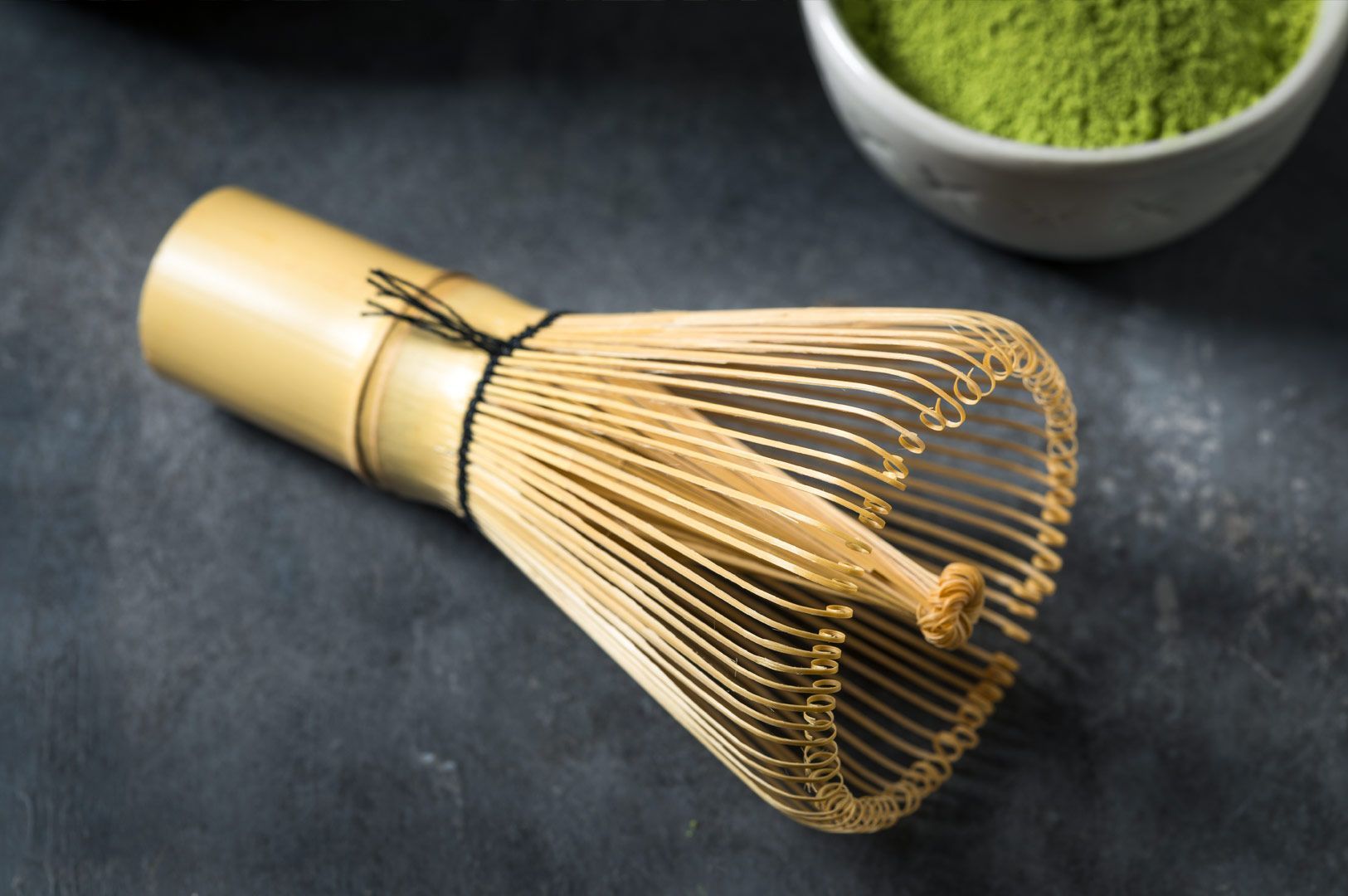
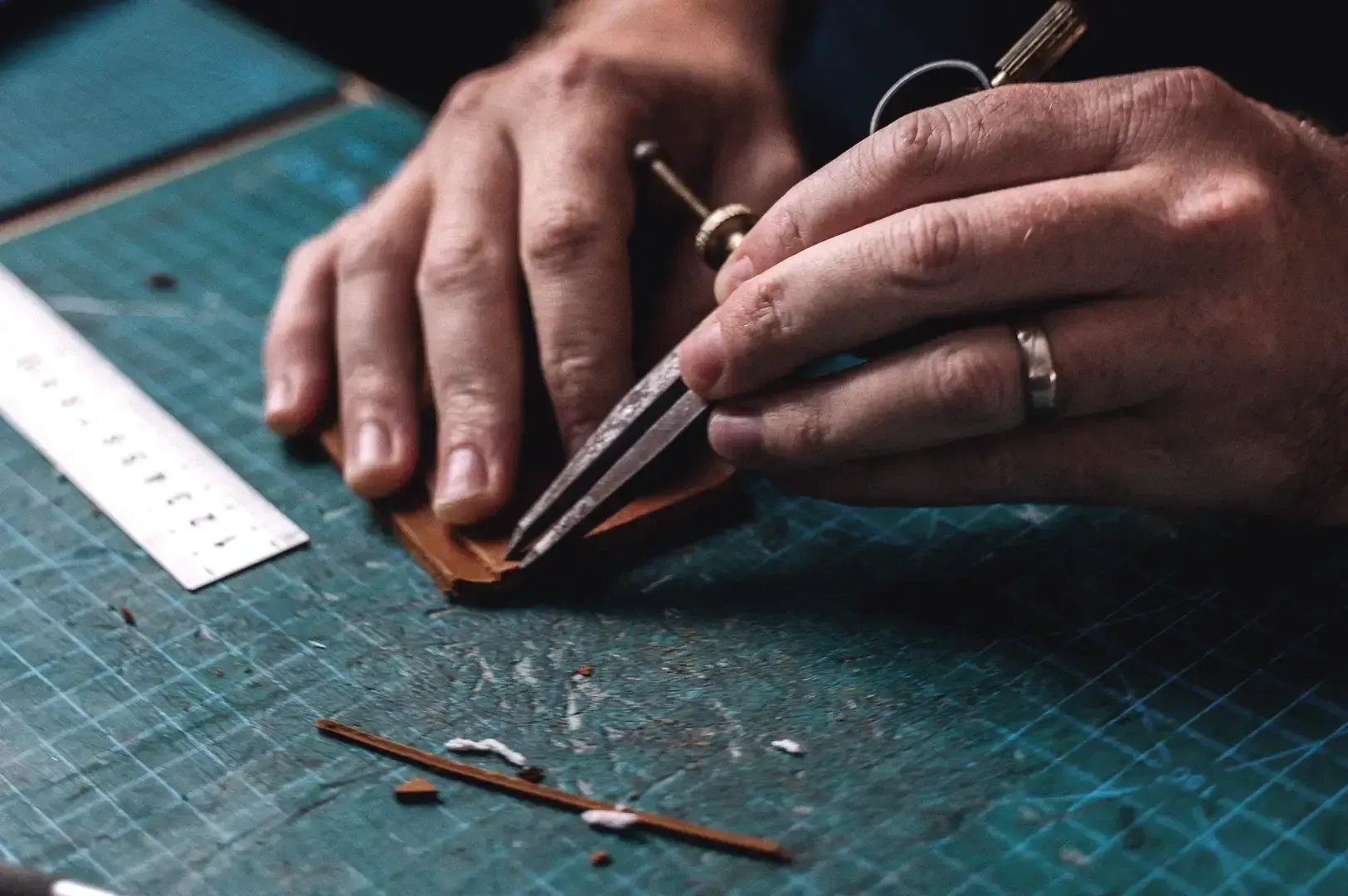
In our tea room and omakase restaurant, this principle is amplified. A bamboo whisk (chasen) is not just a tool for frothing matcha; it is an object of focused intention. Each sweep of the wrist, each rinsing and drying, is an act of respect. The chef’s knife (yanagiba) is not merely a blade; it is a trusted partner, sharpened and cared for with a reverence that borders on ceremony. In these contexts, objects are not passive. They are active participants in the craft, carrying the story of their maker and the intention of their user. It is a silent choreography of hands and tools, each gesture repeated, each object returning to the table, each one shaped over time by the demands and dignity of its use.
Beyond Collection: The Investment of Meaning
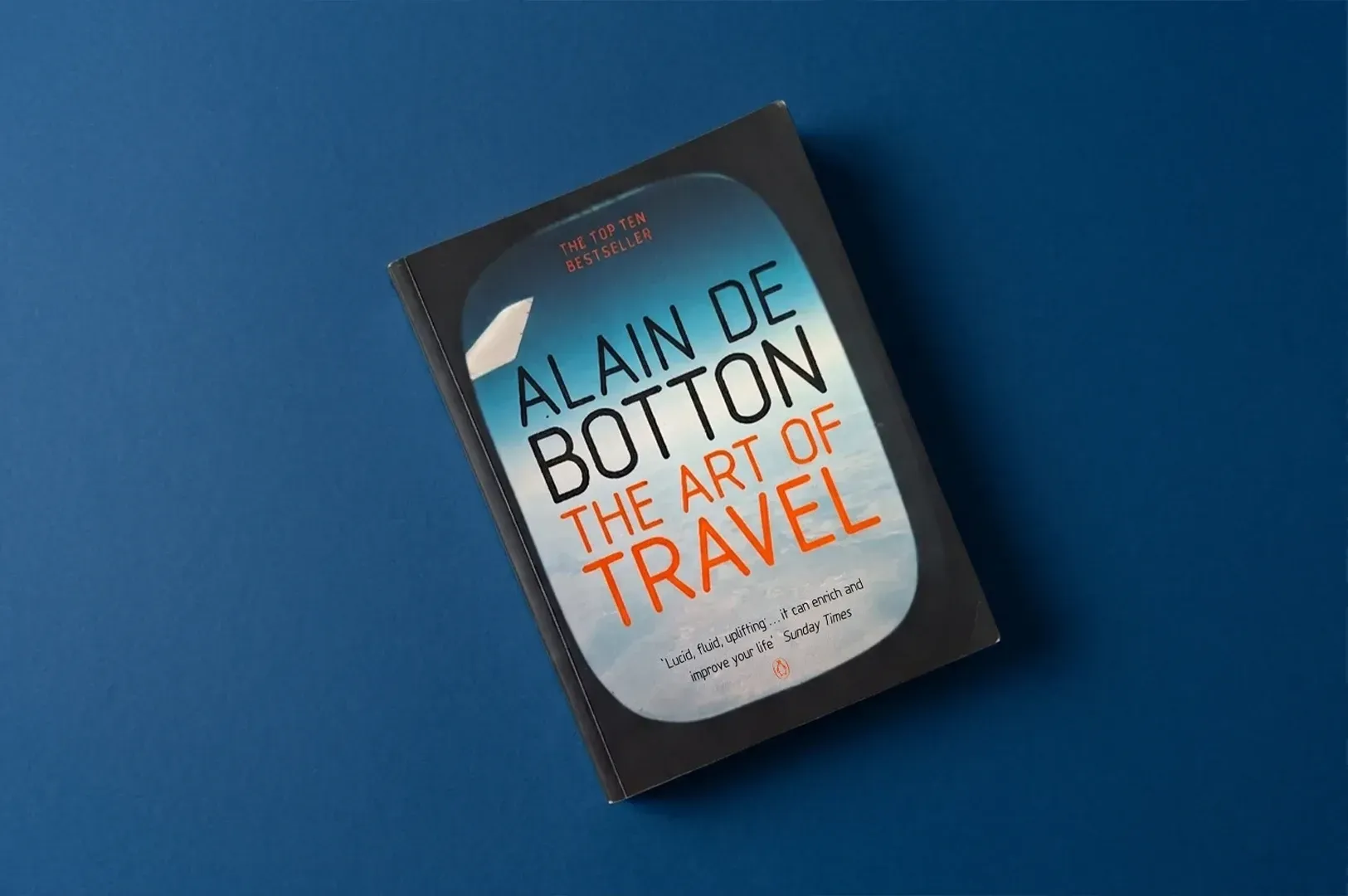
This creates a crucial distinction between collecting things and investing them with meaning. Collecting can be a form of consumption, an accumulation of objects kept behind glass, their value abstract. Investing an object with meaning happens through touch, through wear, through daily partnership. A row of pristine, unread books on a shelf is a statement. A single, dog-eared volume with notes in the margins is a relationship. One is about possession; the other is about connection.
The allure of novelty is powerful, especially in a world that prizes the acquisition of more: new tools, new gadgets, new décor. But it is only the object that endures alongside us, that is shaped by our habits and that, in turn, shapes our habits back, which enters the realm of the meaningful. Some objects ask to be cherished without use, yet the ones that truly take root in our lives are worn at the corners and smooth to the touch, the ones that have been made indispensable by quiet ritual.
Inheritance and the Quiet Continuity of Meaning

My daily objects are not precious in the collector’s sense, but in the way of being used and noticed. The pen collects traces of ink and memory; the notebook gathers the fingerprint of every morning. With each use, a layer of intimacy forms; a history that is written not in dramatic moments but in the simple return, again and again, to the familiar.
In our tea room and omakase restaurant, this principle is amplified. A bamboo whisk (chasen) is not just a tool for frothing matcha; it is an object of focused intention. Each sweep of the wrist, each rinsing and drying, is an act of respect. The chef’s knife (yanagiba) is not merely a blade; it is a trusted partner, sharpened and cared for with a reverence that borders on ceremony. In these contexts, objects are not passive. They are active participants in the craft, carrying the story of their maker and the intention of their user. It is a silent choreography of hands and tools, each gesture repeated, each object returning to the table, each one shaped over time by the demands and dignity of its use.
Beyond Collection: The Investment of Meaning
This creates a crucial distinction between collecting things and investing them with meaning. Collecting can be a form of consumption, an accumulation of objects kept behind glass, their value abstract. Investing an object with meaning happens through touch, through wear, through daily partnership. A row of pristine, unread books on a shelf is a statement. A single, dog-eared volume with notes in the margins is a relationship. One is about possession; the other is about connection.
The allure of novelty is powerful, especially in a world that prizes the acquisition of more: new tools, new gadgets, new décor. But it is only the object that endures alongside us, that is shaped by our habits and that, in turn, shapes our habits back, which enters the realm of the meaningful. Some objects ask to be cherished without use, yet the ones that truly take root in our lives are worn at the corners and smooth to the touch, the ones that have been made indispensable by quiet ritual.