The Weight of Heirlooms: Objects That Carry Stories Across Generations
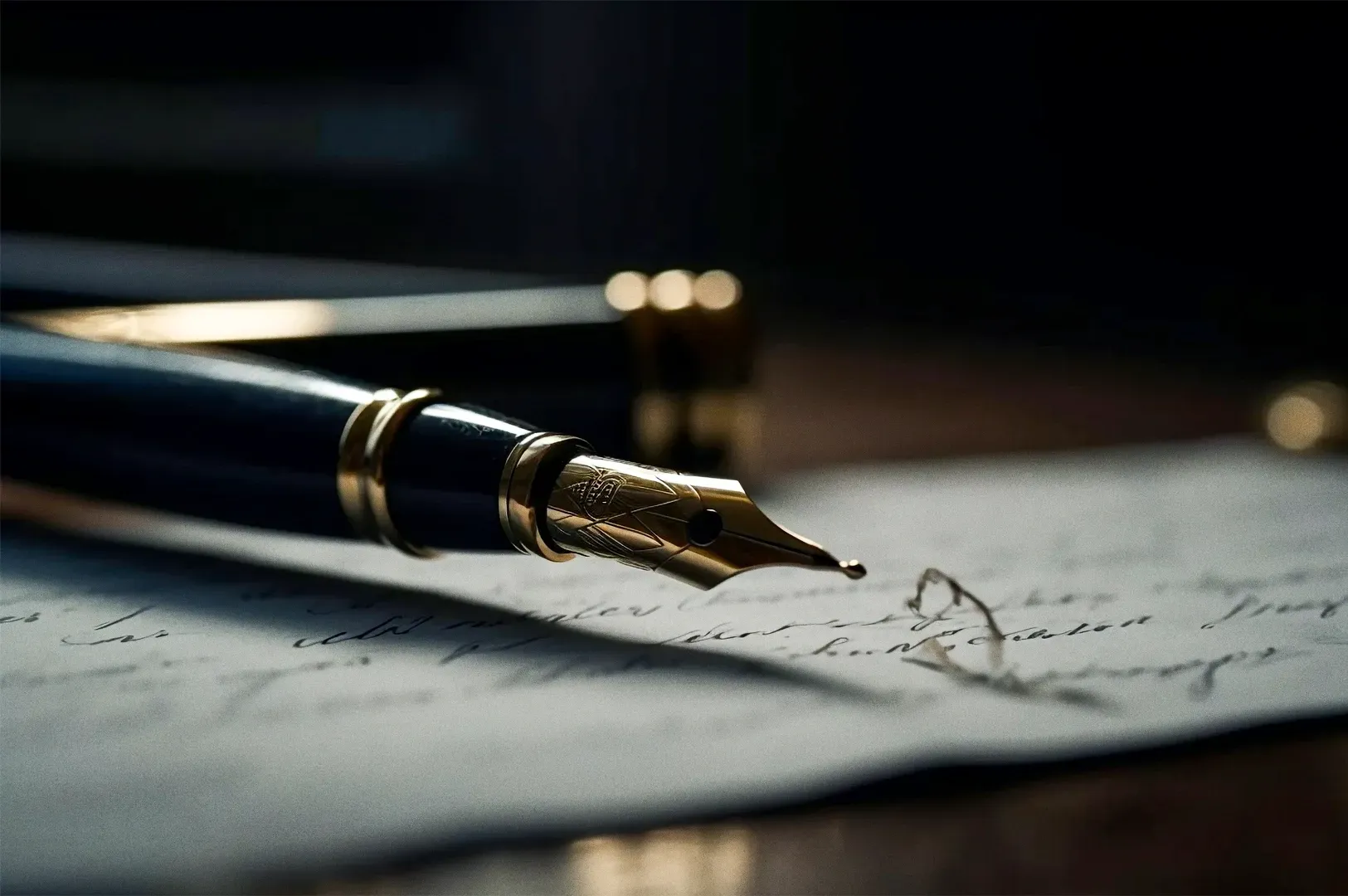
The black resin barrel of
the fountain pen catches the low light of the desk lamp. The gold clip is rubbed smooth at the edges from decades of sliding into a breast pocket. When I unscrew the cap, the threads offer a slow, satisfying friction. It is a mechanical precision that modern manufacturing rarely bothers to replicate. The scent of dried iron gall ink rises immediately from the nib. It is a sharp, metallic smell that instantly slows the rhythm of the room. The weight of the pen is perfectly balanced. It sits heavy in the webbing of my hand, lowering its center of gravity. It demands a deliberate, practiced grip.
You cannot rush your handwriting when holding a tool designed for careful thought.
The cold material slowly warms to the temperature of my skin.
The Memory of the Ink

That sharp scent of ink bypasses logic and pulls me backward. I am suddenly sitting in an unheated room during the first winter of building the academy. The plaster on the walls was still drying, leaving a chalky dust on every surface. The ancient radiators clanked and hissed in the background. I was drafting the initial curriculum on thick, textured paper. Every stroke of this exact pen felt like a binding contract with the future.
I remember the physical ache in my shoulder from hours of focused work under a single bulb. The pen was a quiet companion during those solitary, doubt-filled nights. It held the discipline I needed when the vision felt too large and the financial resources felt impossibly scarce. The scratch of the nib against the page was the only proof of progress. It taught me that attention to detail begins with the physical tools we choose to hold.
The Architecture of Stewardship

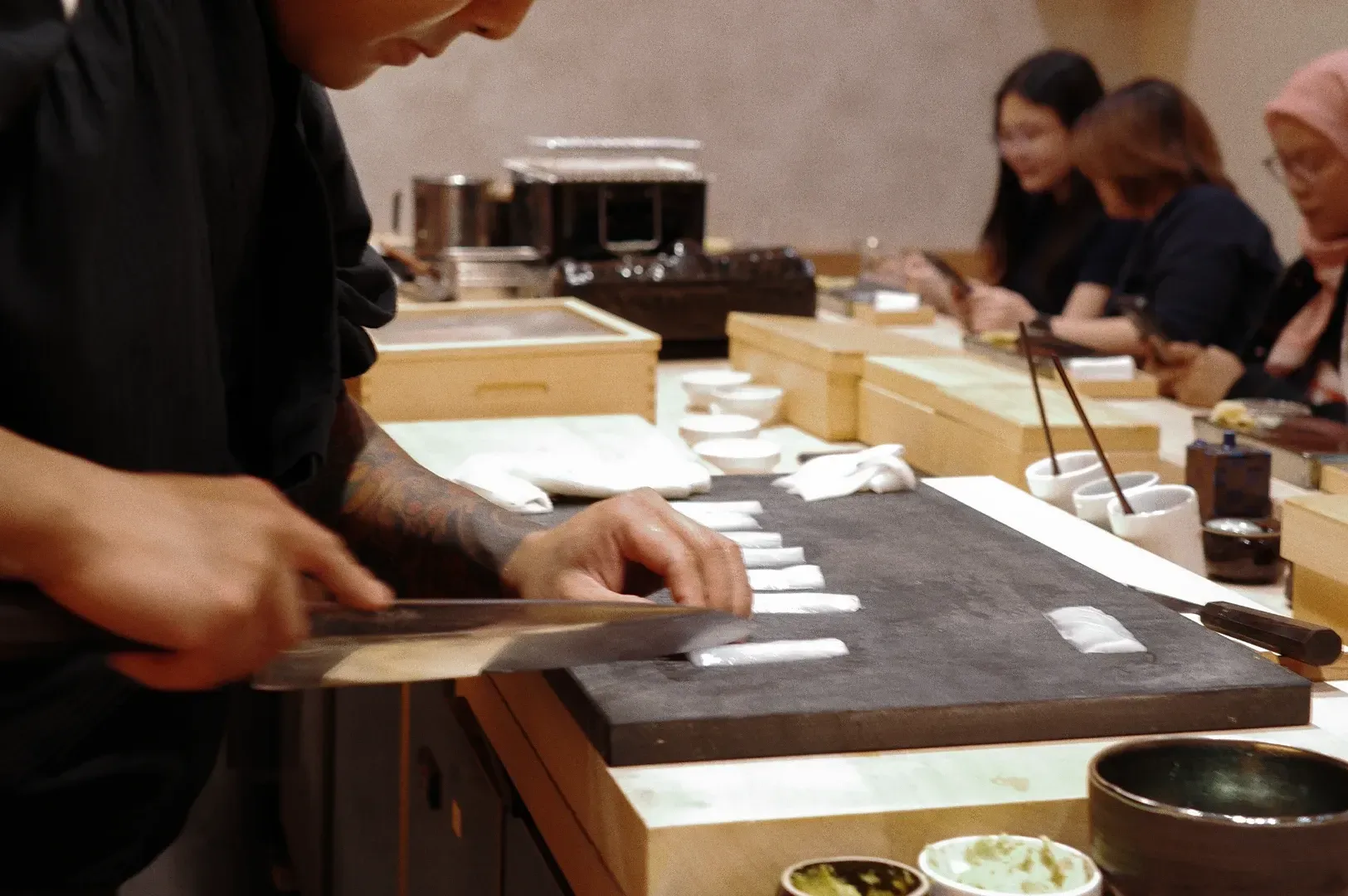
Building ventures across different industries teaches you how to handle inheritance. Stewardship is a word we often use in hospitality and property development. We talk constantly about preserving the soul of a physical space. In the omakase restaurant, the menu shifts entirely with the changing microseasons. At the consulting firm, the analytical frameworks we use adapt to new markets and emerging technologies. The operations manual for the alpine property undergoes constant revision to match evolving guest expectations. These elements are inherently fluid. They must adapt rapidly to survive.
But true stewardship requires identifying the rare elements that must remain absolute. The rigorous standards of how a guest is greeted cannot waver. The quiet, daily training of an apprentice learning to slice fish must stay flawlessly consistent. The physical rituals that prepare a dining room for service hold the entire culture together. We inherit the philosophy of a place just as we inherit a tangible object. The object itself is only the vessel. The actual inheritance is the unyielding standard of care it demands.
Divergent Lessons in Attention
Different objects teach completely different forms of attention. I keep the fountain pen on my desk. It requires solitary, vertical focus. It asks for silence, precision, and a steady hand. It is an instrument of personal accountability, forcing me to articulate thoughts before committing them to the page.
In contrast, there is a chipped ceramic tea bowl resting on a low shelf in the tea room. It belonged to an elder who understood the profound, quiet value of gathering people together. The glaze is textured like rough stone. The rim bears a deep crack repaired carefully with gold lacquer. When you hold the bowl, your fingers naturally find the imperfections. The bowl requires a communal, horizontal attention. It asks you to notice the exact temperature of the water, the shifting afternoon light in the room, and the quiet breathing of your guests.
The pen builds the rigid structure of a vision. The bowl fills that structure with warmth and human connection. Both are cherished heirlooms.
Both carry vital stories across generations. Yet they shape the builder’s inner life in entirely different ways. They serve as silent, demanding mentors in the ongoing practice of quiet mastery.
The Freedom to Choose

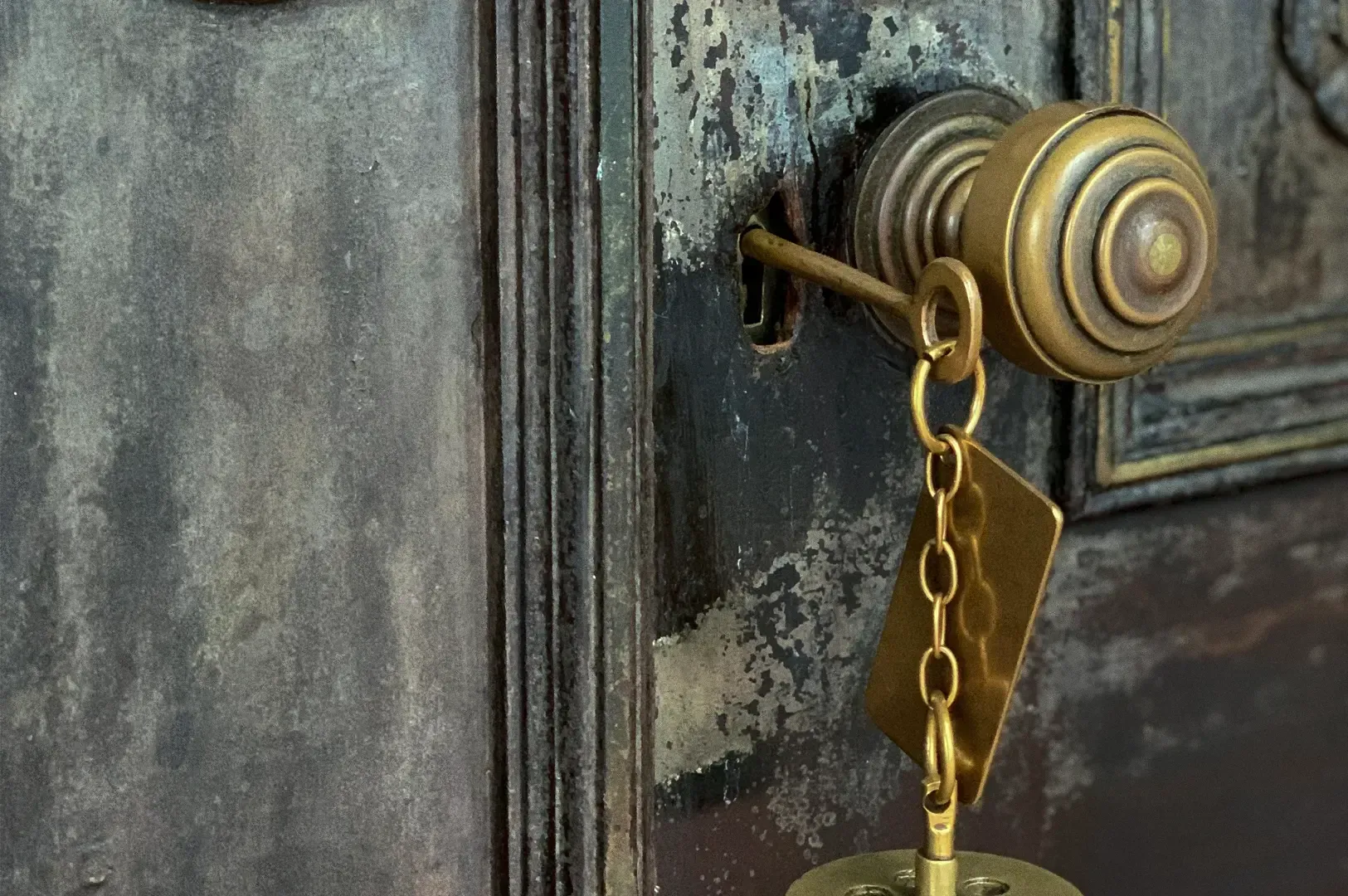
There is an undeniable tension in holding an object that outlasts its original owner. An heirloom is heavy with memory and expectation. It represents the person who once carried it, along with their triumphs and flaws. Sometimes, that representation feels like an immense burden. We are handed down tools, properties, and philosophies carrying the weight of someone else's unfinished business. A heavy iron key to an old estate can feel like a lock on your own future.
We often mistakenly believe that honoring the past requires preserving every single piece of it blindly. But true inheritance involves a quiet, difficult freedom. We must actively choose what gets carried forward. We can appreciate the flawless craftsmanship of a tool without adopting the rigid mindset of the person who wielded it. We can keep the chipped tea bowl but completely discard the harsh judgments once spoken over it. We decide which stories deserve our oxygen and which stories are finally allowed to fade into the archives. This discernment is the true work of adulthood.
The Lingering Weight
I screw the cap back onto the fountain pen. The threads lock together with a soft, final sound that echoes slightly in the quiet room. The sharp scent of iron gall ink dissipates slowly into the air. I place the pen back into its worn leather case and close the drawer.
We spend our lives building complex spaces, refining crafts, and establishing standards we hope will endure beyond our tenure. We leave behind physical spaces, written words, and the lingering culture of the organizations we spent decades building. The people who come after us will sort through these remnants, hold the objects we valued, and trace the edges of our systems.
They will not immediately understand the late nights, the silent doubts, or the deep satisfaction of the work. That specific understanding comes much later, earned only through their own experience. In the beginning, they will only feel the physical reality of what we left behind.
Inheritance always begins as a sheer, undeniable weight long before it is finally understood as meaning.