


The Language of Objects: What Our Possessions Say About Us

Bay San • December 19, 2025

The spaces we inhabit are rarely silent. They speak a quiet, constant language through the objects we choose to fill them with. A room is a conversation between shape, texture, light, and memory. Every item, from the chair we sit in to the cup we drink from, is a word in a sentence that describes who we are, what we value, and what we aspire to be. Our possessions are not passive scenery. They are active storytellers, broadcasting a personal narrative to ourselves and to others.


I have spent my career composing these material narratives, whether in a serene tea room, a precise omakase restaurant, or a private home nestled in the mountains. This process has taught me to listen to what objects say. It is an exercise in understanding that the things we surround ourselves with are extensions of our own inner world. They reveal our priorities more honestly than our words ever could. Choosing them with intention is not about decoration; it is an act of self definition.

When an Object Becomes a Philosophy

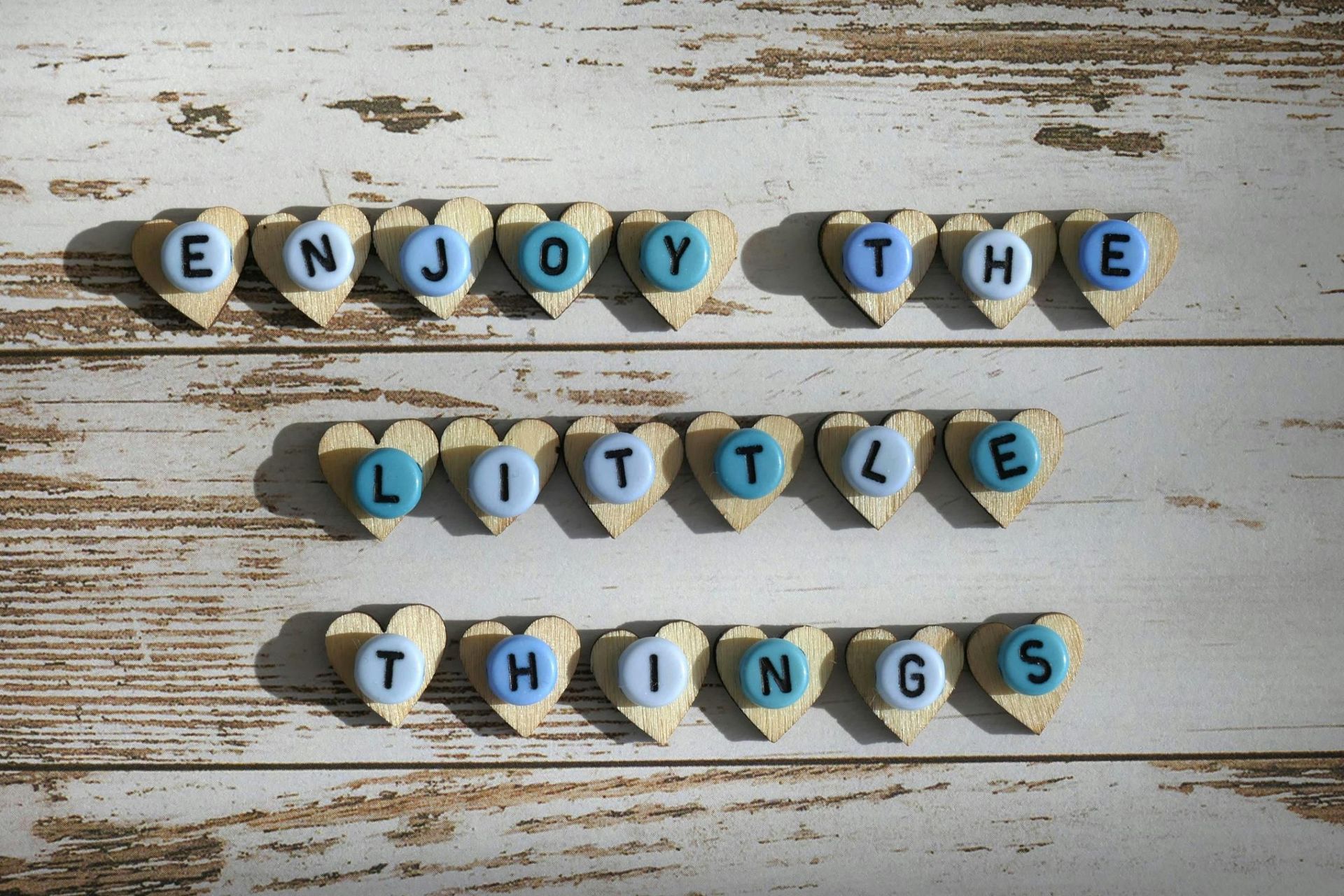
A collection of small, blue circular beads is arranged on top of tiny wooden hearts to spell out the phrase

I remember a specific moment of clarity in our tea room. We were sourcing ceramics, and I was presented with two beautiful, handmade tea bowls. One was technically perfect, its glaze flawless, its form symmetrical. The other was subtly imperfect. It had a slight asymmetry, a trace of the potter’s thumbprint near the base, and a glaze that broke in an unpredictable pattern. It was this second bowl that we chose, and in that choice, an entire philosophy was crystallized.


The bowl was more than a vessel for tea. It was a physical manifestation of wabi sabi, the Japanese worldview centered on the acceptance of transience and imperfection. Its beauty was not in its flawlessness but in its authenticity. It spoke of humility, of the beauty in natural processes, and of the quiet grace of imperfection. That single object became a touchstone for the entire space and the experience we wanted to create. It taught our team and our guests more about our values than any mission statement could. It was not just an object; it was a conversation starter, a piece of philosophy you could hold in your hands.


The Difference Between Collecting and Curating

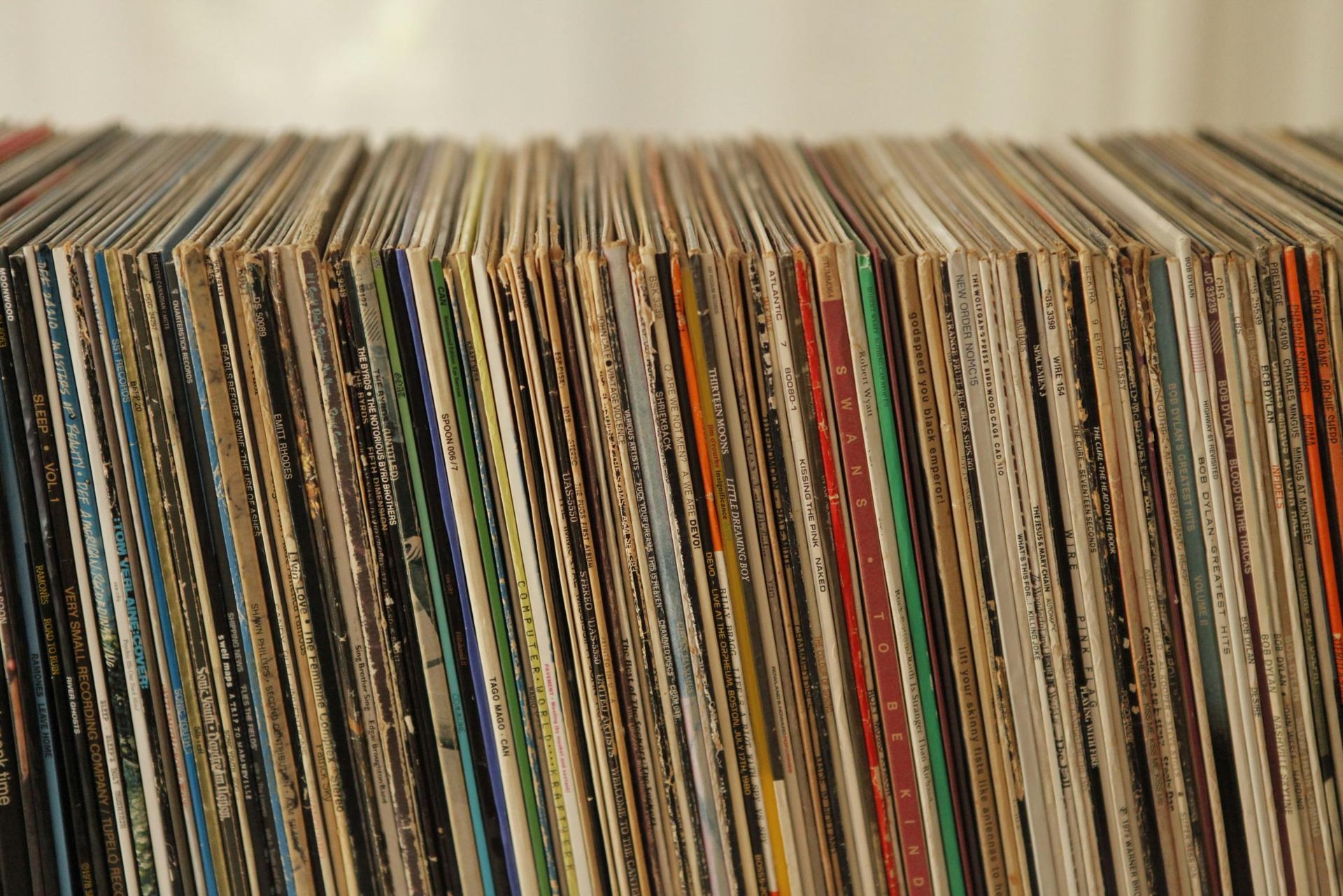
A large collection of vinyl record sleeves is packed tightly together, showcasing a diverse array of colorful spines and artist names. The viewpoint is a close-up that highlights the slight wear on the edges of the covers, suggesting a well-loved and extensive music library.

This understanding leads to a crucial distinction between collecting and curating. Collecting is an act of accumulation. It is often driven by a desire for more: more art, more furniture, more status symbols. The focus is on acquisition. Curation, however, is an act of editing. It is the deliberate and thoughtful selection of items where the whole becomes greater than the sum of its parts. Each object must earn its place by contributing to the overall narrative of the space.


When we designed our omakase restaurant, the temptation was to fill it with overtly Japanese art and artifacts. This would have been collecting. Instead, we chose curation. We selected a few key pieces: a single scroll with calligraphy that speaks of focus, hand-planed wooden counters that tell a story of craftsmanship, and lighting designed to fall in a way that feels both intimate and reverent. Each element was chosen not for its individual beauty alone, but for its role in the quiet dialogue of the room. The empty space around the objects became just as important as the objects themselves.


The same principle applied to a personal alpine property. Rather than importing a foreign design aesthetic, the curation was about subtraction. We asked what was essential to frame the true luxury of the location: the view of the mountains, the quality of the light, and the feeling of sanctuary. The objects chosen are few but significant. A stone fireplace from a local quarry, textiles that echo the colors of the surrounding landscape, and wood that has been left in its natural state. It is not about what we could add, but what we could not afford to subtract from the inherent story of the place.


Minimalism and the Power of Meaning

This image shows two white shelves neatly organized with several pairs of designer sneakers, including Converse high-tops and multiple colorways of Adidas Yeezy Boost 350 V2s. Next to the footwear, a small potted succulent and a folded stack of Comme des Garçons Play t-shirts featuring the iconic heart logo add a touch of lifestyle aesthetic to the collection.

There is a powerful tension between minimalism and meaningfulness. A space devoid of personal objects can feel sterile and unwelcoming. A space cluttered with possessions can feel chaotic and loud, with so many objects shouting for attention that none can be heard. The most eloquent spaces find a balance. They practice a form of minimalism where restraint paradoxically increases the power of the objects that remain.


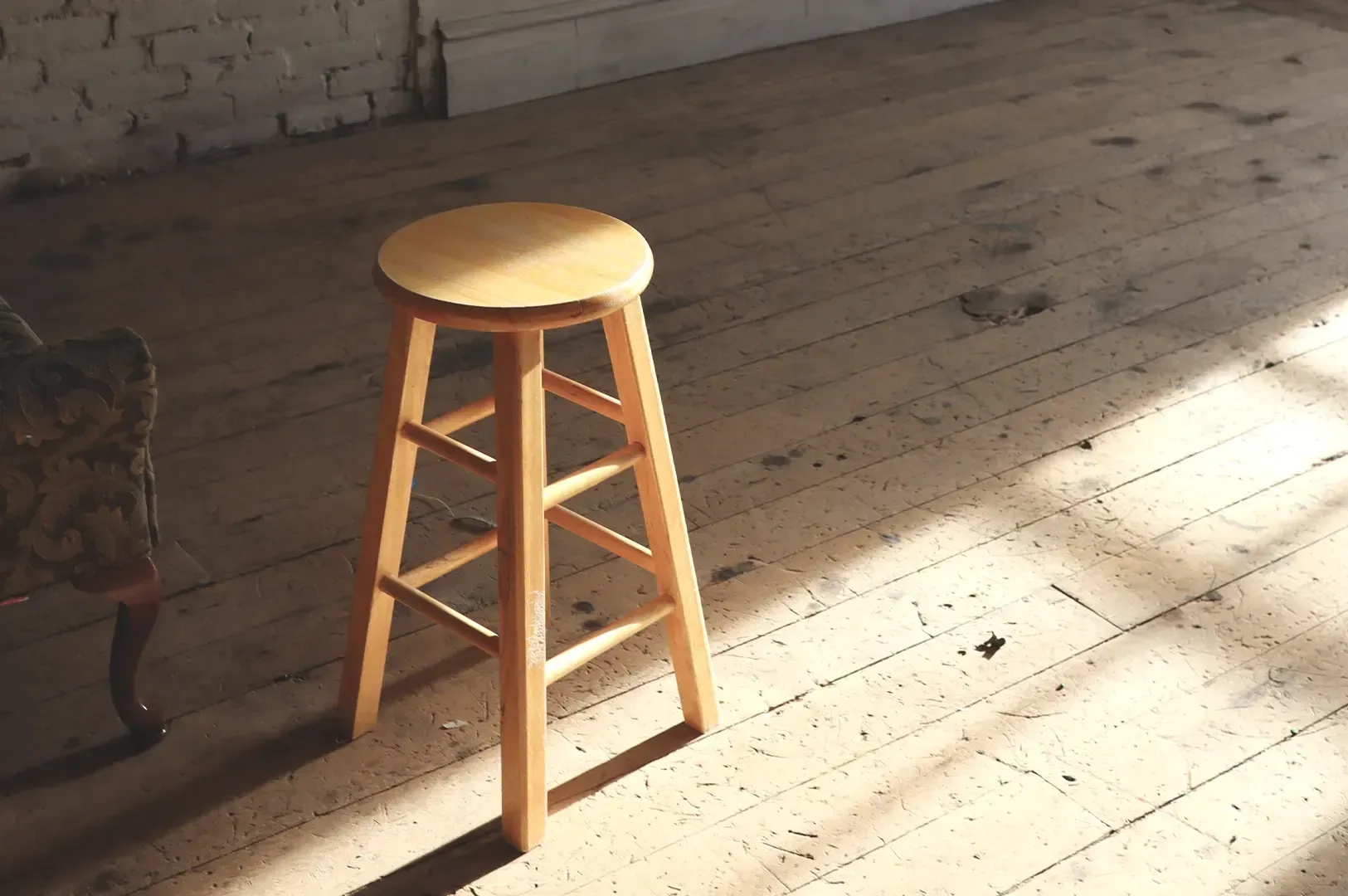
When a room contains only a few carefully chosen things, each one is given room to breathe. It is invited to be seen, considered, and understood. Its story can unfold without competition. This is why a single, beautifully crafted chair in an empty corner can have more presence than a room full of expensive but soulless furniture. The absence of clutter creates focus. It tells the visitor what is important, what deserves attention. It is a declaration that in this space, quality matters more than quantity, and meaning is valued over mass. Fewer, better things do not just say less; they often say more.

Craftsmanship Speaks, Luxury Shouts

This image captures an assortment of vintage items and toys displayed on a blue surface, centered around a model Aeroflot plane marked with

In this language of objects, it is vital to distinguish between items of true craftsmanship and mere luxury goods. A luxury good often derives its value from its brand, its price tag, and its status as a symbol. It is an external signifier. An object of craftsmanship derives its value from within: from the skill of its maker, the quality of its materials, and the integrity of its design. It carries the story of its own creation.


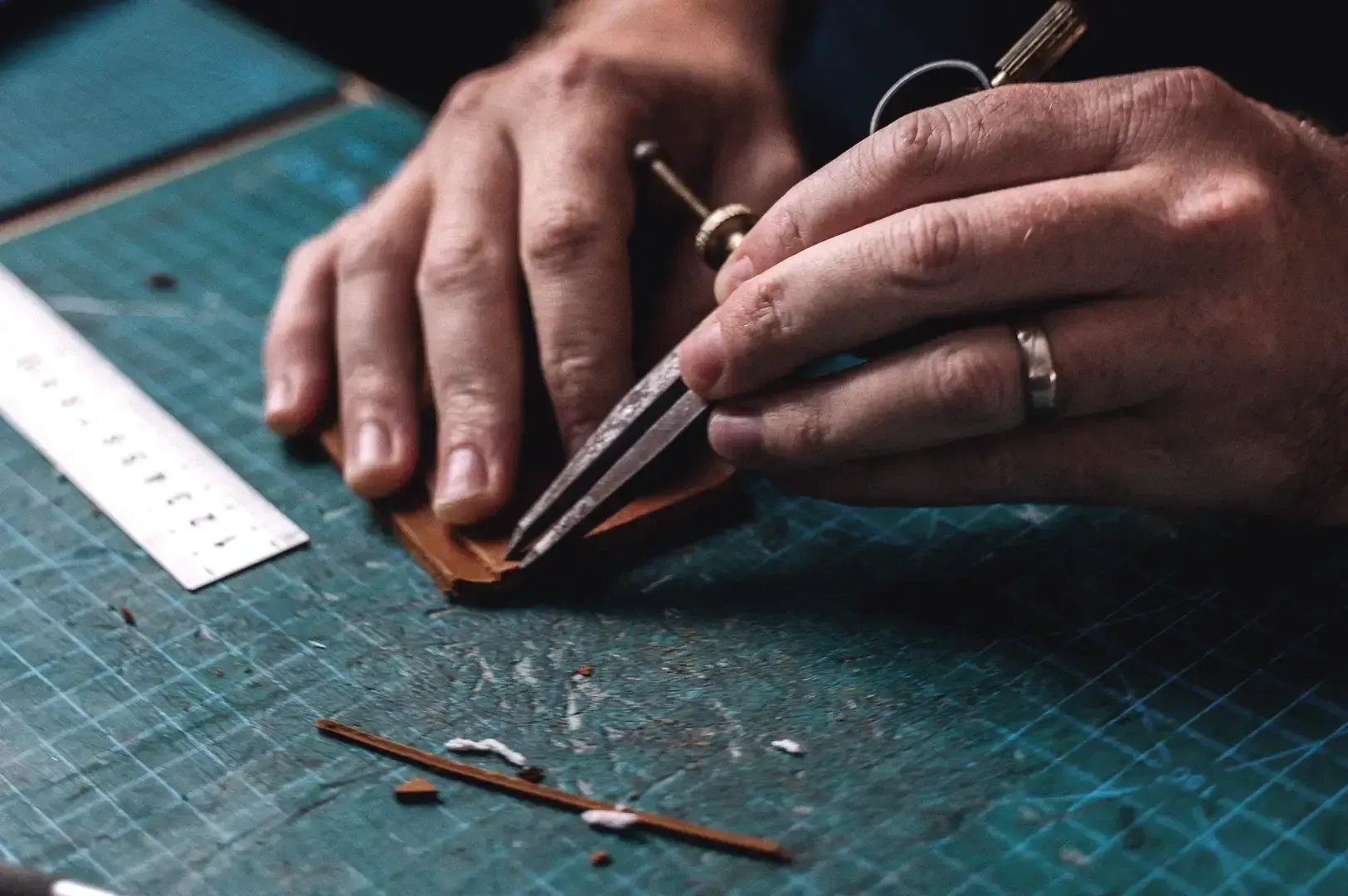
The hand stitched leather of a well made briefcase tells a story of patience. The balanced weight of a forged kitchen knife speaks of the blacksmith’s expertise. The subtle grain of a wooden table reveals the life of the tree from which it came. These objects have a soul. They carry the imprint of human hands and human intention. Luxury goods often shout their value to the world, but objects of craftsmanship whisper their story to the person who uses them. Over time, we do not just own these items; we enter into a relationship with them. They absorb our own stories, developing a patina of use that adds to their character.


Our lives are a narrative we are constantly writing. The choices we make, the work we do, and the relationships we build are the main chapters. But the objects we choose to bring into our world are the descriptive passages. They add color, depth, and texture to our story. They are the physical evidence of our values. To choose them with intention is to take control of that narrative, ensuring that the spaces we inhabit are an authentic reflection of the life we want to live. The most meaningful homes and businesses are not the ones with the most expensive things, but the ones where every object has something true to say.

Recent Posts

A clear light bulb is positioned inside a chalk-drawn thought bubble on a textured black surface. Sm
By Bay San December 19, 2025
Grand ideas collapse without daily execution. Reflections on how discipline transforms vision into enduring success, from decades of building businesses.
A group of diverse people place their hands together in the center of a wooden table, symbolizing te
By Bay San December 19, 2025
How businesses outlast their founders through intentional structure, not just inspiration. Reflections on building institutions that endure.