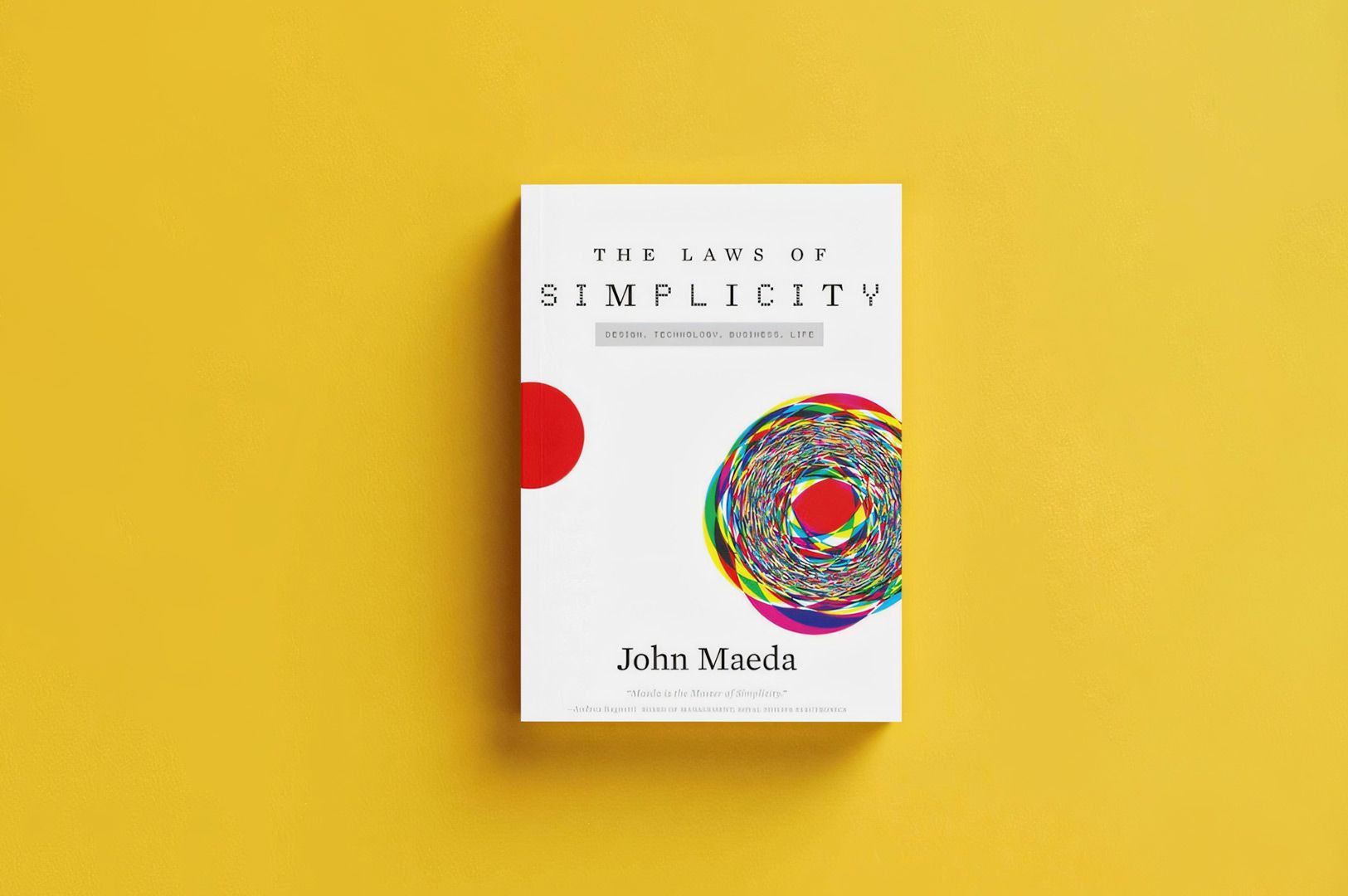



The Laws of Simplicity by John Maeda | My Quiet Empire Book Review

Bay San

In a world that equates more with better, more features, more options, more data, John Maeda’s The Laws of Simplicity stands as a quiet, powerful corrective. It is a slender volume, barely a hundred pages, yet it contains more actionable wisdom on design and leadership than business books three times its size. Maeda, a designer, technologist, and former president of the Rhode Island School of Design, offers not just a defense of minimalism, but a rigorous framework for achieving clarity in a complex world.

Japanese Zen rock garden with raked white gravel forming circular patterns around large natural stones, creating a minimalist and tranquil landscape scene.

The book is structured around ten laws, ranging from "Reduce" and "Organize" to the more philosophical "Ones." This compact structure itself is the first lesson. Maeda practices what he preaches; there is no padding here, no fluff. The book embodies its own argument, demonstrating that brevity, when executed with precision, creates impact rather than emptiness.

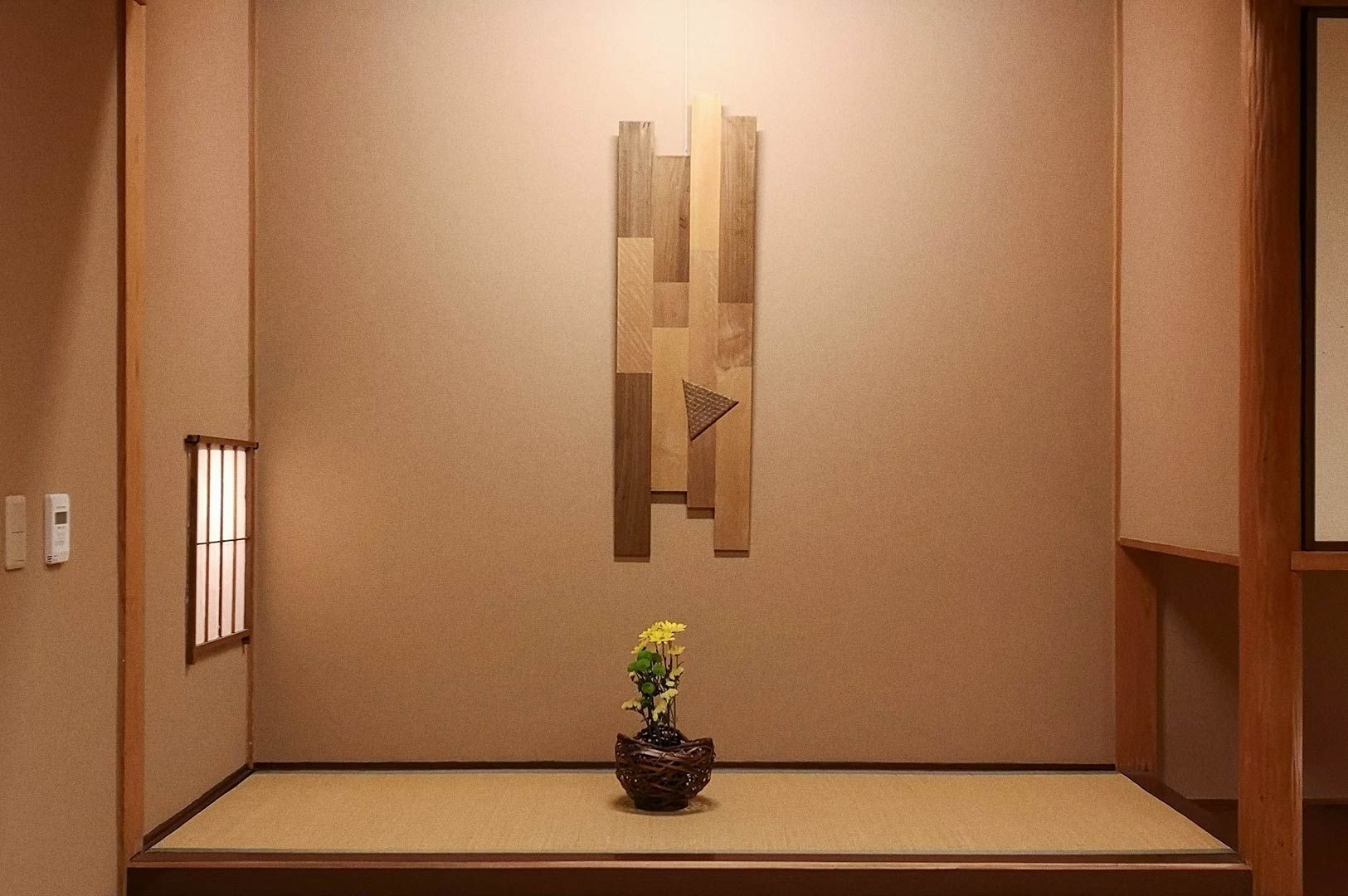
Minimalist Japanese tokonoma alcove featuring a wooden abstract wall art piece and a small flower arrangement in a woven vase, set against soft beige walls and tatami flooring.

At the heart of Maeda’s philosophy is a single, resonant definition: "Simplicity is about subtracting the obvious and adding the meaningful." This distinction is crucial. Simplicity is often mistaken for mere reduction; a stripping away of everything until a white void remains. Maeda argues for something far more sophisticated. It is about removing the friction and the noise (the obvious) so that the value and emotion (the meaningful) can be amplified. In the context of building a business, this isn't just an aesthetic choice; it is a strategic discipline. It is the courage to kill a profitable but distracting product line, or the restraint to design a user interface that does less so the user can achieve more.

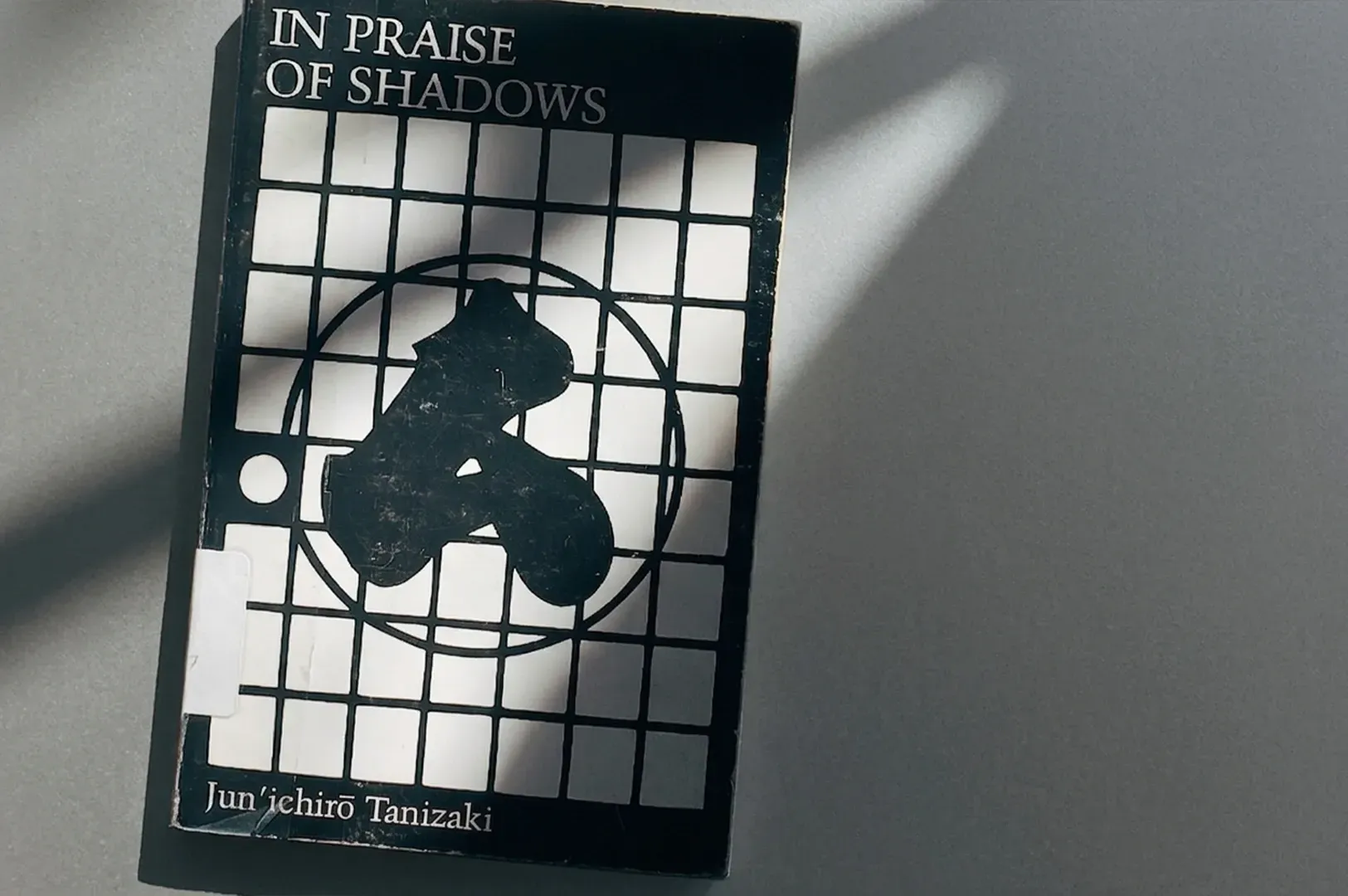
Wooden shoji-style sliding doors with a grid pattern lit by a diagonal beam of sunlight casting a sharp contrast across the panels.

Maeda explores the inherent tension between simplicity as a visual style and simplicity as a functional system. We often crave the *look* of simplicity (clean lines, white space) while demanding the *complexity* of endless utility. Navigating this paradox requires what he calls "thoughtful reduction." It is not enough to hide complexity behind a sleek surface; one must organize and prioritize it. His law of "Organize" suggests that organization makes a system of many appear fewer. This is a profound insight for anyone managing a team or an institution. You cannot always reduce the actual complexity of the work, but you can design the structures so that the experience of the work feels clear and manageable.


For the entrepreneur or leader, *The Laws of Simplicity* serves as a guide to the art of saying "no." Building an enduring institution often requires resisting the gravitational pull of complexity. It is easy to add; it is excruciatingly hard to subtract. Maeda validates this struggle, framing restraint not as a limitation, but as a form of power. By engaging with his laws, we learn that simplicity is not the absence of depth, but the presence of focus. It is a reminder that in design, business, and life, the most powerful statement is often the one that leaves space for the meaningful to emerge.

More Book Reviews

By Robert Macfarlane February 9, 2026
On thinking with your feet: Macfarlane's walking journeys reveal that clarity comes through movement, not stillness. A reflection on embodied wisdom.
A person's hand holds a small, navy blue book titled Silence: In the Age of Noise by Erling Kagge, w
By Erling Kagge February 2, 2026
On finding stillness in noise: Erling Kagge's meditation reveals silence as a cultivated skill, not escape. A reflection on attention and inner discipline.
The image features a close-up, angled view of the book cover for Mastery by George Leonard. It showc
By George Leonard January 23, 2026
On loving the plateau: George Leonard's Mastery reveals that fulfillment comes not from peaks but from patient practice. A meditation on craft and endurance.
This image features a top-down view of the business book
By Jerry I. Porras & James C. Collins January 16, 2026
On building for permanence: Collins and Porras reveal that visionary companies preserve core values while adapting everything else. A reflection on institutional design.
This overhead shot displays two books placed on a dark, weathered wooden table, featuring the Englis
By Yanagi Sōetsu January 6, 2026
On beauty without ego: Yanagi's meditation on folk craft reveals how mastery emerges through selfless work, not individual ambition. A reflection on craft and legacy.