The Unknown Craftsman by Yanagi Sōetsu | The Quiet Empire

Bay San

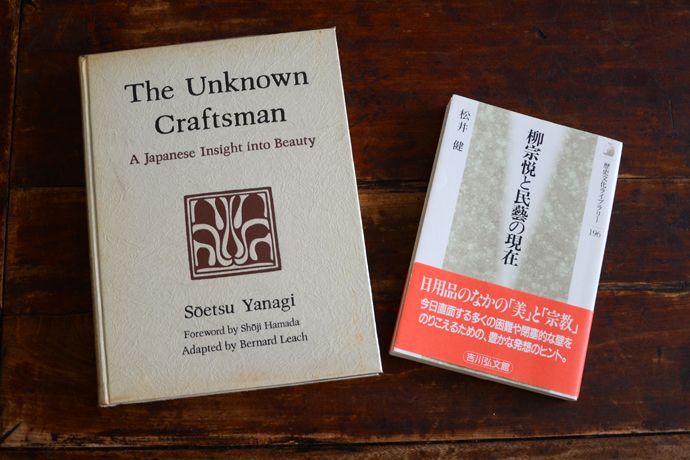
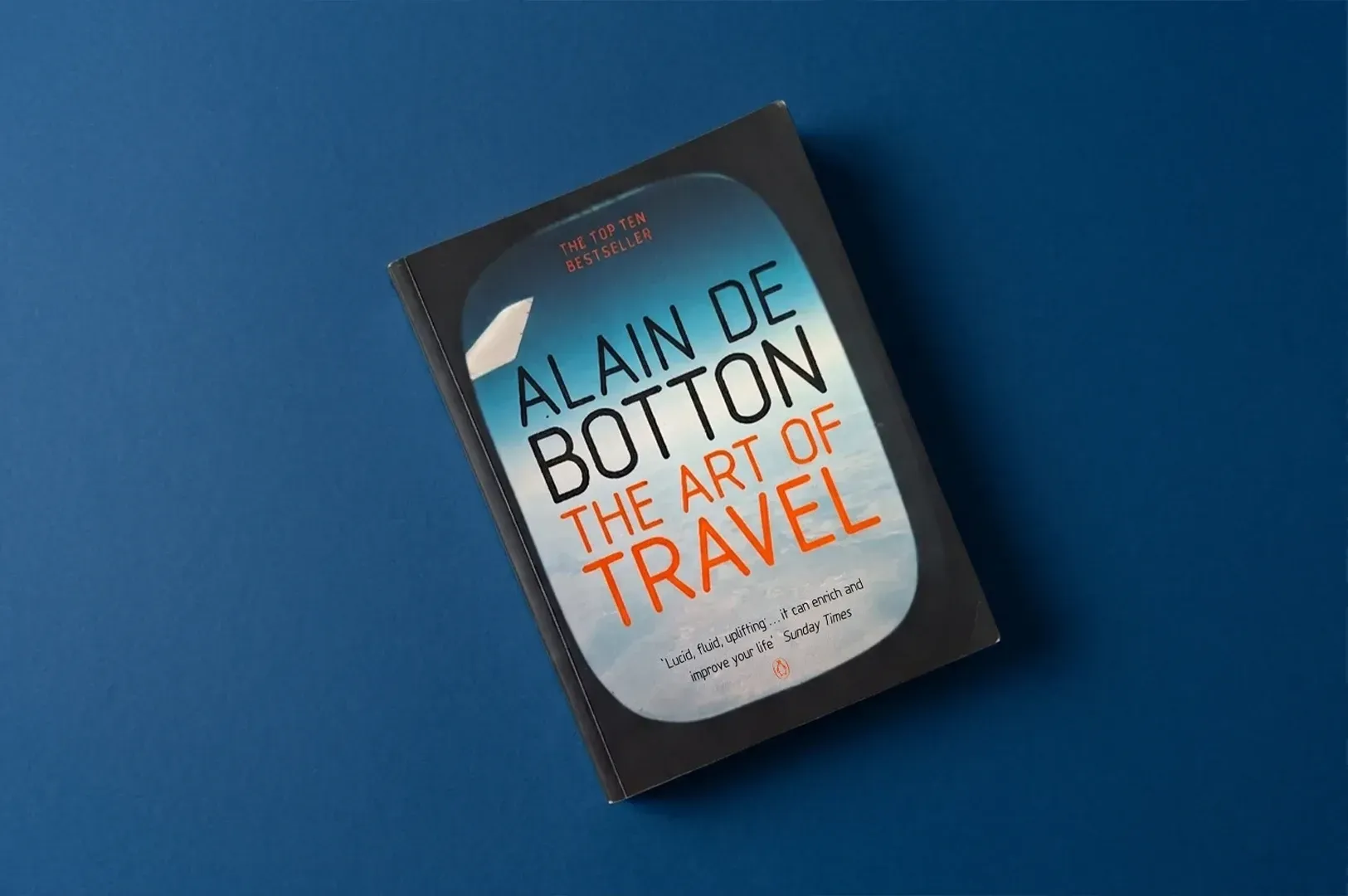
It is rare to find a book that lingers in the mind not for its answers, but for the quality of its questions. Yanagi Sōetsu’s The Unknown Craftsman is just such a work: subtle, persistent, unsettling in the best way. Read superficially, it is an introduction to the aesthetics and philosophy of mingei, the Japanese folk crafts. But beneath the surface, it is a treatise on the relationship between self, work, and community. Yanagi’s central concept, the “unknown craftsman”, reaches far beyond pottery or textiles, acting as a mirror for anyone who wrestles with leaving a legacy through their labor.


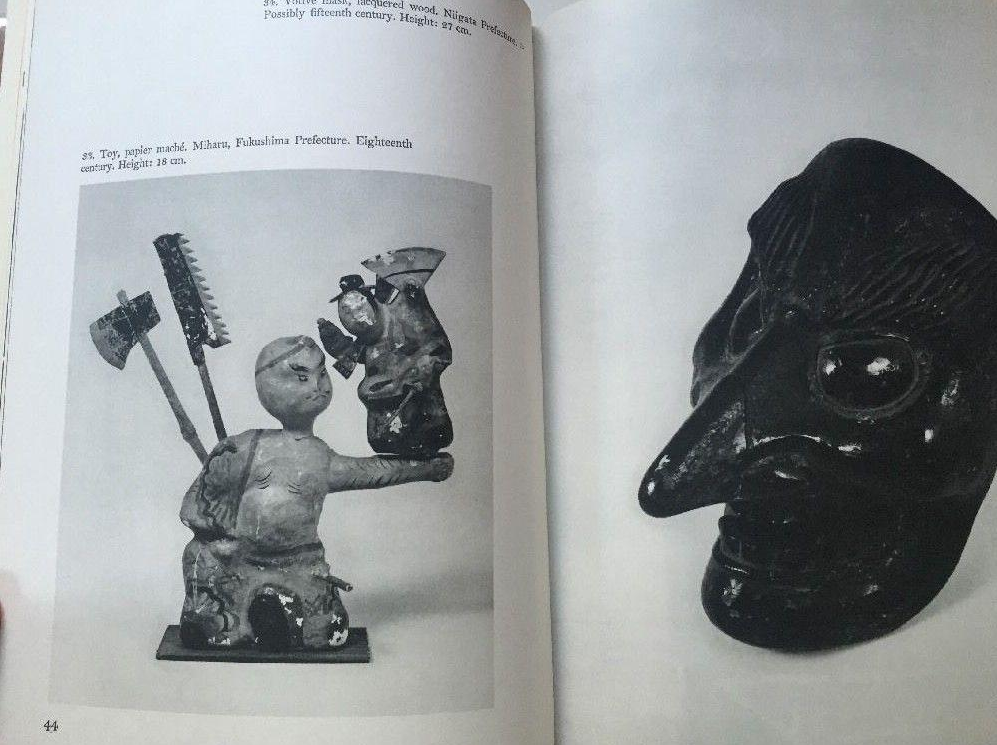
Yanagi’s “unknown craftsman” is not a romantic figure. He is neither impoverished by obscurity nor striving for recognition. Instead, Yanagi locates beauty in anonymity, in the repeated, selfless act of making without the need for authorship. The goods created by such hands, whether bowls, baskets, or daily utensils, are shaped by necessity and custom rather than ego or creative impulse. They bear the quiet refinement of generations; forms whittled to their essence by countless unnamed makers. Yanagi insists this is where true beauty arises: not from novelty or invention, but from the humility of service to craft and community.


Here, Yanagi sets up an implicit and explicit dialogue with Western ideals. In much of the Western tradition, we revere the artist as a singular genius; a solitary innovator, driven by personal vision, whose name and style define a period or a school. Museums are shrines to individuals; works are prized for their provenance as much as their presence. The mingei philosophy, by contrast, sees value in what is ordinary, what is repeated, and what is anonymous. A wooden spoon, perfectly balanced and used by many hands, is elevated above the signed artifact intended for a pedestal. In Yanagi’s world, art is not elevated above life; it resides within it.


This tension reveals a paradox that is particularly poignant for those of us building organizations meant to survive beyond ourselves. The desire to leave a mark, to put one’s stamp on a business or institution, is understandable, perhaps even necessary in the chaotic early stages. Vision matters.

Leadership matters. But as Yanagi shows, the highest expression of mastery is found in the surrender of the maker’s ego, the dissolution of the founder’s centrality, until the organization is animated not by personality but by principle. Systems, values, and traditions become the invisible hands that shape future work. When a business or academy functions beautifully in the absence of its founder, when others step in, guided by shared standards rather than constant supervision, the institution takes on the quality of the unknown craftsman’s bowl: perfectly itself, yet bearing no signature.


Yanagi does not romanticize this process. He acknowledges the discipline required to channel personal ambition into collective well-being. The path to selfless mastery is neither easy nor quick. Yet there is an undeniable serenity and persistence to the crafts and institutions shaped by this ethic. They endure because they do not depend on the cult of the individual.


In The Unknown Craftsman, the philosophy of mingei becomes a meditation not just on Japanese pottery, but on the hope of building something lasting, whether it be a tea bowl, a recipe, or an enterprise. Yanagi’s lesson is clear: beauty, legacy, and meaning do not arise from assertion or ambition, but from humility, surrender, and the patient work of hands aligned with tradition and use. There is a quiet, enduring dignity in this view; one that beckons all creators, founders, and leaders to look beyond themselves and into the long life of their work.

More Book Reviews