
In Search of Stillness: Finding Peace in Remote Places

Bay San • January 8, 2026

The sun has not yet crested the ridge, but the sky is beginning to bloom with a soft, pre-dawn light. From the window of the alpine lodge, the world below is a sea of grey mist, the peaks of neighboring mountains rising like islands from its depths. There is no sound from the world of human activity. No distant hum of traffic, no electronic chime, no echo of a life lived in haste. There is only the low whisper of the wind moving through ancient pines and the slow, rhythmic beat of my own heart. This is the sound of stillness. It is not an absence of noise, but a presence of something else entirely. It is the sound of the world breathing.


We are often led to believe that peace is something to be acquired, a product to be consumed. We are sold escapes, digital detoxes, and curated wellness retreats. But I have found that true stillness is not a commodity. It is a state of being that is most accessible when we intentionally seek out places that demand nothing from us, places where the sheer scale of the landscape quiets the clamor of the self. This search for stillness is not an escape from life, but a journey toward a more profound engagement with it.


The Quality of Silence

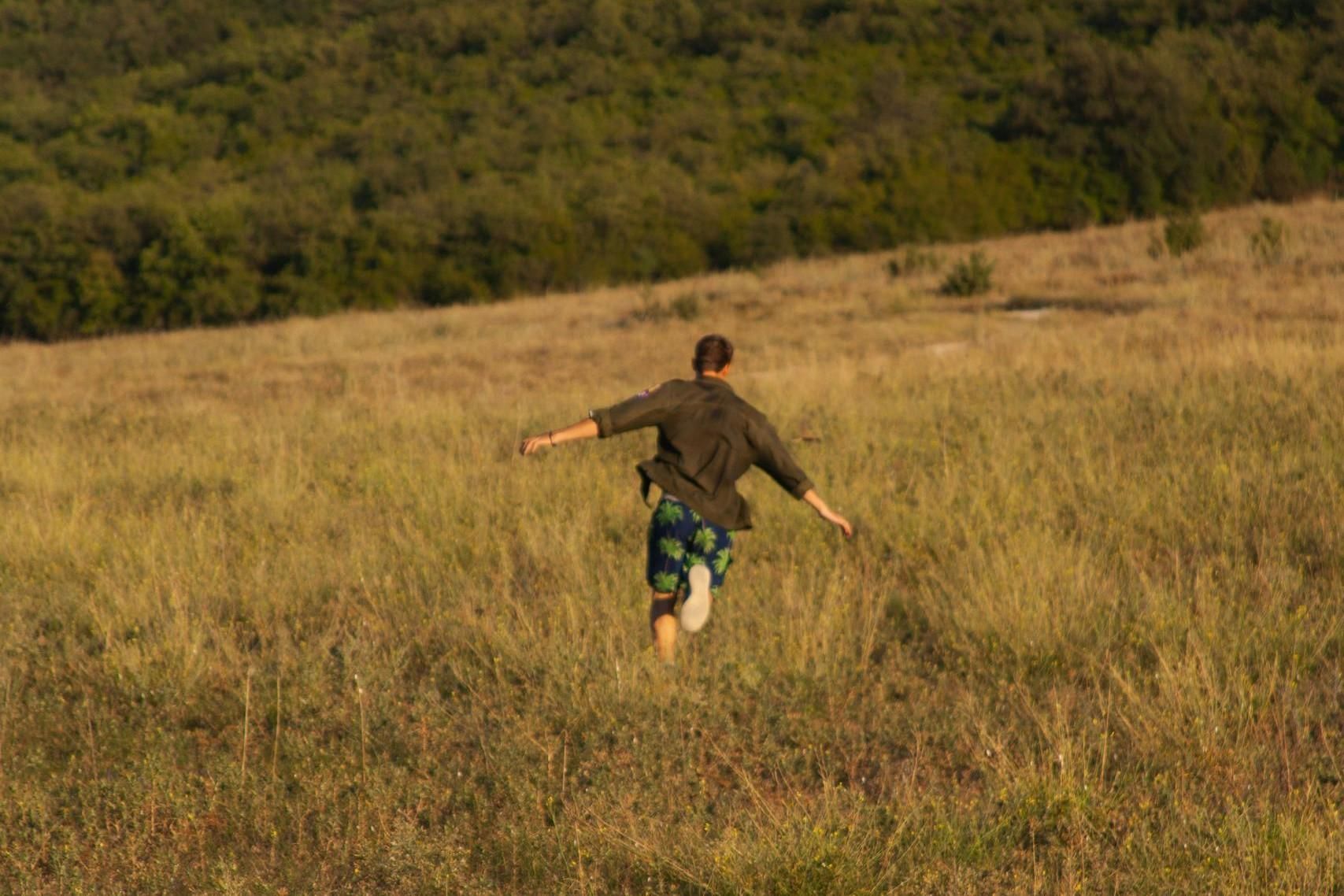
A man runs away from the viewer through a field of tall, golden grass with his arms widely outstretched. Wearing patterned blue shorts and a dark shirt, he heads towards a dense, green forest that rises in the background.

Stillness has its own texture, its own character. The silence of the high mountains is different from the silence of a secluded coastline or a vast desert. At our alpine property, the air itself feels ancient and clean. The light has a crystalline quality, making the distant peaks appear deceptively close. Sounds are distinct and meaningful. You notice the sharp cry of a hawk circling high above, the gentle creak of wood as the lodge settles, the soft crunch of your boots on a gravel path. Each sound is an event, amplified by the surrounding quiet.


This quality of silence recalibrates the senses. After a day or two, you begin to notice things that are lost in the noise of daily life. You see the subtle shifts in light as clouds drift across the sun. You feel the change in temperature as the day moves toward evening. The atmosphere is one of immense calm, but it is not empty. It is filled with the quiet, powerful energy of the natural world operating on its own timescale, indifferent to our own urgent agendas. This environment does not force you to be quiet; it invites you into the quiet that is already there.


Distance and Clarity

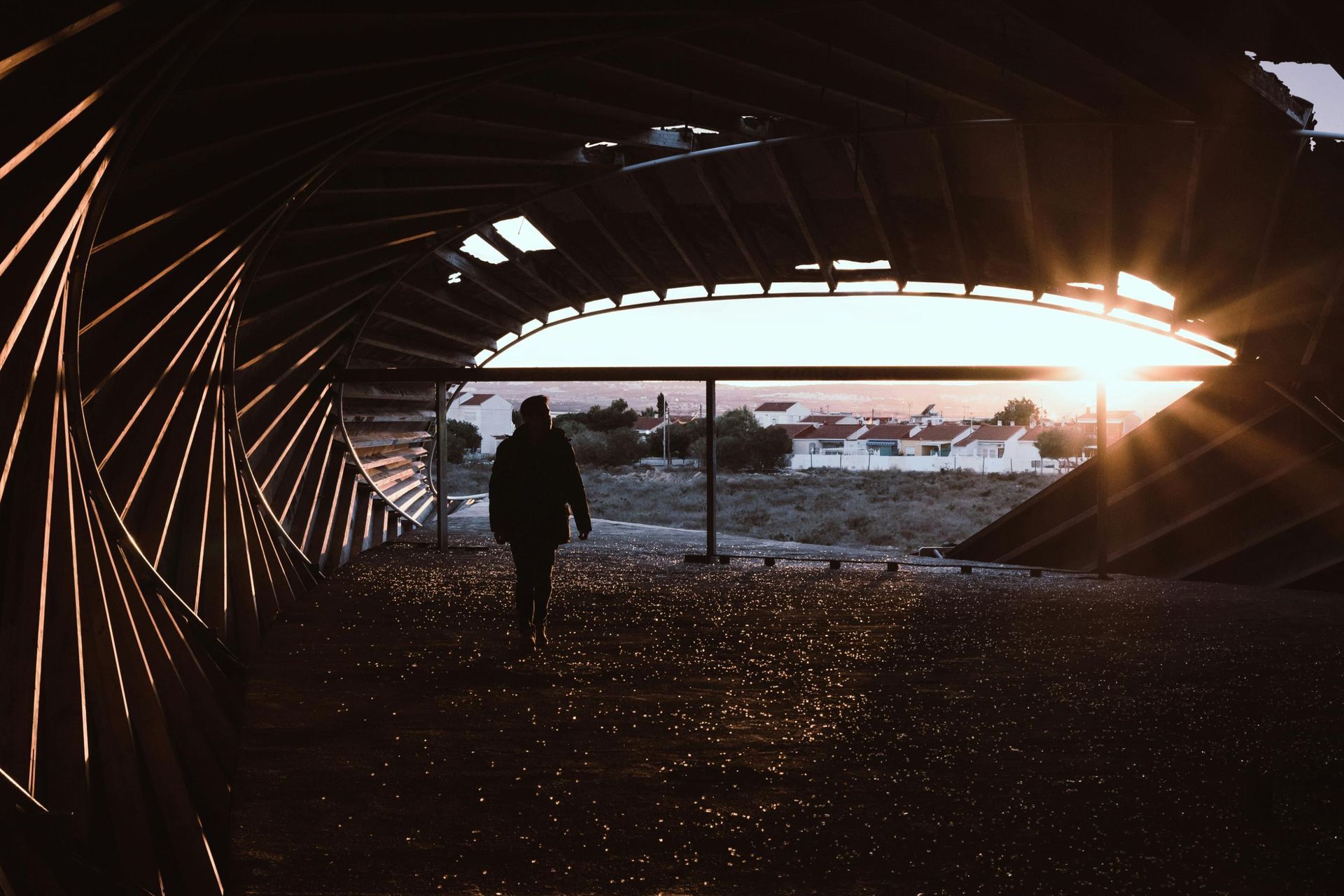
A silhouetted figure walks through a cavernous, spiraling structure made of dark, angled beams. Sunlight bursts through the wide opening at the end, casting golden sparkles on the ground and framing a distant townscape.

Why do we feel the need to seek physical distance to find psychological clarity? The routines of our lives, as necessary as they are, create a kind of static. Our minds are constantly occupied with a low-level hum of obligations, expectations, and digital chatter. Removing ourselves from this familiar environment is like turning down the volume on that static.


When the external noise fades, the internal noise has a chance to settle. Without the constant pull of emails, schedules, and social demands, the mind is free to wander in more meaningful directions. Problems that seemed complex and intractable at close range often simplify with distance. The space created by remoteness allows for a shift in perspective. You are no longer at the center of your own small world, but a small part of a much larger, more ancient one. This humility is freeing. It is in this state that our deeper intuitions can surface. The answers we seek are often already within us, but they can only be heard when we are quiet enough to listen.

Authentic Solitude Versus Curated Wellness

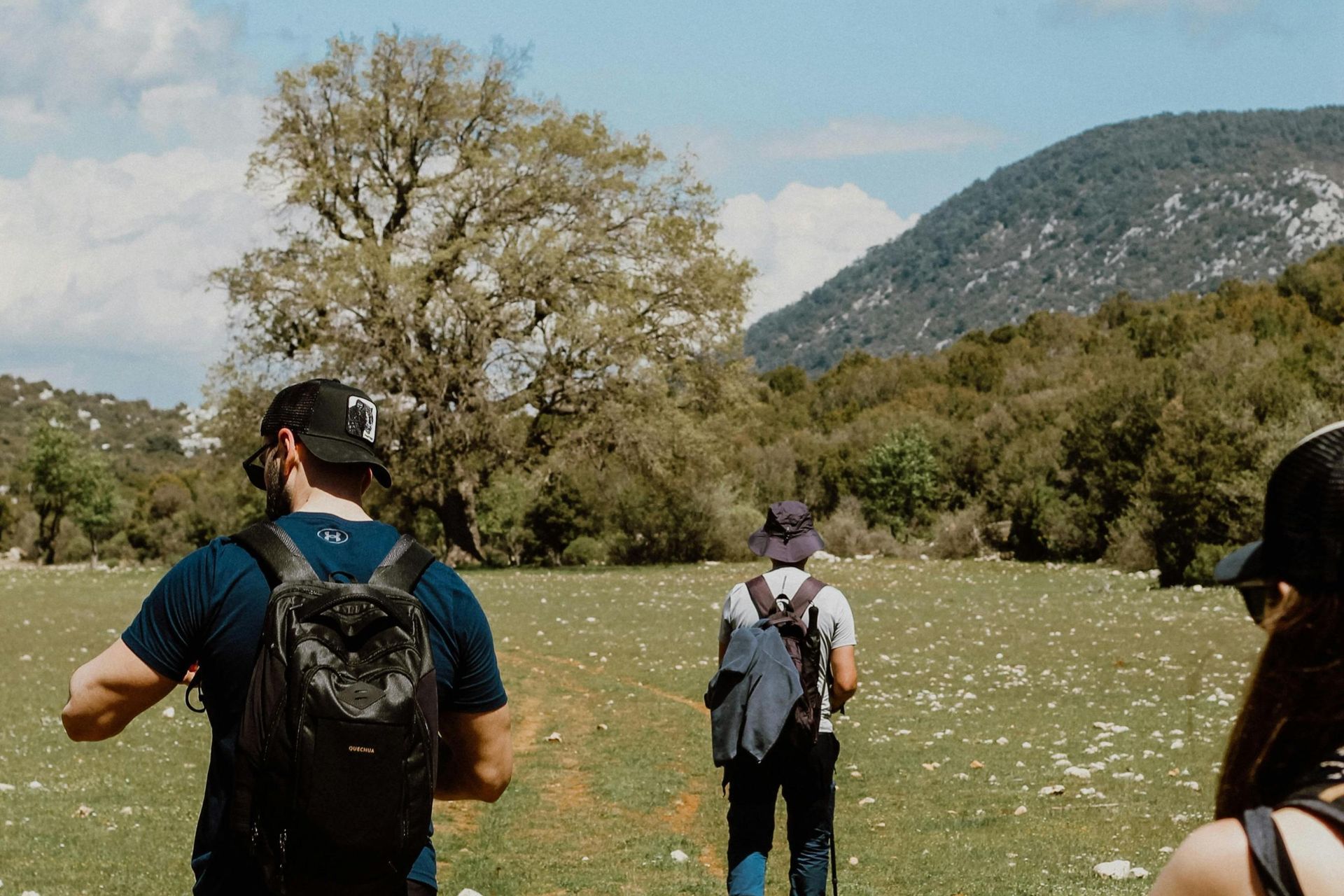
Three hikers wearing backpacks are seen from behind, walking across a sunny, grassy meadow scattered with small white stones. They head past a large, sprawling tree toward a lush, forested mountain slope under a bright blue sky.

There is a growing industry built around the idea of a retreat. These often involve structured schedules, guided meditations, and a group of like-minded individuals all seeking a similar outcome. While these experiences can have value, they are distinct from the practice of authentic solitude.


A curated retreat offers a framework for wellness. It is an experience designed by someone else. Authentic solitude, however, is an unstructured encounter with oneself. It is about being alone in a place that offers no agenda and no prescribed path. It can be uncomfortable. It forces you to confront your own thoughts, your own restlessness, and your own capacity for being present without a guide.


The curated experience aims to provide a feeling of peace. Authentic solitude provides the conditions where you might find your own. It is the difference between being handed a fish and being left alone with the river to learn how to fish for yourself. The former provides a meal; the latter provides a skill that lasts a lifetime.


An Insight in the Stillness

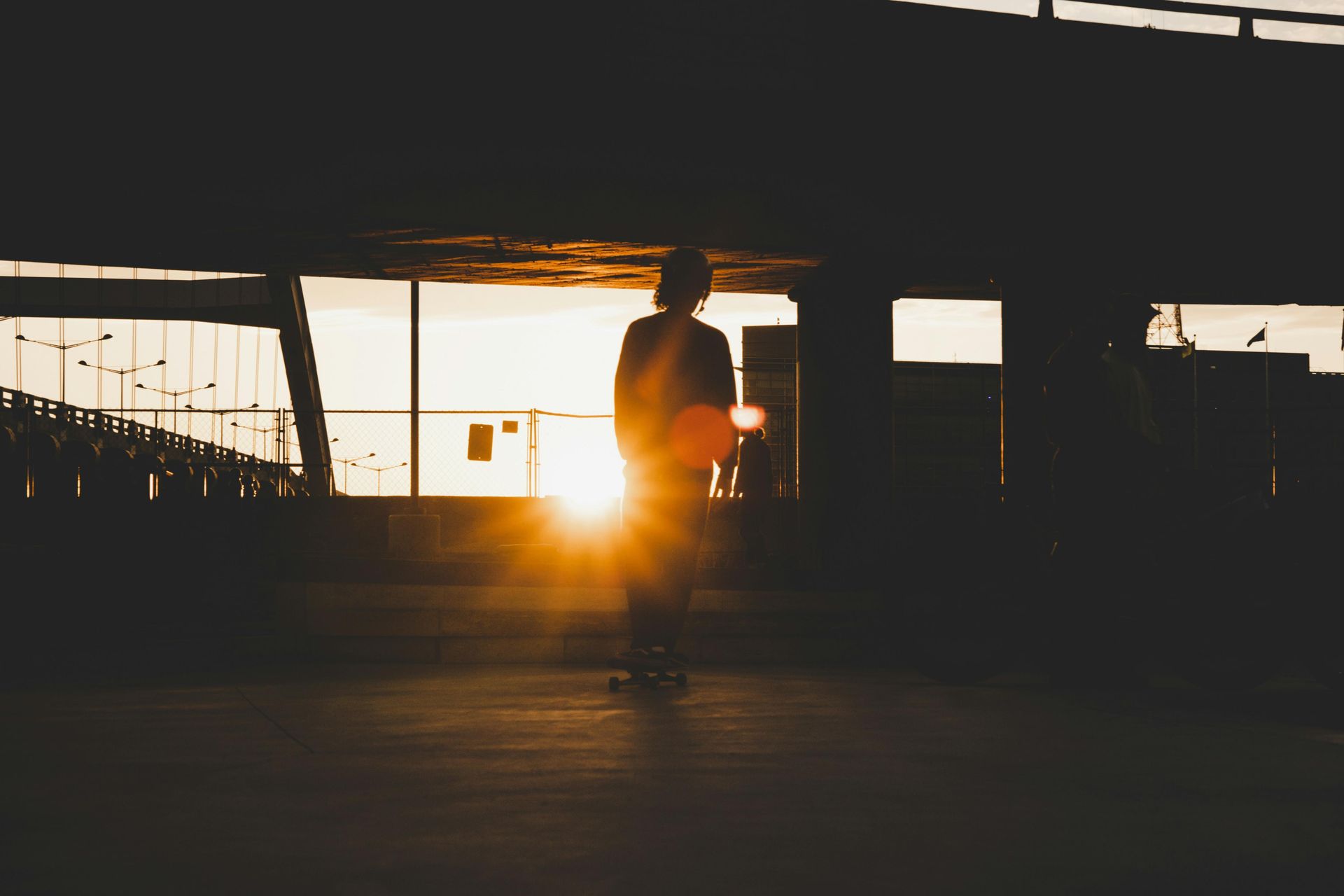
A silhouetted figure stands on a skateboard beneath the dark, concrete span of a bridge or overpass. The bright sun bursts through the background, creating a dramatic flare and casting a warm, golden glow across the urban scene.

During one stay at a remote coastal retreat, I spent my days walking along a deserted stretch of beach. The weather was moody and unpredictable, shifting from bright sun to heavy fog in a matter of minutes. My goal was simply to walk, to think, to unwind. For several days, my mind was busy, replaying conversations and sorting through business challenges.


On the fourth morning, as I watched the tide recede, I noticed the intricate patterns left in the wet sand. Each wave had created a new and temporary design, a delicate tracery that would be erased by the next. I stood there for a long time, watching this endless process of creation and erasure. In that moment, a simple but profound thought surfaced. I realized how much of my own effort was spent trying to build permanent structures, to create things that would last. But the ocean was teaching me a different lesson. It was demonstrating the beauty of the ephemeral, the grace in letting go.

The insight was not that my work was futile, but that my attachment to its permanence was a source of unnecessary tension. The goal was not to create something that could never be washed away, but to find meaning and beauty in the act of creation itself, just as the waves did. This was not a thought I was seeking. It was a gift of the stillness, an observation that could only arise when my mind was quiet enough to see what was right in front of me.


Ultimately, the search for stillness is not about finding the perfect remote location. These places are not destinations; they are teachers. They teach us how to be present, how to listen, and how to find the quiet space within ourselves. The true challenge, and the real reward, is to carry that stillness back with us. It is to learn to find that quiet center not just on a mountaintop or a deserted beach, but in the midst of our own busy lives. The geography of peace is, and always has been, an internal one.

Recent Posts

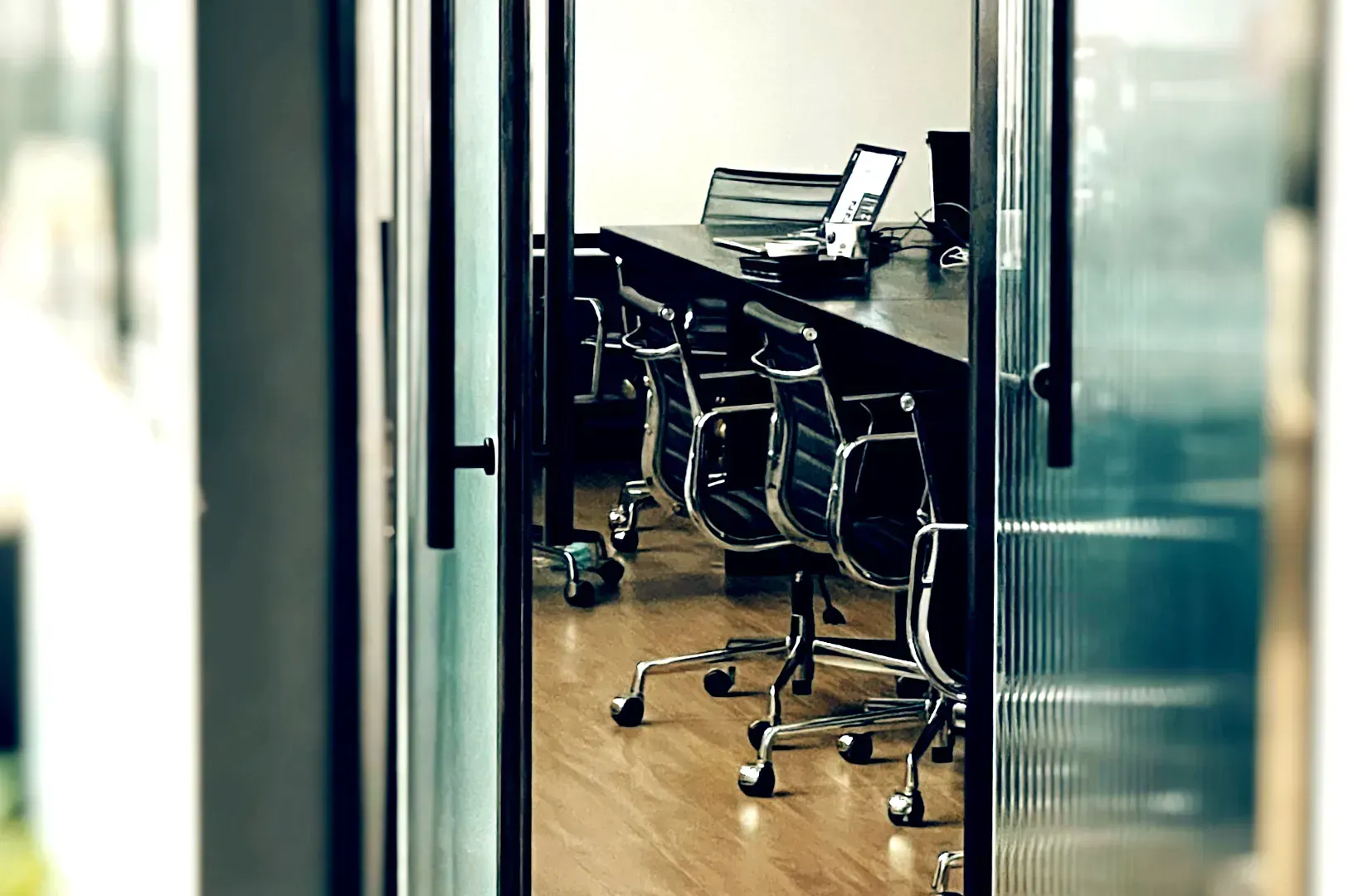
Looking through glass doors into an empty corporate conference room with black leather chairs and la
By Bay San • October 15, 2026
Learn how everyday standards, tolerated lapses, and repeated behaviors quietly shape company culture, team habits, and long-term performance.
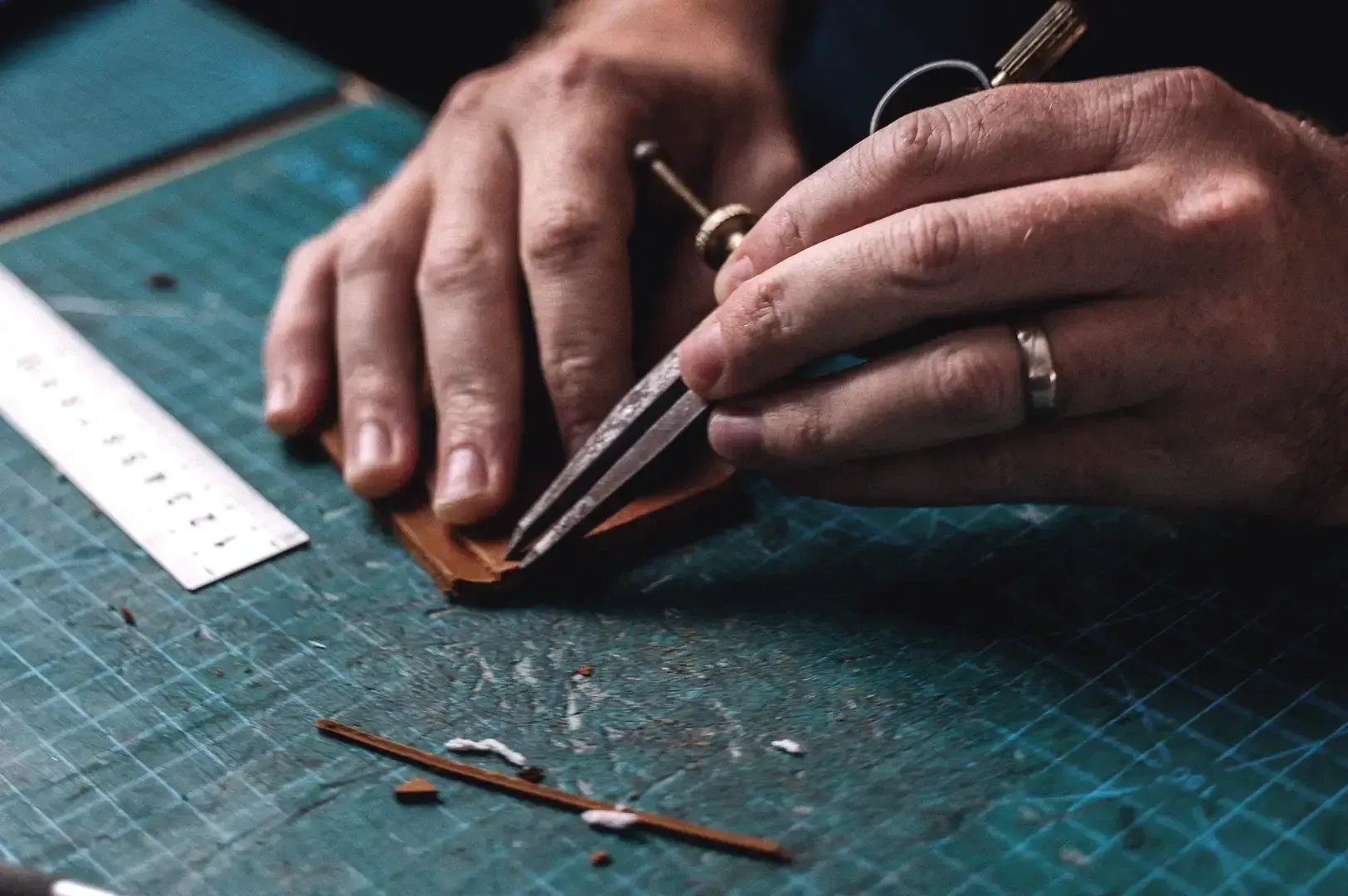
A leather artisan using precision divider tools and a ruler on a cutting mat to meticulously measure
By Bay San • October 13, 2026
Discover why precision, judgment, and shared standards turn craftsmanship into lasting business quality, trust, and stronger systems.
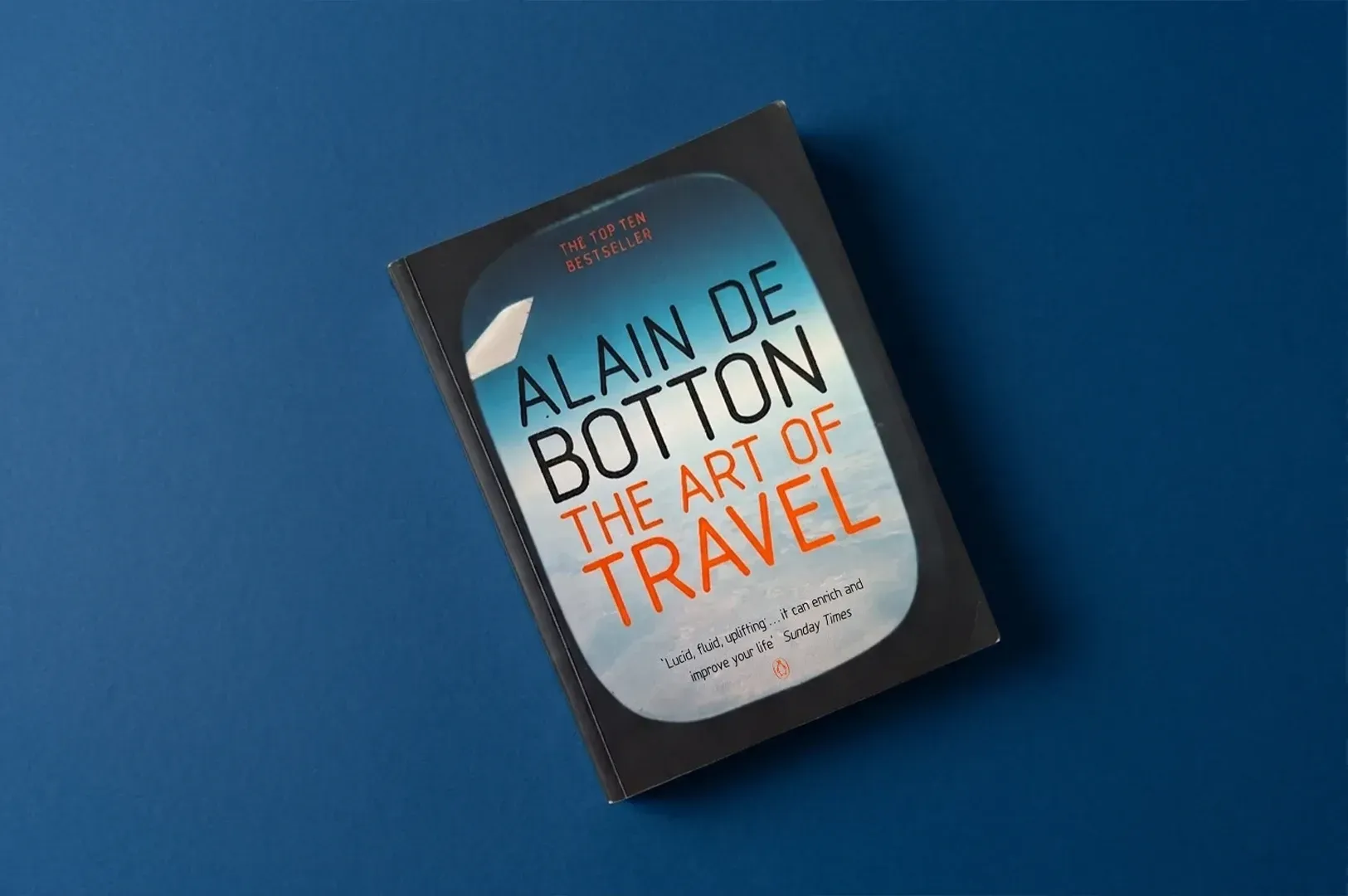
Front cover of The Art of Travel by Alain de Botton featuring an airplane window view, exploring how
By Bay San • October 9, 2026
We bring ourselves wherever we go. De Botton shows that travel's real gift is learning to see, an attention we can carry back home.
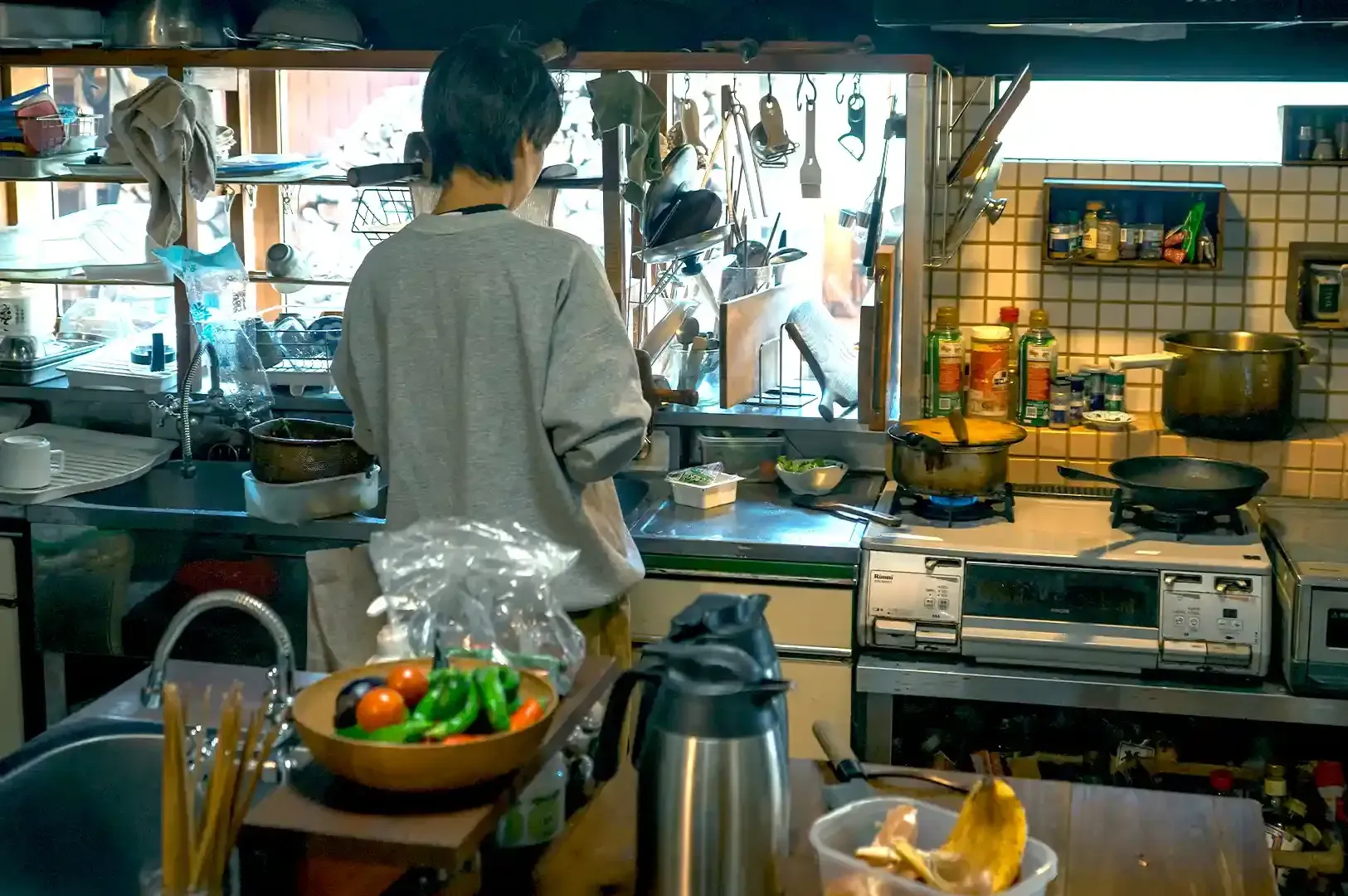
A person preparing seasonal produce in a rustic kitchen, reflecting the patience and natural rhythm
By Bay San • October 8, 2026
Explore how seasonal making, patience, and natural rhythms deepen craft, creativity, and the quiet art of knowing when the time is right.

A mentor holding a digital tablet while coaching a professional who is taking notes in a notebook, i
By Bay San • October 6, 2026
The right mentor does not define who you become. They help you see your values, habits, and blind spots clearly, and leave the deciding to you.
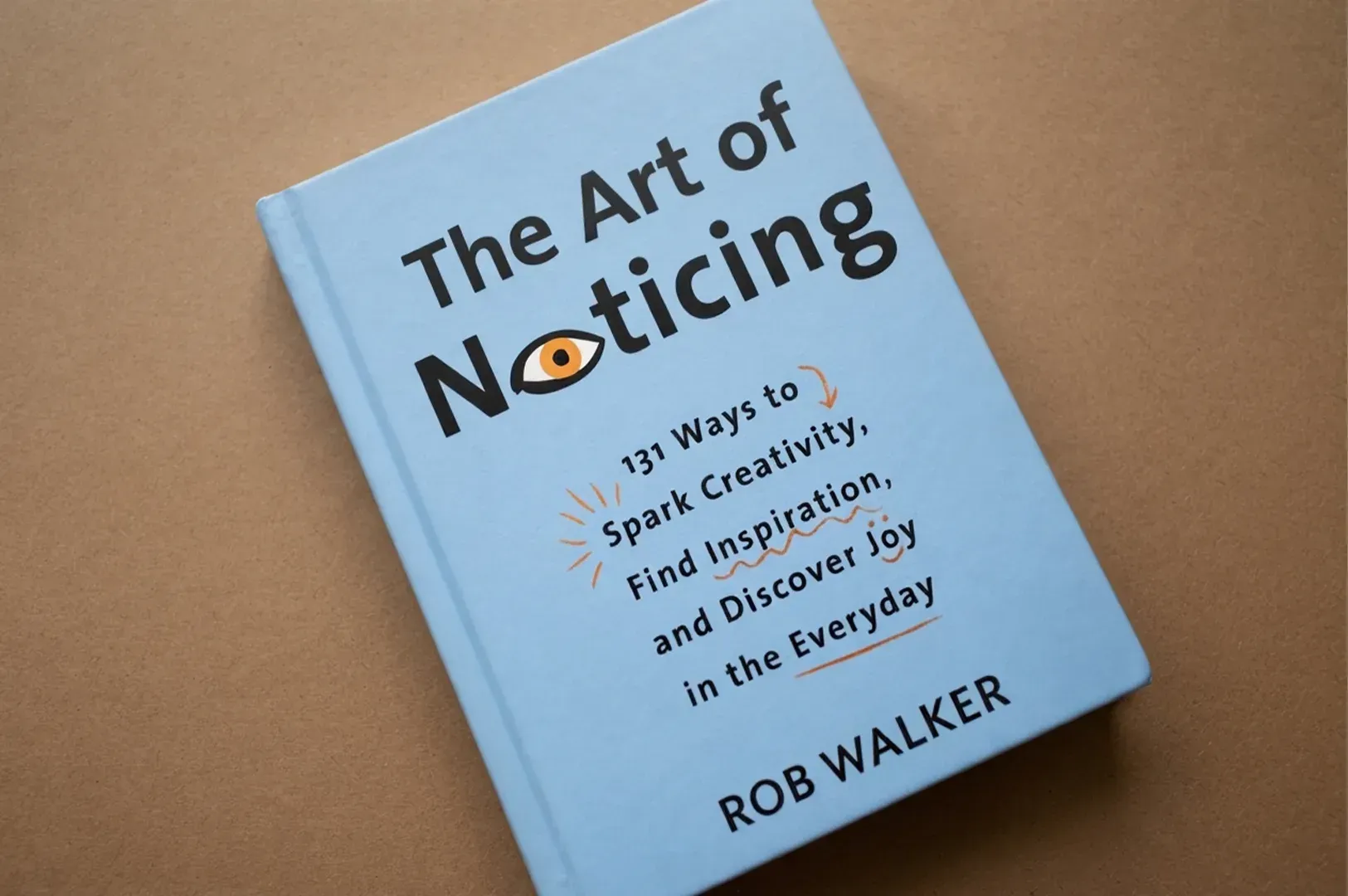
A light blue hardcover copy of The Art of Noticing by Rob Walker resting on a brown surface, highlig
By Bay San • September 18, 2026
Rob Walker shows noticing as a daily discipline, attention that sharpens taste, creativity, and calm power in a distracted world.

Two business professionals shaking hands across a desk, symbolizing trust, agreement, and the slow,
By Bay San • September 17, 2026
On reputation as a compounding asset: slow to build, easy to dilute, and earned in the small, consistent moments no one sees.
An open vintage suitcase resting on a textured surface, containing only an open book and a bright re
By Bay San • September 16, 2026
On travel minimalism as a ritual of attention: how carrying less makes room for presence, memory, and quiet self-command.
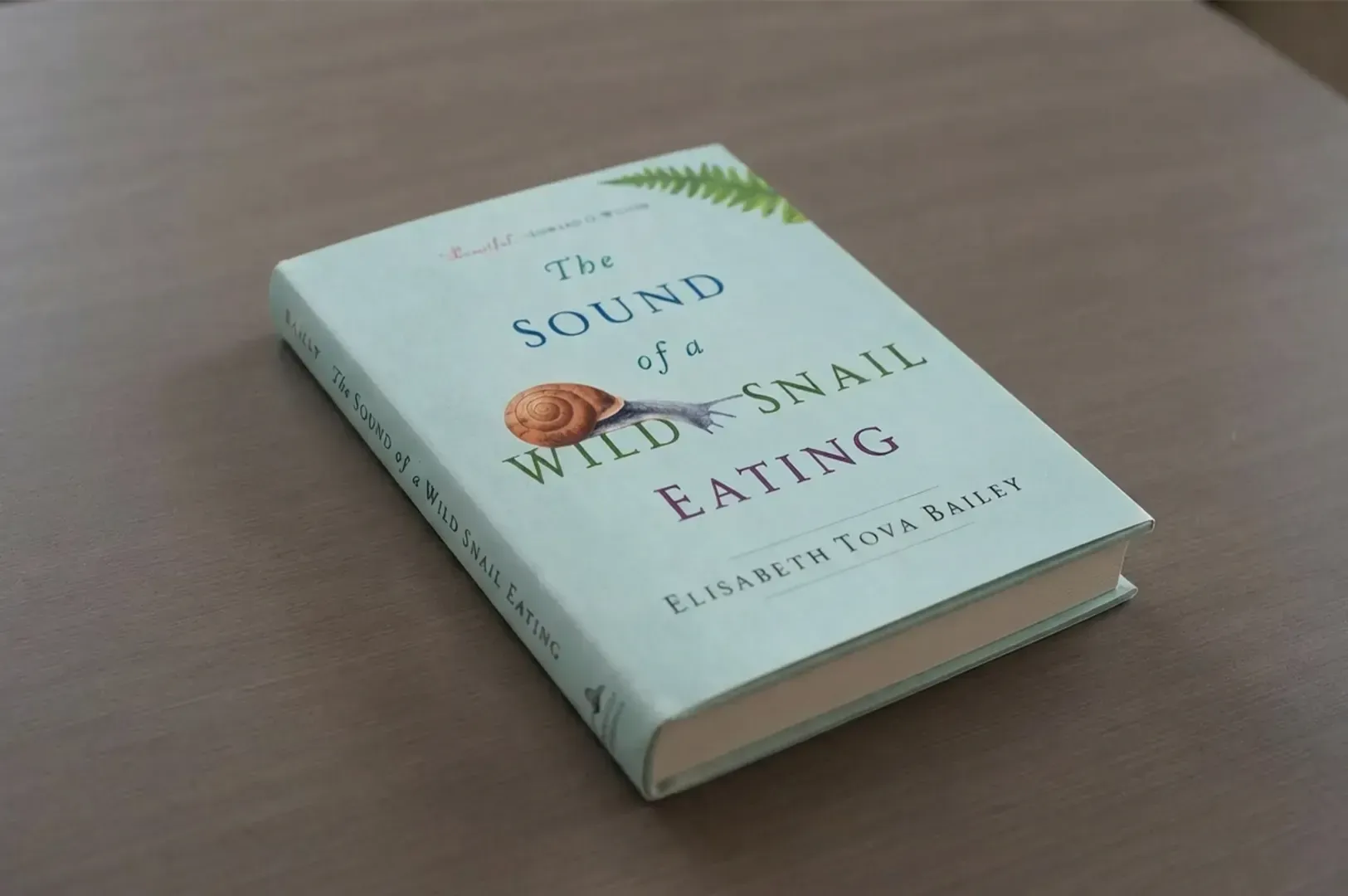
Close-up, three-quarter angle shot of the hardcover book The Sound of a Wild Snail Eating by Elisabe
By Bay San • September 11, 2026
On attention as power: what a bedridden woman and a wild snail taught me about pacing over force, and building things that last by noticing.
A solitary wooden stool standing on a rustic, sunlit wooden floor against a weathered brick and plas
By Bay San • September 10, 2026
On aging well as becoming more specific, not broader or louder. A quiet letter on taste, boundaries, and choosing people over performing for them.

Show More