Markets, Memory, and Meaning: What We Bring Home from Our Travels

Bay San • February 17, 2026

Travel has a way of recalibrating our senses, often in the most subtle and lasting ways. We return home not just with photographs and souvenirs, but with a subtly altered perspective on the world and our place in it. 


The true souvenirs from a journey are often intangible: a new appreciation for the slant of evening light on unfamiliar streets, the lingering memory of a particular spice, or the quiet humility learned from watching a master craftsperson at work. 


These impressions outlast ticket stubs and magnets. The objects we choose to carry back are merely anchors, physical reminders that exist to evoke the richer stories, feelings, and values gathered along the way. They are tokens of the sensibilities and memories that become part of us, shaping the background hum of daily life in ways we may not even realize.


A Memory Etched in Craft

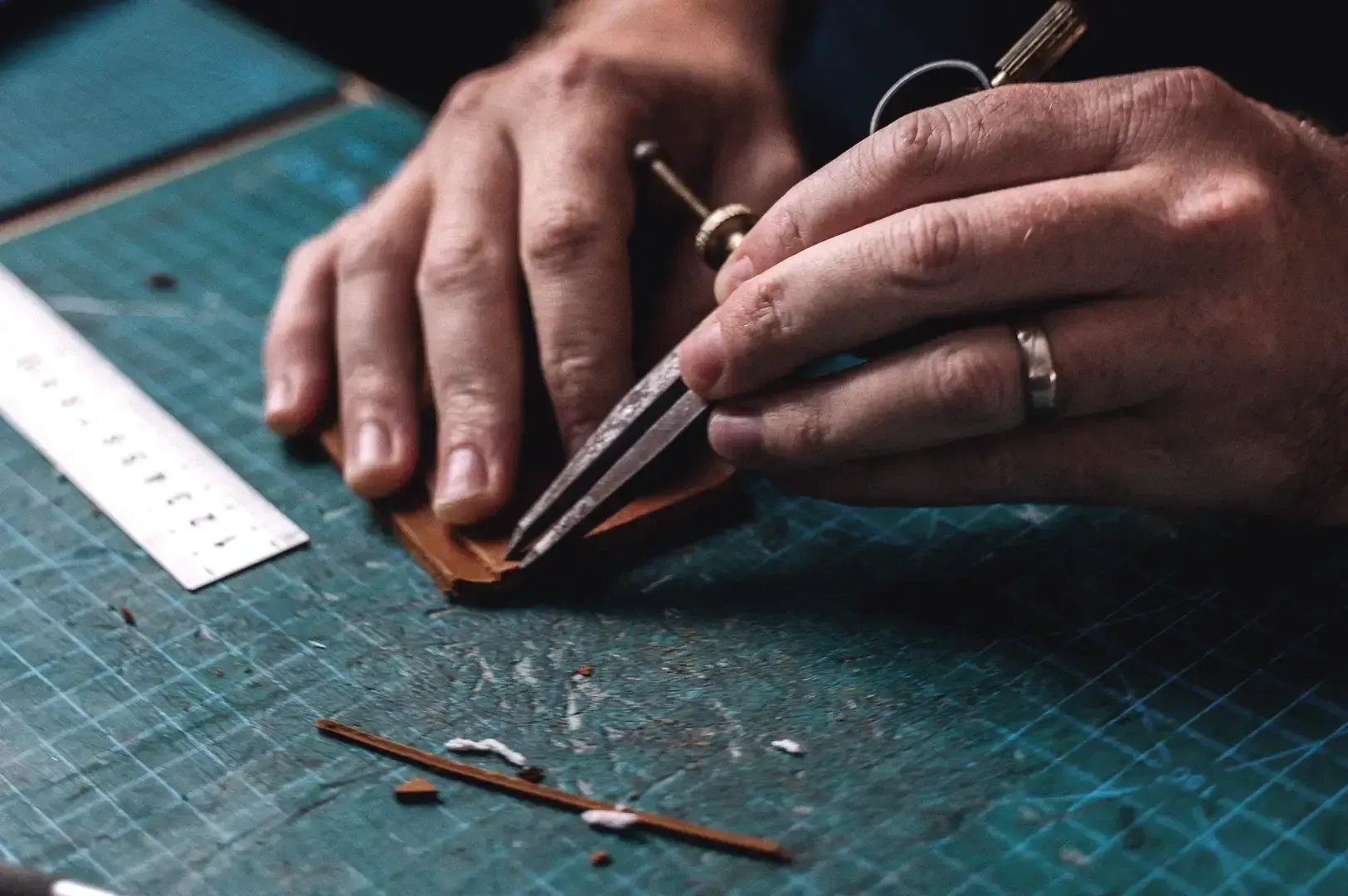
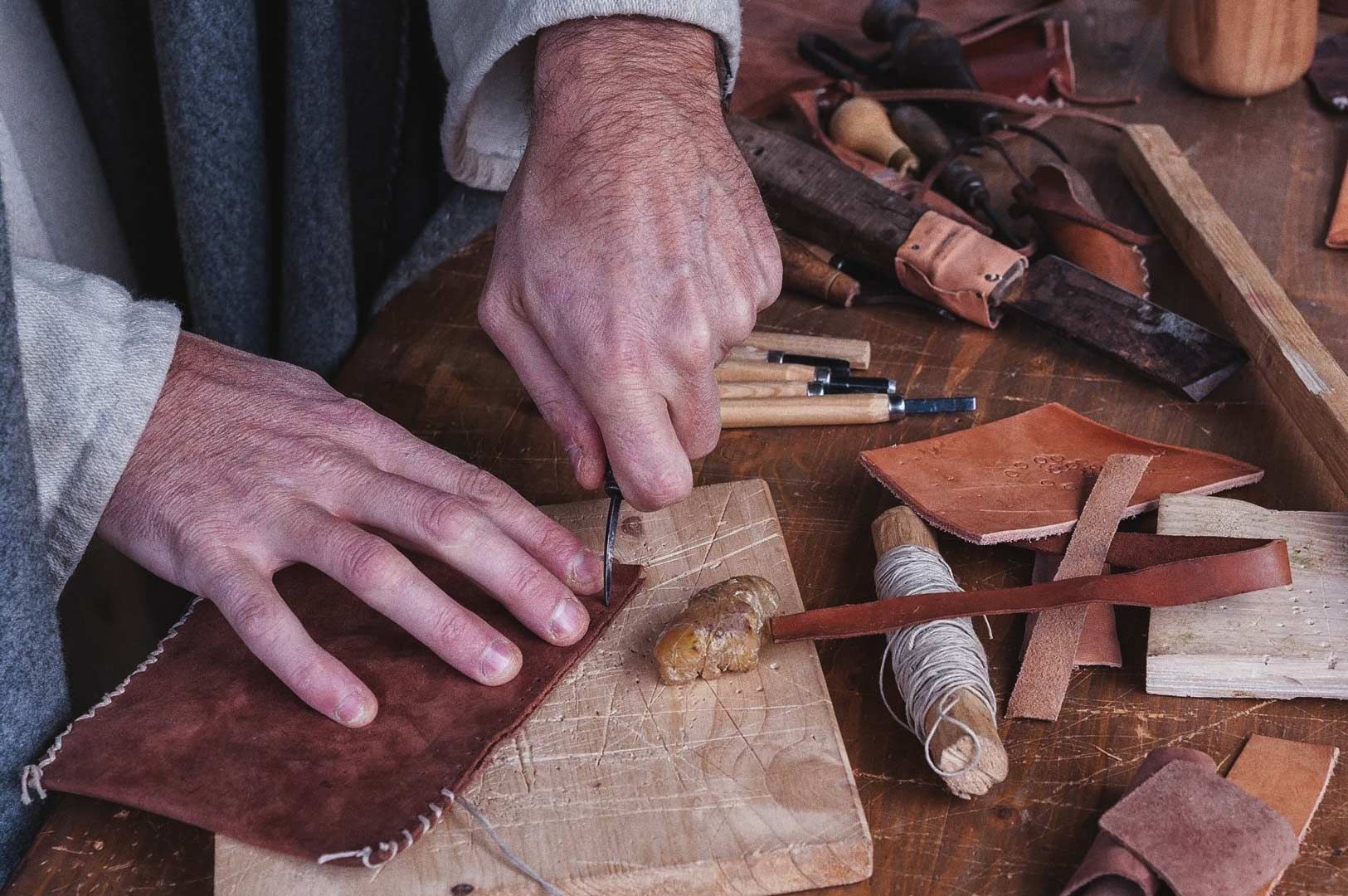
Close-up of hands working on brown leather with cutting tool, surrounded by thread, tools, and strips of leather.

I recall a visit to a small, dusty workshop down a narrow alley in Florence. An elderly man sat at a wooden bench, stitching a leather wallet by hand. His tools were old and worn smooth from decades of use. The air smelled of leather, wax, and a faint hint of pipe tobacco. He worked with a quiet, unhurried rhythm, his focus absolute. I watched him for nearly thirty minutes as he saddle-stitched the seam, each pull of the thread perfectly even, each movement a study in practiced economy. 


I bought a small, simple cardholder from him, not because I needed it, but because I wanted to hold onto the feeling of that room: the quiet dedication, the respect for materials, and the beauty of a skill perfected over a lifetime.


Today, that cardholder sits on my desk. It is not the most beautiful object I own, nor the most valuable. But when I pick it up, I am transported back to that quiet workshop. I can feel the calm focus of the artisan and am reminded of the virtue of doing one thing exceptionally well. The object itself is secondary to the memory it holds. This is the difference between an acquisition and a keepsake. An acquisition fills a space, but a keepsake holds a story.

From Acquisition to Experience

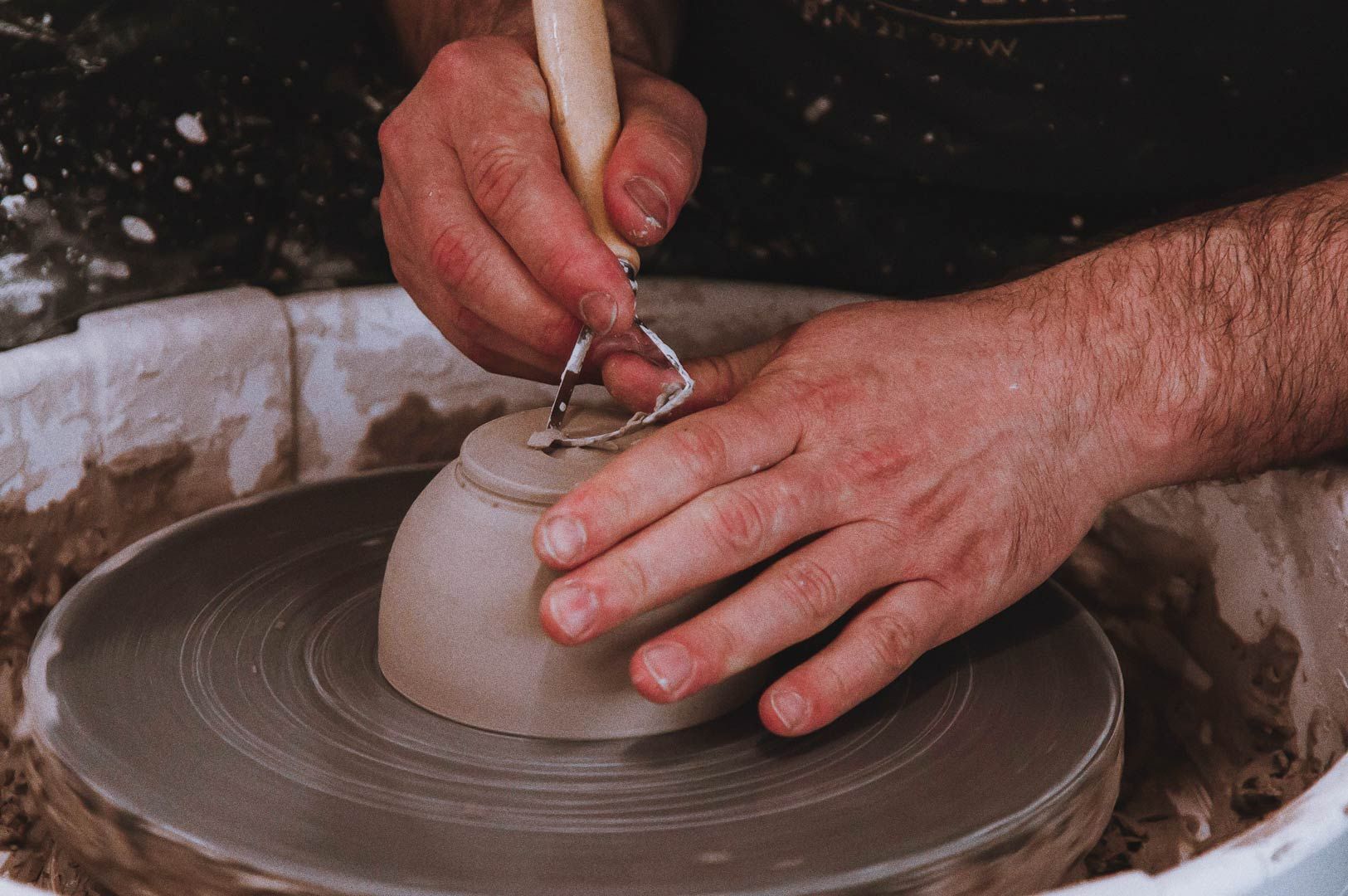
Close-up of hands shaping clay bowl on pottery wheel with carving tool, fingers covered in clay.

This distinction is what separates collecting experiences from merely acquiring things. It is easy to fill a suitcase with trinkets from a tourist market, to be swept up in the search for the unique or the authentic. These objects often provide a fleeting thrill but soon fade into the background of our lives, their meaning detached from any real experience. They are trophies of having been somewhere, but they hold no deeper narrative.


The most meaningful objects are those that find us during moments of genuine connection and observation. A ceramic bowl purchased directly from the potter who made it carries the memory of their hands and their workshop. The bowl becomes imbued with the texture of conversation, the temperature of the clay, the echo of their laughter.


A textile found in a bustling market after a long and patient search carries the story of its discovery: the language barrier, the gesture of bargaining, the satisfaction of making a connection despite differences. These objects become part of our personal history. They are not just things; they are evidence of our curiosity and attention. The thread of meaning is spun from the context and intention with which we acquire them.

Travel as an Editor of Taste

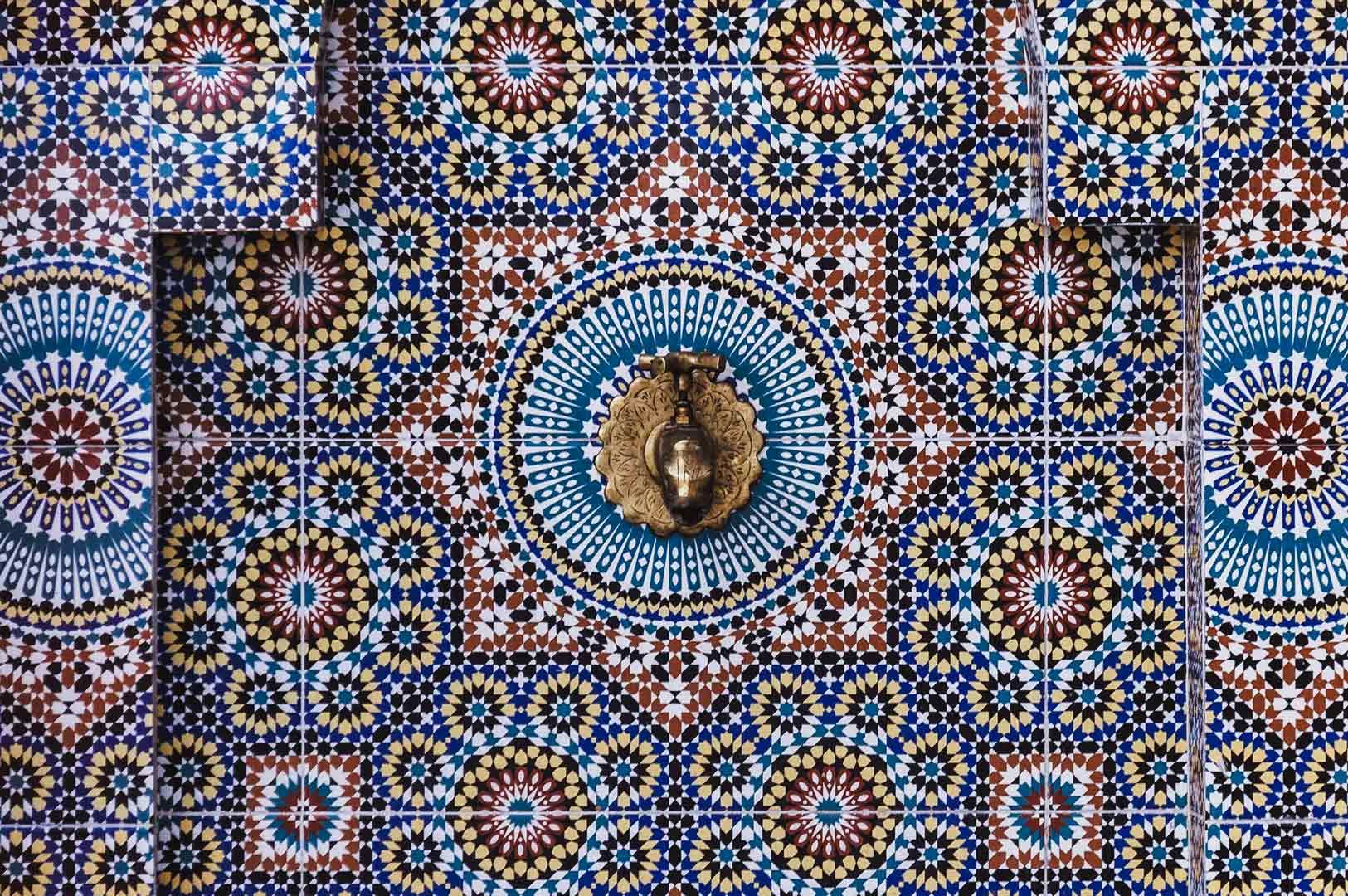
Moroccan zellige tile wall with colorful geometric starburst patterns and ornate brass hand-shaped door knocker centerpiece.

Travel is a powerful editor of our tastes. By exposing us to different cultures, aesthetics, and ways of living, it refines our eye for what we truly value. You may discover a love for the minimalist lines of Japanese ceramics, where restraint is beauty, or the vibrant, complex patterns of Moroccan tiles that breathe joy into everyday spaces. 


This exposure does more than just inform your next purchase; it shapes your entire philosophy of curation. You begin to see your own home and life through a new lens, asking not just if it’s beautiful visually but "Does this have a story? Does it reflect a value I hold dear?" Even if you purchase nothing, the act of looking with intent can change your sense of what it means to collect.

The Stories We Bring Home

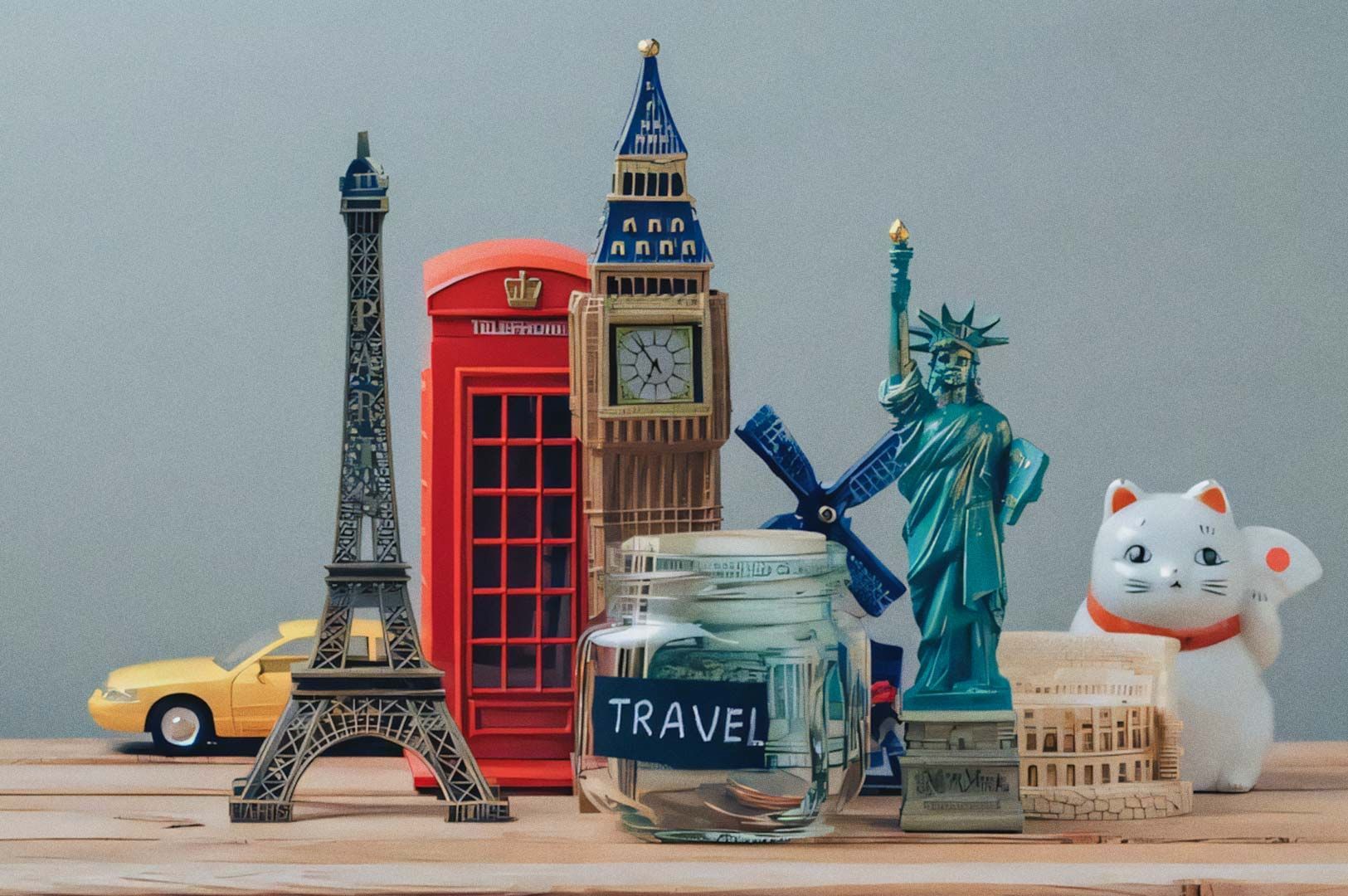
Collection of miniature landmarks like Eiffel Tower, Statue of Liberty, Big Ben, and a jar labeled TRAVEL filled with money.

What we bring home from our travels is ultimately a reflection of what we have learned and how we have changed. It is a set of refined sensibilities, a deeper appreciation for craftsmanship, and a collection of stories embodied in a few, carefully chosen objects. The physical items are simply the footnotes to a much richer text written in memory.


A kitchen spoon acquired in a market becomes more than a utensil; it becomes a daily reminder of laughter shared over a vendor’s stall. A handwoven scarf serves as a tactile memory of time spent in the cool mornings of an unfamiliar place. Even the act of leaving some objects behind, of choosing not to purchase, can feel like a conscious tribute to restraint and to the value of the journey itself over any single acquisition.


The real treasure, then, is not the object but the quiet, internal shift that occurs when we allow the world to leave its mark on us, changing not just what we own, but how we see. The best souvenirs are not things, but the subtle ways in which travel trains our attention, hones our discernment, and gently alters the rhythm of our ordinary days.

Recent Posts

Minimalist book cover of The Laws of Simplicity by John Maeda displayed on a bright yellow backgroun
By Bay San February 13, 2026
On the power of restraint: Maeda's ten laws reveal that simplicity is not subtraction but strategic clarity. A reflection on doing less, better.
Image of a lone figure sitting in a slim vertical alley, leaning back with legs crossed, centered in
By Bay San February 12, 2026
On cultivating intentional solitude as a counterbalance to constant connectivity. A reflection on chosen withdrawal as essential practice for clarity and creation.
Bright, airy modern living room with curved light armchairs, dark round coffee table, teardrop wall
By Bay San February 10, 2026
How intentional curation becomes a personal language. On the difference between accumulation and meaningful collecting as self-expression.
By Robert Macfarlane February 9, 2026
On thinking with your feet: Macfarlane's walking journeys reveal that clarity comes through movement, not stillness. A reflection on embodied wisdom.
The image features the modern, curved architecture of Istanbul Medipol University's Kavacık South Ca
By Bay San February 5, 2026
Practical wisdom on creating organizations designed to thrive beyond you. On systems, succession, and the architecture of institutional longevity.
Two men are diligently working in a shipyard, using hammers to chip away at the weathered, rusty hul
By Bay San February 3, 2026
On seeking out master craftsmen in hidden workshops around the world, and what their quiet spaces reveal about the nature of true mastery and dedication.
A person's hand holds a small, navy blue book titled Silence: In the Age of Noise by Erling Kagge, w
By Erling Kagge February 2, 2026
On finding stillness in noise: Erling Kagge's meditation reveals silence as a cultivated skill, not escape. A reflection on attention and inner discipline.
Two people sit closely together, smiling as they look at a tablet, with one pointing at the screen.
By Bay San January 29, 2026
On distant mentorship, the discipline of learning through observation, and how studying complete lives shapes how we build our own. A reflection on influence.
This close-up image features an assortment of crafting tools, including pliers, scissors, and a wire
By Bay San January 27, 2026
On craft, attention, and the irreplaceable value of human hands in an automated world. A reflection on what machines cannot replicate.
The image features a close-up, angled view of the book cover for Mastery by George Leonard. It showc
By George Leonard January 23, 2026
On loving the plateau: George Leonard's Mastery reveals that fulfillment comes not from peaks but from patient practice. A meditation on craft and endurance.
Show More