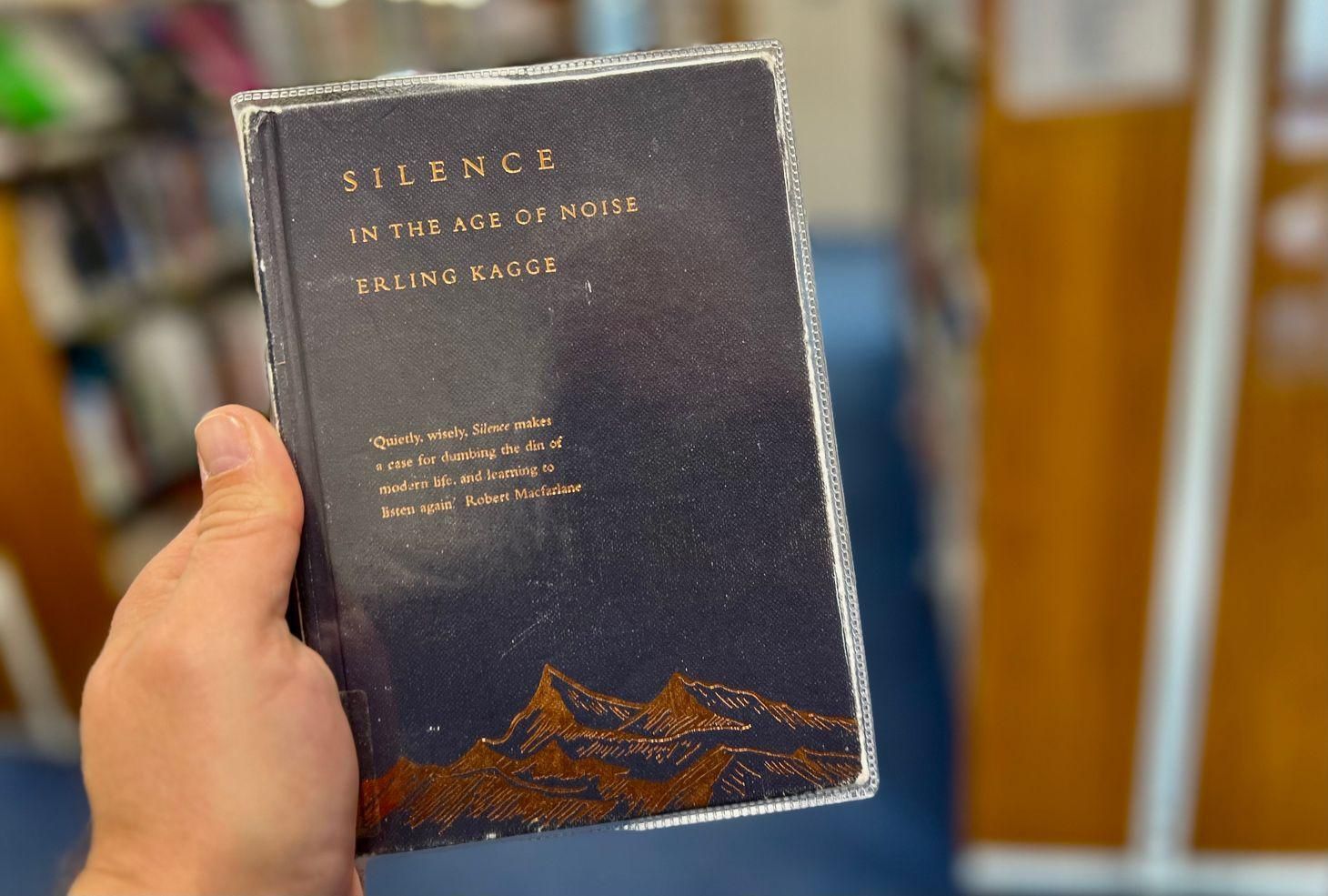

Silence: In The Age of Noise

Erling Kagge

In a world engineered for constant noise and distraction, silence has become the ultimate luxury. But is it a luxury we must travel to the ends of the earth to find? For Erling Kagge: an explorer who has walked to the South Pole alone, summited Everest, and sailed the oceans, the answer is a resounding no. His beautiful and concise meditation, *Silence: In the Age of Noise*, is not a travelogue of remote, quiet places. Instead, it is a profound exploration of the silence that can be cultivated within, even amidst the clamor of modern life.


Kagge’s perspective is shaped by his experiences in extreme environments, but his insights are universal. He redefines silence not as the mere absence of sound, but as a deliberate state of being; a skill to be honed and a space to be entered. This is a critical distinction. We often think of silence as something to be found by escaping our environment. Kagge argues it is something we must create, an internal discipline that allows us to shut out the world’s noise in order to hear ourselves think. This idea has resonated deeply with my own practice of running multiple businesses, where the demand for my attention is relentless. The ability to find a moment of true silence, in a busy office, between meetings, on a crowded flight, is not an indulgence; it is a prerequisite for clarity.

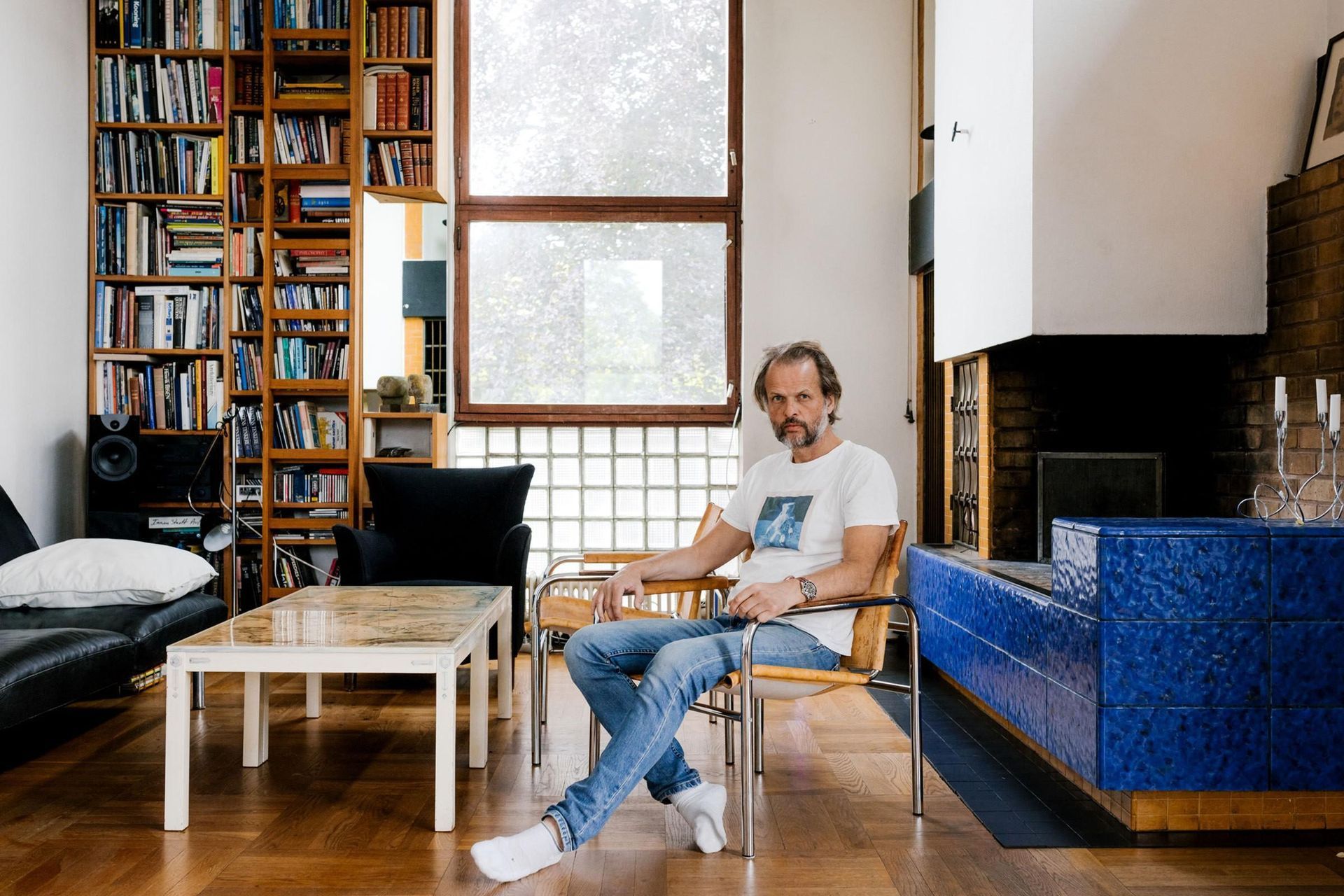
A man with a beard sits in a wooden chair within a bright living room, surrounded by a floor-to-ceiling bookshelf and a distinctive blue-tiled fireplace. Large windows provide natural light to the space, which features parquet flooring and modern furniture.

The power of Kagge's book lies in its rejection of typical productivity or self-help frameworks. He is not offering a seven-step guide to a quieter life. As an explorer, his approach is more fundamental, almost primal. He understands that silence is not about relaxation; it is about focus. It is the necessary condition for making a life-or-death decision on a treacherous expedition, for navigating by subtle environmental cues, or for enduring profound isolation. This perspective elevates the practice of seeking silence from a wellness trend to a form of quiet power. For the entrepreneur, the artist, or the leader, this internal stillness is where the most important work gets done. It is in the quiet moments that a complex problem unravels, a new idea surfaces, or a difficult decision becomes clear.

A silhouetted figure wearing a hood is captured in profile against a dark background, with their head tilted downward in a reflective pose. Strong backlighting creates a sharp rim of light along the subject's edge and illuminates a hazy, smoke-like texture swirling behind them.

Kagge’s short, poetic chapters are not prescriptive. They are invitations. He asks, “What is silence? Where is it? Why is it more important now than ever?” He doesn't provide easy answers, but instead prompts the reader to look for them in their own experience. This is not a book about escaping to a monastery or a silent retreat. It is a guide to finding the monastery within yourself. It makes the compelling case that in an age of overwhelming noise, the ability to cultivate an inner sanctum of quiet is not just a skill, but a form of freedom. It is the power to choose what you give your attention to, and in doing so, to choose the quality of your own life.

More Book Reviews

Minimalist book cover of The Laws of Simplicity by John Maeda displayed on a bright yellow backgroun
By Bay San February 13, 2026
On the power of restraint: Maeda's ten laws reveal that simplicity is not subtraction but strategic clarity. A reflection on doing less, better.
By Robert Macfarlane February 9, 2026
On thinking with your feet: Macfarlane's walking journeys reveal that clarity comes through movement, not stillness. A reflection on embodied wisdom.
The image features a close-up, angled view of the book cover for Mastery by George Leonard. It showc
By George Leonard January 23, 2026
On loving the plateau: George Leonard's Mastery reveals that fulfillment comes not from peaks but from patient practice. A meditation on craft and endurance.
This image features a top-down view of the business book
By Jerry I. Porras & James C. Collins January 16, 2026
On building for permanence: Collins and Porras reveal that visionary companies preserve core values while adapting everything else. A reflection on institutional design.
This overhead shot displays two books placed on a dark, weathered wooden table, featuring the Englis
By Yanagi Sōetsu January 6, 2026
On beauty without ego: Yanagi's meditation on folk craft reveals how mastery emerges through selfless work, not individual ambition. A reflection on craft and legacy.