


Hidden Workshops: Discovering Master Craftsmen Around the World
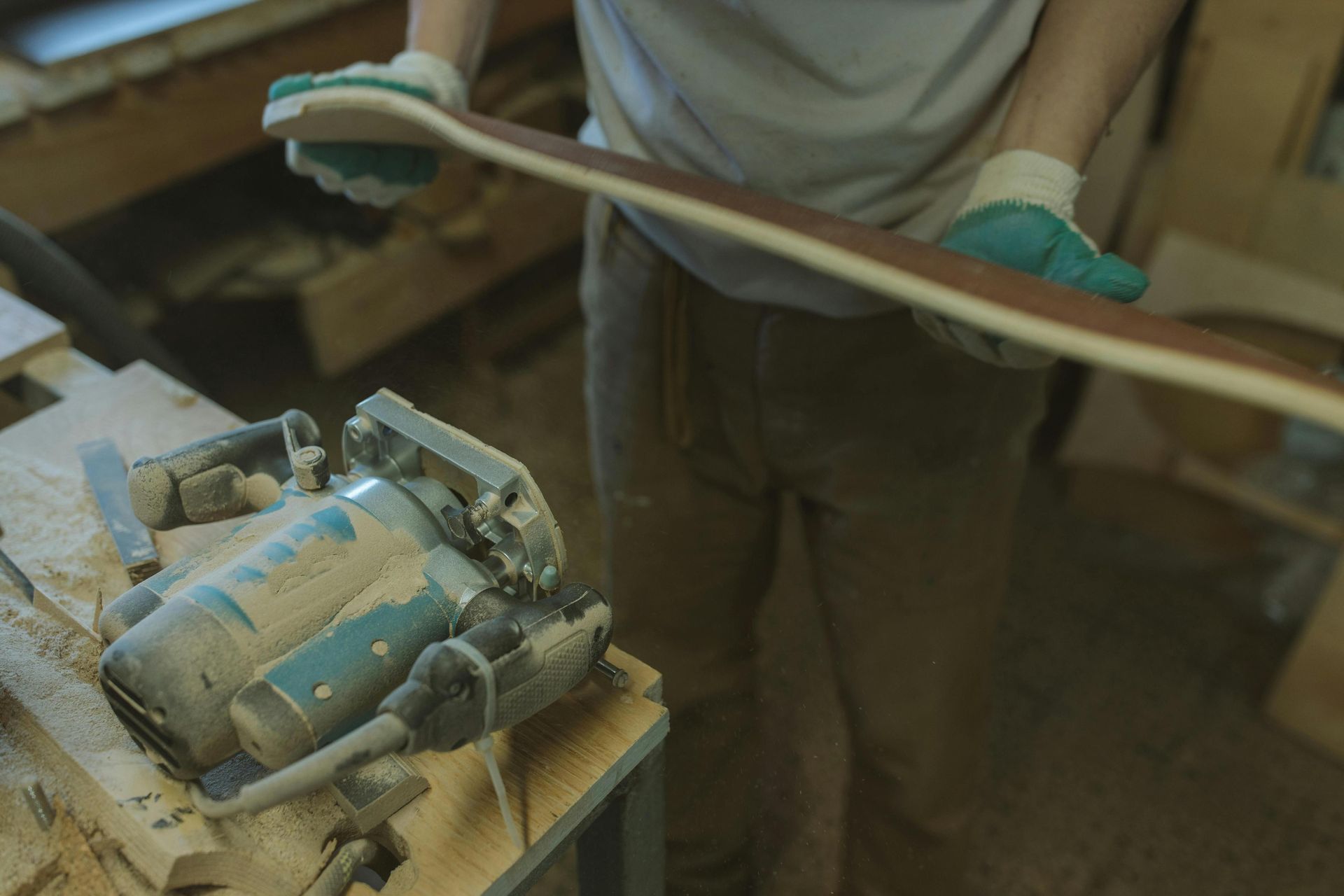
The pursuit of true craft often leads down quiet streets and into unmarked buildings. It is a journey away from the polished storefronts and into the hidden workshops where mastery is cultivated in private. These spaces, filled with the scent of raw materials and the quiet hum of focused work, are sanctuaries of dedication. They are where the world’s finest craftsmen practice their art, not for attention or acclaim, but for the sake of the craft itself. Seeking out these workshops is more than a travel curiosity; it is an act of pilgrimage to the heart of what it means to create something of enduring value.
My travels have been punctuated by these visits to the ateliers of artisans who embody this quiet mastery. These encounters have taught me that the environment where work is done is not just a backdrop; it is an active participant in the creative process. The workshop is a physical manifestation of the
maker's philosophy, a space where every tool, every surface, and every ray of light tells a story of discipline and devotion.
The Ceramicist's View

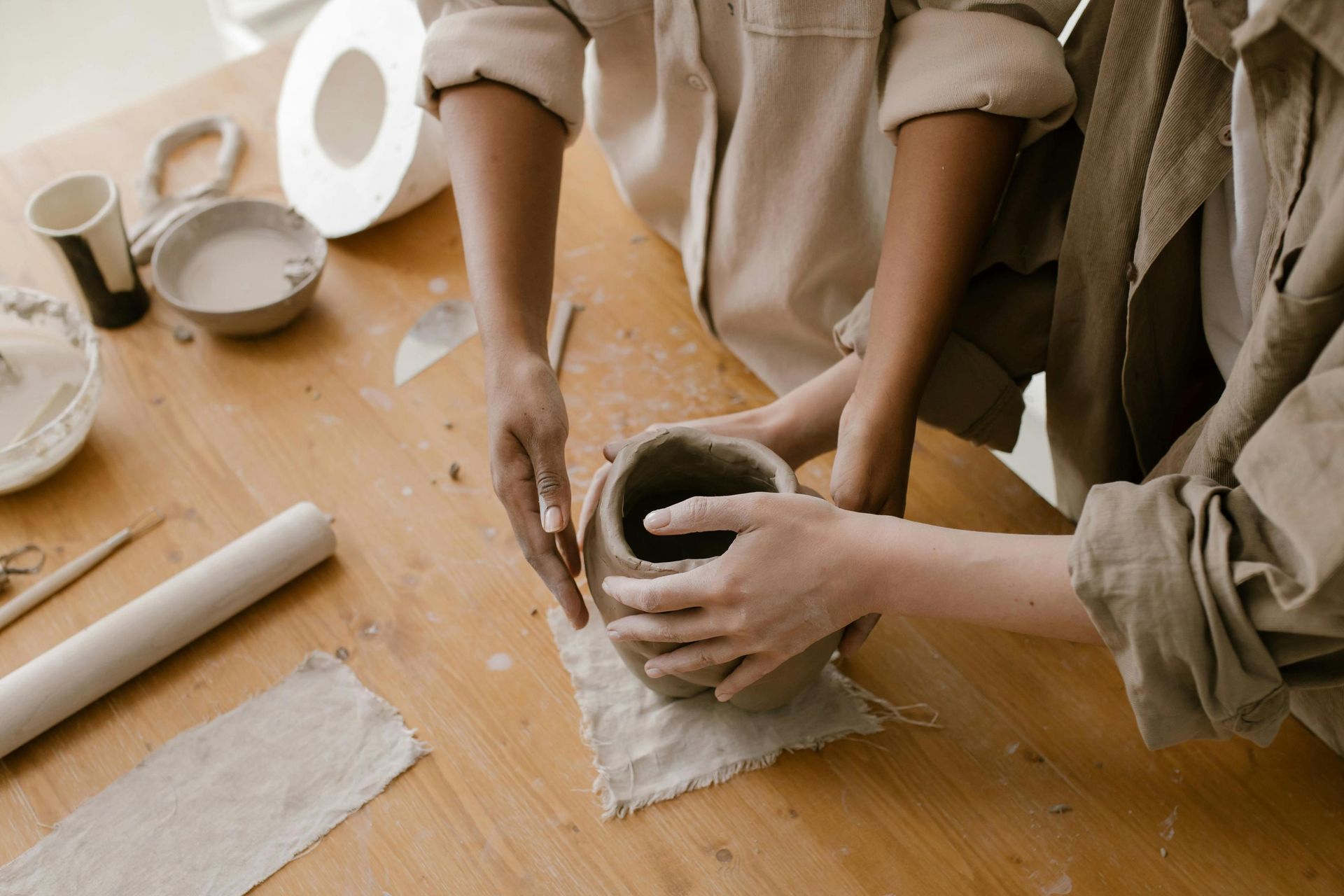
I once had the privilege of visiting the studio of a multi-generational ceramicist in a small village outside Kyoto. The workshop was not a sterile, modern space. It was a modest, time-worn wooden building nestled beside a stream. To enter was to step into a different rhythm. The air was cool and smelled of damp earth and woodsmoke from the nearby kiln. The only light came from a large, north-facing window that looked out onto a mossy garden, casting a soft, consistent glow over the workspace.
The potter sat at his wheel, his body still, his hands moving with an economy of motion that spoke of a lifetime of practice. But what struck me most was the space itself. Every surface was covered in a fine layer of dried clay dust, a pale ghost of countless creations. Tools were not neatly organized in a commercial pegboard system; they were arranged in a logic known only to him, resting in earthenware pots he had likely made himself. A collection of finished pieces sat not on pristine display shelves, but on simple wooden planks, aging gracefully as they awaited the final firing.
The workshop revealed his philosophy without a single word. His proximity to nature, the reliance on natural light, and the patina of use on every object spoke of a deep respect for materials and a rejection of superficiality. The space was not designed for presentation; it was designed for practice. It was a testament to the idea that mastery is not a performance, but a private, daily conversation between the maker, the material, and the environment.
The Logic of Obscurity

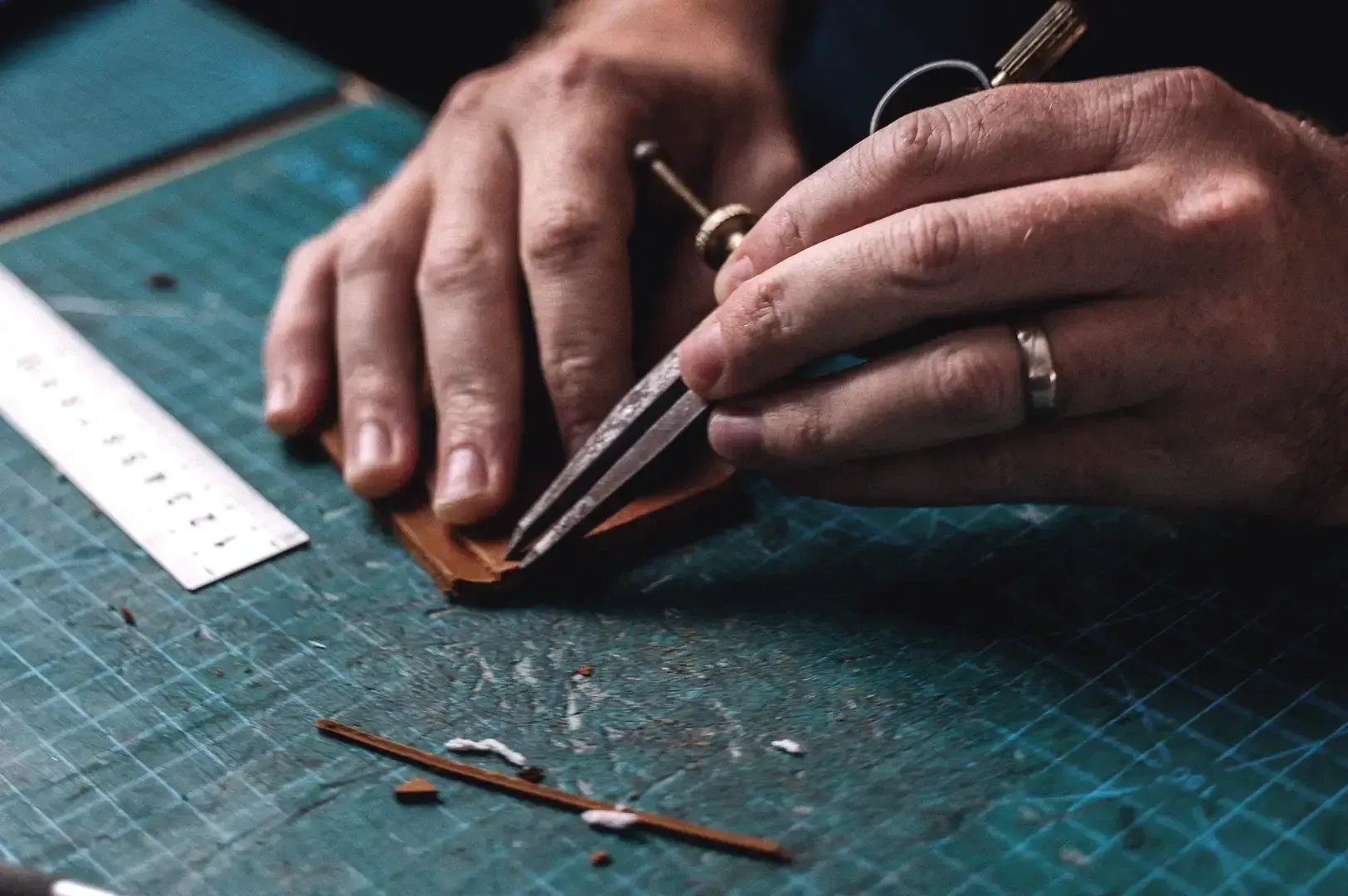
One of the most fascinating aspects of these masters is that they often work in relative obscurity. The world's greatest leatherworker may not have a flashy website. The most skilled watchmaker may operate from a small, unmarked room above a quiet street. This is not a failure of marketing; it is a conscious choice.
True mastery demands an almost monastic focus. The noise of public attention, the demands of managing a large-scale brand, and the pressure to constantly produce for a commercial market are all distractions from the core work. By remaining small and out of the spotlight, the craftsman preserves the one thing they value most: the time and mental space to do their best work.
Their obscurity is a filter. It ensures that their clients are those who seek them out not because of hype, but because of a deep appreciation for the quality of the work. This creates a relationship built on mutual respect rather than a simple transaction. The hidden workshop becomes a destination for those in the know, a quiet center of excellence whose reputation is built on the tangible quality of the work, not the volume of its advertising.
The Parallels of Craft

There is a powerful parallel between the discipline of the artisanal craftsman and the craft of the entrepreneur. Both require an unwavering commitment to a vision, an obsessive attention to detail, and a deep well of patience. Building a meaningful business, like creating a masterpiece, is a long game of repetition and refinement.
- Patience: The artisan knows that wood must be aged, that clay must be cured, and that a finish must be built up in thin, patient layers. The entrepreneur must also understand that a strong company culture, a loyal customer base, and a resilient brand cannot be built overnight.
- Repetition: The master craftsman achieves their fluid grace through thousands of hours of repetition. Each day, they practice the same fundamental skills, honing their muscle memory and deepening their intuition. Similarly, the successful entrepreneur knows that excellence in business comes from the consistent execution of core processes, day in and day out.
- Refinement: The artisan is never truly finished. They are always looking for a way to improve their technique, to better understand their materials, or to refine their design. This relentless pursuit of incremental improvement is the same engine that drives innovation in business. The goal is not a single moment of perfection, but a continuous process of getting better.
The hidden workshop is a powerful reminder that the most important work in any field is often the quiet, unglamorous, and repetitive work that no one else sees.
A Sanctuary of Focus

The atmosphere within these workshops is one of profound calm and focus. The materials, tools, and rhythms of the space all contribute to this state of being. The neat stacks of raw leather in a Florentine workshop, the orderly rows of tiny gears in a Swiss watchmaker's atelier, the quiet bubbling of a natural dye vat in a textile studio; these are all expressions of a mind that values order, precision, and preparation.
The tools are often old, worn smooth by years of use, and perfectly suited to the maker's hand. They are not disposable objects, but trusted partners in the creative process. The rhythm of the work is steady and unhurried. There is no sense of frantic energy, only a deep and focused engagement with the task at hand.
These spaces teach us that the environment we create for ourselves has a profound impact on the quality of our work. A space that is designed for deep focus, that honors its materials, and that minimizes distraction is a space where mastery can flourish.
Seeking out these hidden workshops is an education in itself. It is an opportunity to witness firsthand the power of quiet dedication and the beauty of a life spent in pursuit of a single craft. It is a reminder that the most valuable things are rarely the loudest or the most visible.
True mastery is cultivated in private, in the quiet, dusty workshops where hands, heart, and mind come together to create something of lasting worth.