



The Business of Beauty: Building Companies That Inspire
In the precise language of business, beauty is often considered a subjective and frivolous expense. It is relegated to the marketing budget, treated as a decorative layer applied at the end of a process, rather than a structural component built in from the beginning. This is a profound misunderstanding of its power. After decades spent building ventures in diverse fields like education, hospitality, and property, I have learned that beauty is not an indulgence. It is a discipline. It is a strategic choice that, when pursued with rigor, becomes a formidable competitive advantage.
Purposeful design and aesthetic integrity are not soft skills; they are hard infrastructure. They inform culture, attract talent, signal quality, and build the kind of deep, abiding loyalty that no advertising campaign can purchase. A business that commits to beauty is making a statement about its standards, its respect for its customers, and its intention to endure. It is choosing to inspire rather than simply transact.
The Moment Beauty Became a Business Case

This understanding was not an abstract philosophy for me. It was a lesson learned in the marketplace. Early in my career, we were developing a small, boutique residential property in a competitive urban area. The conventional wisdom at the time was to maximize square footage and minimize costs on non-essential finishes. Our competitors were building functional, uninspired boxes.
I made a different choice. I insisted on allocating a significant portion of our budget to details others deemed extravagant: oversized windows that flooded the spaces with natural light, custom millwork that felt solid and satisfying to the touch, and a thoughtfully landscaped entryway that offered a moment of calm before one entered the building. My partners were skeptical. The numbers on the spreadsheet suggested these were unnecessary costs that would reduce our profit margin.
The property launched, and something remarkable happened. While competing units nearby lingered on the market, ours were acquired almost immediately, and at a premium. During viewings, prospective buyers did not just talk about the price or the location. They commented on the quality of the light. They ran their hands over the wooden cabinetry. They spoke of how the space made them feel.
The beauty we had invested in was not just an expense line; it was our most effective marketing. It communicated a story of quality and care that resonated on a level far deeper than a list of features. It attracted a certain kind of buyer who understood and valued that difference. That was the moment I stopped seeing beauty as a cost center and began to understand it as one of the most powerful engines of value creation.
The Architecture of Loyalty

Companies that inspire fierce loyalty often have one thing in common: a relentless and consistent attention to aesthetic and experiential detail. This goes far beyond a logo or a well-designed product. It permeates every touchpoint of the business. It is the way a phone is answered, the texture of the paper an invoice is printed on, the cleanliness of a washroom, and the intuitive flow of a website.
This consistency creates a feeling of coherence and trustworthiness. It tells the customer that the organization cares about everything, not just the things that directly generate revenue. This obsessive attention to detail is a form of respect. It honors the customer’s time, intelligence, and sensory experience.
Consider our tea room. The vision is to provide a sanctuary of calm. This vision is not executed through a sign on the wall but through a thousand deliberate aesthetic choices. The weight of the ceramic cup in your hand, the specific scent of incense that is barely perceptible, the absence of loud noises, the carefully curated playlist of ambient music. Each element is a brushstroke in a larger painting. When a guest feels a sense of peace, they are not responding to one thing. They are responding to the integrity of the whole experience. This is what builds affection for a brand. People return not just for the product, but for the feeling that the space gives them.
Craftsmanship, Perception, and Long-Term Value

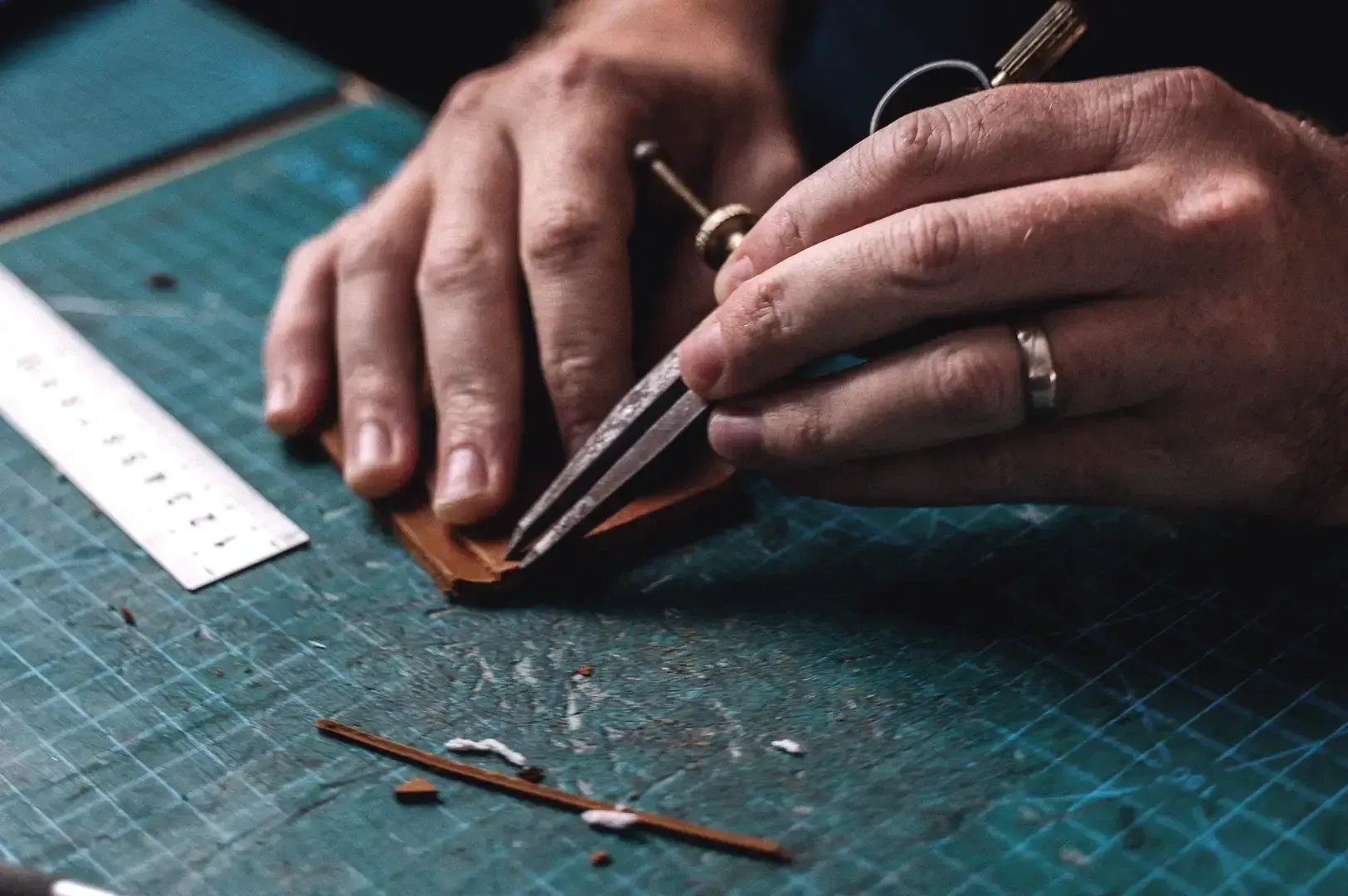
In the long run, the market is a discerning judge of quality. Trends fade, advertising slogans are forgotten, but the value of true craftsmanship endures and often appreciates. Craftsmanship is the physical manifestation of discipline and respect for both material and user. It creates a powerful brand perception that is difficult for competitors to replicate.
When an object or an experience is beautifully crafted, it broadcasts a message of substance. Our omakase restaurant is an exercise in this principle. The value is not just in the rare and expensive ingredients. It is in the visible craftsmanship of the chef’s knife skills, the perfect seasoning of the rice, and the elegant simplicity of the presentation. Every detail signals mastery. This perception of quality allows us to command a premium, but more importantly, it builds a reputation that transcends reviews and ratings. It creates a brand that people trust implicitly.
This same principle applies to property investment. A well-designed building with high-quality materials and construction ages gracefully. It requires less maintenance, retains its value through economic cycles, and continues to attract discerning tenants decades after it is built. This is the ultimate expression of long-term value creation. Beauty, in this context, is simply the name we give to timeless design and superior execution.
Beauty as Essential Infrastructure

It is a mistake to think of beauty as something separate from the "real" business. It is the business. It is the invisible infrastructure that holds everything together.
In our educational academy, the beauty of the physical environment is a core part of our pedagogical strategy. Clean, organized, and light-filled classrooms reduce distraction and signal to students that their work is important. The presence of art and thoughtfully designed common areas communicates a respect for culture and learning. This environment shapes behavior. It encourages focus, respect, and a sense of calm aspiration. It is as crucial to our success as our curriculum.
Beauty is not a luxury you add when you are successful. It is a discipline you practice to become successful. It requires conscious choice, rigorous execution, and a belief that the way you do something is as important as what you do. It is the quiet, steady work of building something that does not just function, but inspires. In a world saturated with noise and mediocrity, a commitment to beauty is the ultimate differentiator. It is the choice to build a business that people do not just use, but love.