
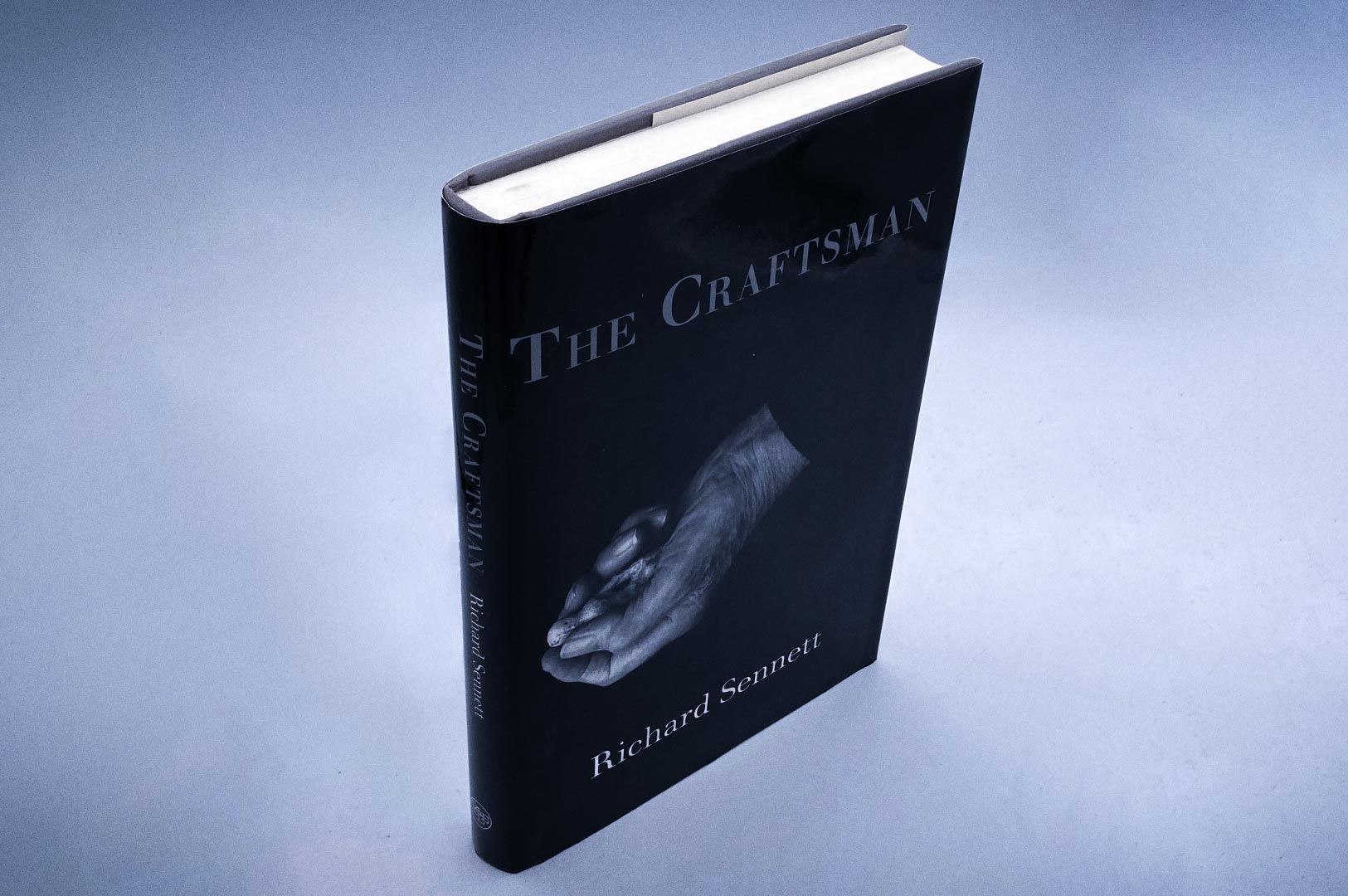
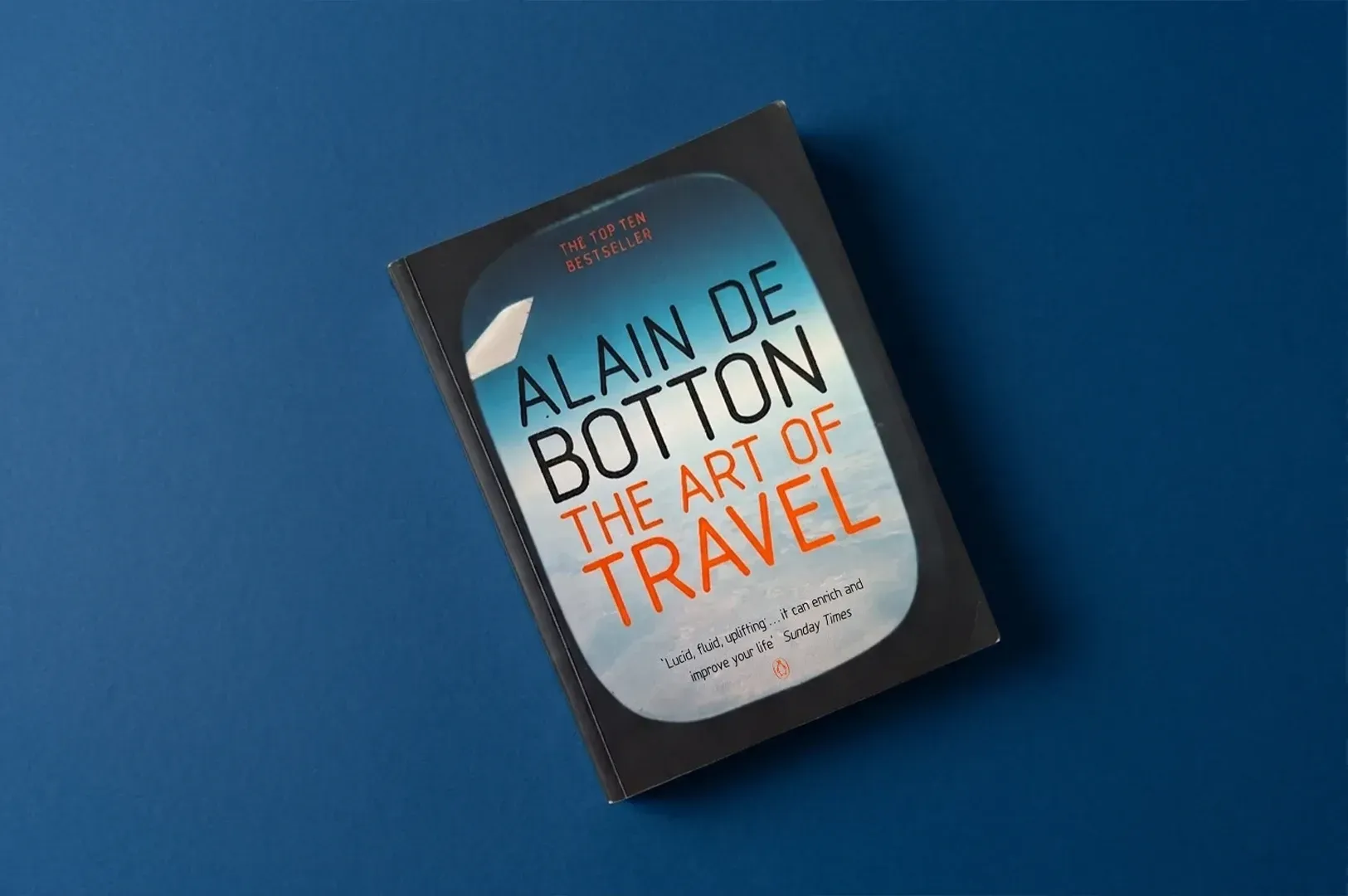
We bring ourselves wherever we go. De Botton shows that travel's real gift is learning to see, an attention we can carry back home.
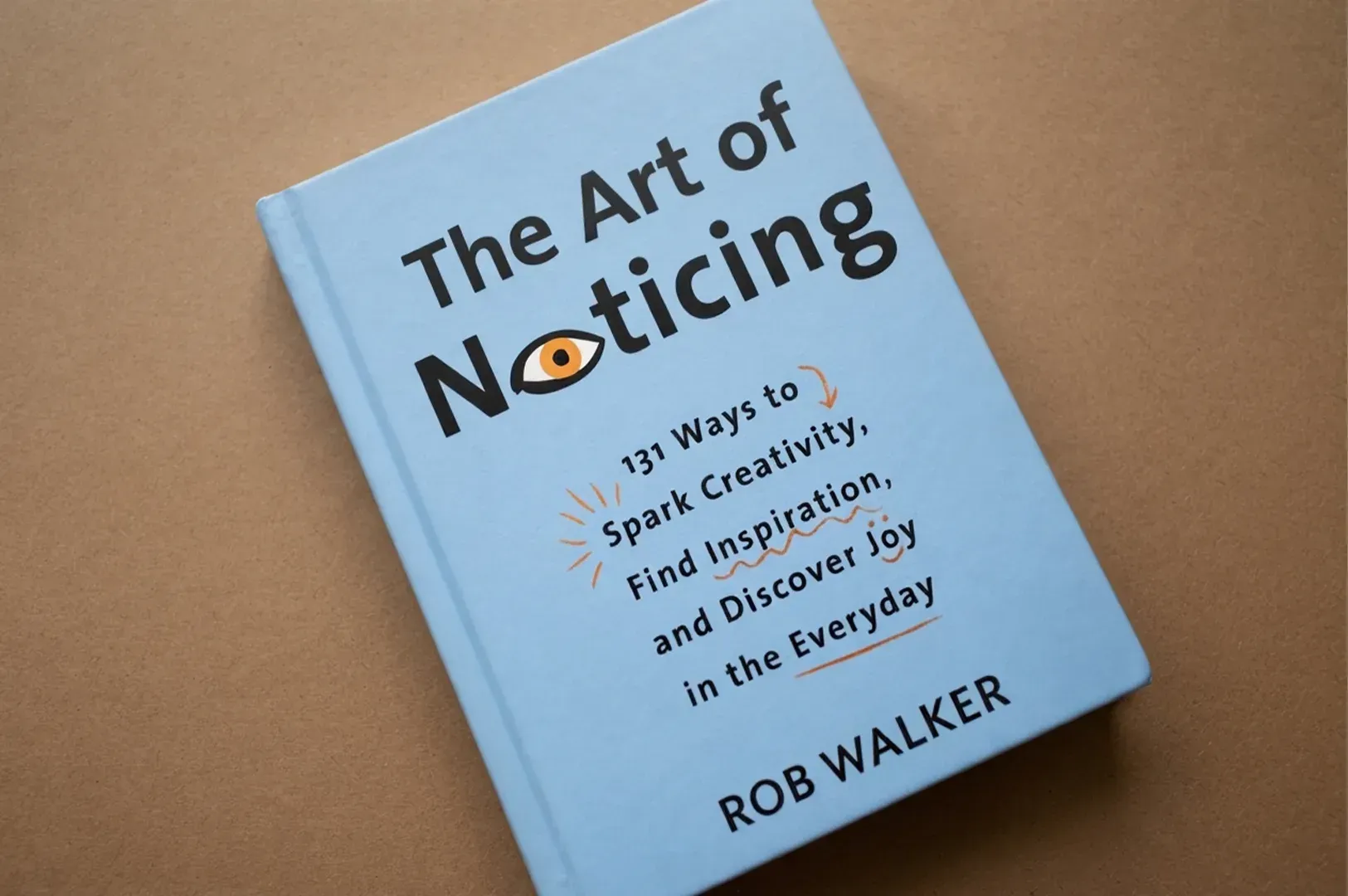
Rob Walker shows noticing as a daily discipline, attention that sharpens taste, creativity, and calm power in a distracted world.
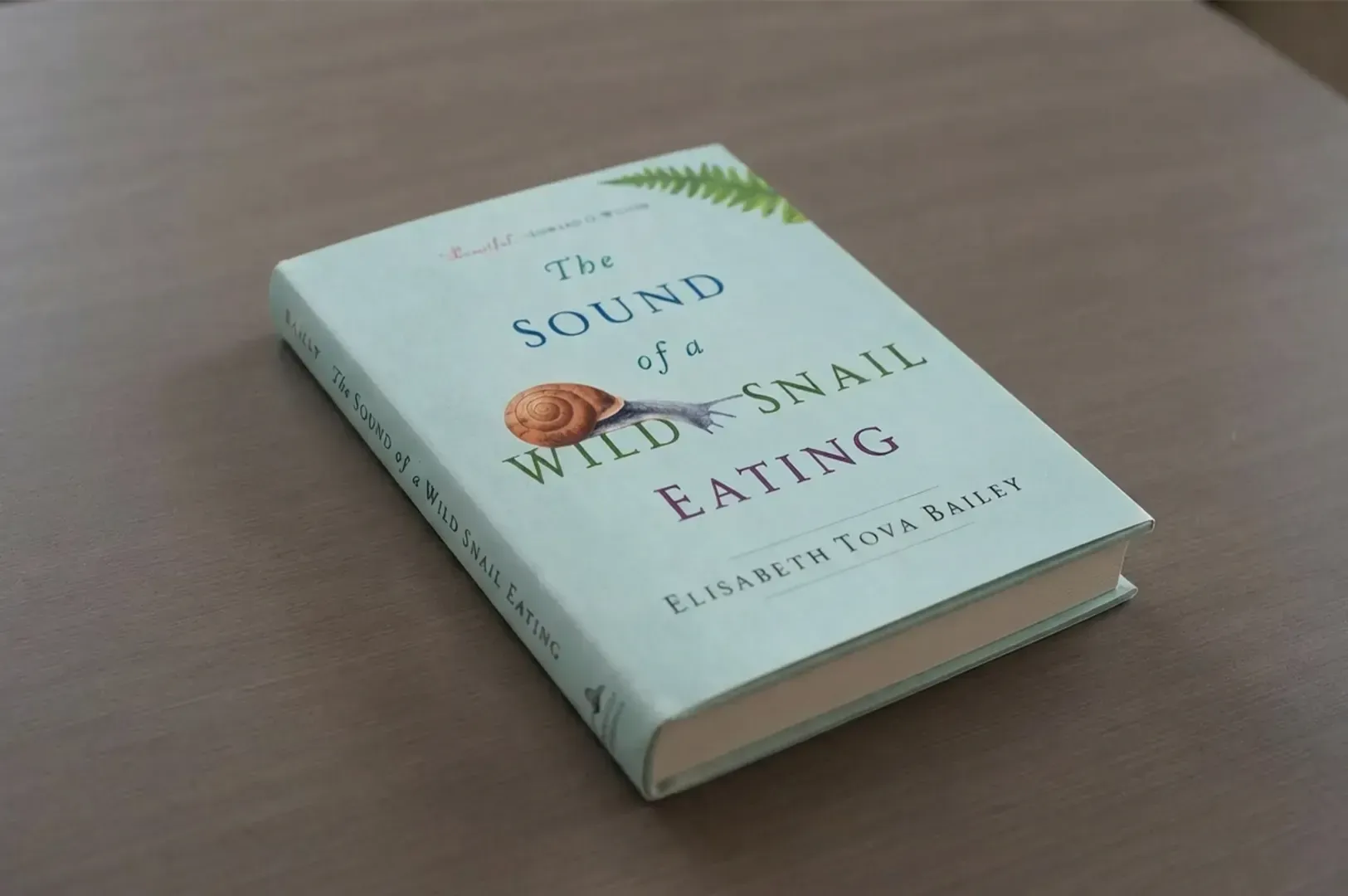
On attention as power: what a bedridden woman and a wild snail taught me about pacing over force, and building things that last by noticing.
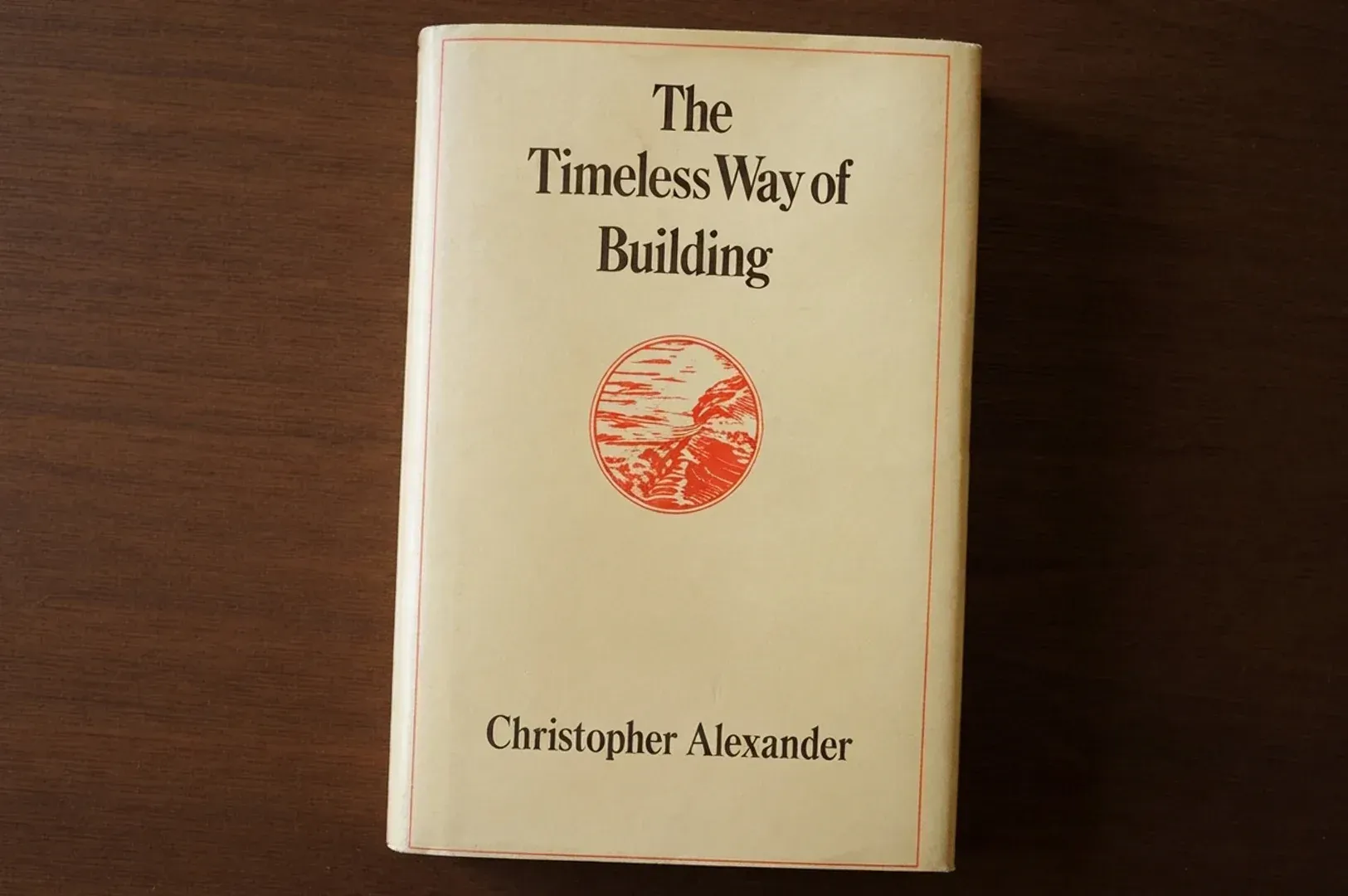
A builder reads Christopher Alexander on why "aliveness" is a discipline, not a style, and what actually lasts after the founder is gone.
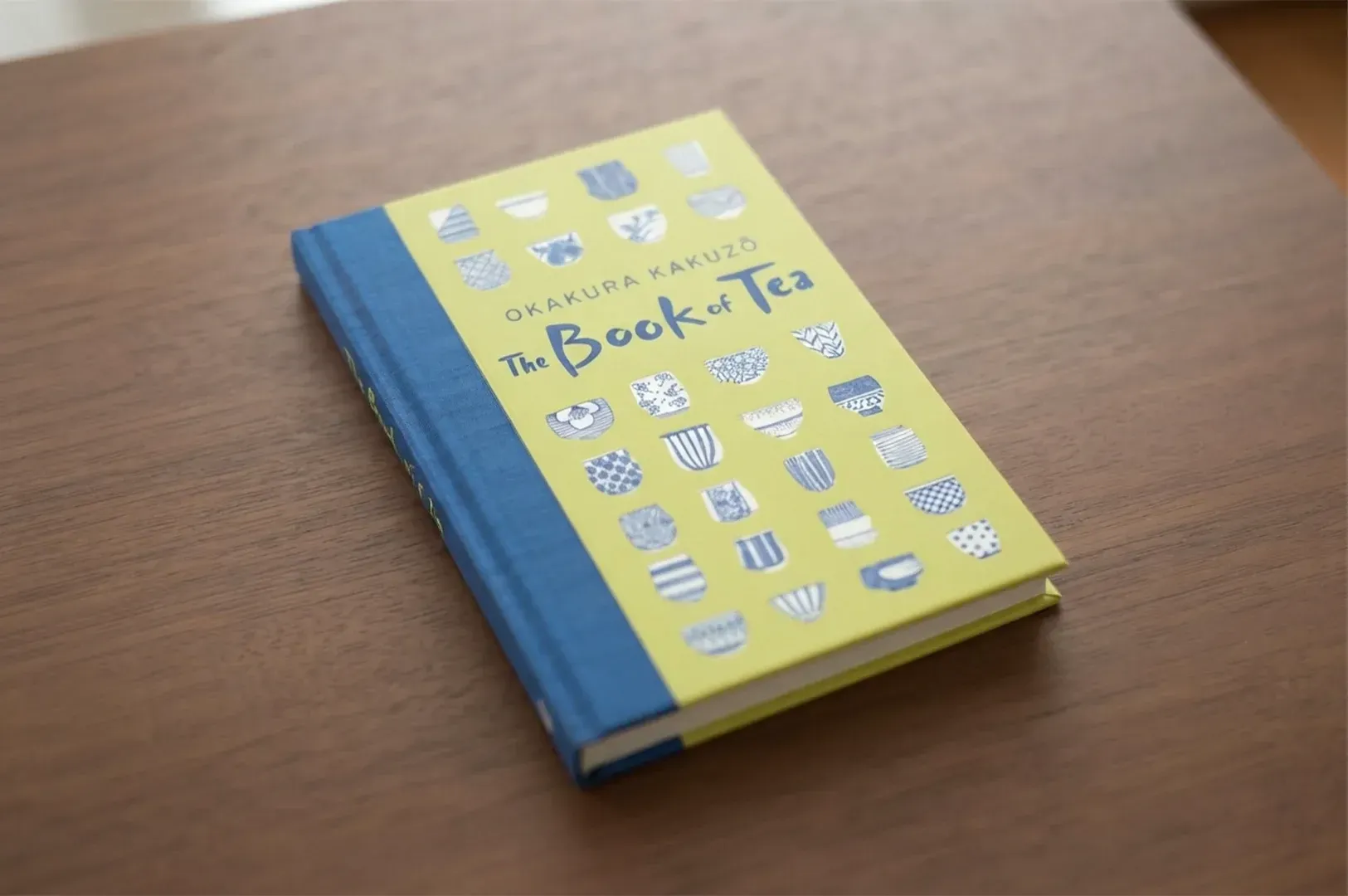
Okakura’s tea philosophy is really a discipline of attention, an argument that taste, restraint, and ritual are forms of power.
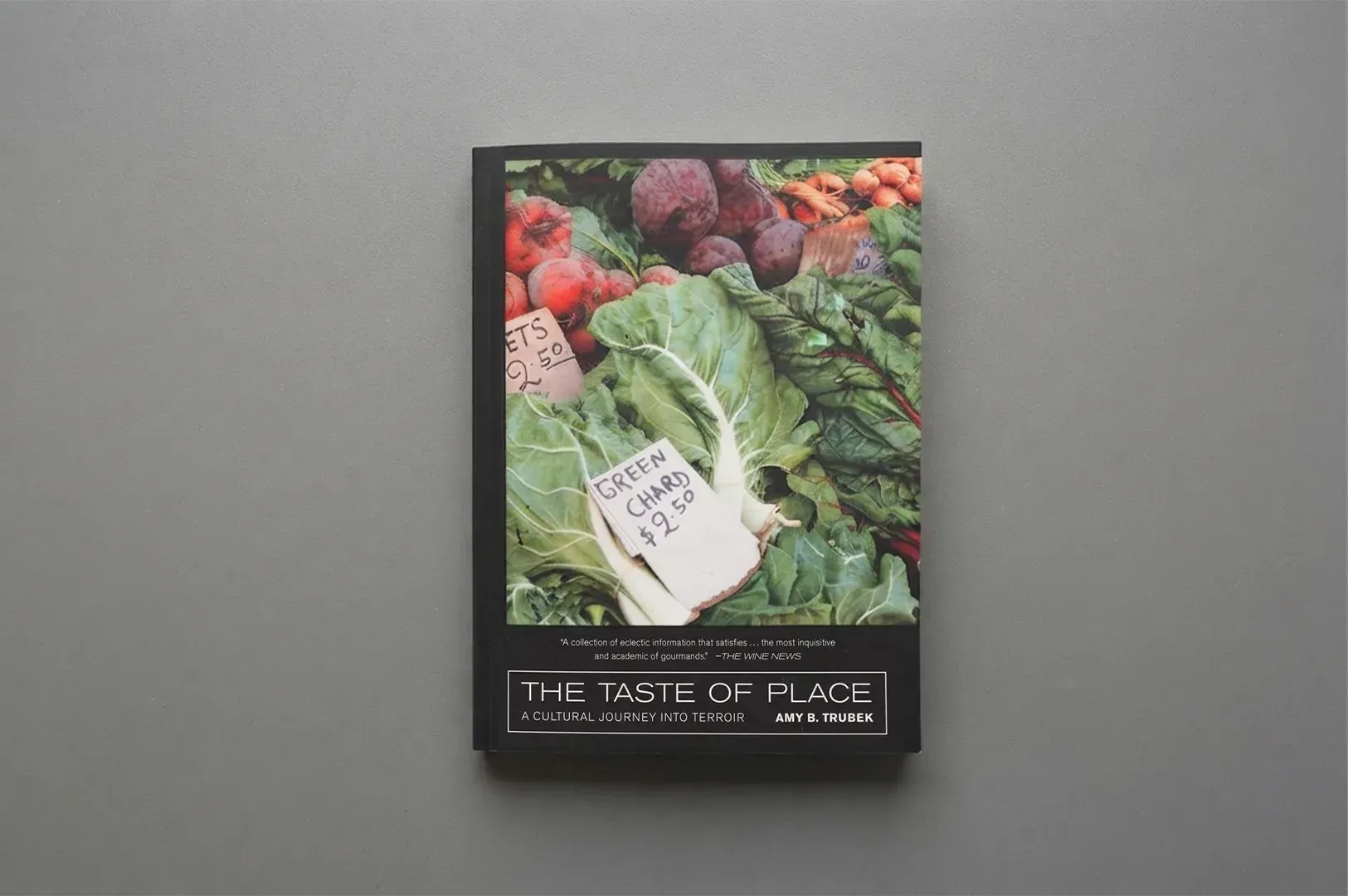
A reflection on how place shapes taste, and what terroir teaches builders about craft, identity, and protecting quality in a placeless age.

A practitioner reads Julia Galef on why truth-seeking beats ego in leadership, and where seeing clearly gets hardest under real pressure.
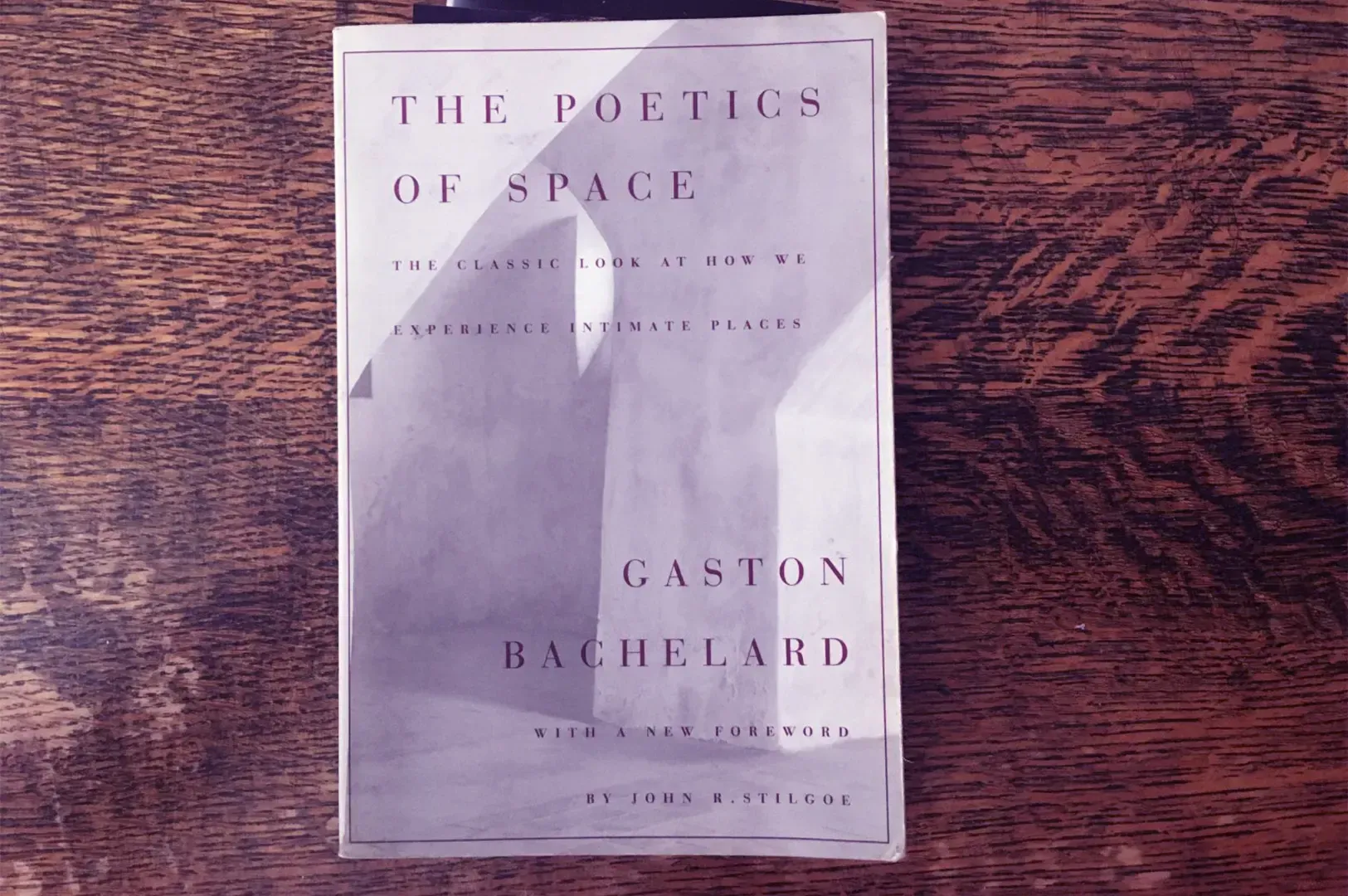
The cover of Gaston Bachelard's The Poetics of Space, a philosophical classic exploring how architecture, intimate rooms, and corners shape human memory, imagination, and the formation of the self.
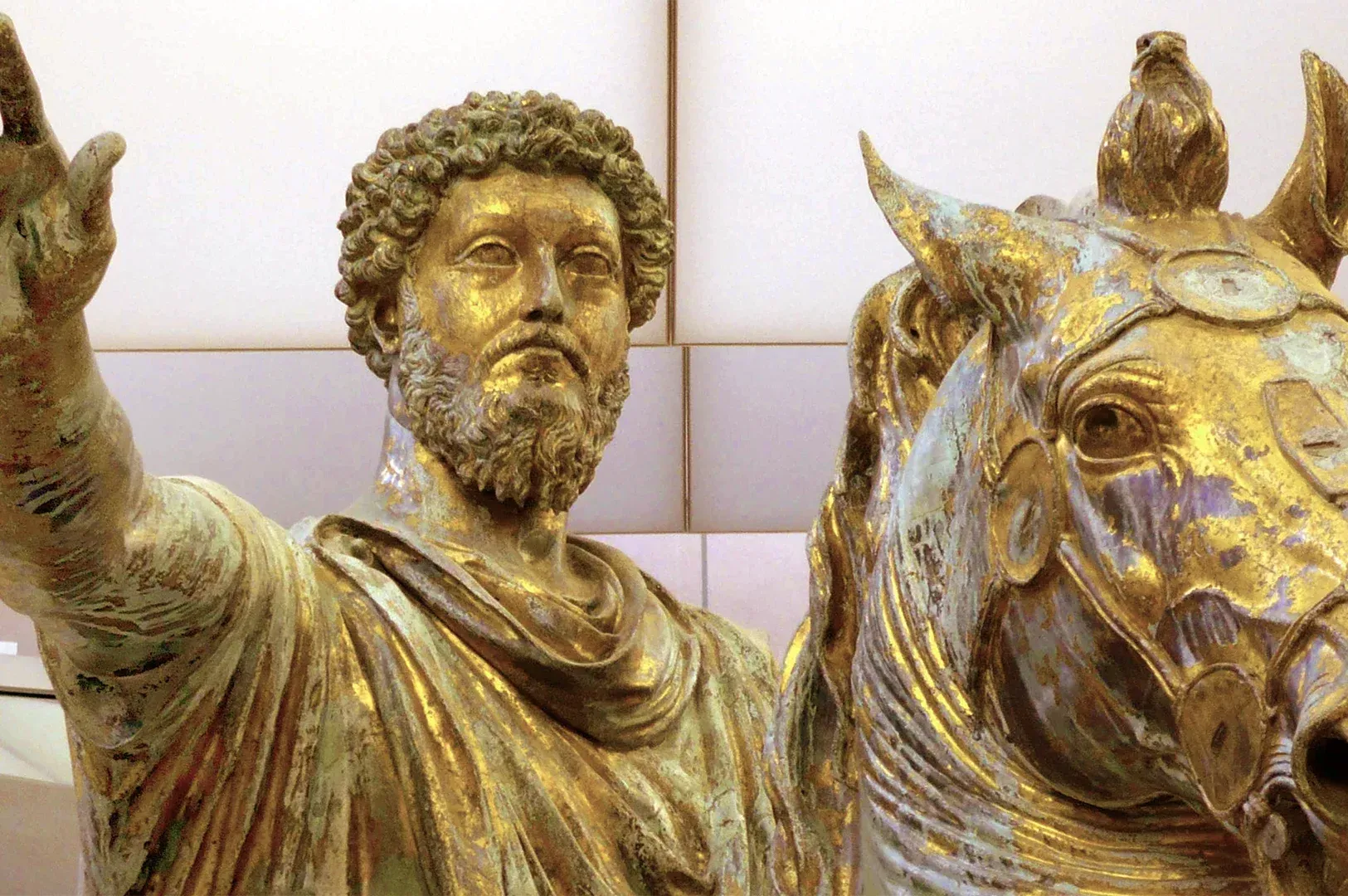
A practitioner reads Marcus Aurelius in a hard season, on control, quiet duty, and where Stoic composure quietly fails the people around us.
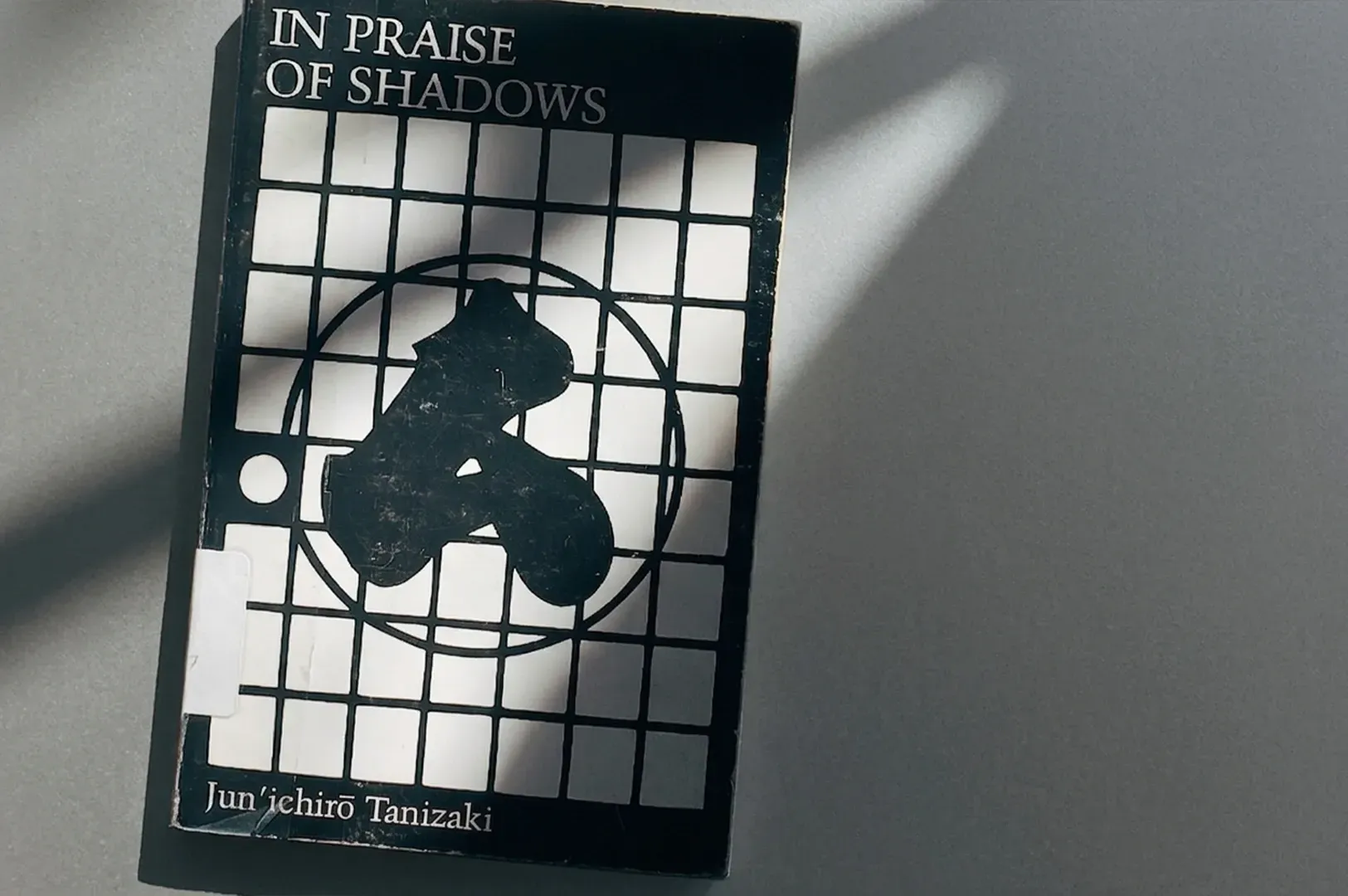
Tanizaki makes the case for shadow over brightness, and why restraint, patina, and dim light create the atmosphere that clarity destroys.
