

Wabi-Sabi by Leonard Koren | My Quiet Empire Book Review
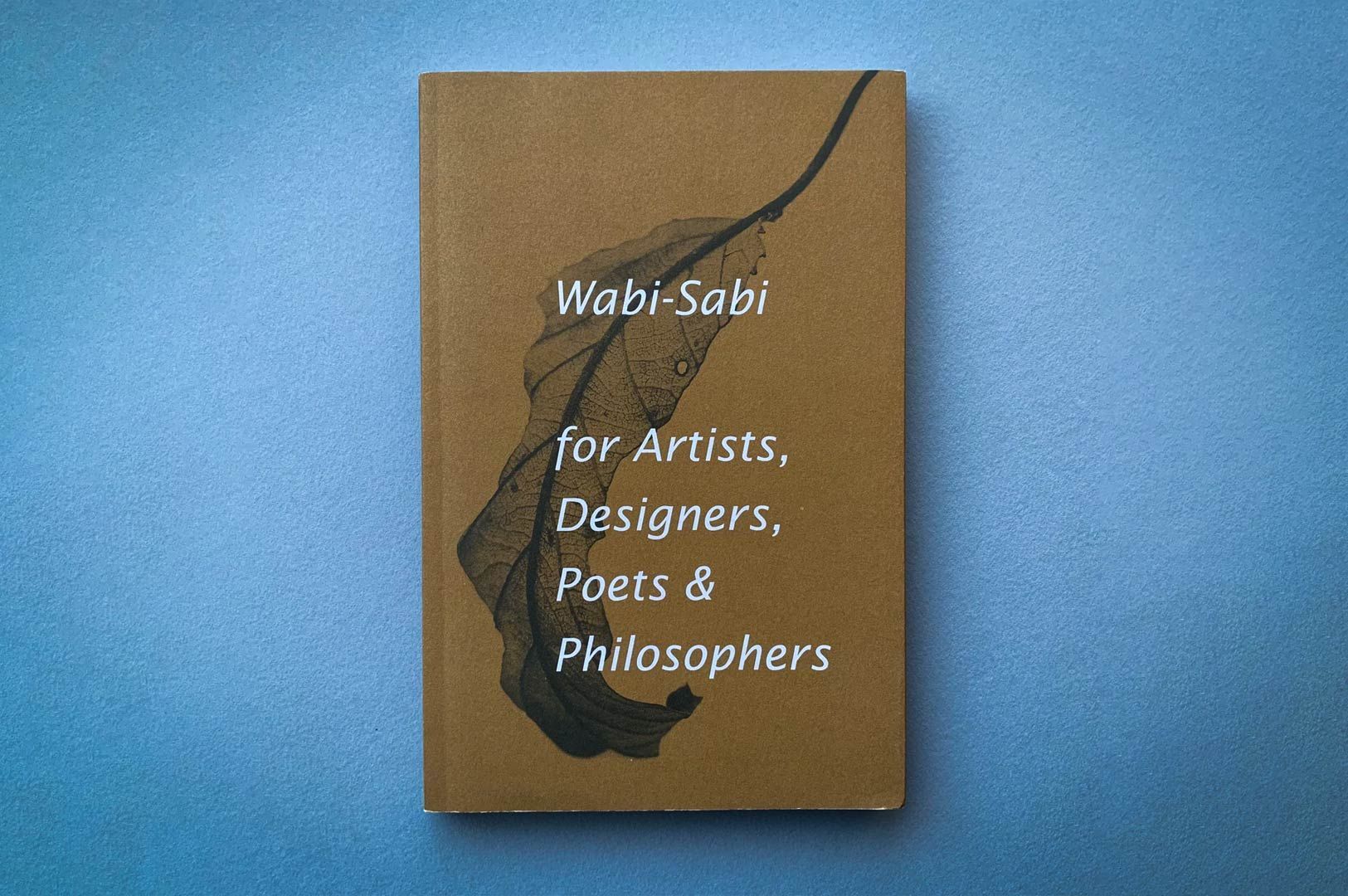
In a culture obsessed with polished surfaces, perpetual growth, and flawless execution, Leonard Koren’s slim volume, Wabi-Sabi: For Artists, Designers, Poets & Philosophers, feels like a quiet act of rebellion. It offers not a new system for achieving perfection, but a philosophical framework for appreciating the beauty of things as they are: imperfect, impermanent, and incomplete. For anyone engaged in the messy work of building a business or creating something new, this book is less a design guide and more a form of profound permission.

Koren, trained as an architect, masterfully distills an elusive Japanese worldview into a set of tangible principles. He defines wabi-sabi as a beauty of things "unconventional, modest, and humble," a beauty of things "transient and incomplete." He makes it clear that this is not the sanitized "rustic chic" often sold in lifestyle catalogs. True wabi-sabi is not a style to be imitated, but a state of mind to be cultivated. It finds value in a cracked ceramic bowl not because the crack is fashionable, but because it is an authentic record of the object's history. It is an aesthetic that honors the inevitable corrosion of time.

One of the book's most powerful images shows two kinds of leaves: one perfectly symmetrical and rendered, the other irregular and eaten by insects. Koren labels the perfect one "Greek" and the imperfect one "wabi-sabi." This simple contrast captures the essence of his argument. Western ideals strive for an abstract, eternal perfection. Wabi-sabi finds beauty in the particular, the mortal, the thing that shows the marks of its existence. This is a vital lesson for entrepreneurs and builders. It suggests that an enduring institution is not one that hides its flaws, but one that gracefully incorporates its history of mistakes and limitations. It embraces natural evolution over forced, synthetic growth.
The book itself is an object lesson in its own philosophy. It is brief, printed on uncoated paper, and filled with grainy, black-and-white photographs. Koren’s prose is spare and precise. He does not try to offer a complete, exhaustive definition; instead, he circles the concept, offering glimpses and suggestions. The book’s deliberate incompleteness invites the reader to finish the thought, to find their own examples of wabi-sabi in the world. It embodies its subject perfectly, proving its point through its own form.
This book serves anyone weary of the pressure to be polished. It speaks to the artist who understands that a finished work is never truly finished, the designer who sees beauty in natural materials, and the entrepreneur who questions whether scale is the only metric of success. Koren’s meditation on wabi-sabi doesn’t offer easy answers. Instead, it offers a different way of seeing; a lens that reveals the quiet dignity in the imperfect, the value in constraint, and the profound beauty of things as they are, not as we think they should be.