

What Great Teachers Have in Common | Observations
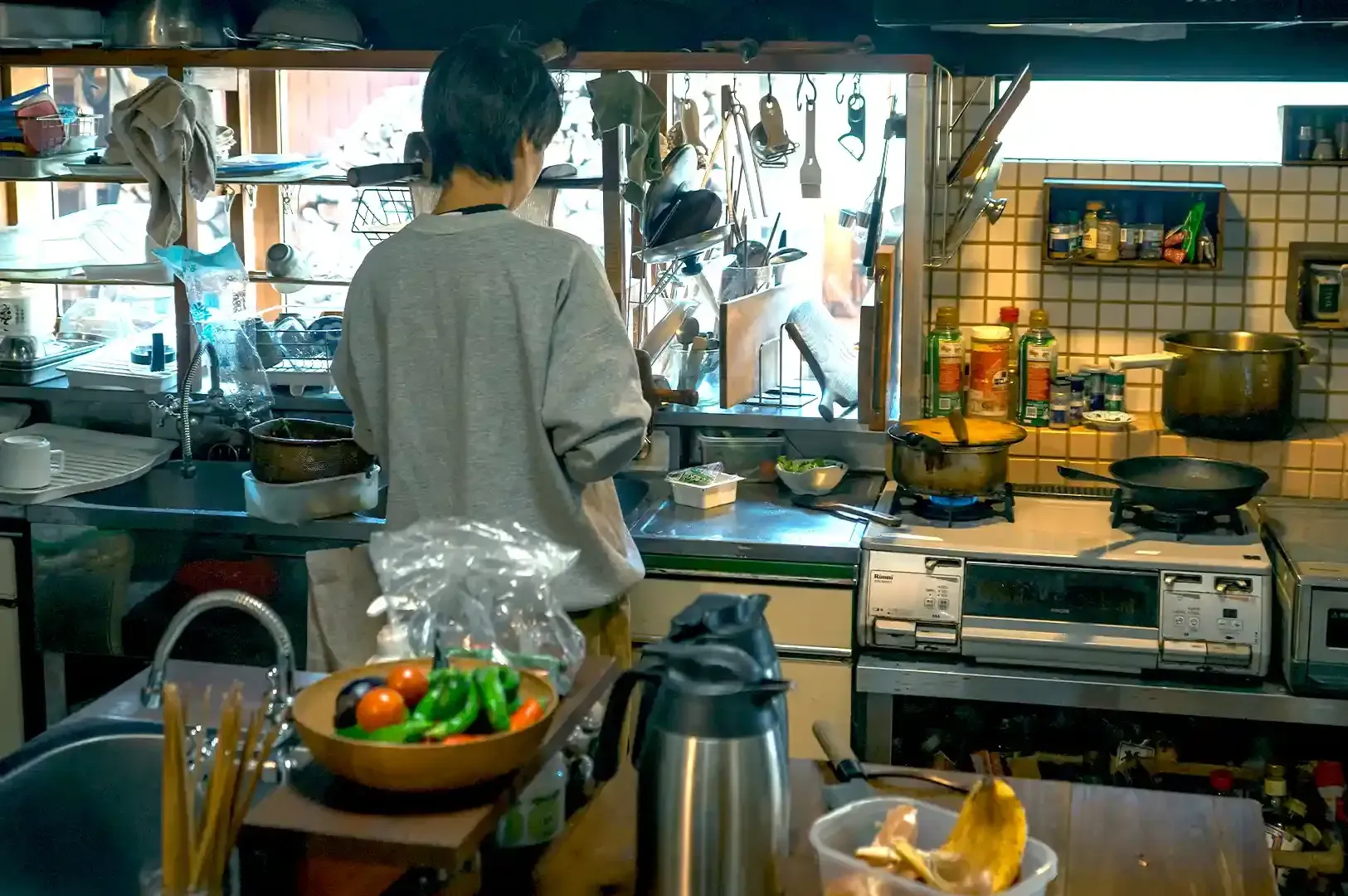
I was watching our head chef at the omakase restaurant train a new apprentice on the art of preparing tamago, the deceptively simple Japanese omelet. The apprentice had failed for the third time. The texture was slightly rubbery, the layers not quite distinct. Frustration was visible on his young face. The chef did not raise his voice. He did not list the errors. He simply picked up his own pan, broke the eggs, and began the process again, this time with an almost imperceptible slowness.
He said nothing. His entire being was focused on the movement of his hands, the specific angle of the pan, the way he listened for the exact sizzle that signaled the right temperature. The apprentice watched, his own frustration replaced by a state of absolute attention. He was not just seeing the technique; he was absorbing the intention behind it. When the master finished and presented the perfect, glistening block of tamago, he cut a small piece for the apprentice. "Taste," he said. It was not an instruction but an invitation. In that single word, he communicated everything: this is the standard, this is what we are striving for, and this is what it feels like when you achieve it.
Over decades of
building businesses and, more importantly, the teams within them, I have come to recognize that the qualities of a great teacher are universal. They appear in the classroom of our academy, the boardroom of our consulting firm, and the quiet heat of the kitchen. These individuals are rare, and their impact is immeasurable. They do not merely convey knowledge; they alter the way one sees the world.
Information vs. Transformation

There is a fundamental difference between teachers who transmit information and those who transform perspective. The first type is competent, even necessary. They can explain a concept, demonstrate a formula, or provide a set of facts. Their students leave the encounter knowing more than they did before. This is the foundation of most education, and it has its place. It is functional and quantifiable.
The second type of teacher, the truly exceptional one, operates on a different plane. They are not concerned with simply adding to a student’s store of knowledge. Their goal is to rewire the student’s entire framework of understanding. They teach you not what to think, but how to see. They provide a new lens through which to view a problem, a craft, or even yourself.
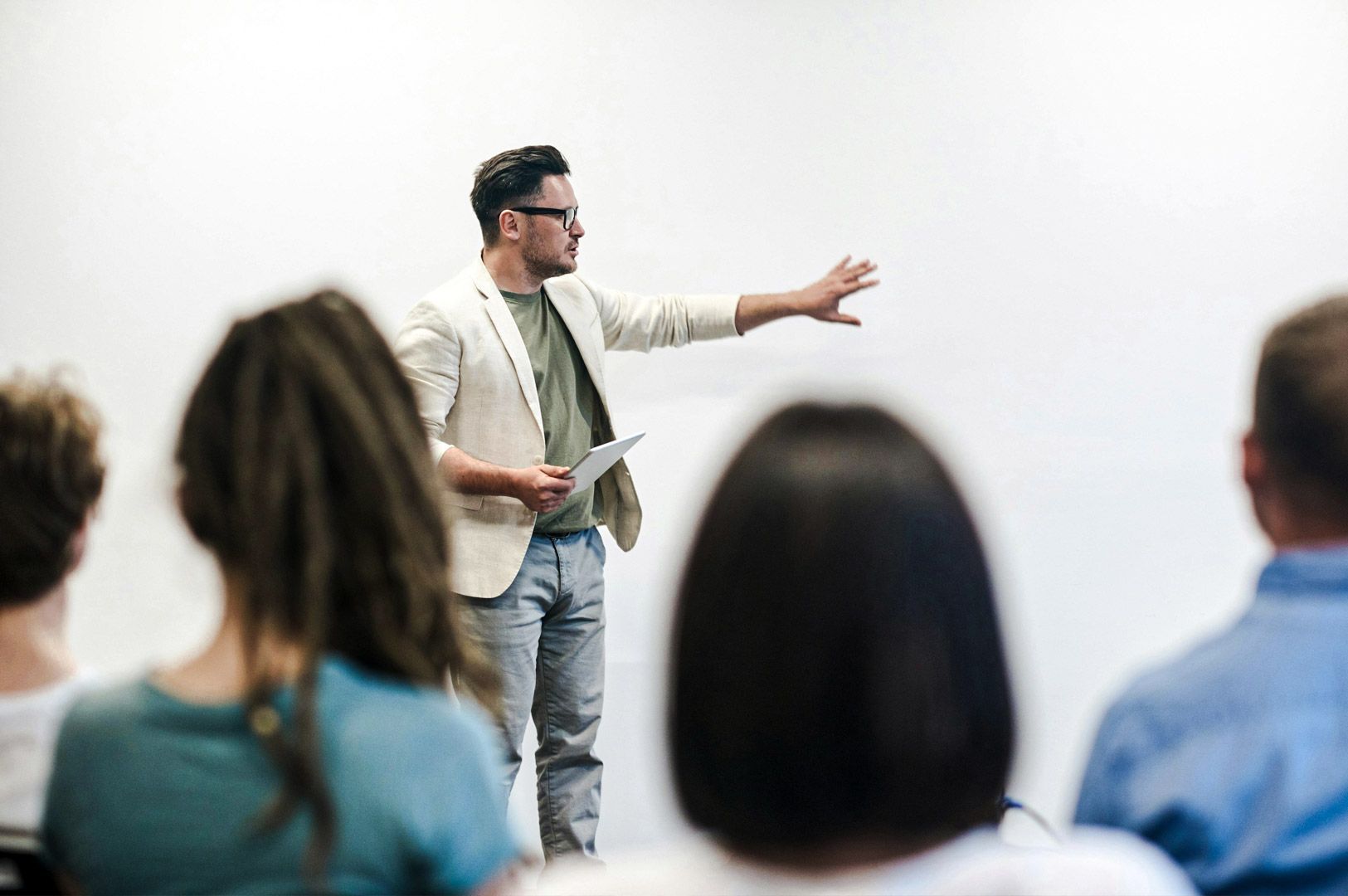
This transformative power often comes from their ability to connect a specific skill to a larger philosophy. A great writing instructor at our academy does not just teach grammar; they teach that clarity of language is a reflection of clarity of thought. A mentor in our property division does not just explain financial models; they reveal how a building is an ecosystem with its own life and logic. The lesson transcends the immediate subject matter. The student does not just learn a task; they inherit a worldview. They leave the encounter not just knowing more, but being different.
The Balance of Patience and Standards

One of the most profound paradoxes I have observed in great teachers is their ability to hold two seemingly contradictory qualities in perfect balance: impossibly high standards and bottomless patience. The standard is absolute and non-negotiable. The chef’s tamago must be perfect. The consultant’s analysis must be rigorous. The architect’s line must be true. There is no room for "good enough." This unwavering commitment to excellence is what inspires the student to reach beyond their perceived limits.
Yet, this demand for excellence is paired with a deep and abiding patience for the messy, nonlinear process of learning. The great teacher understands that mastery is not a straight path. It is a spiral of trial, error, and incremental progress. They create a space where failure is not a judgment but a data point; an essential part of the learning process.
They do not get frustrated by the student’s repeated mistakes. They see these mistakes as opportunities for deeper instruction. They are willing to demonstrate the same technique a hundred times, to explain the same concept from five different angles, to wait quietly while the student struggles toward their own moment of insight. This patience is not passive; it is an active, observant state. It communicates a powerful message:
"I believe in your ability to get there, no matter how long it takes." It is this combination of a high bar and a soft landing that creates the conditions for true growth.
The Goal of Obsolescence

A competent teacher wants to be needed. A great teacher wants to become obsolete. Their ultimate goal is not to create dependent followers but to cultivate independent masters who can carry the craft forward, and ideally, surpass them. This requires a profound generosity and a remarkable lack of ego.
The true master is not building a monument to themselves. They are tending to the garden of their discipline, ensuring it will continue to flourish long after they are gone. They give away their "secrets" freely, knowing that a secret jealously guarded is a craft that is already dying. Their greatest pride is not in their own accomplishments, but in the accomplishments of those they have taught.
I see this in the chefs who have trained in our kitchens and gone on to open their own celebrated restaurants. I see it in the consultants who learned their trade with us and are now leading their own firms, pushing the industry in new directions. There is a quiet satisfaction in seeing a student take the foundational principles they were given and build something new and unexpected with them. This is the measure of a teacher’s legacy: not how many people followed them, but how many were equipped to find their own way.
The Language of Presence
So much of what a great teacher imparts is communicated without words. It is in their presence, their posture, their quality of attention. It is in the way they hold a tool, the way they listen to a question, the way their focus makes the rest of the world fall away. This is the language of mastery, and it is learned through osmosis rather than instruction.
When a student is in the presence of this kind of embodied knowledge, they learn on a subconscious level. They absorb the rhythms, the values, and the unspoken ethics of the craft. They learn the importance of economy of motion, of respect for materials, of a quiet mind.
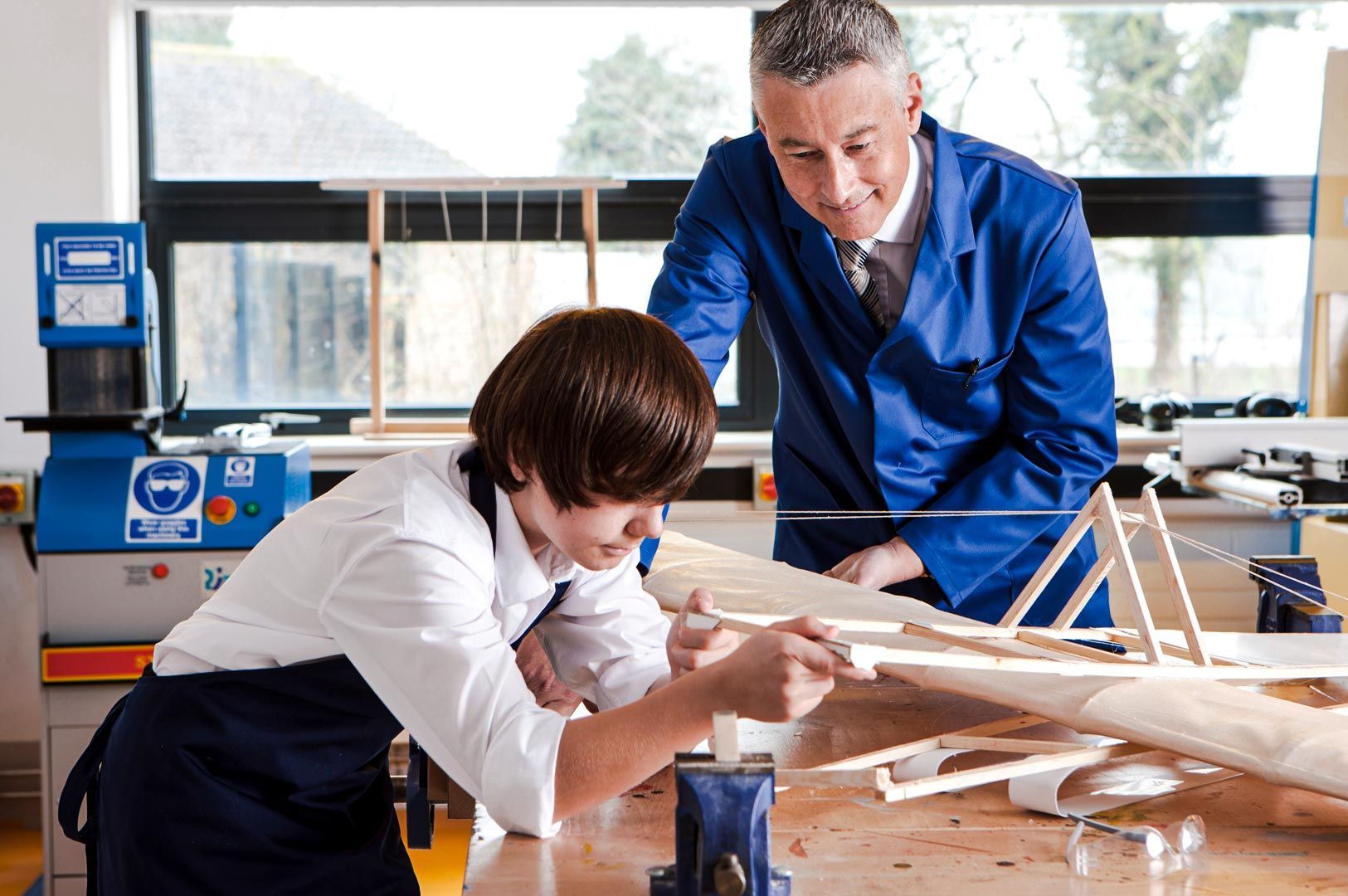
This is why the environment of an apprenticeship is so powerful. It is a long-term immersion in a master’s presence. The student learns not just the explicit curriculum, but the implicit one. The most important lessons are not in what is said, but in what is demonstrated through being.
In the end, what great teachers have in common is a particular form of love. It is not a sentimental or effusive affection.
It is a demanding, attentive, and deeply generous love for their craft and for the potential that lies dormant in their students. It is a commitment to passing on not just what they know, but who they are. They are the quiet architects of the future, building legacies one student at a time.