When Tradition Meets Innovation: Modern Craft Practices

Bay San • March 24, 2026

I was observing the final stages of a restoration on one of our properties, a pre-war building with intricate plasterwork on the ceilings. The original craftsmen had used horsehair to reinforce the plaster, a technique that gives it a unique tensile strength and character. Our restoration artisan, a man whose family had worked in this trade for three generations, was not using horsehair. 

Instead, he was mixing a fine, modern fiberglass mesh into his plaster compound. He applied it with the same hand-troweling techniques his grandfather had used, following the sweep and curve of the original design with painstaking care.


When I asked him about the change, he explained that the fiberglass offered superior longevity and moisture resistance while being materially inert. It did not alter the visual or textural quality of the finished work, but it ensured the ceiling would remain stable for another century, far longer than the original might have. 


He was not abandoning tradition. He was honoring its intent: to create something beautiful and enduring, by using a modern material that served that intent more effectively. In that moment, the perceived conflict between tradition and innovation dissolved. I saw not a compromise, but a conversation between generations.

The Dialogue Between Old and New

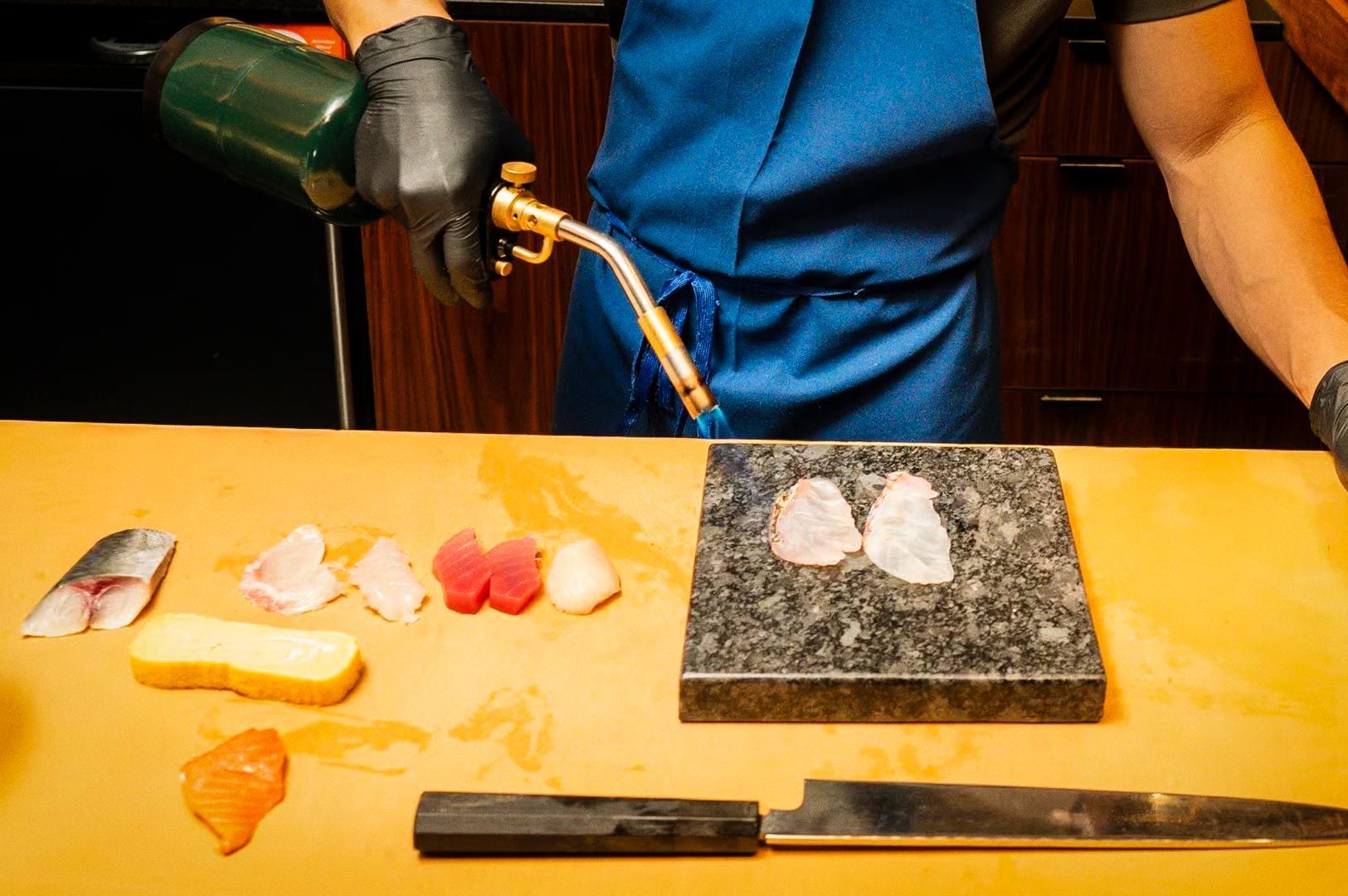
A person wearing gloves and an apron using a handheld torch to sear pieces of fish laid out on a cutting board, with assorted sushi ingredients and a large knife nearby.

We often see tradition and innovation as opposing forces. One is anchored in the past, a repository of established knowledge and time-tested methods. The other looks to the future, driven by a desire for novelty and improvement. In the world of craft, however, this binary view is a simplification. True mastery is not about choosing between the old and the new. It is about understanding which elements of tradition are foundational and which can be evolved to elevate the craft.


This dialogue is at the heart of our omakase restaurant. The techniques for curing fish, seasoning rice, and sharpening a knife are ancient. They are disciplines honed over centuries, passed down through a lineage of masters. We do not seek to reinvent them. That knowledge is the bedrock of the entire experience. Yet, we might present a piece of kohada (gizzard shad), cured using a traditional salt and vinegar method, on a plate that is contemporary in its minimalist design. The chef might use a modern temperature-controlled circulator to gently cook an ingredient to a texture previously unattainable, before finishing it with a traditional flame-searing technique.


This is not change for the sake of change. It is not about chasing trends or novelty. It is a thoughtful inquiry: how can a modern tool or a new perspective deepen the expression of a traditional form? The innovation serves to highlight the tradition, not erase it.

Respect vs. Novelty

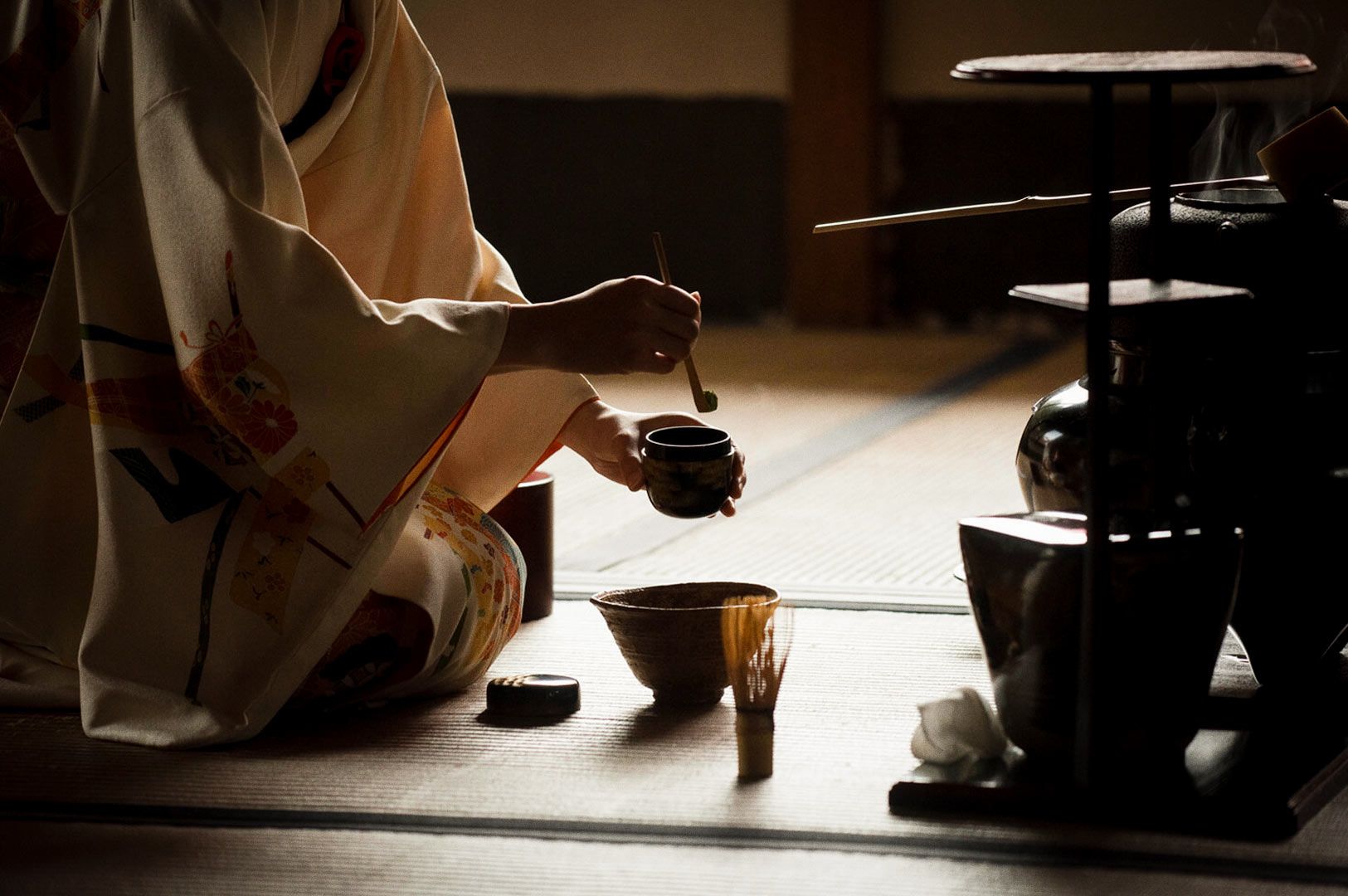
A traditional tea ceremony scene showing a person in ornate robes preparing tea utensils on a tatami mat, with soft lighting highlighting the ceremonial setup.

The distinction between innovation that respects tradition and change that merely chases novelty is crucial. Novelty is ephemeral. It seeks attention through shock value and often discards the very principles that gave the original craft its meaning. It is the culinary equivalent of deconstructing a classic dish to the point where its soul is lost, leaving only a clever but emotionally empty plate.


Respectful innovation, on the other hand, is born from a deep understanding of the source material. It is a form of reverence. The artisan who embraces this path does not seek to break the rules, but to understand their underlying purpose so thoroughly that they can extend them. They ask not "what can I change?" but "what am I trying to achieve, and is there a better way to achieve it?"


The tea master at our teahouse preserves the centuries-old chanoyu ceremony with meticulous fidelity. The sequence of movements, the specific utensils, the way the tea is whisked, these are non-negotiable. They are the grammar of the experience. Yet, the teahouse itself is a modern architectural space, designed with clean lines and materials that create a sense of contemporary calm. The lighting is precisely engineered to evoke the feeling of natural light filtering through a shoji screen. The system for maintaining the purity and temperature of the water is state-of-the-art. Here, modernity is in service to tradition. It creates the perfect, silent container so that the beauty of the ancient ritual can unfold without distraction.

Deepening the Foundation

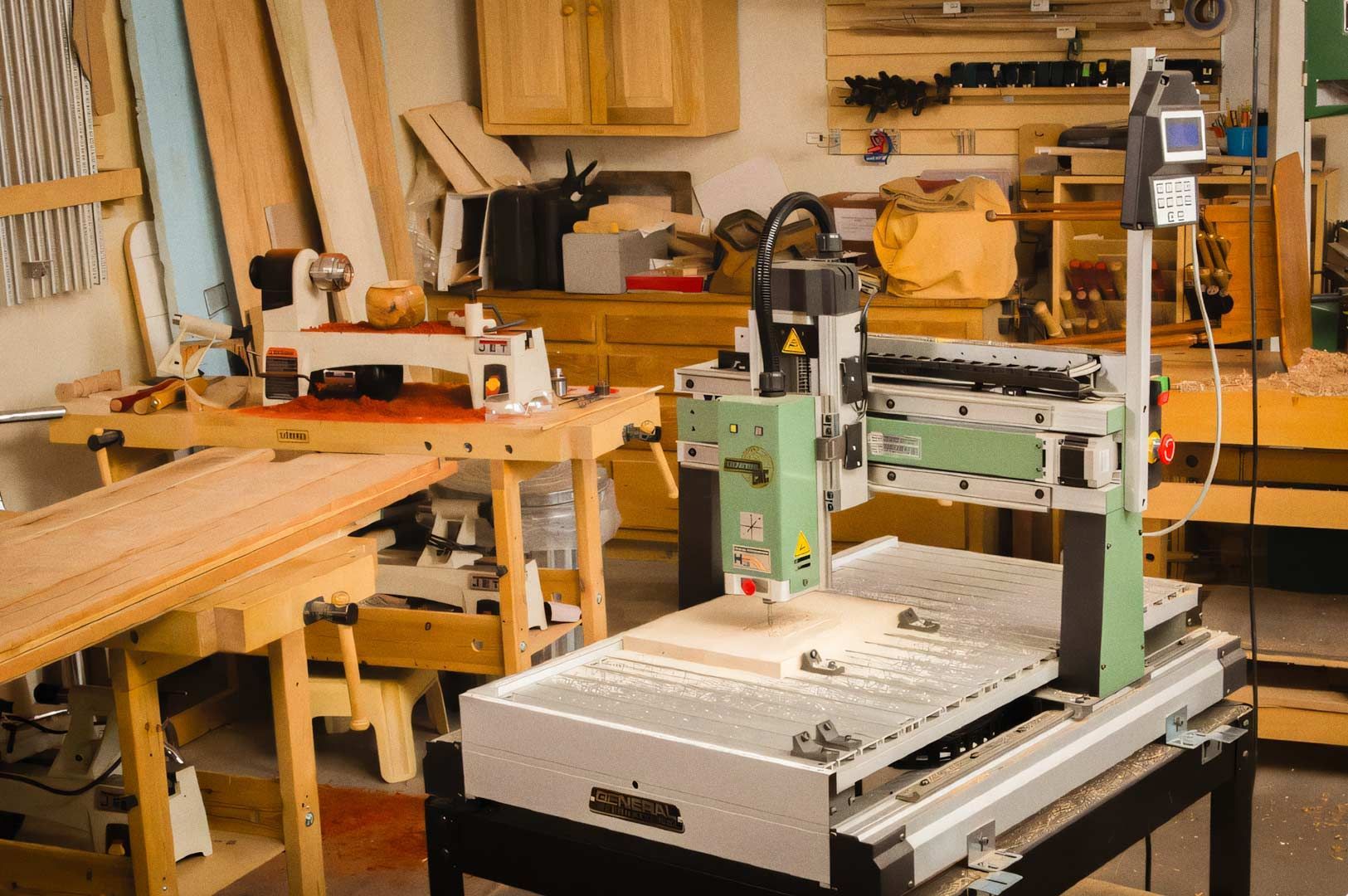
A workshop filled with woodworking tools and equipment, including a CNC milling machine in the foreground and various workbenches and tools in the background.

When thoughtfully integrated, modern practices do not dilute tradition; they can deepen it. They can strip away the inefficiencies that have accumulated over time and allow the core principles to shine more brightly. A luthier might use a computer-aided design program to model the internal bracing of a guitar, allowing for a more precise and resonant soundboard. This does not replace the luthier’s intuitive feel for the wood or their skill in carving. It provides them with better information, allowing their artistry to be more accurately expressed.


Similarly, a modern textile weaver might use a digital loom to execute complex patterns that would be prohibitively time-consuming by hand. This does not negate the value of traditional weaving. Instead, it opens up new avenues for creative expression, allowing the weaver to focus on color theory, texture, and composition, building upon the foundational knowledge of their craft. The technology becomes a partner in the creative process, expanding the artist’s vocabulary.


This evolution is essential for a craft to remain a living, breathing discipline. A tradition that refuses to adapt, that becomes a rigid reenactment of the past, is no longer alive. It is a museum piece. Living traditions are dynamic; they absorb new influences and technologies without losing their essential character.


The Cost of Forgetting

There is a profound loss when tradition is abandoned entirely. We lose a connection to a specific lineage of human ingenuity. We lose the accumulated wisdom of generations who solved problems with the materials and knowledge available to them. When a craft is severed from its roots, it becomes shallow. It lacks the resonance and integrity that come from being part of a long and meaningful story. 


A piece of furniture made from a new composite material might be functional, but it does not carry the same story as an object made with traditional joinery techniques that have been perfected over five hundred years.


Conversely, what is gained when tradition is thoughtfully evolved is immense. The craft is infused with new life and relevance. It finds its place in the contemporary world without becoming a pastiche of it. It demonstrates that the past is not a foreign country but a continuous landscape that we still inhabit. The artisan who successfully bridges this gap becomes a steward of their craft, ensuring its survival by making it speak to a new generation. They are not just making an object; they are carrying a story forward.


The greatest forms of modern craft are not a break from history but a continuation of it. They are a testament to the fact that the most enduring traditions are not those that remain unchanged, but those that possess the wisdom to evolve with grace and intention.

Recent Posts

Close-up of two professionals shaking hands across a desk, symbolizing partnership, agreement, or su
By Bay San April 2, 2026
Building a sustainable business requires more than passion, it demands intentional structure aligned with your deepest values. Reflections on the balance.
Close-up of a ceramic bowl filled with grilled bamboo shoots drizzled with sauce, with wooden chopst
By Bay San March 31, 2026
How regional dishes carry the history and character of their origins. Reflections on experiencing the distilled essence of place through authentic cuisine.
Book titled ‘Wabi-Sabi for Artists, Designers, Poets & Philosophers’ on a blue background, featuring
By Bay San March 27, 2026
On embracing imperfection: Leonard Koren's meditation on wabi-sabi offers a framework for creation that honors transience over permanence. A reflection on building with constraint.
A chef preparing food at a market stall using wooden cooking tools, with trays and equipment arrange
By Bay San March 26, 2026
The qualities that distinguish exceptional educators from the merely competent. Reflections on presence, patience, and the art of transformative teaching.
Vintage copy of ‘The Gastronomical Me’ by M.F.K. Fisher standing upright on a wooden surface with a
By Bay San March 20, 2026
On appetite as philosophy: Fisher's memoir reveals that how we eat reflects how we live. A meditation on attention, pleasure, and intentional living.
Close-up of hands carefully holding and brushing a piece of sushi with sauce using a small wooden br
By Bay San March 19, 2026
How robust systems enable rather than constrain creativity. Reflections on building infrastructure that protects vision while allowing growth.
Hand holding a cup of black coffee in a ceramic mug.
By Bay San March 17, 2026
How the simple act of morning coffee in unfamiliar places becomes a grounding ritual that bridges displacement and presence through quiet observation.
Book cover of ‘Originals: How Non‑Conformists Move the World’ by Adam Grant displayed in front of as
By Bay San March 13, 2026
Can originality be systematized? Adam Grant's research offers tools for fostering innovation, but the most transformative work may resist frameworks entirely.
Relaxing corner with hot drink, open notebook, and autumn hills.
By Bay San March 12, 2026
How the daily practice of reflection builds clarity, self-awareness, and intentional growth through disciplined examination rather than passive thought.
Traditional weaver at a handloom crafting a black-and-white zigzag textile with a red border.
By Bay San March 10, 2026
Exploring how preserving tradition creates enduring value in a world obsessed with novelty. True preservation requires adaptation, not resistance.
Show More