
The Revival of Forgotten Techniques | My Quiet Empire
In a workshop filled with the clean scent of cedar and sawdust, I once watched a master carpenter join two pieces of wood without a single nail or screw. His tools were not powered by electricity but by his own steady hands: a set of razor-sharp chisels, a wooden mallet, and a Japanese pull saw. With quiet precision, he carved intricate, interlocking shapes into the ends of each beam. The process was slow, deliberate, and mesmerizing. Each tap of the mallet was measured, each pull of the saw exact. When he finally brought the two pieces together, they slid into place with a soft, final thud, forming a joint of incredible strength and seamless beauty.
This technique, a form of traditional Japanese joinery, is a skill that has been largely abandoned in the world of modern construction. It is too slow, too complex, and requires a level of mastery that few now possess. Watching this carpenter work, I was struck by a profound sense of what we have lost in our relentless pursuit of efficiency. His craft was not just a method of building; it was a conversation with his material, a physical manifestation of patience, and a testament to the idea that some things of value cannot, and should not, be rushed.
The Trade-Off Between Speed and Soul

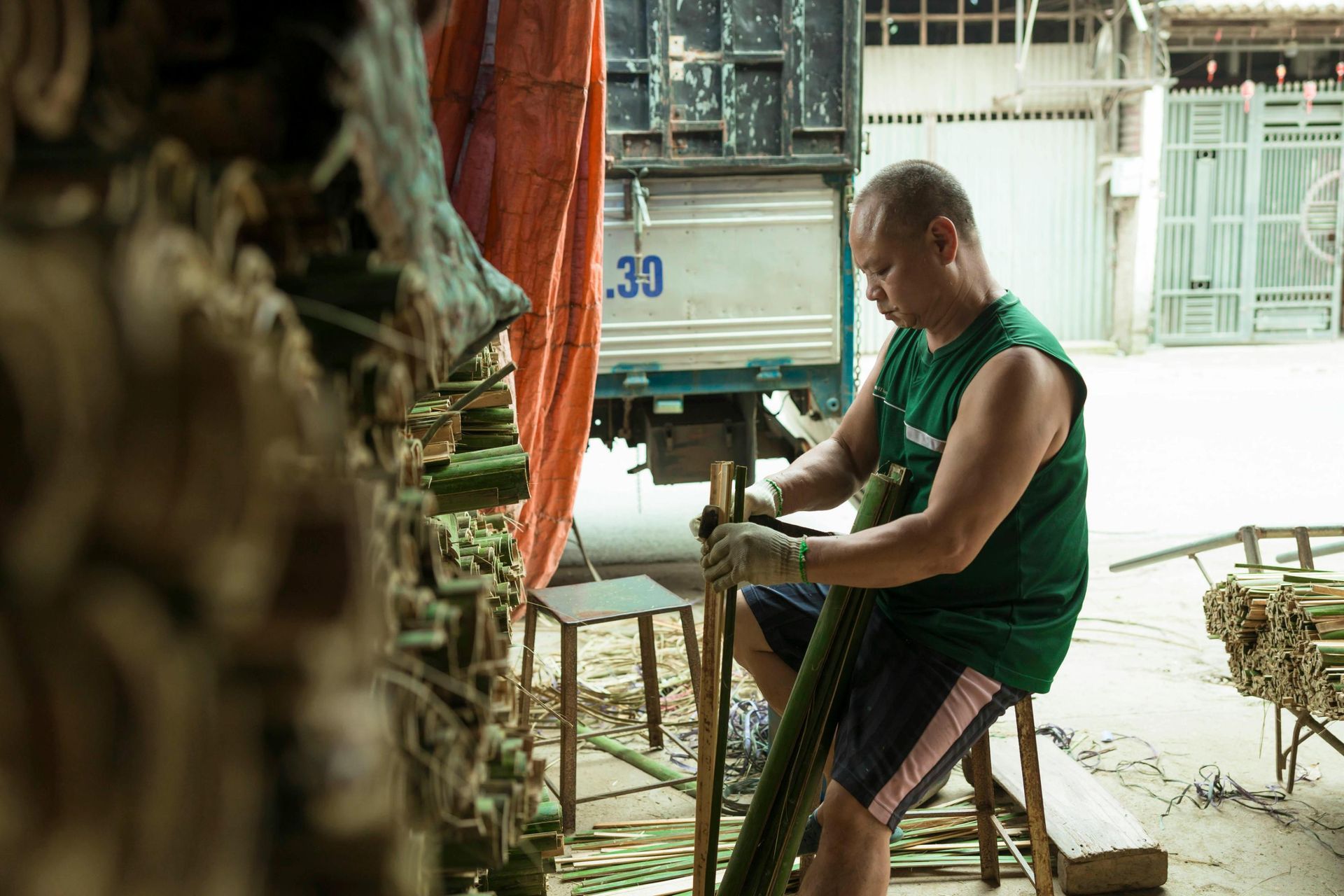
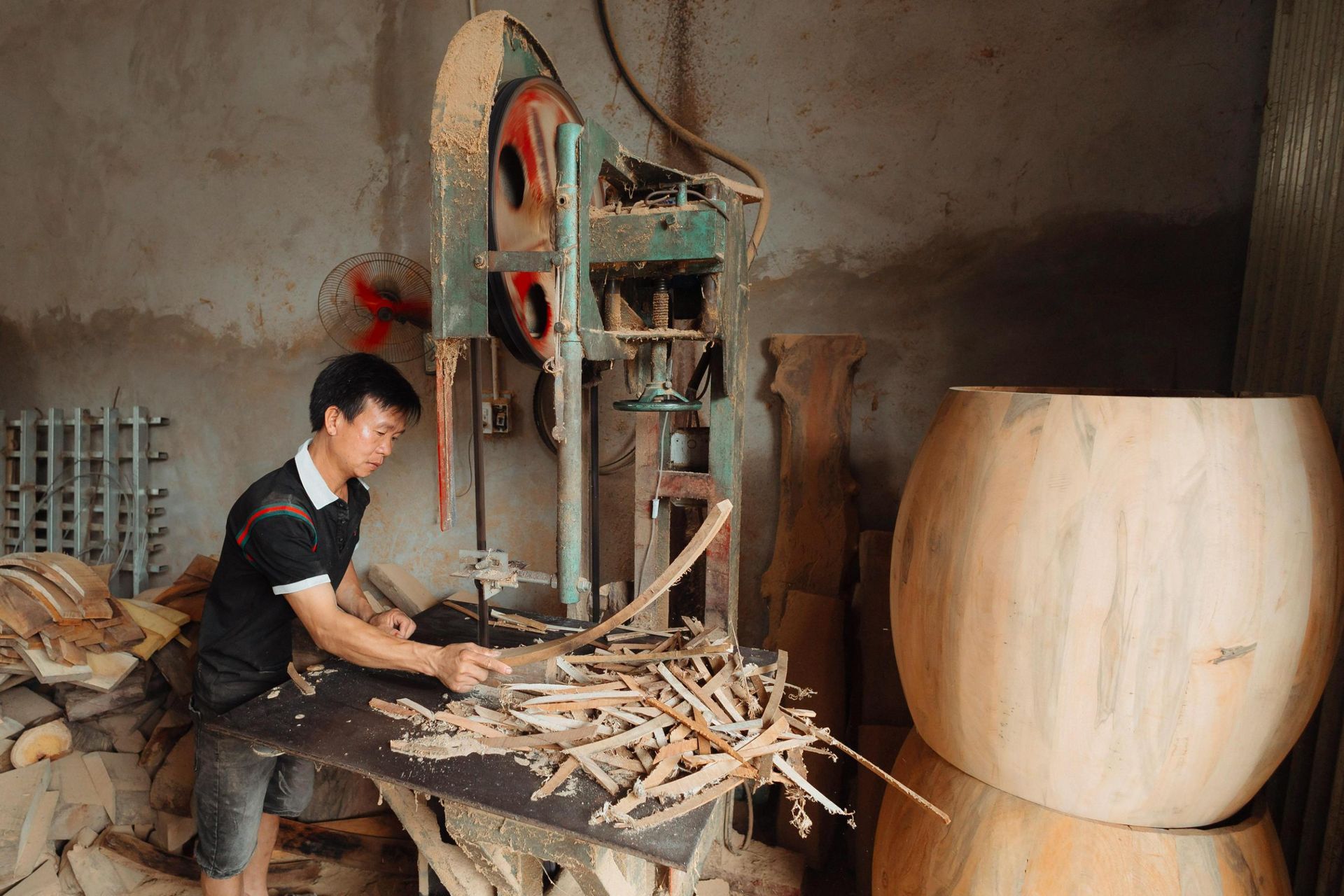
The story of modern industry is largely a story of abandoning old techniques for new ones. We traded the hand plane for the power sander, the fermentation crock for the temperature-controlled incubator, and the wood-fired kiln for the gas-powered oven. The reasons for this exchange are logical and compelling. New methods offered speed, consistency, and scalability. They democratized access to goods and fueled unprecedented economic growth. There is no denying the benefits of this progress.
However, every gain comes with a corresponding loss. In exchange for efficiency, we often traded away a deeper connection to our work. When a process is automated, the hand and mind of the maker are removed from the equation. The subtle, intuitive adjustments a craftsperson makes in response to their materials are lost. The small, perfect imperfections that give an object its character are smoothed away. What is gained in speed is often lost in soul. The forgotten techniques are the ones that hold the stories, the sensory details, and the imprint of human attention.
A Philosophy of Intentional Labor

Choosing to employ a labor-intensive process in an age of automation is a philosophical choice. It is a declaration that the process itself has value, independent of the final product. It is a belief that the time and attention invested in an object become part of its essence. This is not about inefficiency for its own sake. It is about intentionality.
This philosophy guides many of our endeavors. At our omakase restaurant, we embrace the traditional method of aging fish, a technique known as narezushi. It is a time-consuming process that requires deep knowledge and daily monitoring. We could certainly use modern, faster methods, but we choose not to. The slow, natural transformation of the fish through aging develops a depth of flavor and a tenderness of texture that cannot be replicated by any shortcut. The labor is not a cost; it is an ingredient. It is what elevates the dish from mere food to a true craft. The time invested is something the guest can taste.
This commitment to intentional labor sends a powerful message. It signals a respect for tradition, a dedication to quality, and a belief that some outcomes are worth waiting for.
How Tradition Informs Innovation

A common misconception is that reviving old techniques is an act of nostalgia, a retreat into the past. On the contrary, mastery of traditional methods is often the foundation for true innovation. A deep understanding of the fundamental principles of a craft provides the vocabulary needed to write a new sentence.
An artist who has mastered classical figure drawing is better equipped to create groundbreaking abstract forms. A chef who understands the ancient chemistry of fermentation can innovate new and unexpected flavors. The old techniques are not a rigid set of rules that constrain creativity. They are a toolbox of proven principles that can be adapted, combined, and applied to new challenges.
By learning how generations of craftspeople before us solved problems with limited tools, we gain a more profound understanding of our materials and our medium. This knowledge allows us to innovate from a place of depth, rather than simply chasing novelty. The revival of a forgotten technique is not about recreating the past; it is about bringing the wisdom of the past into the present to create a richer future.
The Sensory Dimension of Lost Crafts

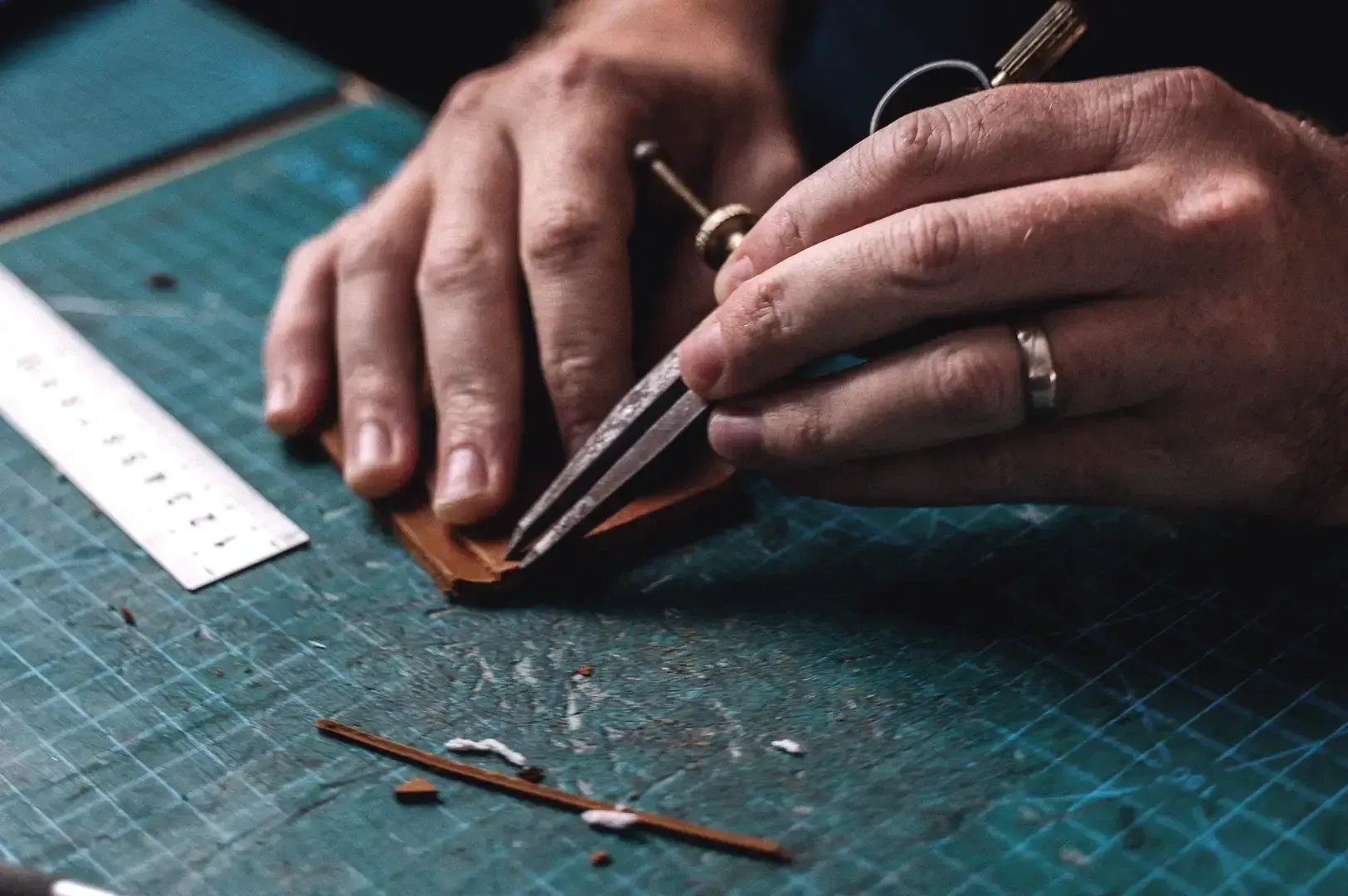
Working with older methods is a deeply sensory and emotional experience. The rhythmic scrape of a hand plane against wood, the particular smell of a natural dye vat, the feel of clay being centered on a potter’s wheel. These are experiences that engage the whole body and quiet the mind. They demand a state of presence and focus that is rare in our multitasking world.
There is a tactile knowledge that can only be gained through this kind of direct, physical engagement. You learn the character of a piece of wood by how the chisel feels as it cuts through the grain. You understand the properties of a ceramic glaze by the way it feels on your fingertips. This intimate, sensory feedback loop between the maker and the material is at the heart of craftsmanship. It is a form of thinking with your hands.
The emotional dimension is just as powerful. There is a deep satisfaction in mastering a difficult skill that requires patience and discipline. It connects us to a lineage of makers who came before us and fosters a sense of stewardship for a craft that could easily disappear. This work is grounding. It reminds us that we are physical beings in a material world, and that there is a unique and irreplaceable fulfillment in creating something real, beautiful, and lasting with our own two hands. The revival of these techniques is more than just a nod to the past; it is a vital practice for a more present and meaningful future.