
Tasting Place: The Stories Behind Regional Cuisine
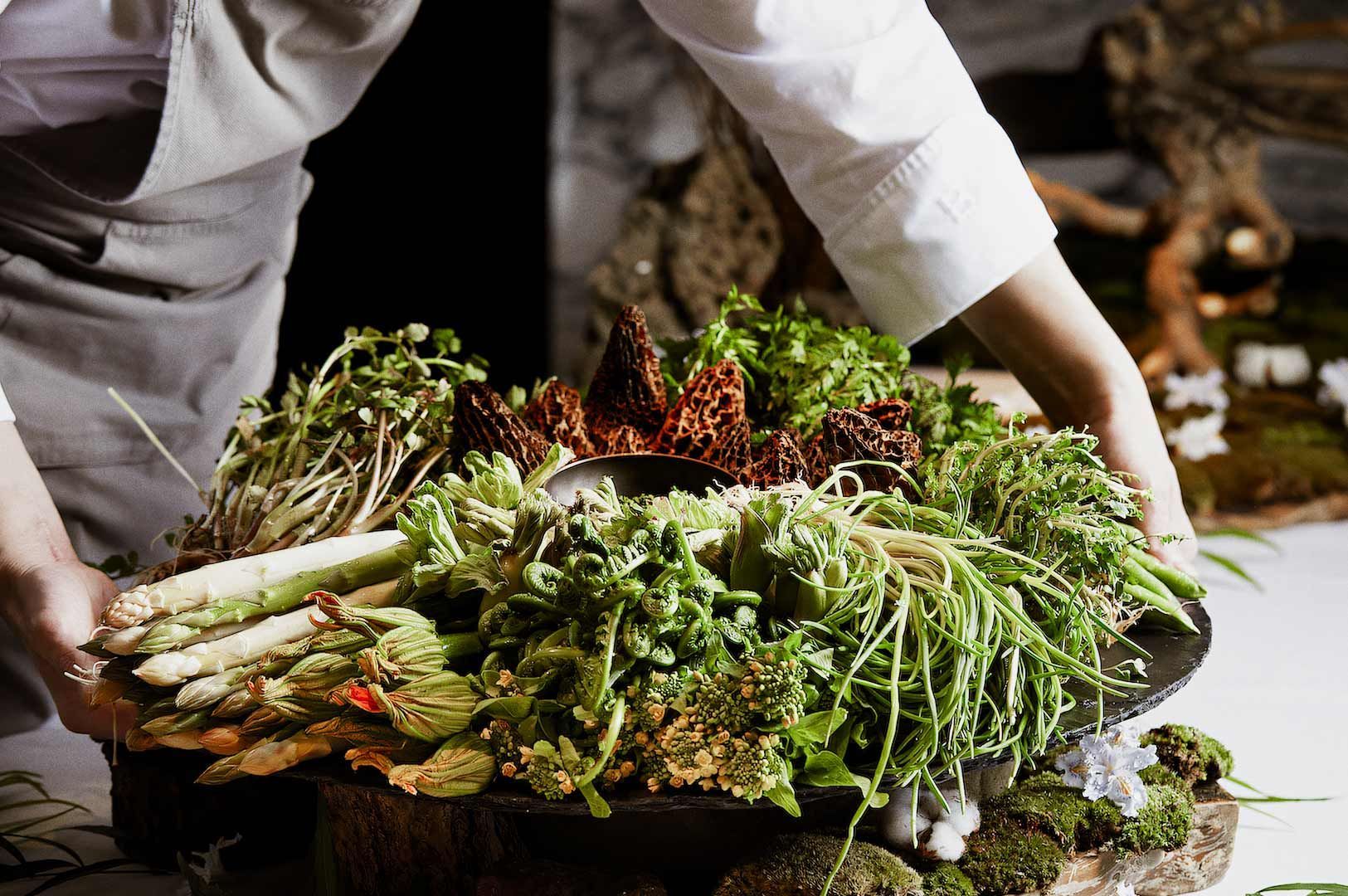
It was late spring in Japan, a season of ephemeral beauty. We were sourcing ingredients for the restaurant, and a supplier had led us to a small, family-run farm nestled in the hills outside of Kyoto. They specialized in a single product: takenoko, bamboo shoots, harvested for only a few weeks each year. The farmer served us a simple dish—freshly dug shoots, sliced thin and simmered in dashi with a touch of soy.
The flavor was nothing like the woody, fibrous bamboo I had tasted from cans. It was crisp yet tender, with a subtle sweetness and an earthy, clean taste that seemed to carry the minerality of the soil and the cool mountain air. In that single bite, I could taste the morning mist, the richness of the earth, and the specific moment of its harvest. It was not just food; it was an expression of the land itself. The dish could not have come from anywhere else, nor could it have been made at any other time. It was a taste of place, pure and absolute.
That experience crystallized an idea I had long been exploring across our culinary ventures: that the
concept of terroir extends far beyond wine. It is a principle that applies to every ingredient shaped by its environment. When we truly taste a regional dish, we are not just consuming calories or experiencing flavors. We are part of a conversation with the history, geography, and culture of a specific corner of the world.
A Reflection of the Landscape

Regional cuisine is, at its heart, a story of a place's constraints and abundance. It is a direct reflection of the landscape. The salty, briny flavor of oysters from a particular cove in Australia is a taste of the specific minerals and algae in that water. The hearty stews of a mountain region are born from the need for warmth and the scarcity of fresh vegetables in winter. The liberal use of chili in a tropical climate is a response to the heat, a way to induce sweat and cool the body, but also a natural preservative.
This is the genius of local food traditions. They are not designed; they are evolved. Over centuries, people made use of what was available. They learned that a certain fish was best preserved by smoking with the wood from the surrounding forest. They discovered that a tough cut of meat, from an animal that grazed on hardy local grasses, became tender when slow-cooked with acidic wild berries.
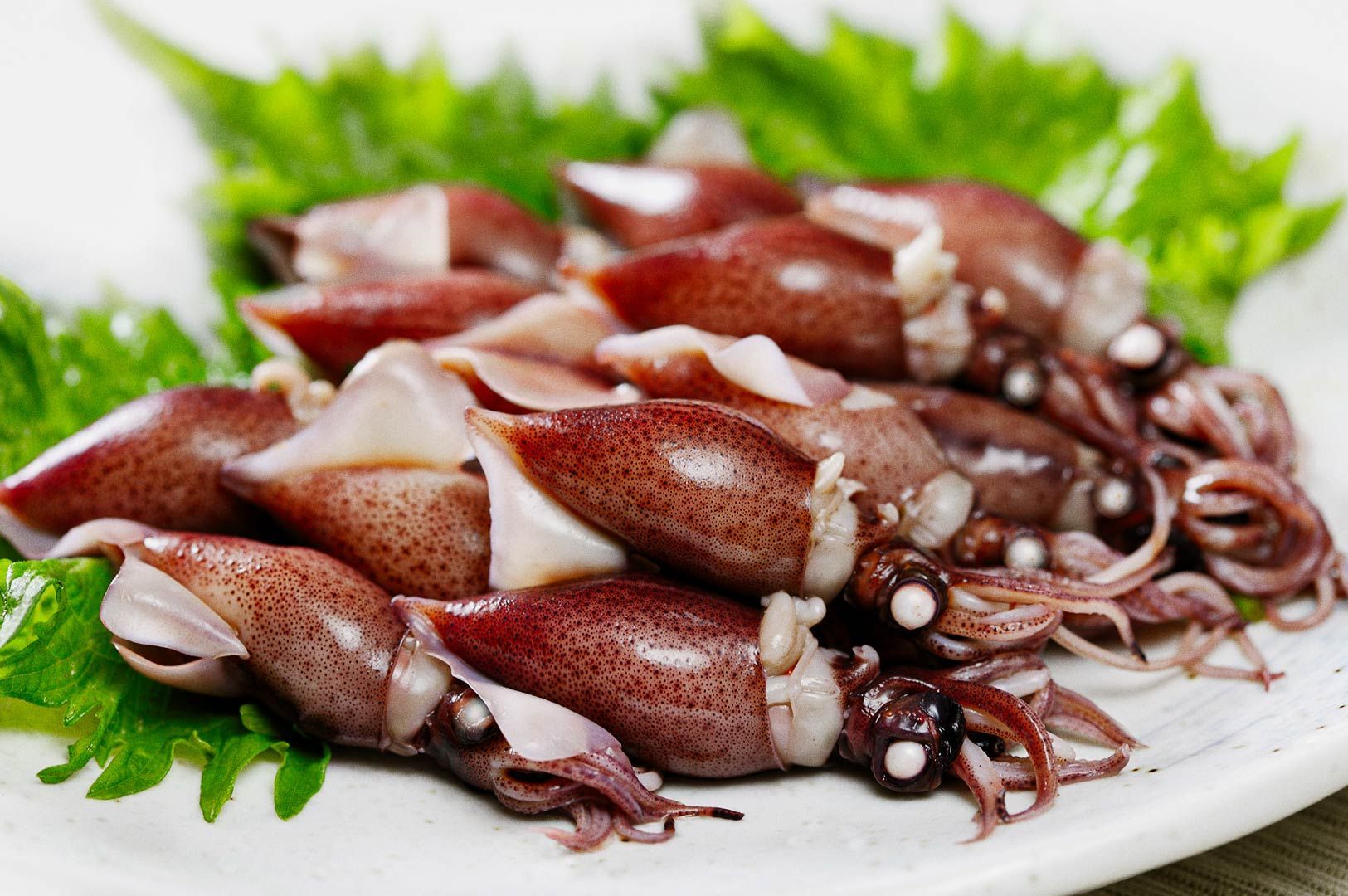
These dishes are a map of an ecosystem. At our omakase restaurant, this principle guides our entire menu. When we serve
hotaru ika (firefly squid), available only for a brief period in the spring, we are serving a taste of Toyama Bay. The squid’s delicate flavor is a direct result of its diet and the deep, cold waters it inhabits. To serve it out of season, flown from halfway across the world, would be to miss the point entirely. You would have the ingredient, but you would have lost the story.
Authenticity vs. Reference

The modern culinary world is filled with dishes that reference a place without truly expressing it. A "Tuscan-style" dish made in a New York kitchen with globally sourced ingredients may be delicious, but it is an echo, not a voice. It borrows the vocabulary of a region without understanding its grammar. It captures the aesthetic of a place but misses its soul.
Authentic regional cuisine, in contrast, is inseparable from its origin. It relies on ingredients that carry the unique signature of their environment. It is made by people who have an inherited understanding of those ingredients. It is a dish that tastes of the sun, the soil, and the water of its home.
This authenticity is not about rigid adherence to an ancient recipe. It is about fidelity to the spirit of the place. A chef in modern-day Kyoto might use a vacuum sealer to compress pickles, a technique unavailable to their ancestors. But if the vegetables are grown in local soil and the pickling brine uses a traditional ratio of local ingredients, the resulting dish is still an authentic expression of its region. The new technique is in service of the original intent: to capture and concentrate the flavor of the harvest. The dish references the past while being firmly planted in the present.
Globalization: Threat and Preservation
Globalization presents a complex paradox for regional food traditions. On one hand, it is a profound threat. The industrial food system prizes uniformity, consistency, and transportability. It favors produce that can be grown anywhere and shipped everywhere. This pushes out the unique, often fragile, local varieties that are the cornerstones of regional cuisine. As a global palate homogenizes, the demand for these specific, local flavors can diminish, and with it, the livelihoods of the farmers and artisans who produce them.
On the other hand, globalization can also be a force for preservation. A chef in London or Sydney who becomes passionate about a rare Japanese citrus can create a new market for it, providing the Japanese farmer with a vital economic incentive to continue growing it. The internet allows a small community in regional Australia, famous for its unique honey, to share its story with the world, attracting a global audience of connoisseurs who value its distinctive qualities.
The key is intentionality. When global connections are used to celebrate and support local distinctiveness, they can help preserve it. When they are used to erase it in favor of a bland, uniform standard, they accelerate its demise.
The Stories Within Ingredients

A competent teacher wants to be needed. A great teacher wants to become obsolete. Their ultimate goal is not to create dependent followers but to cultivate independent masters who can carry the craft forward, and ideally, surpass them. This requires a profound generosity and a remarkable lack of ego.
The true master is not building a monument to themselves. They are tending to the garden of their discipline, ensuring it will continue to flourish long after they are gone. They give away their "secrets" freely, knowing that a secret jealously guarded is a craft that is already dying. Their greatest pride is not in their own accomplishments, but in the accomplishments of those they have taught.
I see this in the chefs who have trained in our kitchens and gone on to open their own celebrated restaurants. I see it in the consultants who learned their trade with us and are now leading their own firms, pushing the industry in new directions. There is a quiet satisfaction in seeing a student take the foundational principles they were given and build something new and unexpected with them. This is the measure of a teacher’s legacy: not how many people followed them, but how many were equipped to find their own way.
The Language of Presence
So much of what a great teacher imparts is communicated without words. It is in their presence, their posture, their quality of attention. It is in the way they hold a tool, the way they listen to a question, the way their focus makes the rest of the world fall away. This is the language of mastery, and it is learned through osmosis rather than instruction.
When a student is in the presence of this kind of embodied knowledge, they learn on a subconscious level. They absorb the rhythms, the values, and the unspoken ethics of the craft. They learn the importance of economy of motion, of respect for materials, of a quiet mind.
This is why the environment of an apprenticeship is so powerful. It is a long-term immersion in a master’s presence. The student learns not just the explicit curriculum, but the implicit one. The most important lessons are not in what is said, but in what is demonstrated through being.
In the end, what great teachers have in common is a particular form of love. It is not a sentimental or effusive affection.
It is a demanding, attentive, and deeply generous love for their craft and for the potential that lies dormant in their students. It is a commitment to passing on not just what they know, but who they are. They are the quiet architects of the future, building legacies one student at a time.