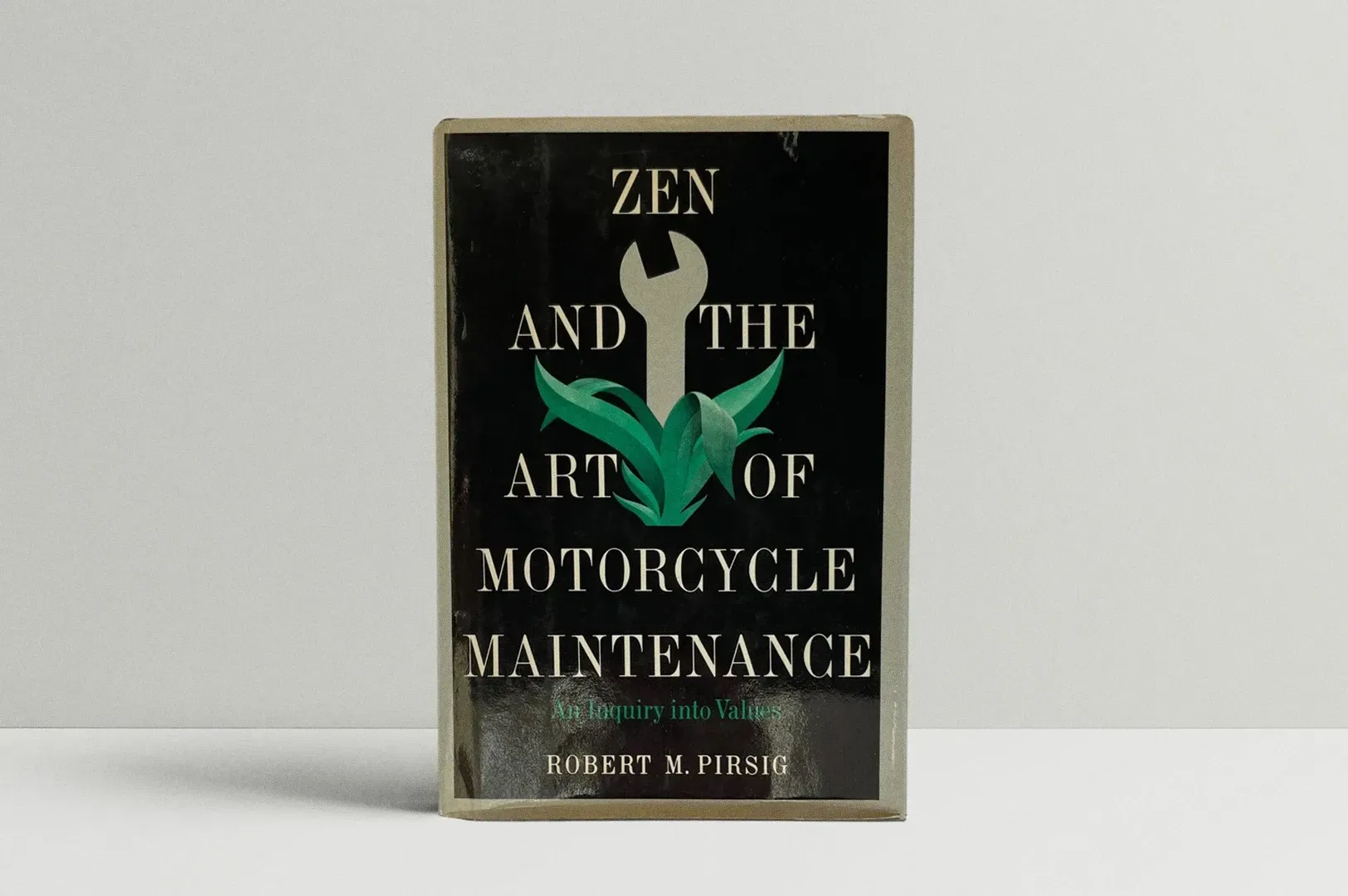

Zen and the Art of Motorcycle Maintenance by Robert M. Pirsig | My Quiet Empire Book Review

Bay San

In the early days of building a business, we naturally romanticize the vision. We focus our energy on the grand launch, the disruptive strategy, and the compelling brand story. Yet, the actual survival of any enduring enterprise rests almost entirely on what happens after the applause fades. It relies on the quiet, often unglamorous discipline of maintenance. Robert M. Pirsig’s Zen and the Art of Motorcycle Maintenance captures this reality perfectly. It frames the tedious, unseen work of keeping complex systems running as the ultimate arena for shaping human character.

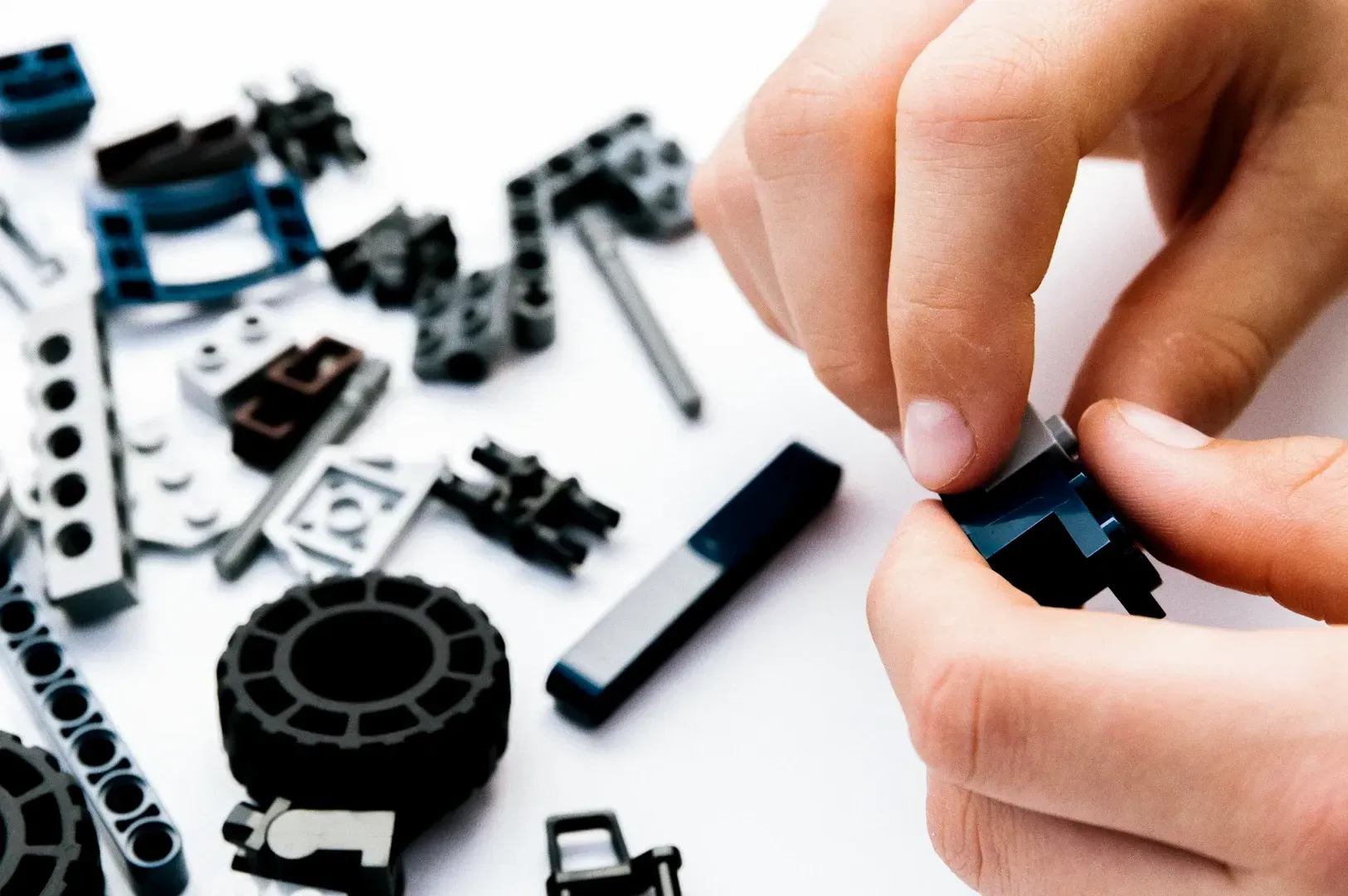
Close-up top-down shot of hands carefully assembling small mechanical components on a white surface, representing craftsmanship, focus, problem-solving, and mindful maintenance.

Pirsig divides the world into two fundamental mindsets. The Romantic mind lives in the moment and values surface aesthetics. The Classical mind seeks to understand underlying mechanics and rational structures. When building complex organizations, we desperately need both. But the vital bridge between them is what Pirsig defines simply as Quality. It is a pre-intellectual knowing. You sense it in your gut before you can articulate it in a spreadsheet.


One line has always anchored my approach to operations: "The test of the machine is the satisfaction it gives you. There isn't any other test. If the machine produces tranquility it's right." That operational tranquility only arrives through deliberate care. In business, maintenance is never a lower-level chore assigned to the background. It is an act of taking profound responsibility for the structures that sustain us. It requires taking pride in the unseen joints of the operation.

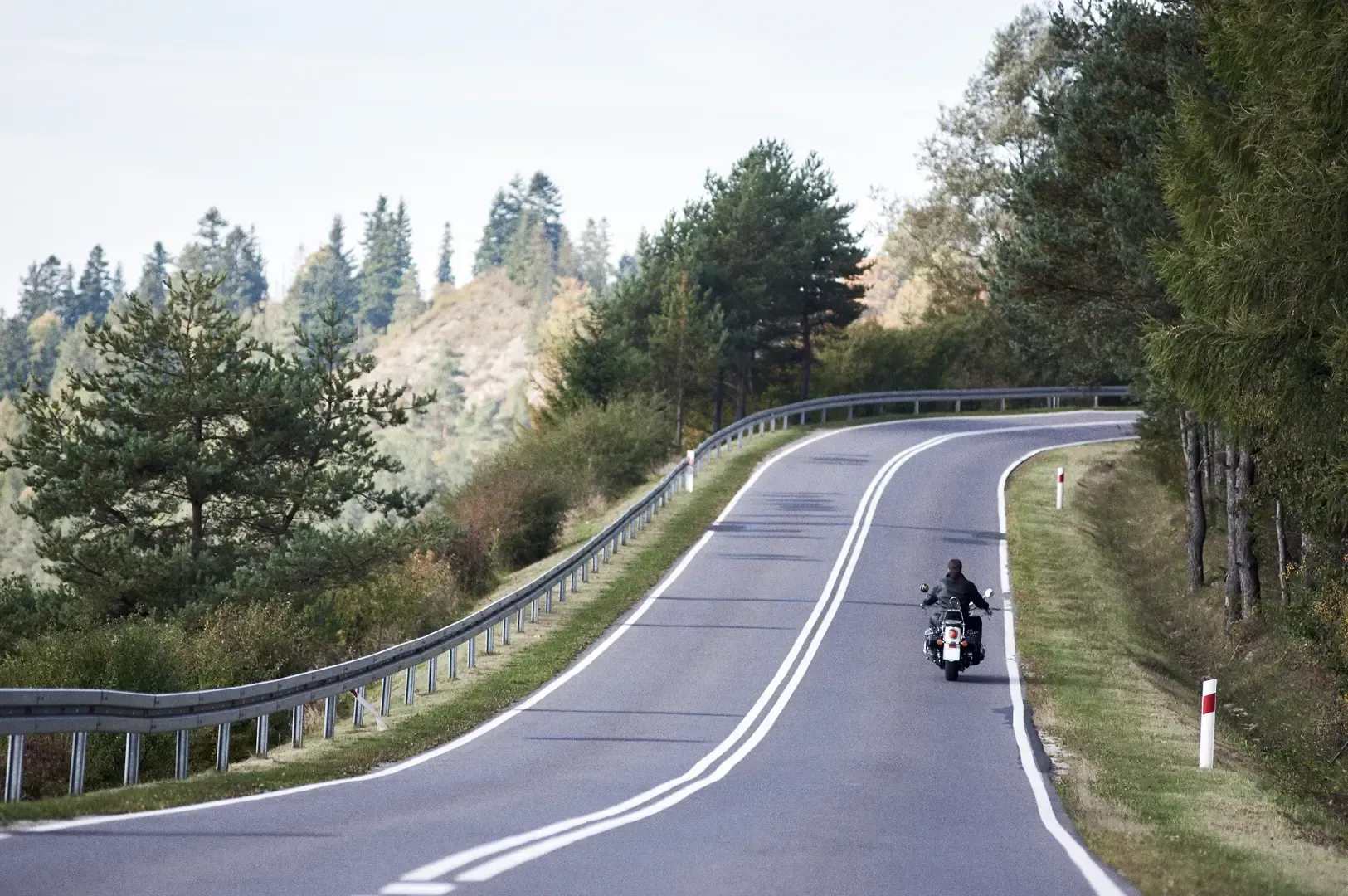
Long shot from a slightly elevated rear angle of a lone motorcyclist riding along a winding two‑lane mountain road surrounded by trees, symbolizing freedom, solitude, and a reflective journey.

Pirsig uses a cross-country motorcycle trip with his son as the container for these deep dives. The physical movement down the American highway grounds his heavy intellectual arguments. This narrative choice builds incredible trust. You are not just being lectured from a podium; you are traveling alongside a brilliant mind trying to heal itself.


However, this unique structure demands significant patience. There is an honest tension here for the modern reader. As an entrepreneur managing real-world obligations, tight margins, and daily team dynamics, Pirsig’s sprawling abstractions can sometimes drift into obscurity. When a critical system fails on a Tuesday morning, the luxury of debating the metaphysics of Quality feels distant. The philosophy occasionally hits the hard, unforgiving wall of our practical limits and finite time.


Yet, I return to this book because it aggressively challenges the modern instinct to replace rather than repair. It asks us to look much closer at the work we are doing right now. This text is for the builder, the operator, and the quiet craftsman who understands that true excellence is a daily practice rather than a final destination. It leaves us with a necessary, lingering question. If the quality of our work directly reflects the quality of our attention, what vital parts of our foundation are we choosing to ignore?


More Book Reviews

Three-quarter angle product shot of The Book of Joy by the Dalai Lama and Desmond Tutu, showing mult
By Bay San April 8, 2026
Joy is not a fleeting emotion but a disciplined practice. Discover how two spiritual leaders offer a framework for resilience in business and life.
Book titled ‘Wabi-Sabi for Artists, Designers, Poets & Philosophers’ on a blue background, featuring
By Bay San March 27, 2026
On embracing imperfection: Leonard Koren's meditation on wabi-sabi offers a framework for creation that honors transience over permanence. A reflection on building with constraint.
Vintage copy of ‘The Gastronomical Me’ by M.F.K. Fisher standing upright on a wooden surface with a
By Bay San March 20, 2026
On appetite as philosophy: Fisher's memoir reveals that how we eat reflects how we live. A meditation on attention, pleasure, and intentional living.
Book cover of ‘Originals: How Non‑Conformists Move the World’ by Adam Grant displayed in front of as
By Bay San March 13, 2026
Can originality be systematized? Adam Grant's research offers tools for fostering innovation, but the most transformative work may resist frameworks entirely.
Cover of Viktor Frankl’s book ‘Man’s Search for Meaning’ placed on a wooden table beside a cup of co
By Bay San March 6, 2026
Frankl's testament from Auschwitz: meaning, not happiness, sustains us. A reflection on purpose as the foundation of resilience in business and life.
The book ‘The Art of Stillness’ by Pico Iyer placed beside a laptop in a calm, minimalist workspace.
By Bay San February 27, 2026
On the discipline of withdrawal: Iyer reveals that stillness is not escape but focus; choosing where attention goes. A reflection on strategic quiet.
Hardcover book titled The Craftsman by Richard Sennett, shown standing upright with a black cover fe
By Bay San February 20, 2026
On mastery through practice: Sennett reveals that craft is not nostalgia but discipline; doing something well, for its own sake. A reflection on patient excellence.
Minimalist book cover of The Laws of Simplicity by John Maeda displayed on a bright yellow backgroun
By Bay San February 13, 2026
On the power of restraint: Maeda's ten laws reveal that simplicity is not subtraction but strategic clarity. A reflection on doing less, better.
By Bay San February 9, 2026
On thinking with your feet: Macfarlane's walking journeys reveal that clarity comes through movement, not stillness. A reflection on embodied wisdom.
A person's hand holds a small, navy blue book titled Silence: In the Age of Noise by Erling Kagge, w
By Bay San February 2, 2026
On finding stillness in noise: Erling Kagge's meditation reveals silence as a cultivated skill, not escape. A reflection on attention and inner discipline.
Show More