


Slow Travel: The Case for Staying Longer, Going Deeper

Bay San • April 14, 2026

There is a distinct difference between arriving in a city and actually being there. You can step off a plane, check into a hotel, and stand before a famous monument within hours, yet remain entirely separate from the place itself. The city is a backdrop, a stage set for your own transient experience. But if you stay, if you refuse to move on when the itinerary suggests you should. something shifts. The stage set dissolves, and the living, breathing organism of the place reveals itself.


This is the essence of slow travel. It is not merely a matter of logistics or a preference for trains over planes. It is a fundamental shift in philosophy. It is the choice to trade breadth for depth, to sacrifice the number of stamps in a passport for the weight of genuine understanding. In a culture that conflates movement with progress, staying put can feel like an act of rebellion. But for those seeking to understand the architecture of the world, and their place within it, it is the only way to travel that matters.

The Moment the City Opens Up

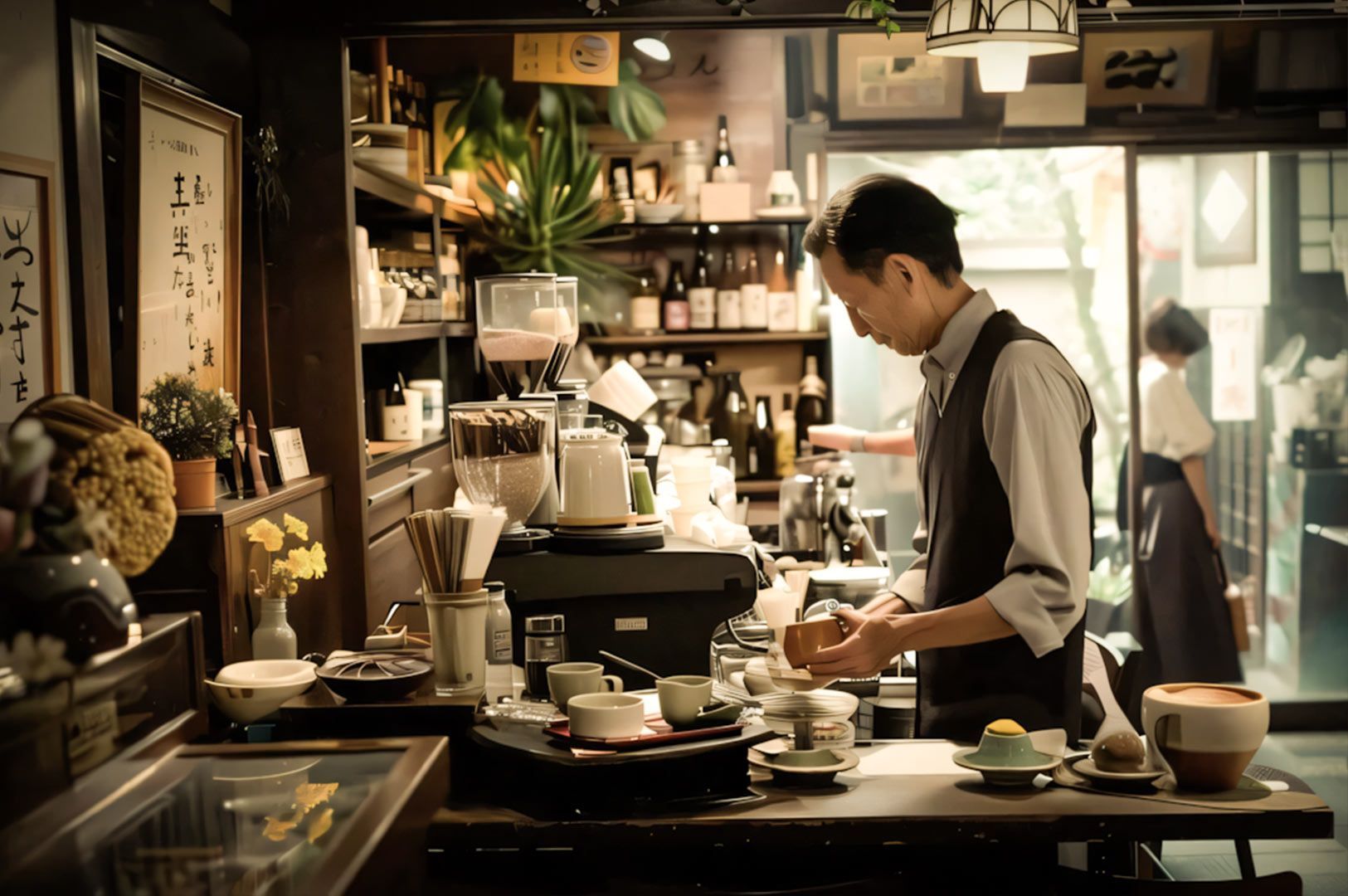
A café worker preparing a cup of coffee behind a counter filled with cups, equipment, and decorative items.

I remember distinctly when this shift occurred during an extended stay in Tokyo. For the first two weeks, I was a tourist. I visited the shrines, I ate at the recommended sushi counters, I navigated the subway with the frantic energy of someone trying not to miss anything. The city was a series of destinations, unconnected dots on a map.


It was in the third week, in a quiet neighborhood in Setagaya, that the rhythm changed. I had established a routine: a morning walk to a specific kissaten (coffee shop) where the owner, a man in his seventies with immaculate posture, brewed coffee with agonizing slowness. One Tuesday, it rained; a heavy, gray drizzle that emptied the streets. I walked in, collapsed my umbrella, and sat at the counter. The owner didn't ask for my order. He simply placed a cup of dark roast and a slice of thick toast before me, then returned to his newspaper. He nodded, just once.


In that silence, the city opened up. I was no longer a visitor passing through; I was a regular, however temporary. I was part of the morning ecosystem of that street. I heard the specific cadence of the neighborhood waking up: the clatter of the tofu shop delivery, the bell of the recycling truck, the hushed greetings of salarymen. The frantic need to "see" Tokyo vanished, replaced by the deep satisfaction of simply being in Tokyo. That moment of integration offered more insight into Japanese culture, its reverence for routine, its unspoken codes of belonging, than any guided tour ever could.

From Sightseer to Inhabitant

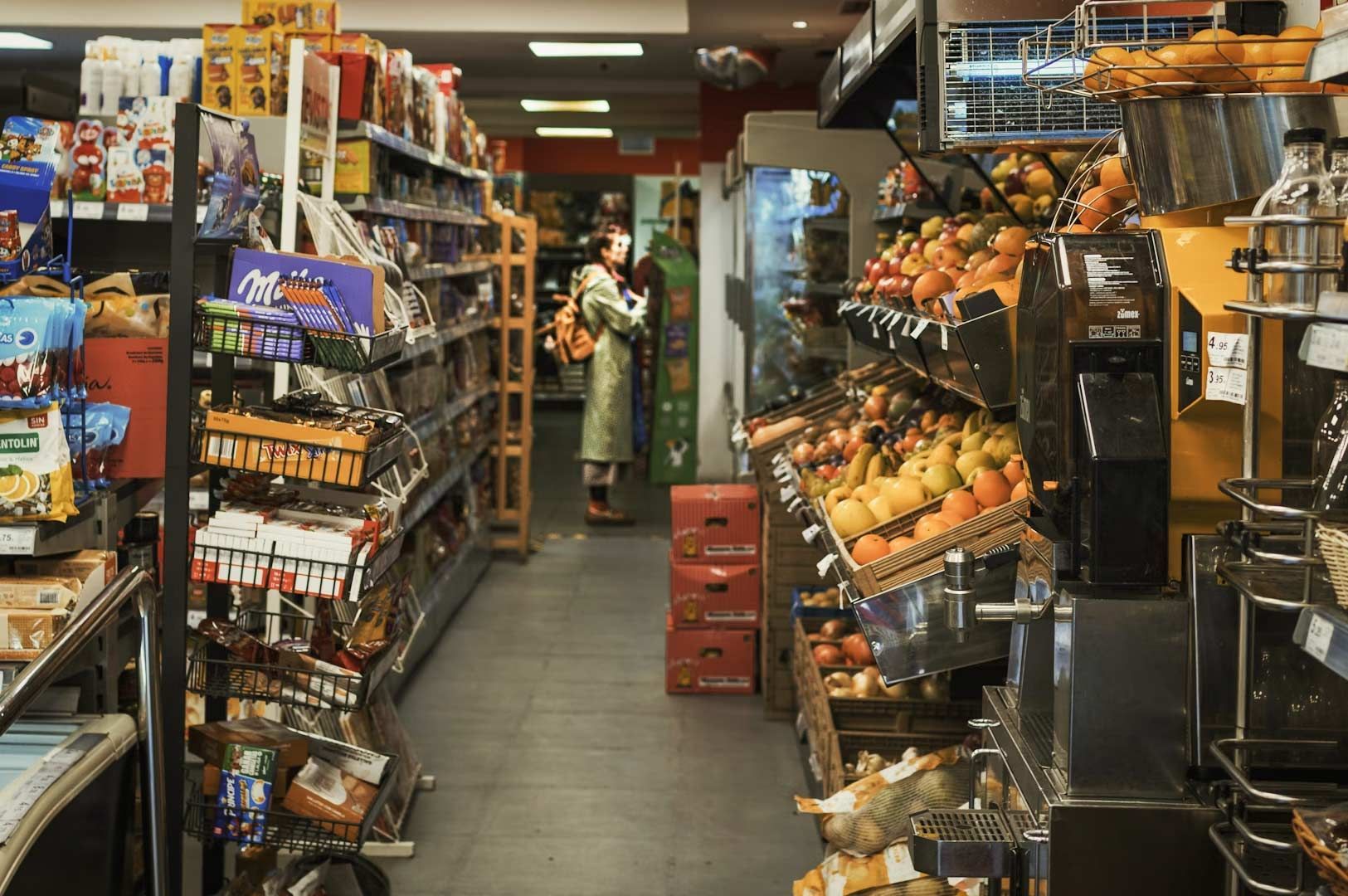
Inside a local grocery store with shelves stocked with snacks, produce, and packaged goods along a narrow aisle.

There is a profound distinction between seeing a place and inhabiting it. Tourism is often an act of consumption. We consume sights, we consume meals, we consume experiences, often with the primary goal of documenting them. We skim the surface, collecting impressions like souvenirs.


Inhabiting a place, even for a month or two, is an act of submission. You must submit to the local rhythm. You have to figure out how to buy groceries, how to sort the trash (a complex ritual in itself in places like Japan or Switzerland), where to find a pharmacy at 10 PM. These mundane logistics are often dismissed as inconveniences to be avoided, yet they are the very things that constitute real life.


When you inhabit a place, you stop looking for the extraordinary and start noticing the ordinary. You see how people commute, how they queue, how they argue, and how they celebrate. You begin to understand the social contract of a culture. In Australia, during a long summer in a coastal town south of Sydney, I learned that the culture’s famed "laid-back" attitude wasn't laziness; it was a deliberate prioritization of lifestyle and landscape over unnecessary urgency. I only understood this because I had to operate within it, waiting for shops to open, adjusting my own internal clock to the sun and the surf rather than a schedule.

The Architecture of Daily Life

Individual standing on a high balcony observing a panoramic city skyline with tall residential and commercial buildings.

My perspective on this has been deeply shaped by owning property in different countries. There is a specific intimacy that comes with stewardship. When you own a home, even one you only visit for part of the year, you cannot remain a passive observer. You are forced to engage with the machinery of the location.


Dealing with a strata council in Sydney or navigating property taxes in Europe strips away the romance of travel and replaces it with reality. This might sound unappealing, but it is incredibly grounding. It teaches you about the bureaucracy, the legal frameworks, and the values of a society. You learn what a culture protects and what it neglects.


More importantly, it changes your relationship with the community. You are no longer a transient source of revenue; you are a neighbor. You have a stake in the street being clean, the local businesses thriving, the noise levels being respectful. This shift from consumer to stakeholder alters your psychology. You stop asking, "What can this place give me?" and start asking, "How do I fit into this place?" It is a lesson in the architecture of daily life; understanding that a city is not built for tourists, but for the people who endure its winters, pay its taxes, and sweep its sidewalks.

The False Economy of the Checklist

A traveler taking a photo of a historic waterfront tower with a smartphone during a cold, overcast day.

We live in an era of checklist travel. The ubiquity of social media has gamified movement, creating a pressure to maximize "content" and minimize downtime. We have optimized the serendipity out of travel. We research the "top 10 hidden gems" before we even leave the airport, oblivious to the irony that a hidden gem found on a list is neither hidden nor a gem; it is a queue.


This approach is a false economy. We believe that by moving faster and seeing more, we are gaining more. In reality, we are diluting the experience. A checklist is a shield; it protects us from the discomfort of the unknown and the boredom of the unstructured moment. But boredom is often the precursor to discovery.


When you stay in one place for a month, you inevitably run out of "must-see" attractions. This is when the real travel begins. You turn down a street because the light looks interesting, not because an app told you to. You strike up a conversation with a bartender because you aren't rushing to a reservation. You allow the day to unfold. In these empty spaces, unburdened by an itinerary, you find the texture of a place. You find the things that aren't on the internet. You find the silence between the noise.

Time as a Tool for Discovery

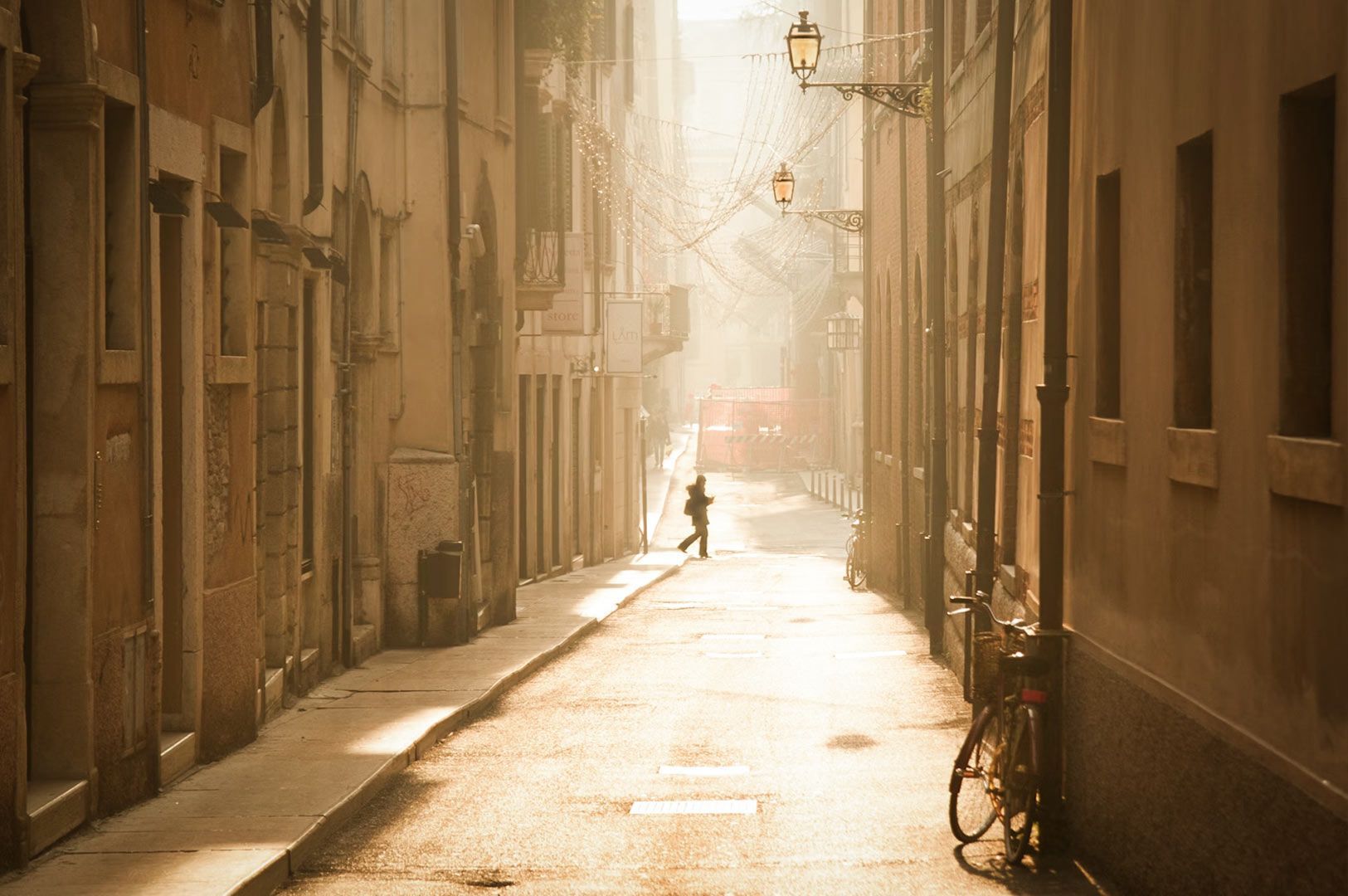
Sunlit narrow street with warm morning light, lined with old buildings and a bicycle parked along the wall.

Time is the essential ingredient in this formula. You cannot hack depth. Just as you cannot rush the fermentation of miso or the aging of a fine wine, you cannot accelerate the process of understanding a foreign environment.


Time acts as a filter. In the first few days of a trip, everything is novel and overwhelming. Your brain is firing constantly, processing new stimuli. Over weeks, the novelty fades, and the nuance emerges. You stop noticing that the cars drive on the left and start noticing the subtle body language of pedestrians. You stop marveling at the architecture of the skyscrapers and start appreciating the way the light hits the pavement at dusk.


This is the transition from looking at to looking into. It requires patience. It requires the willingness to have days where "nothing happens." But those days are never truly empty; they are the days where you metabolize your experiences, where the foreign becomes familiar, and where understanding takes root.

Patience as a Business Principle

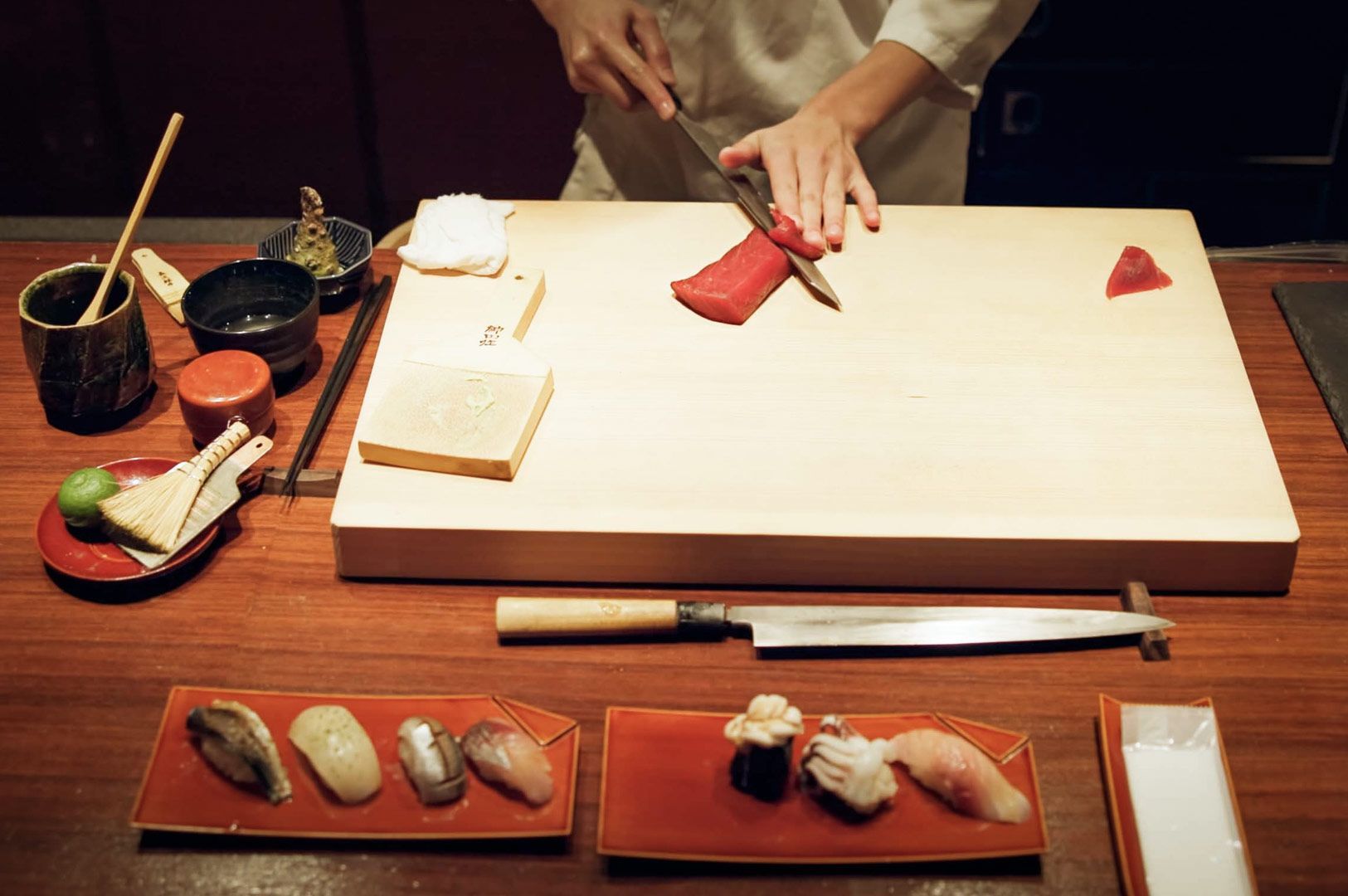
Chef slicing a piece of fresh tuna on a wooden sushi counter with sushi knives, small bowls, and assorted nigiri arranged in front.

Time is the essential ingredient in this formula. You cannot hack depth. Just as you cannot rush the fermentation of miso or the aging of a fine wine, you cannot accelerate the process of understanding a foreign environment.


Time acts as a filter. In the first few days of a trip, everything is novel and overwhelming. Your brain is firing constantly, processing new stimuli. Over weeks, the novelty fades, and the nuance emerges. You stop noticing that the cars drive on the left and start noticing the subtle body language of pedestrians. You stop marveling at the architecture of the skyscrapers and start appreciating the way the light hits the pavement at dusk.


This is the transition from looking at to looking into. It requires patience. It requires the willingness to have days where "nothing happens." But those days are never truly empty; they are the days where you metabolize your experiences, where the foreign becomes familiar, and where understanding takes root.

Recent Posts

Straight-on product shot of the book cover “Zen and the Art of Motorcycle Maintenance” by Robert M.
By Bay San April 10, 2026
Quality is not an accident; it is a discipline. Discover how Pirsig's meditation on maintenance shapes our approach to business, craft, and quiet mastery.
Person working at a forge with flames rising from the furnace inside a workshop.
By Bay San April 9, 2026
True mastery resists recognition. A reflection on pursuing excellence quietly, without ego, and why ordinariness is the most courageous choice.
Three-quarter angle product shot of The Book of Joy by the Dalai Lama and Desmond Tutu, showing mult
By Bay San April 8, 2026
Joy is not a fleeting emotion but a disciplined practice. Discover how two spiritual leaders offer a framework for resilience in business and life.
Open lined notebook with a green fountain pen beside a Tomoe River notebook on a wooden desk.
By Bay San April 7, 2026
How ordinary objects become vessels of meaning through ritual and attention. Reflections on infusing the everyday with the sacred through consistency.
Close-up of two professionals shaking hands across a desk, symbolizing partnership, agreement, or su
By Bay San April 2, 2026
Building a sustainable business requires more than passion, it demands intentional structure aligned with your deepest values. Reflections on the balance.
Close-up of a ceramic bowl filled with grilled bamboo shoots drizzled with sauce, with wooden chopst
By Bay San March 31, 2026
How regional dishes carry the history and character of their origins. Reflections on experiencing the distilled essence of place through authentic cuisine.
Book titled ‘Wabi-Sabi for Artists, Designers, Poets & Philosophers’ on a blue background, featuring
By Bay San March 27, 2026
On embracing imperfection: Leonard Koren's meditation on wabi-sabi offers a framework for creation that honors transience over permanence. A reflection on building with constraint.
A chef preparing food at a market stall using wooden cooking tools, with trays and equipment arrange
By Bay San March 26, 2026
The qualities that distinguish exceptional educators from the merely competent. Reflections on presence, patience, and the art of transformative teaching.
A close-up of a hand using a metal trowel to spread plaster or cement over a wall covered with reinf
By Bay San March 24, 2026
How contemporary makers honor traditional craftsmanship while embracing evolution. Reflections on building upon heritage with intention and discernment.
Vintage copy of ‘The Gastronomical Me’ by M.F.K. Fisher standing upright on a wooden surface with a
By Bay San March 20, 2026
On appetite as philosophy: Fisher's memoir reveals that how we eat reflects how we live. A meditation on attention, pleasure, and intentional living.
Show More