

The Architecture of Empty Space
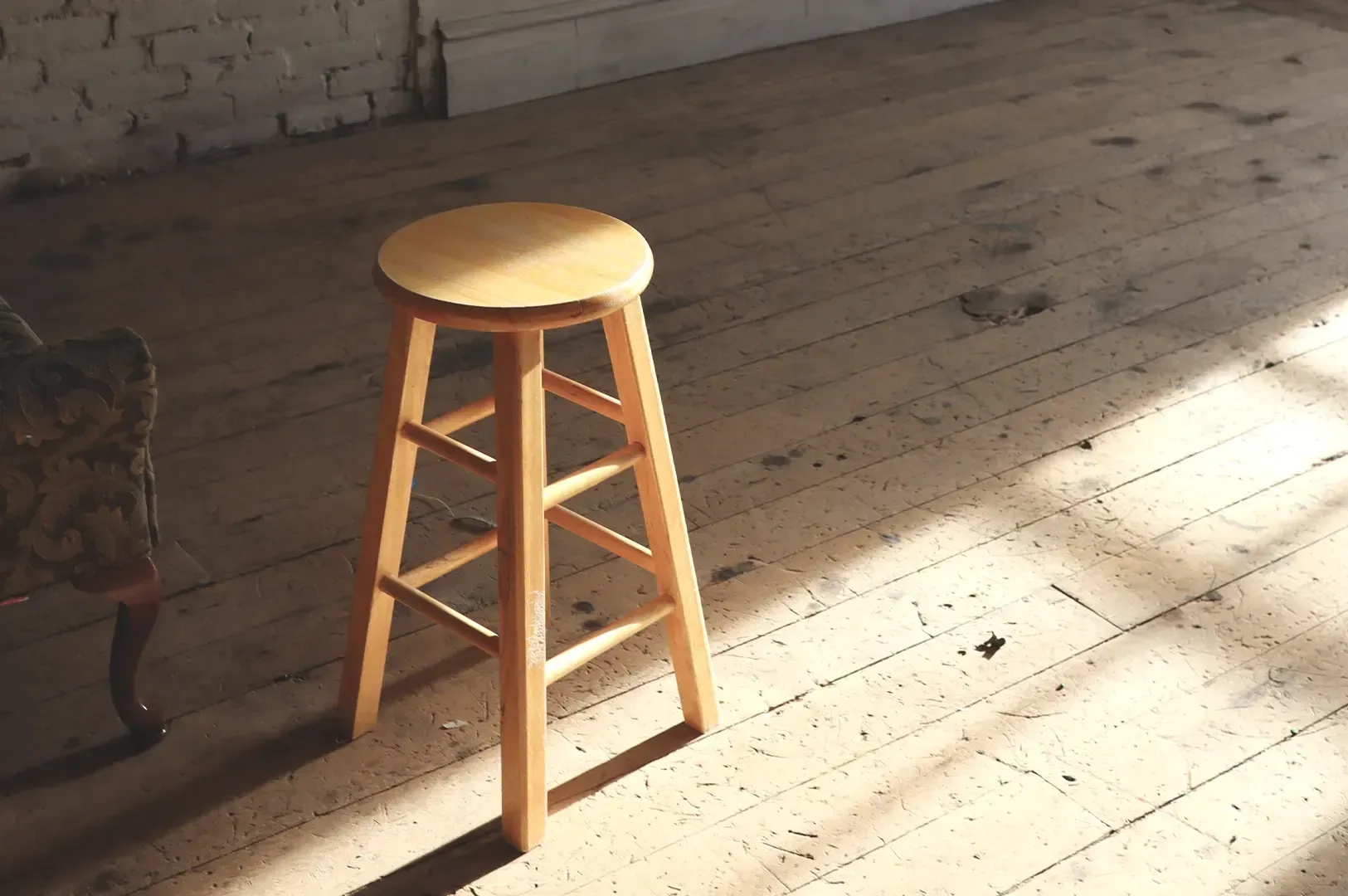
I am standing in the center of a spare room in the alpine property in Japan. The morning light filters through the translucent paper screens, casting a soft, geometric grid across the tatami mats. The space is almost entirely empty. There is no furniture, no art on the walls, and no visual noise to demand my attention. The only sensory anchors are the faint, dry scent of aged cedar and the muted acoustics of a room that absorbs sound rather than reflecting it. When I step across the floor, the rustle of my socks against the woven rush feels extraordinarily loud. In this profound quiet, a specific question surfaces in my mind. What exactly am I protecting when I deliberately choose not to add?
We are conditioned to view empty space as a problem waiting to be solved. We treat an unadorned room, an open hour on the calendar, or a silent pause in conversation as a void requiring immediate fulfillment. Yet standing in this Japanese house, the negative space does not feel like an absence. It feels like a distinct, heavy presence. It feels like a choice.
The Illusion of Accumulation
There was a distinct moment in my career when the pursuit of "more" entirely stopped feeling like progress. It happened during the early months of refining the omakase restaurant. We were finalizing the menu structure, and the natural instinct of the culinary team was to expand. They wanted to add intricate transition courses, luxury garnishes, and elaborate plating techniques to justify the prestige of the room. The ambition was palpable, but the result was exhausting. The palate became overwhelmed, and the core ingredients lost their voice in the crowd.
I asked the head chef to cut the menu by a third. We removed the superfluous garnishes and stripped the plating down to bare ceramic and raw fish. We decided what not to serve. This was not a cost-saving measure.
It was the realization that focus is the only thing that truly protects excellence. By removing the distractions, we forced the guest to encounter the absolute quality of the remaining elements.
Restraint became our primary form of craft.
Designing the Essential

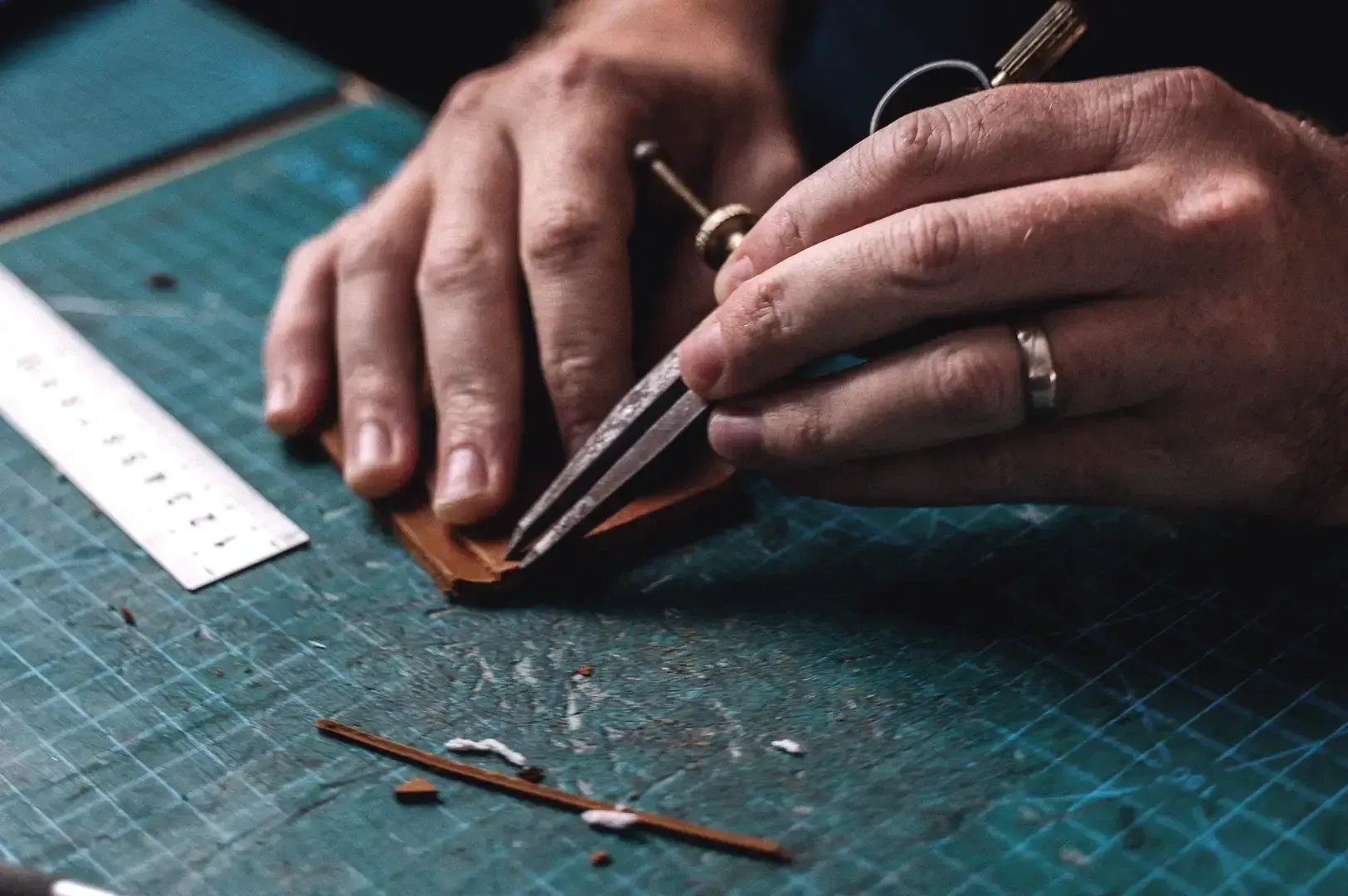
Restraint is rarely a moral posture. It is a highly practical design principle that can be applied to every facet of a life. It dictates how we interact with the objects we own. There is a quiet confidence in choosing to live with fewer things, ensuring that what remains is beautifully made, meticulously repaired, and intentionally kept.
This principle extends to how we manage our time. A calendar devoid of margin is simply a ledger of reactive panic. Restraint requires us to guard our availability, choosing depth of engagement over a shallow presence in a dozen different rooms. It is the willingness to disappoint the periphery in order to protect the core.
It also applies to our language. We live in a culture that rewards endless broadcasting. But there is immense power in saying less and meaning more. Restraint functions as a necessary boundary for our privacy. It defines what we deliberately keep unspoken, unposted, and unperformed. In an era where every thought is immediately exported for public consumption, withholding your inner life is the ultimate luxury.
The Discipline of Desire
When we practice restraint in our daily appetites, whether for food, novelty, or digital consumption, we begin to change the nature of our wanting. Wanting is often a reflex. We absorb the desires of the people around us, mimicking their purchases and their ambitions. This inherited desire is driven purely by status scripts and social comparison.
Wanting with intention is an entirely different mechanism. It is a desire that must be earned. It is formed slowly through the disciplined refinement of your own taste and the accumulation of lived experience. When you intentionally restrict your diet of external noise, your internal voice becomes undeniable. You stop wanting things simply because they are available. You begin wanting things because they genuinely align with the life you are quietly building behind closed doors. You realize that a curated life is not about deprivation. It is about demanding a higher standard of satisfaction.
Protecting the Foundation

Building multiple businesses has taught me a very grounded lesson about what endures and what fades. Whether shaping the curriculum at the academy or defining the service standards in the hospitality ventures, the system only survives if you fiercely protect the foundation.
The craft standards, the quiet rituals of training, the refusal to compromise on materials, and a certain deliberate slowness must be preserved at all costs. These elements form the legacy of the institution. Everything else can change. The operational format, the seasonal menu, the geographical location, and the branding details are entirely fluid. Restraint is the structural system that keeps the essential intact while allowing the surface to evolve. When you remove the unnecessary noise from a business, what remains is the undeniable truth of the work.
The Geometry of Attention
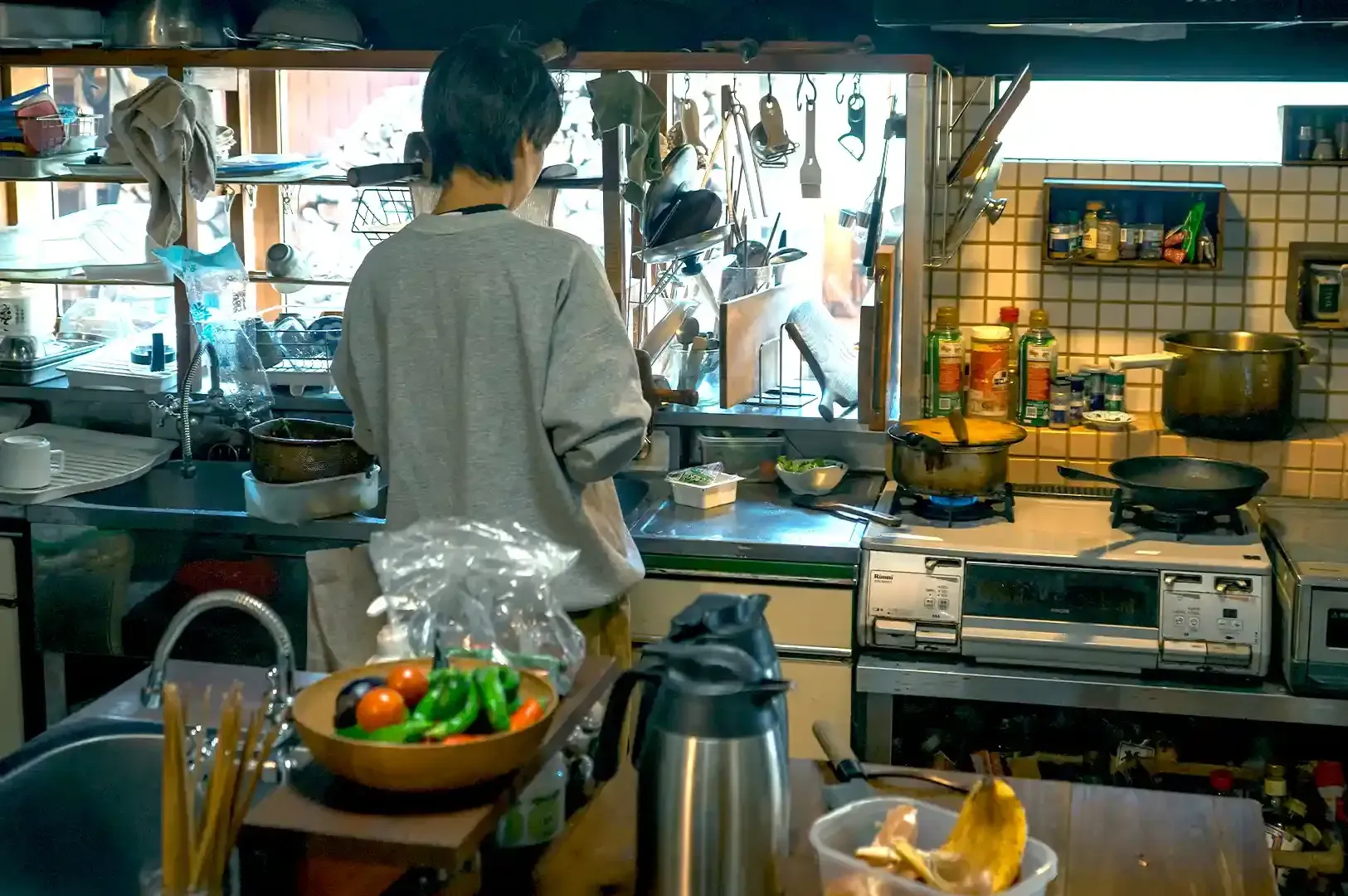
The way we pay attention shifts dramatically depending on the stimuli we allow into our environment. Consider the experience of eating a late-night bowl of noodles at a narrow wooden counter in Tokyo. The ambient noise of the city is muffled by the heavy curtain at the door. You are tired. The bowl is scalding hot. Because the environment is stripped of all pretense, you notice the absolute precision of the broth. You taste the sharp salinity of the tare and feel the exact density of the steam rising against your face.
Compare this to a formal afternoon tea ritual in our private room. The restraint here shows up differently. It manifests in the slow pacing of the pour, the rigid posture of the host, and the deliberate smallness of the cups. The ceremony dictates a severe scarcity of movement.
Both of these environments teach a subtle but vital lesson. When you severely limit the amount of stimuli in a room, you restore the human capacity for nuance. You do not need to try to be mindful. The environment forces your attention to sharpen.
Sovereign Spaces
We live in a world that profits directly from our lack of boundaries. The market wants us hungry, distracted, and endlessly accumulating. In such an environment, practicing restraint is the only way to remain sovereign over your own attention and your own desires.
I step away from the center of the tatami room and slide the wooden door shut, leaving the space exactly as I found it. The morning sun has moved, shifting the geometric shadows slightly across the floorboards of the hallway. There is nothing to fix, nothing to add, and nothing to announce.
The space is completely full, entirely because it is empty.