
Creating Systems That Sustain Creative Vision

Bay San • March 19, 2026

The preparation of a single piece of nigiri in our omakase restaurant takes twelve seconds. In that brief interval, the chef’s hands move with practiced economy: shari shaped by gentle pressure, a measured swipe of wasabi, neta laid just so. Each gesture appears effortless to the guest. What remains unseen are the hours of preparation, the reliability of morning deliveries, the routines anchoring every service. Creativity in its purest form is made possible by these invisible architectures.


There is poetry in that moment, but it stands atop quiet engineering. Unmoored creative vision risks chaos, or, more subtly, a dissolving of the essence that first animated the work. Across my businesses, I have learned that structures, thoughtfully designed systems, carve out the space for mastery and renewal to reappear.

Realizing the Paradox

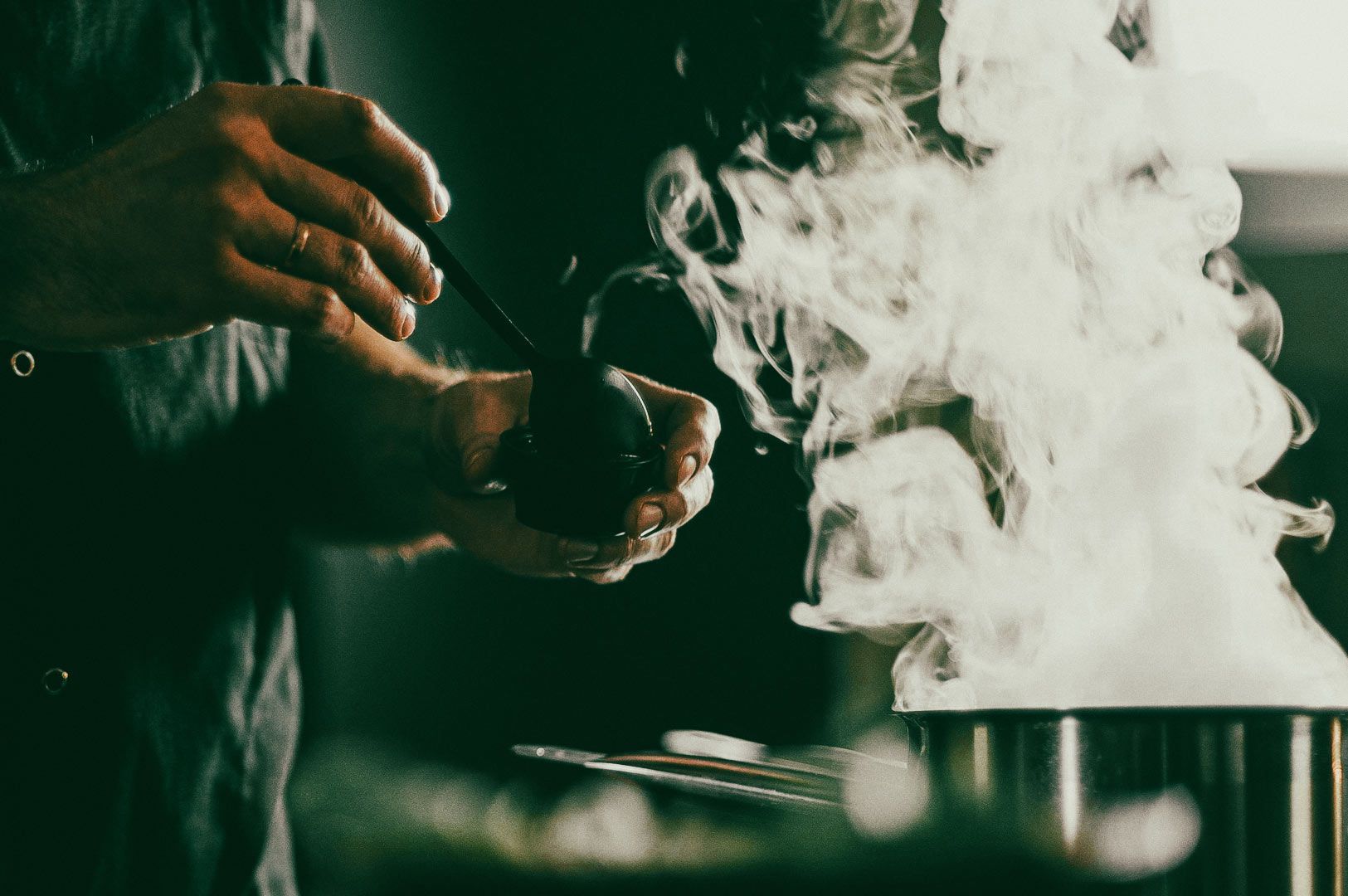
Hands holding a ladle near a steaming pot in a kitchen, with thick steam rising into the air.

Like many, I once clung to the idea that artistry thrived only in spontaneity, resisting structure as limitation. In the first months of the restaurant, my systems existed only in my memory; routines, recipes, vendor preferences all recalled, all informal. As order volumes increased and more staff entered the fold, I found myself fielding questions, mediating confusion, and patching problems of my own making. I was present everywhere, yet, in truth, increasingly absent from the creative core.


A particular winter night forced the issue. Snow drifted outside, and a treasured guest sat across the counter. I tried to split my attention: staff queries, a delayed fish delivery, guests awaiting guidance. That evening, my focus scattered and the ease was lost. The intimacy faded. Without robust systems, I realized I could create or control, but never both. Genuine creative freedom emerges not when structure is absent, but when it is so sound it disappears from view.

Systems That Enable, Systems That Suffocate

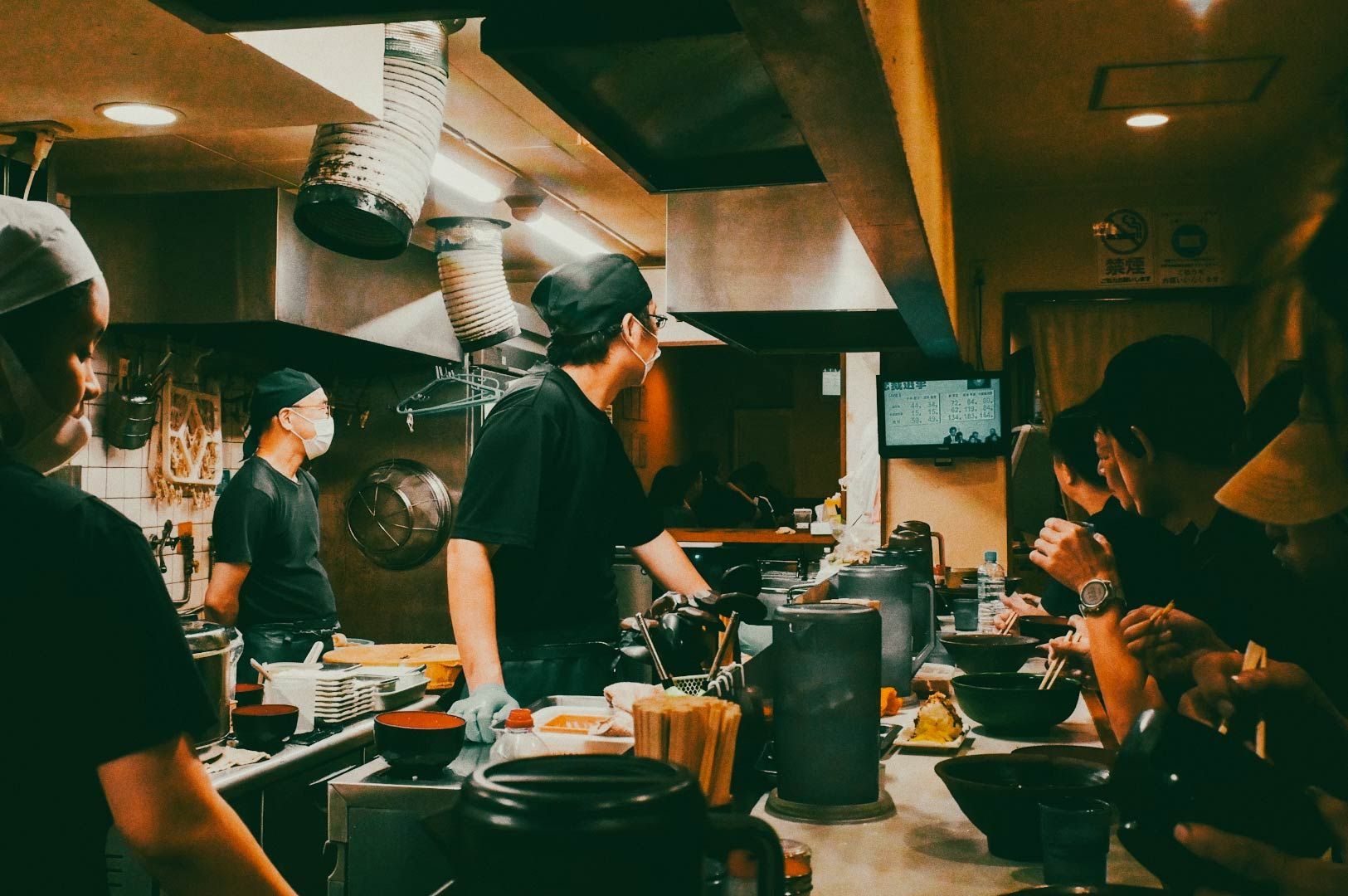
A busy restaurant kitchen with several people preparing food, surrounded by bowls, utensils, and cooking equipment, while diners eat at a counter nearby.

Not all systems are equal. Some liberate, others confine. Suffocating systems prescribe every gesture; they breed compliance, not mastery. They undermine trust and diminish pride, stripping the work of nuance and possibility. These are for the assembly line, not a workshop or a kitchen at its best.

Enabling systems, however, set a framework. They articulate clear principles and essential standards (ingredient sourcing, station setup, the minimums of service) then grant space for judgment and intuition. In the restaurant, protocols establish the rhythm, yet the chef decides how best to respond to the unexpected, or to improvise in tune with the season. Freedom grows within these parameters.

In the best businesses I’ve observed, from a Kyoto ryokan to a Parisian boulangerie, structure supports excellence but never displaces the personal touch. Habits serve performance, but do not overshadow the individual’s art.


Translating Vision into Framework

For vision to outlast the founder, it must be translated, not just performed. Systems become the architecture that preserves intent while allowing for interpretation. At our academy, this meant shifting from my personal presence in each class to a living curriculum. Essential concepts and learning objectives offer continuity, while instructors adapt, innovate, and shape each session in response to students. The spirit remains intact, yet breathes through fresh perspectives.


In hospitality, I’ve resisted scripting every guest interaction. Instead, staff are invited to develop their own style within a shared philosophy. Some details, floral arrangements, welcome notes, are left intentionally open. The underlying system ensures core standards are met, while individuality animates each encounter. What is systematized is as critical as what remains open.

Growth, Dilution, and the Discipline of Letting Go

A scattered collection of wooden and metal letterpress type blocks featuring various letters, numbers, and symbols.

Creative businesses often falter with growth. The founder becomes a bottleneck, standing in for missing scaffolding. Standards slip or the soul of the venture is diluted by repetition and fatigue. I have seen this in restaurants, art schools, independent shops; ventures vibrant at inception but scatter once the founder’s reach ends.


The enduring enterprises trade the pride of indispensability for the discipline of design. Vision is invested in frameworks and culture, not personality alone. I recall a Venetian print shop, centuries old, still vital. The founder long gone, yet ink mixed just so, rituals performed with care, each apprentice having become a master through the slow accretion of clear habits and the freedom to refine. Renewal, not dilution, becomes the pattern.


The Importance of Design in Enduring Enterprises

In today's fast-paced business world, it is easy to get caught up in the hype of visionary founders and their charismatic personalities. However, as the saying goes, "All empires must eventually fall." This is especially true for enterprises that are solely reliant on the vision and leadership of one person.


Enduring enterprises, on the other hand, understand the importance of design over personality. They prioritize establishing strong frameworks and a sustainable culture rather than relying on one individual's ideas and decisions.


Design plays a crucial role in these enduring enterprises as it allows for continuity and longevity. It provides structure and direction for future leaders to follow while still allowing room


The Silent Architecture

Systems are not the enemy of creativity. They are its silent guardians. They create the scaffolding mastery demands; the discipline beneath intuition, the invisible support for elegance and surprise. In our work, diagrams are drawn, lists are updated, stories are shared and refined, all to keep the foundation firm and discreet. The best systems feel almost like a natural law; so present they fade from conscious thought.


Ultimately, the greatest art is not effortlessness, but effortless appearance. Underlying it, always, are countless acts of preparation and learning, encoded into daily rhythms and quiet agreements. The mature creative enterprise welcomes these frameworks as a composer welcomes the constraints of the score. They are the bones that let new ideas flesh out and endure.


Through systems, the vital spark of vision finds room not only to survive, but to deepen and expand; a living mystery, structured, but always unfinished.

Recent Posts

Vintage copy of ‘The Gastronomical Me’ by M.F.K. Fisher standing upright on a wooden surface with a
By Bay San March 20, 2026
On appetite as philosophy: Fisher's memoir reveals that how we eat reflects how we live. A meditation on attention, pleasure, and intentional living.
Hand holding a cup of black coffee in a ceramic mug.
By Bay San March 17, 2026
How the simple act of morning coffee in unfamiliar places becomes a grounding ritual that bridges displacement and presence through quiet observation.
Book cover of ‘Originals: How Non‑Conformists Move the World’ by Adam Grant displayed in front of as
By Bay San March 13, 2026
Can originality be systematized? Adam Grant's research offers tools for fostering innovation, but the most transformative work may resist frameworks entirely.
Relaxing corner with hot drink, open notebook, and autumn hills.
By Bay San March 12, 2026
How the daily practice of reflection builds clarity, self-awareness, and intentional growth through disciplined examination rather than passive thought.
Traditional weaver at a handloom crafting a black-and-white zigzag textile with a red border.
By Bay San March 10, 2026
Exploring how preserving tradition creates enduring value in a world obsessed with novelty. True preservation requires adaptation, not resistance.
Cover of Viktor Frankl’s book ‘Man’s Search for Meaning’ placed on a wooden table beside a cup of co
By Bay San March 6, 2026
Frankl's testament from Auschwitz: meaning, not happiness, sustains us. A reflection on purpose as the foundation of resilience in business and life.
Busy city crosswalk filled with people moving across an urban street.
By Bay San March 5, 2026
On maintaining long-term vision amid cultural pressure for immediate results. True mastery is measured in decades, not quarters.
Red lighthouse on a rocky breakwater by the sea with a small boat nearby
By Bay San March 3, 2026
Reflections on how physical distance reshapes clarity and thought. A quiet letter from the road about perspective, solitude, and the discipline of detachment.
The book ‘The Art of Stillness’ by Pico Iyer placed beside a laptop in a calm, minimalist workspace.
By Bay San February 27, 2026
On the discipline of withdrawal: Iyer reveals that stillness is not escape but focus; choosing where attention goes. A reflection on strategic quiet.
Group of friends having a deep conversation around a table in a cozy, dimly lit cabin.
By Bay San February 26, 2026
A reflection on pivotal conversations that shifted worldviews and influenced life decisions through the power of genuine listening and dialogue.
Show More