On Taste and Temperament: Why Preference Is Never Accidental

Bay San • June 4, 2026

At the hotel breakfast buffet, I always begin with the same small refusal. I pass the bright fruit, the sugared pastries, the stations arranged for appetite rather than attention. I take a white plate, still cool from the stack, and choose plain rice, soft egg, grilled fish if it looks properly rested, and tea poured into porcelain with enough weight to slow the hand.

There is condensation on the glass beside me, catching the early light before the room fully wakes. A knife taps against wood behind the counter. Staff move with the rhythm of people who know that morning service is not spectacle, but sequence. I choose the seat where I can see the room without being seen too much. For years, I thought this was habit. Now I understand it as evidence.


What Preference Reveals

Preference is rarely accidental. It arrives dressed as taste, but beneath it is temperament, training, memory, and a private hierarchy of what one considers worth repeating. We speak of taste as if it belongs mostly to food, wine, furniture, clothing, or art. But taste is larger than consumption. It is how we arrange silence, choose a chair, answer a question, trust a material, leave a room, or decide what is enough.

A preference may look like a quirk from the outside: the corner table, the unbranded jacket, the unsweetened tea, the quiet restaurant over the fashionable one. But most preferences are accumulated decisions, repeated until they begin to resemble instinct. Temperament gives the first inclination. Repetition strengthens it. Standards refine it. Over time, what we prefer becomes less like a choice and more like a language we speak before speech.

The Flavor That Returns

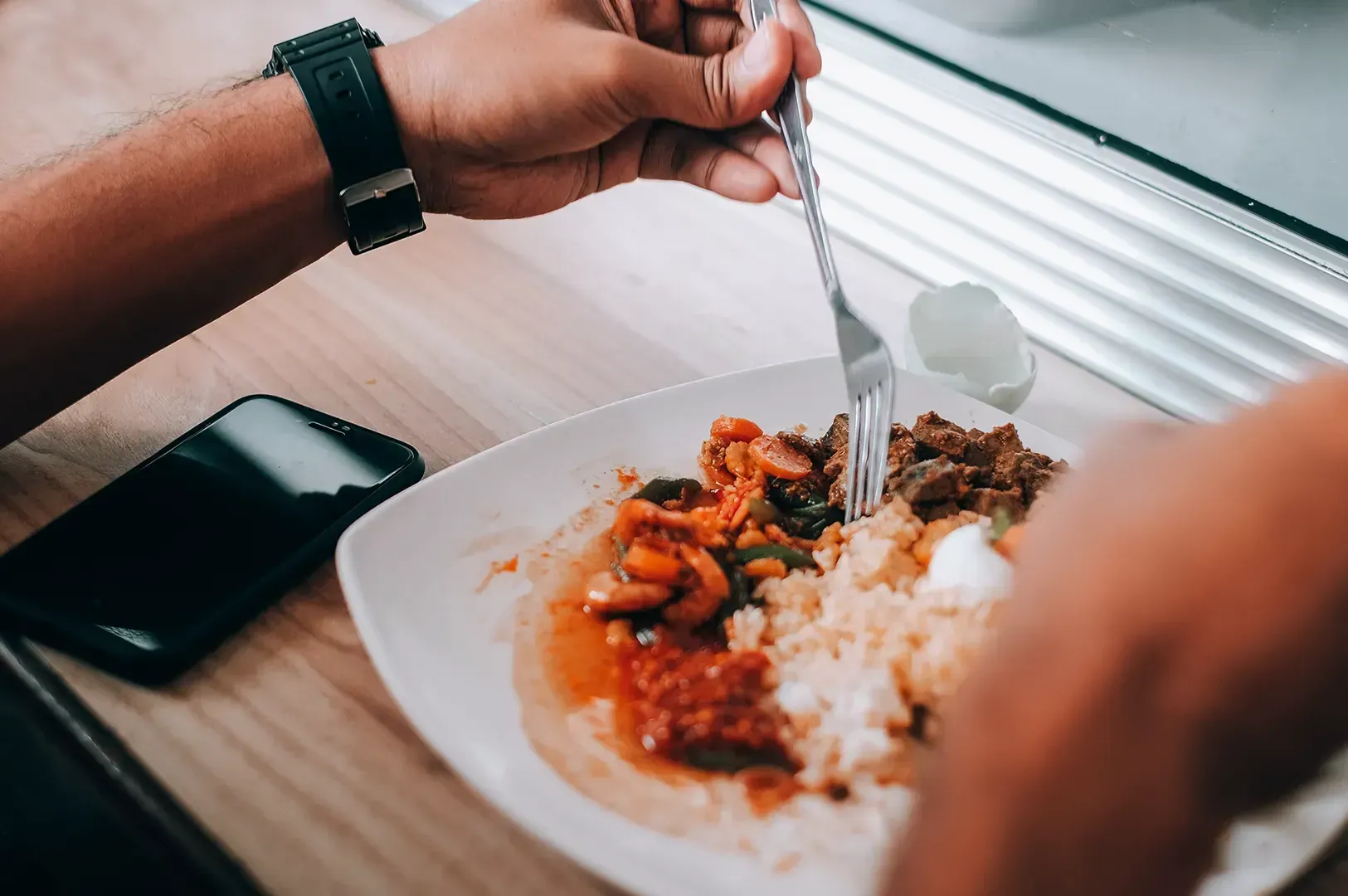
A close-up of a person eating a meal consisting of rice, meat, and vegetables at a table next to a smartphone, highlighting the personal, individual dining choices.

There are flavors that do not impress me, but they return me. Warm rice with steam still rising. Soy, not too much. The faint sweetness of onion softened slowly rather than rushed into caramel. The smell of toasted sesame in a small kitchen where no one is performing abundance. It returns me to an earlier table, before I had the vocabulary for discipline or refinement.


Food arrived without explanation then. Bowls were placed down. Someone’s hand moved from stove to plate, not delicately, but with an economy that now seems more elegant than many rehearsed gestures I have seen in expensive rooms. I remember texture more than scene: the slight resistance of rice, the clean edge of pickled vegetables, the warmth of a bowl held between both hands.


Later, in the first weeks of building the academy, when time was thin and resources had to be disciplined, that memory returned in another form. We learned that clarity often comes from constraint. When there is not enough room for decoration, one begins to see structure. It was not nostalgia that guided me then. It was the old lesson of the bowl: remove what does not help, preserve what gives strength, repeat what holds.


The Visible Edge of an Invisible System

Running businesses teaches a person that taste is never only preference. It is infrastructure made visible. At the consulting firm, taste appears in the phrasing of a recommendation, in what is omitted from a deck, in whether a conclusion has been earned. At the academy, it appears in training rituals, disciplined feedback, and the refusal to confuse energy with excellence. At the omakase restaurant, it appears in the cut, the temperature, the quiet timing between guest and chef.


The menu may change. The format may change. Location, pricing, tools, uniforms, and aesthetic language can evolve. But certain things must not be casually altered: craft standards, hiring taste, the way a person is trained to notice, the hospitality that happens before a guest knows they require it, and the restraint to stop one step before excess.


This is where preference becomes more serious than style. What a business repeatedly rewards becomes its taste. What it tolerates becomes its temperament. A customer may only see the final gesture: a room that feels calm, a dish that feels balanced, a class that feels considered, a stay that feels quietly looked after, something that I touched on The Art of Being Present: Lessons from Those Who Listen. But that visible ease is the edge of an invisible system. The same is true in a person.


Two Kinds of Attention

A late-night bowl in Japan teaches one kind of attention. The room is narrow. The counter is functional. Steam rises quickly, carrying salt, broth, and the mineral depth of something tended for longer than the meal itself will last. The pace is brisk. You sit, eat, understand, and leave. There is no need to linger because the gesture is complete.


A measured afternoon tea teaches another. Water temperature matters. The cup is warmed. The pour is not theatrical, but exact. Silence expands around the table. The sweetness is small, sometimes almost severe. The pleasure is not in being filled, but in being returned to scale. One sharpens. The other softens.


One honors speed when speed has been trained. The other honors stillness when stillness has been earned. I do not prefer one because it flatters an image of myself. I prefer both because each corrects a different excess in me. The bowl reminds me not to overcomplicate usefulness. The tea reminds me not to confuse slowness with passivity.

Taste as Ethics

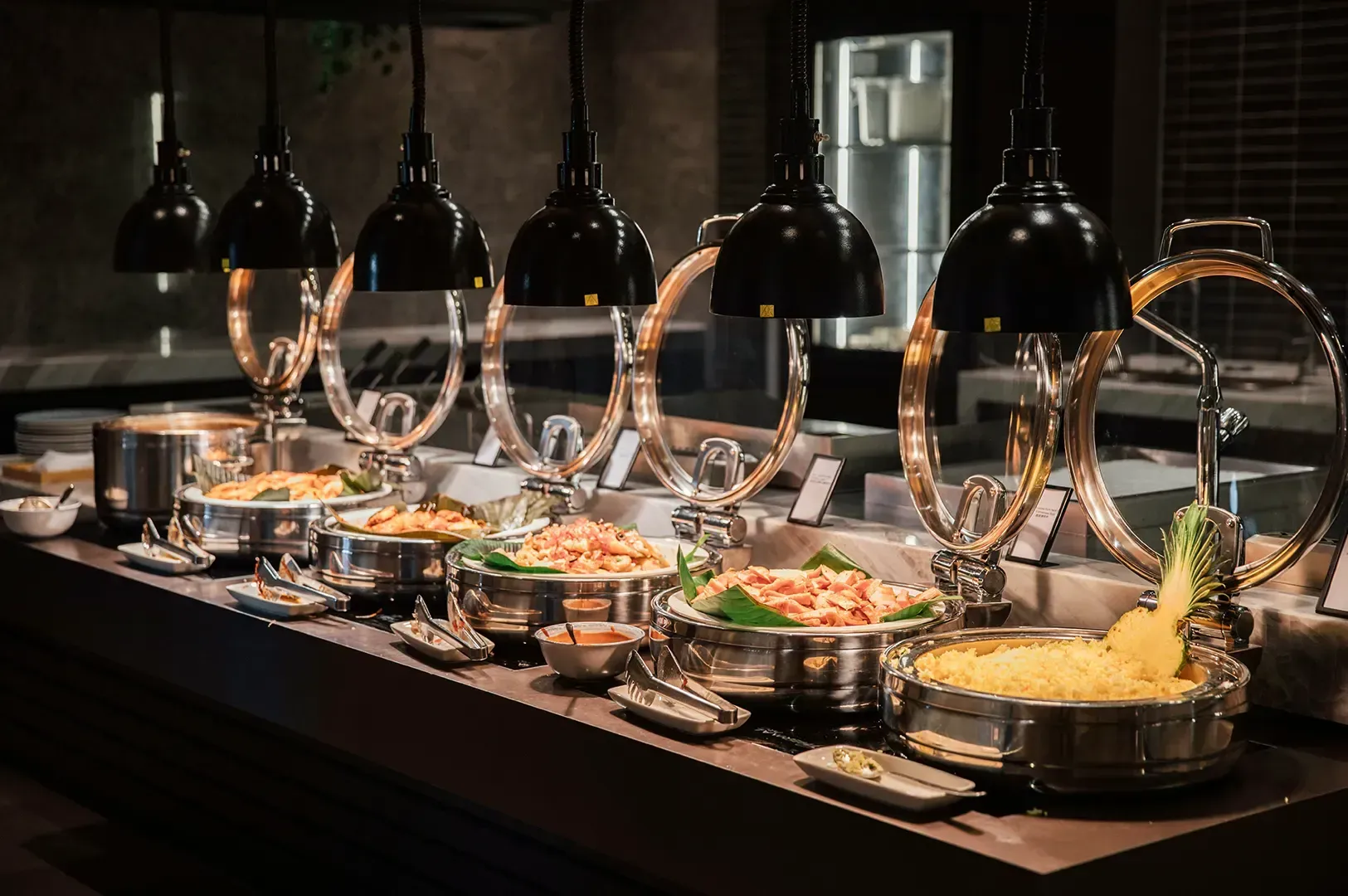
A line of stainless steel buffet food warmers filled with diverse dishes under hanging heat lamps, highlighting the wide range of culinary choices.

Taste is often treated as aesthetics, but I have come to see it as ethics. Not ethics in the grand declarative sense, and not a moral lecture disguised as refinement. Rather, taste is revealed through what we choose to reward with attention, money, praise, and repetition.


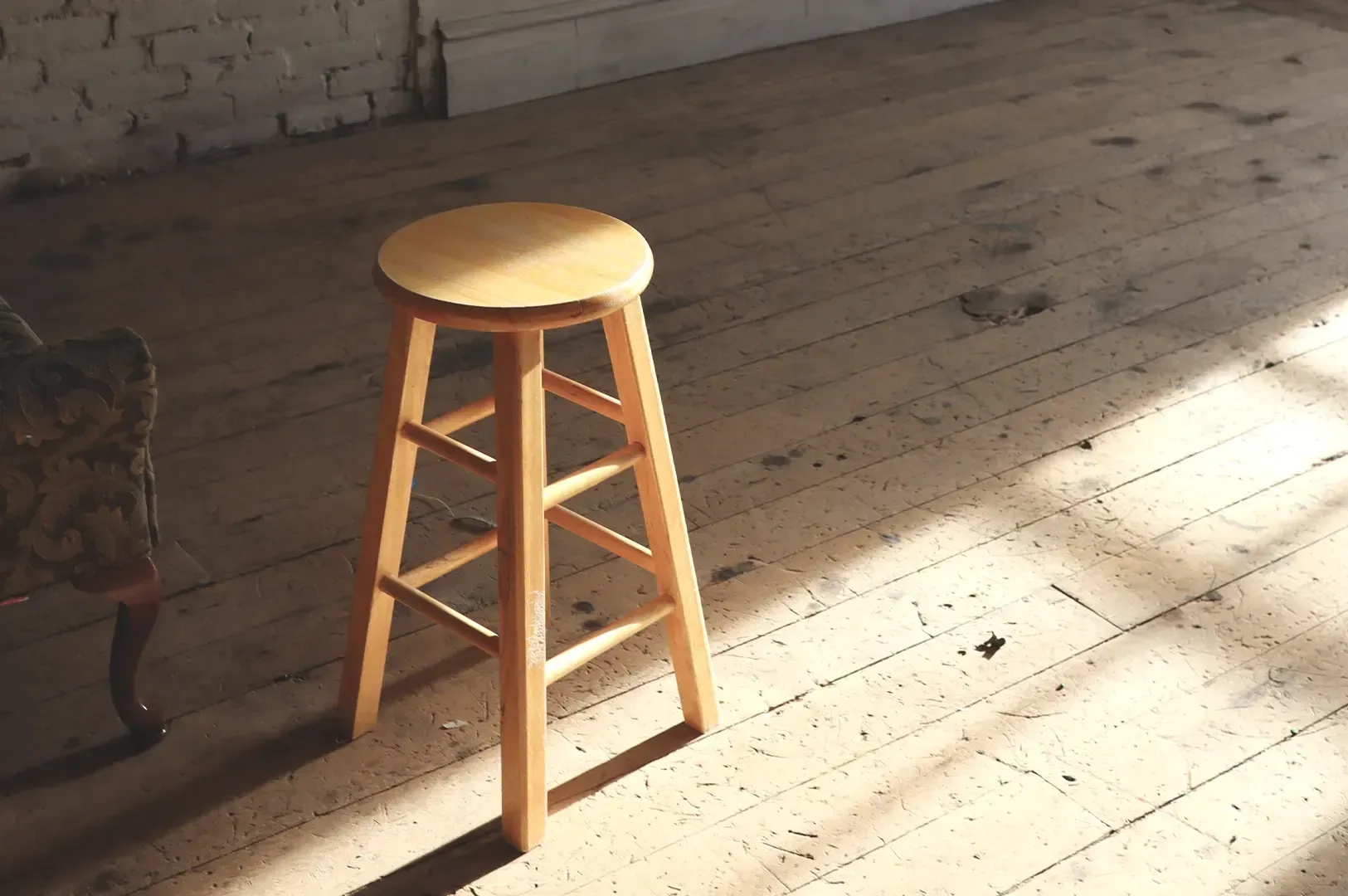
A cheap meal can carry deep integrity. A plastic stool can hold more honesty than a velvet chair. A small shop with tired signage may understand proportion, value, and care better than a polished room designed entirely for photographs. Luxury, too, can be careless. It can confuse cost with consideration, rarity with meaning, and abundance with generosity. When luxury forgets discipline, it becomes noise at a higher price.


Discernment is not the rejection of pleasure. It is the refusal to be easily persuaded by surfaces. This applies beyond food. It applies to partnerships, clothing, architecture, hiring, speech, and the pace of a day. We become shaped by the things we excuse. We are also shaped by the things we insist upon quietly, even when no one is watching.


The Autobiography of Small Decisions

I still begin with the same small refusals. At breakfast, I choose the quieter plate. In restaurants, I trust the counter when the work deserves to be seen. In rooms, I notice the chair before the chandelier. In conversation, I listen for proportion: what is said, what is withheld, what has been considered before it is offered.


Perhaps we do not collect preferences so much as we are trained by them. Each choice leaves a slight mark. Each return deepens the line. Over time, the things we reach for, decline, praise, preserve, and repeat begin to form a portrait more accurate than any biography we could write deliberately.


The tea cools. The glass loses its condensation. The room fills with voices and cutlery. I remain a little longer, holding the porcelain cup with both hands, aware that even this is a kind of answer.

Recent Posts

Students sitting at desks writing in notebooks, capturing the act of doing through note-taking and t
By Bay San June 3, 2026
A quiet reflection on apprenticeship, real competence, and why judgment is still formed through repetition, proximity, and responsibility.
Top-down flat lay shot of “Solitude: A Return to the Self by Anthony Storr” book on a wooden table,
By Bay San May 29, 2026
Anthony Storr reframes solitude as strength: the quiet discipline that forms identity, fuels craft, and steadies builders in a noisy world.
Wide-angle interior shot of minimalist Japanese tatami room with shoji screens and natural light cas
By Bay San May 28, 2026
Explore restraint not as deprivation, but as a quiet form of power. Discover how choosing less protects your attention and refines your deepest desires.
Low-angle motion shot of a street cleaner sweeping a wet brick sidewalk with a broom, capturing quie
By Bay San May 26, 2026
Explore the moral texture of travel. Discover how to practice attention without entitlement and master the quiet discipline of being a respectful guest.
Flat lay overhead shot of “A Life Less Throwaway” by Tara Button on a white wooden surface, minimali
By Bay San May 22, 2026
Meta Description: Tara Button argues for repair over replace. A reflection on durability as discipline, and what it means to build a life that lasts.
Tight close-up side-angle of chef slicing raw fish with precision knife skills on wooden board highl
By Bay San May 21, 2026
Discover the true economics of craft. Quality is not a luxury signal, but the visible edge of invisible inputs, time, and uncompromising standards.
Wide-angle perspective shot of a modern glass corridor with strong leading lines representing struct
By Bay San May 19, 2026
Explore the quiet paradox of entrepreneurship. Discover why the most effective leadership often requires knowing exactly when to step back and follow.
Top-down flat lay shot of
By Bay San May 15, 2026
Discover how James Kerr's Legacy reveals the uncompromising principles behind enduring culture, proving that standards and humility always outlast hype.
Close-up eye-level shot of a steaming coffee cup on a wooden windowsill overlooking a soft-focus cit
By Bay San May 14, 2026
Travel finds meaning not in doing more, but in choosing well. Discover how building a personal travel philosophy shapes a life of quiet intention.
Close-up high-angle shot of a professional writing in a journal beside a coffee cup, illustrating fi
By Bay San May 12, 2026
Financial discipline is not deprivation. Discover how quiet financial structures protect attention and create the conditions for lasting creative freedom.
Show More