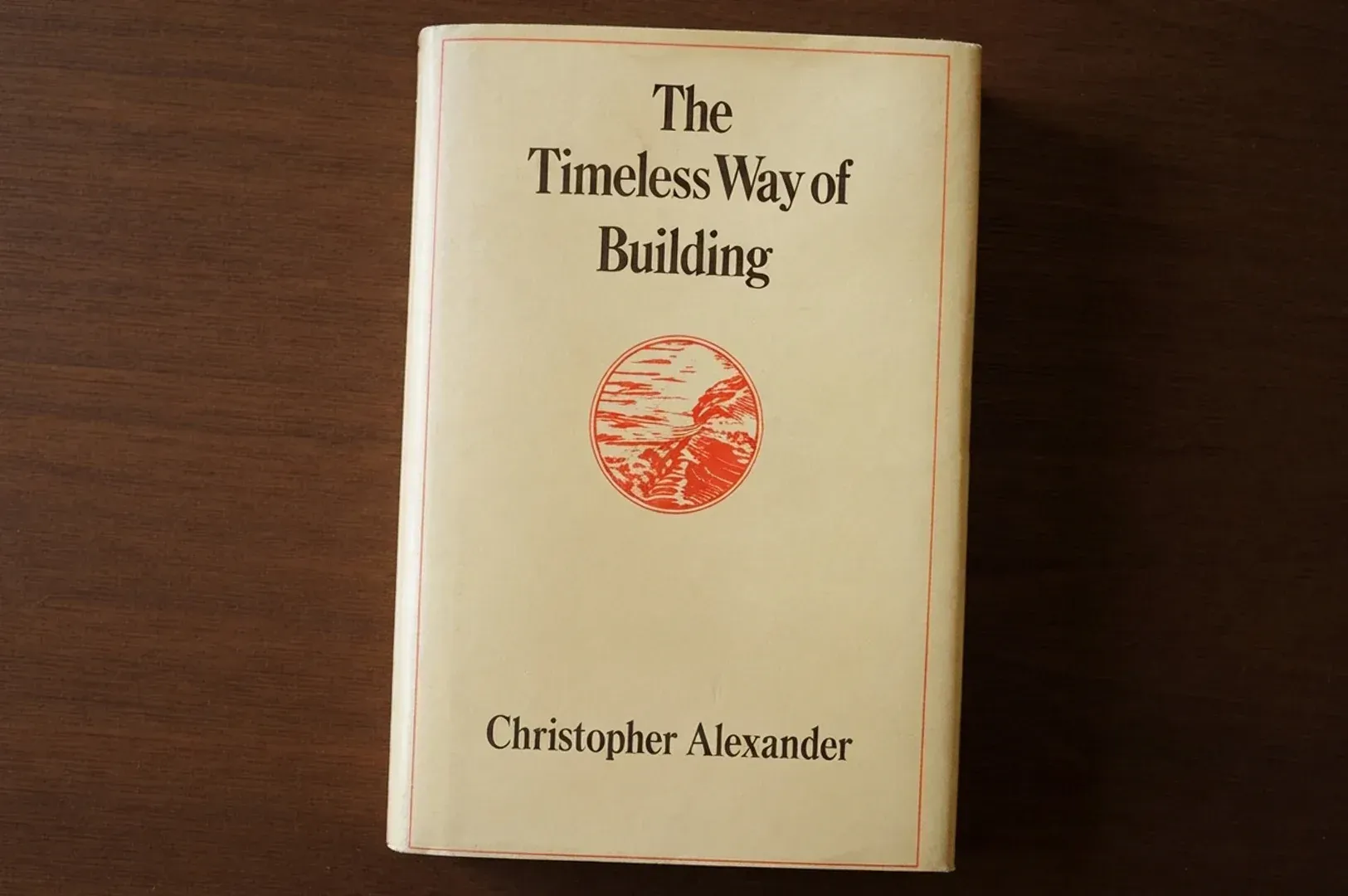


The Timeless Way of Building by Christopher Alexander | My Quiet Empire Book Review

Bay San

Bay San


I read this book with one question growing louder in my chest: why do some places, some companies, some rooms simply feel alive, while others, built with more money and better people, feel dead the moment you walk in?

Alexander spent his life chasing that difference. He called it, without embarrassment, "the quality without a name." I have felt it a thousand times without ever having words for it. This book handed me the words.

Alexander's core claim is that aliveness is not a style. It is a discipline.

A place feels alive when its parts resolve the real tensions of the people who use it, rather than the abstractions of the person who designed it. Paraphrasing him here: a building or a town is alive when it lets the forces inside it come to rest.

I think about the omakase restaurant when I read that line. We spent months on the counter height. Not because it photographed well, but because a few centimeters changed whether a guest felt served or watched. The room came alive only when that small tension resolved. No one at the counter could name what we fixed. They just stayed longer.

The idea that stayed with me is the pattern language itself.

A residential building under construction surrounded by scaffolding, reflecting Christopher Alexander's architectural philosophy of creating structures with enduring depth and foundational aliveness.

Alexander argues that good design repeats certain deep solutions, the same shapes appearing across centuries because they answer something human. He gives language to things builders feel but rarely say.

One pattern I had noticed for years without naming: people gather at edges, not in the middle. Every party fills the kitchen doorway. Every good café seats you against a wall, not adrift in open floor. When we designed the academy's learning spaces, the open central rooms sat empty. The alcoves, the window seats, the corners, those filled first. Alexander told me why. We had built a middle when people wanted an edge.

Once you have the language, you cannot unsee it.

I will be honest about the limit.

Alexander writes as though aliveness emerges almost naturally, if only we get out of its way and let the patterns work. He distrusts the designer's ego, and rightly so. But in my experience, that quiet emergence still takes an enormous, unromantic amount of decision. Someone has to hold the line. Someone has to say no, again and again, to the cheaper door and the faster floor.

The book can read as though the timeless way happens to you. It does not. You choose it, daily, in small unglamorous refusals. Alexander undersells that labor.

Still, the deeper gift of the book is what it says about legacy, though it never uses the word.

A modern architectural building corner with clean geometric lines and balconies under a clear sky, embodying the enduring architectural principles of Christopher Alexander.

A place that is truly alive keeps living after its maker is gone, because the aliveness lives in the structure, not the founder. The consulting firm outlasted my daily presence only once the standards lived in the room rather than in me. That is the real test. What you build is alive if it no longer needs you to breathe for it.

This one is for builders of anything meant to endure: companies, homes, cultures, lives. Not for readers wanting quick tactics. It offers a slower, stranger idea.

The question it left in my hands: am I building rooms people are drawn to, or only rooms that look correct in a photograph, empty?

More Book Reviews

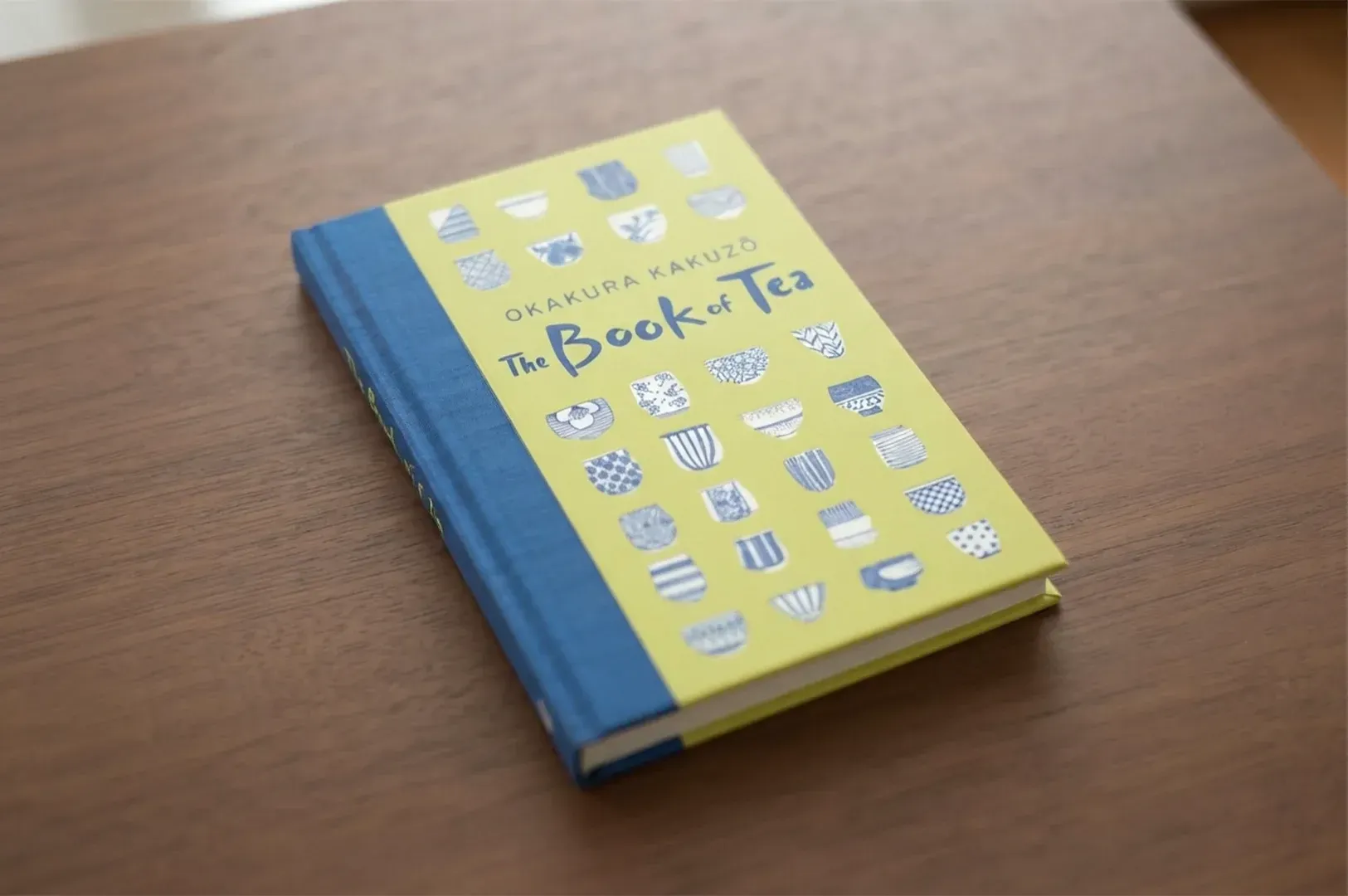
A hardcover copy of The Book of Tea by Kakuzō Okakura resting on a wooden surface, illustrating the
By Bay San August 21, 2026
Okakura’s tea philosophy is really a discipline of attention, an argument that taste, restraint, and ritual are forms of power.
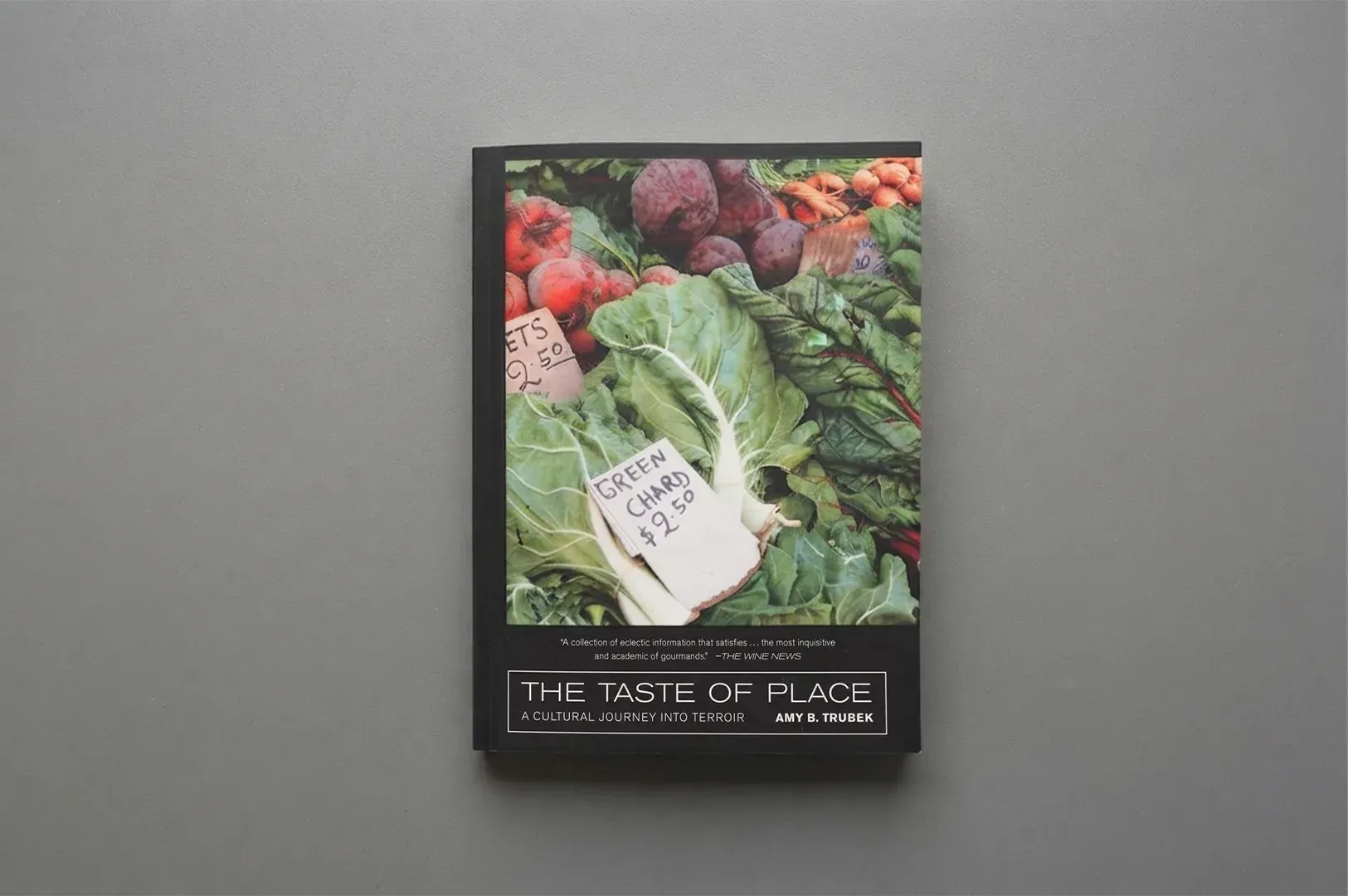
The book cover of The Taste of Place: A Cultural Journey Into Terroir by Amy B. Trubek, resting on a
By Bay San August 14, 2026
A reflection on how place shapes taste, and what terroir teaches builders about craft, identity, and protecting quality in a placeless age.
The Scout Mindset book by Julia Galef resting on a flat surface, illustrating why truth-seeking beat
By Bay San August 10, 2026
A practitioner reads Julia Galef on why truth-seeking beats ego in leadership, and where seeing clearly gets hardest under real pressure.
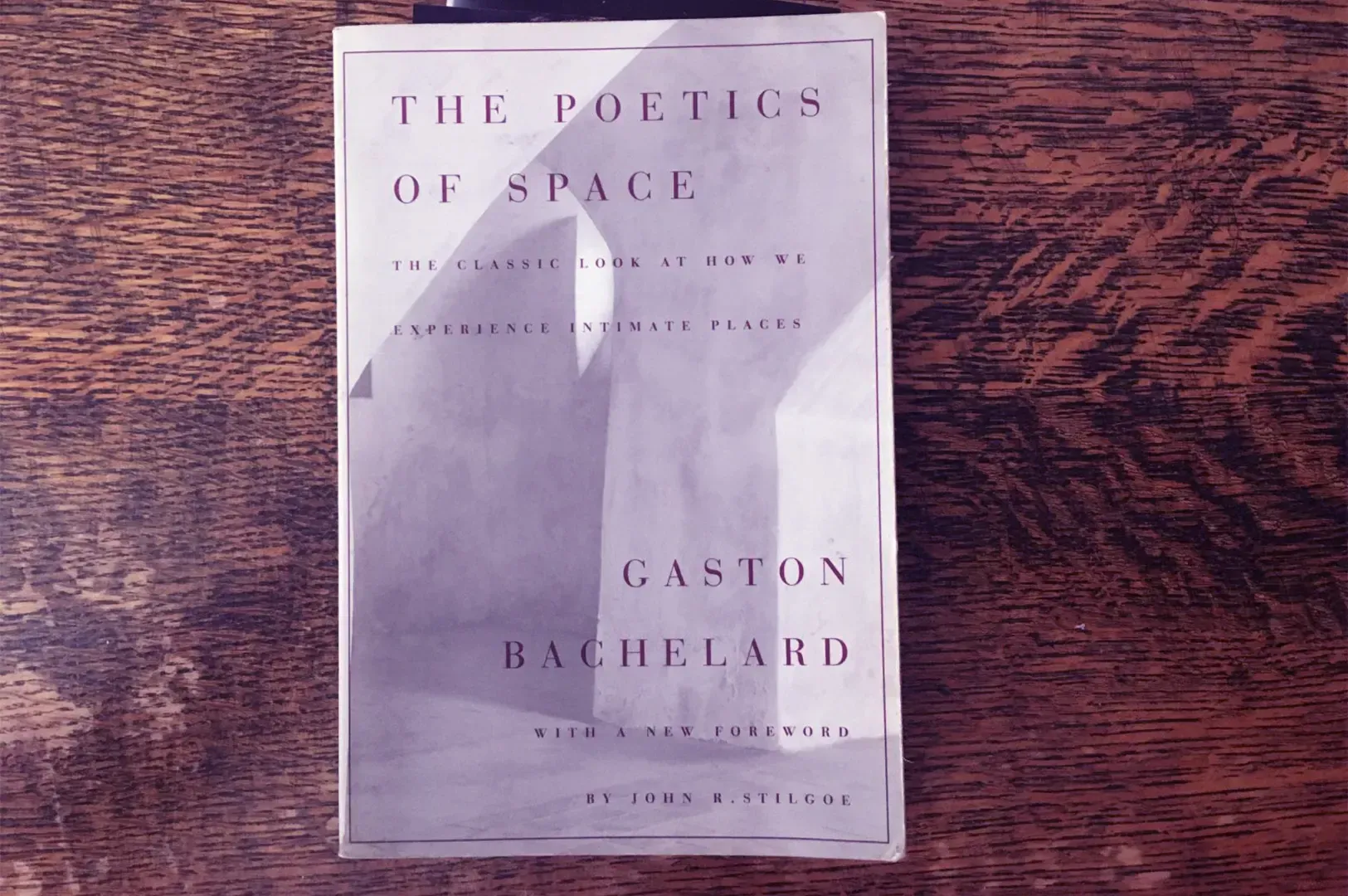
The cover of Gaston Bachelard's The Poetics of Space, a philosophical classic exploring how architec
By Bay San July 31, 2026
The cover of Gaston Bachelard's The Poetics of Space, a philosophical classic exploring how architecture, intimate rooms, and corners shape human memory, imagination, and the formation of the self.
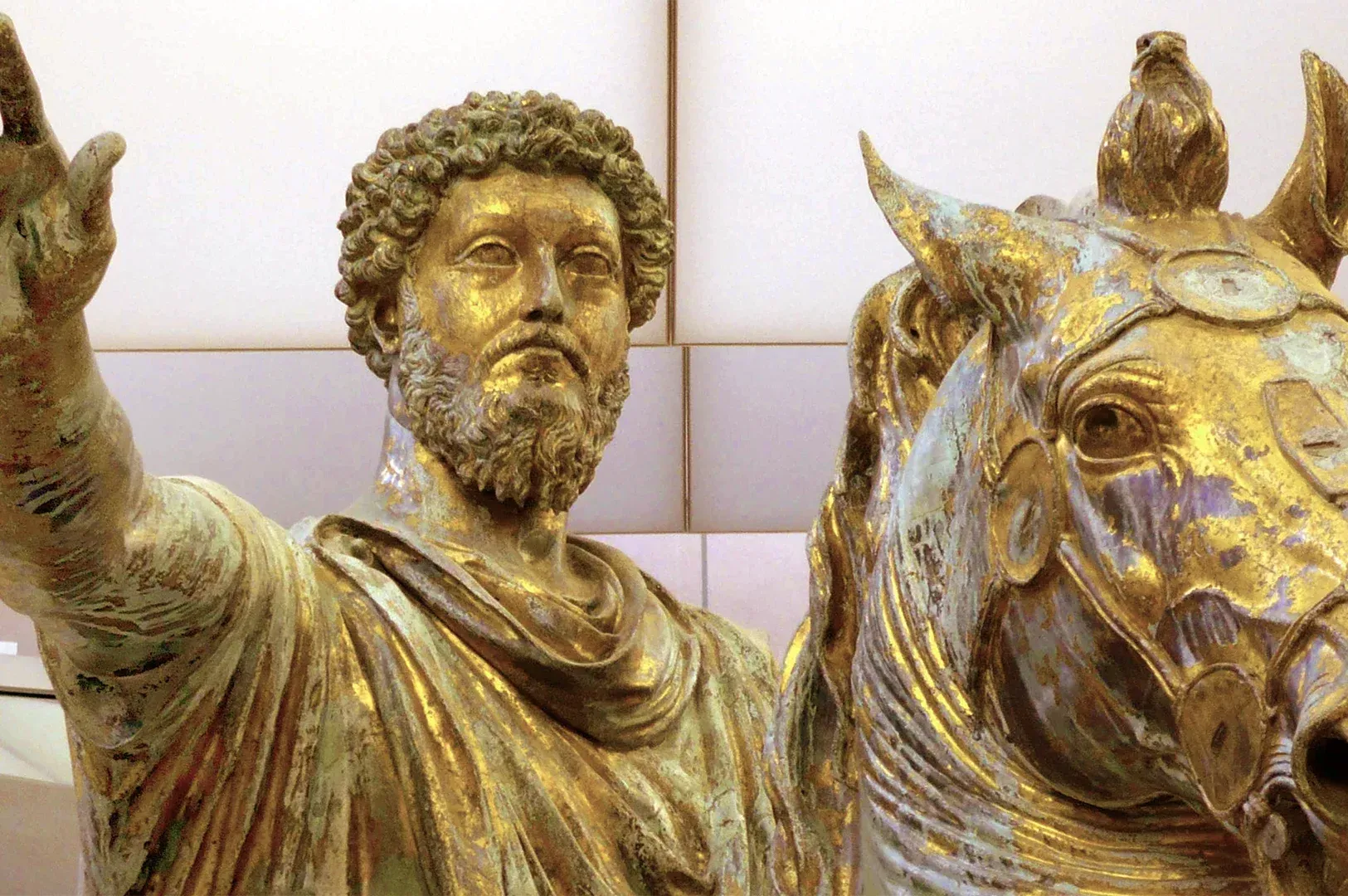
A gold statue of Marcus Aurelius, symbolizing the Stoic focus on personal control, quiet duty, and t
By Bay San July 24, 2026
A practitioner reads Marcus Aurelius in a hard season, on control, quiet duty, and where Stoic composure quietly fails the people around us.

Book cover for In Praise of Shadows by Jun'ichirō Tanizaki, illuminated by a stark, contrasting beam
By Bay San July 17, 2026
Tanizaki makes the case for shadow over brightness, and why restraint, patina, and dim light create the atmosphere that clarity destroys.
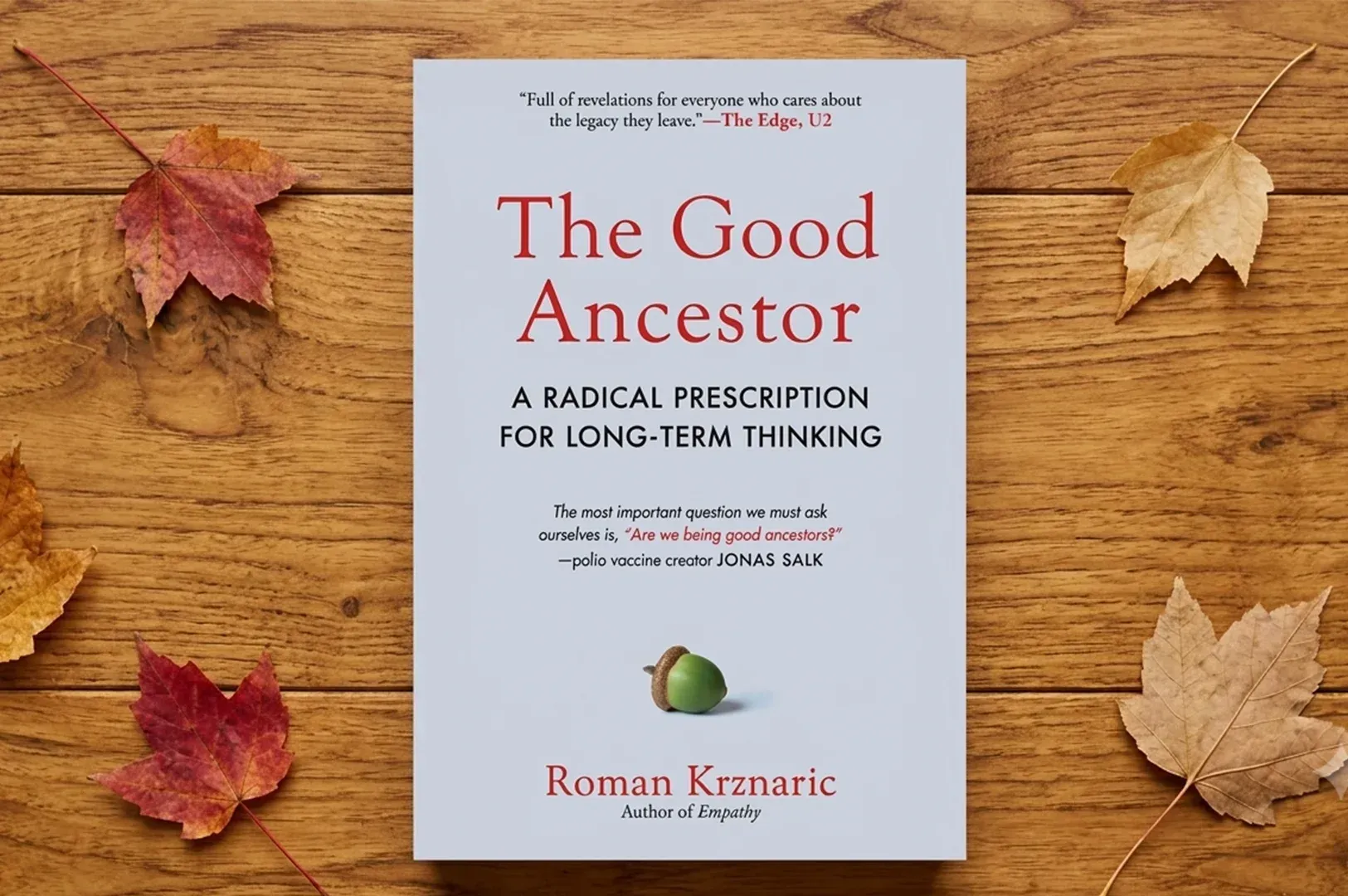
The book cover of
By Bay San July 15, 2026
Roman Krznaric reframes legacy as cathedral time: building for people you will never meet, and the quiet discipline of the long view.

A close-up, high-angle shot of the book A Field Guide to Getting Lost by Rebecca Solnit, centered on
By Bay San July 3, 2026
Rebecca Solnit reframes getting lost as a discipline: a return to humility, attention, and the kind of not-knowing that remakes you.
A copy of 'On Dialogue' by David Bohm resting on a dark surface, representing the foundational conce
By Bay San June 25, 2026
Why genuine dialogue is rare: a reflection on Bohm's idea of thinking together, suspension, and what real listening demands of leaders and teams.
A close-up shot of the book cover
By J.C. Yue June 19, 2026
A reflection on Craeft and what craft teaches about mastery, maintenance, and building enduring value in business and life.
Show More