Bay San
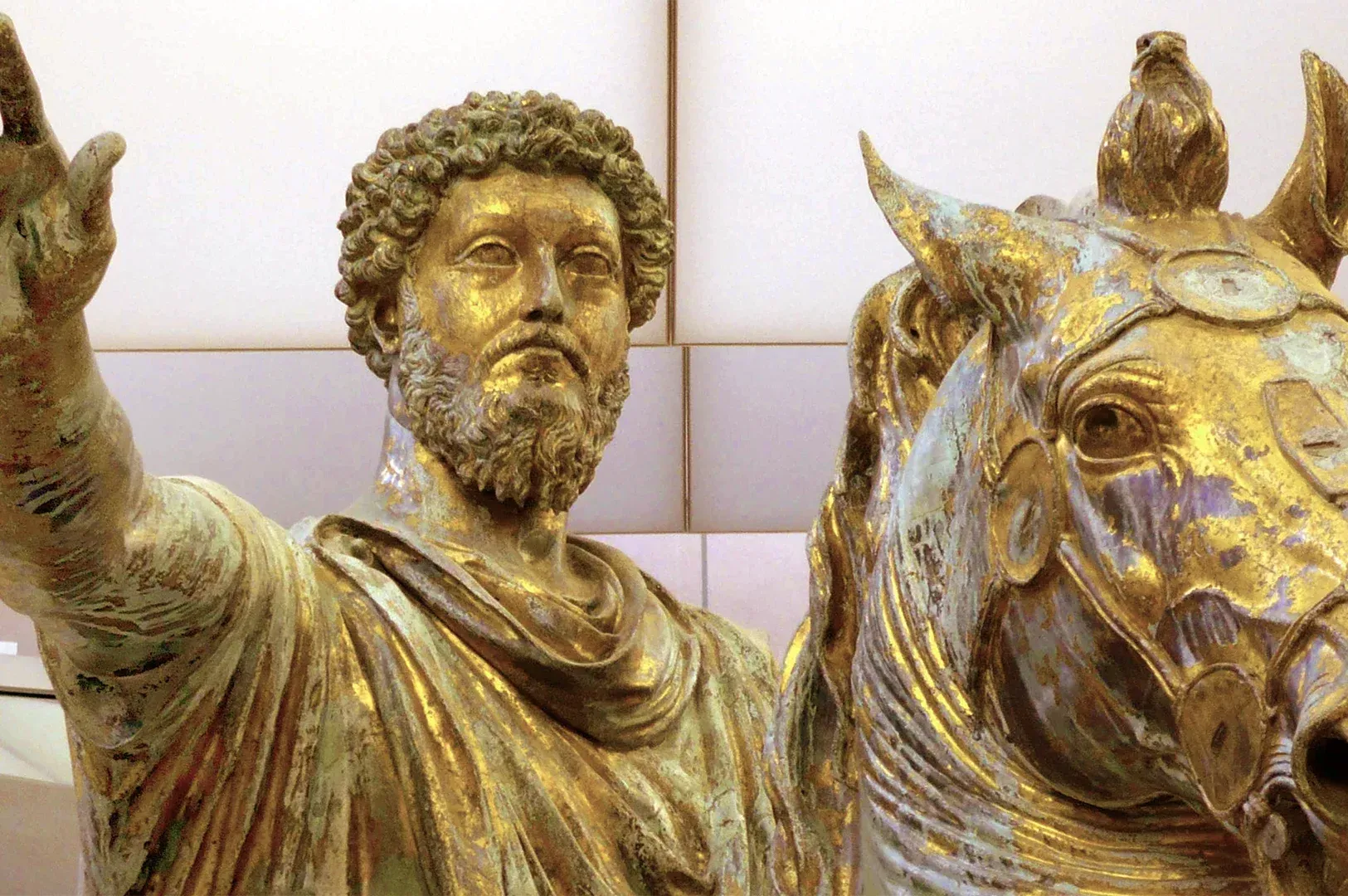
I did not pick up Meditations for wisdom. I picked it up during a bad quarter. A partnership was unraveling, a lease was in dispute, and I was sleeping poorly. Someone had left the book on a shelf at one of the properties, spine uncracked, and I took it more out of restlessness than intent. I expected polish. What I found was a man arguing with himself in the dark, trying to talk his own mind into steadiness before dawn.
That surprised me. These were never meant to be read. He wrote them for no one but himself. The line I keep returning to is simple enough that I almost missed it. Paraphrased: you have power over your mind, not outside events. Realize this, and you find strength.
I have read a hundred business books that dress this up in frameworks. Marcus says it in a sentence, and he says it like a man who had every reason to know better and still had to remind himself each morning.
The lease dispute I mentioned taught me the truth of it. I could not control the other party. I could not control the delay, the lawyers, the cost. I could only control what I did with the hours in between. Once I stopped rehearsing outcomes I could not touch, I slept again. Nothing external had changed. My attention had.
The other idea that stayed with me is quieter, and harder. Marcus was the most powerful man of his age, and much of the book is him reminding himself not to need the crowd. Do the work because it is yours to do, not because anyone is watching. Do not perform your virtue.
I have felt the pull of the opposite in every venture. The temptation to announce a standard rather than simply keep it. To be seen holding the line at the academy, rather than to hold it quietly when the room was empty. Marcus would have found our whole culture of visibility exhausting, and I think he would have been right.
Character compounds. Applause decays. He knew which one he was building.
I will be honest about my hesitation, because the book invites honesty. Stoicism is superb for the storm inside one person. It is thinner on what happens between people. Marcus turns inward for almost everything, and there are things you cannot solve inward. A grieving colleague does not need your equanimity. A frightened team does not need you to have mastered your own reaction and left it there.
Sometimes the right response to another's pain is not composure. It is presence, even messy presence. The book, read too literally, can make a man calm and slightly absent at the same time. I have been that man. It did not serve the people around me.
So I hold it loosely. A tool for the self, not a full theory of the shared life. This is for the operator in a hard season, the one lying awake rehearsing a fight they cannot win yet. Not for someone seeking comfort. Marcus offers no comfort. He offers a discipline.
I closed the book and understood, finally, why he never published it. The private note holds more weight than the public lecture. Some things you write only to steady your own hand.