The Scout Mindset by Julia Galef: On Seeing Clearly When It Costs You | My Quiet Empire Book Review

Bay San

Bay San


I picked up The Scout Mindset the week after I lost an argument I had won.

We were deciding whether to open a second location for one of our concepts. I had built the case carefully, and I made it well in the room. Everyone agreed. Only later, walking home, did I realize how much of my "case" had been built backward, starting from what I wanted and gathering the reasons afterward.

The room had not persuaded me. I had persuaded the room. There is a difference, and it is expensive.

Galef's central image is simple. Most of us reason like soldiers, defending the beliefs we already hold, treating a challenge to our position as an attack to be repelled. The alternative is the scout, whose job is not to defend territory but to see what is actually there.

I recognized myself immediately, and not flatteringly. In that expansion meeting, I had been a soldier in a good suit. I wanted the second location to make sense, so it made sense.

A backpacker sitting on a scenic mountaintop overlooking a vast valley, reflecting the clarity gained from the scout mindset under pressure.

The scout would have asked a colder question. Not "is this a good idea," but "what would have to be true for this to be a bad one, and is any of it true already?"

The idea that stayed with me longest was about motivated reasoning, and how it prefers to live inside intelligent people.

The smarter you are, the better you argue, which means the better you defend conclusions you reached for the wrong reasons. Cleverness becomes a lawyer for the ego rather than a scout for the truth.

Galef puts it plainly. Paraphrasing her here: the question is not whether you can believe something, but whether you should, given the evidence.

I have watched this ruin good operators. A partner of mine once defended a failing hire for months, and every argument he made was sharp, reasonable, and completely in service of not admitting he had chosen wrong. The problem was never his intelligence. It was what his intelligence had been quietly hired to do.

The worry, for anyone who leads, is that updating your beliefs looks like weakness. That authority depends on certainty.

A sweeping view of rolling hills and dense evergreen forests under an open sky, symbolizing clear vision and strategic foresight.

Galef argues the opposite, and I have come to agree. The leaders people actually trust are the ones who can say "I was wrong about this, here is what I see now" without flinching. It reads as confidence, not collapse. Certainty that cannot bend is not strength. It is brittleness waiting for the right pressure.

We did open that second location, eventually. But on different terms, after I let the scout ask the questions the soldier had been avoiding. It performed better for the delay.

I will be honest about the limit.

The scout mindset is a calm-weather discipline. It works beautifully when you have time, distance, and no one watching. It is much harder at eleven at night with payroll due, or across a table from someone whose power over the outcome is greater than your clarity about it.

Galef is lighter on those moments than I wanted. Seeing clearly is one skill. Seeing clearly while afraid, tired, and outranked is another, and the book does not fully cross that gap.

This one is for the operator who has started to suspect their best arguments are the ones they should trust least. Not for the reader wanting tactics. It offers a posture, not a playbook.

What lingers is the quiet, uncomfortable question the book leaves in your hands: how many of the things I am certain about did I actually examine, and how many did I simply decide to defend?

More Book Reviews

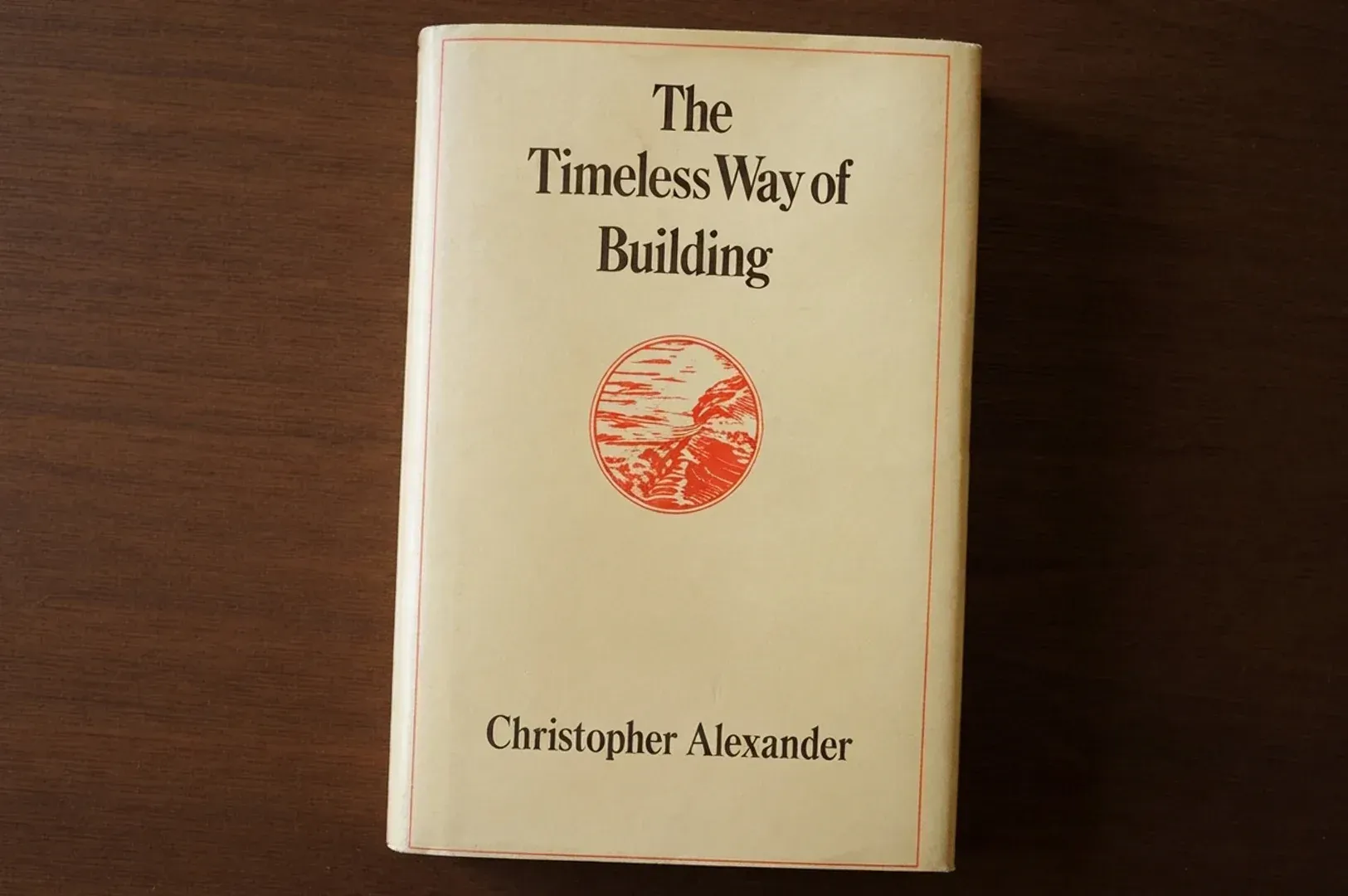
The hardcover book 'The Timeless Way of Building' by Christopher Alexander resting on a dark wooden
By Bay San August 28, 2026
A builder reads Christopher Alexander on why "aliveness" is a discipline, not a style, and what actually lasts after the founder is gone.
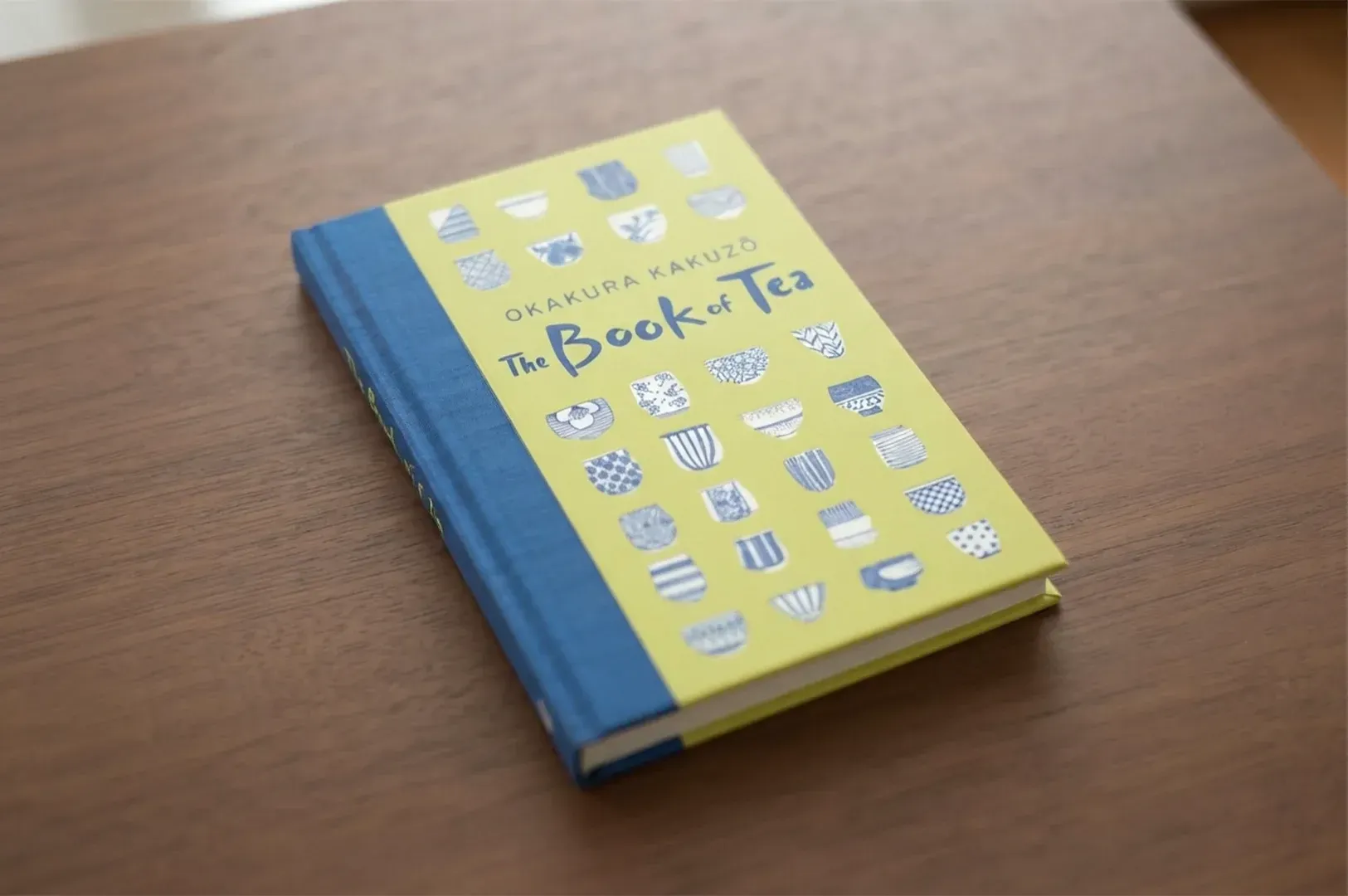
A hardcover copy of The Book of Tea by Kakuzō Okakura resting on a wooden surface, illustrating the
By Bay San August 21, 2026
Okakura’s tea philosophy is really a discipline of attention, an argument that taste, restraint, and ritual are forms of power.
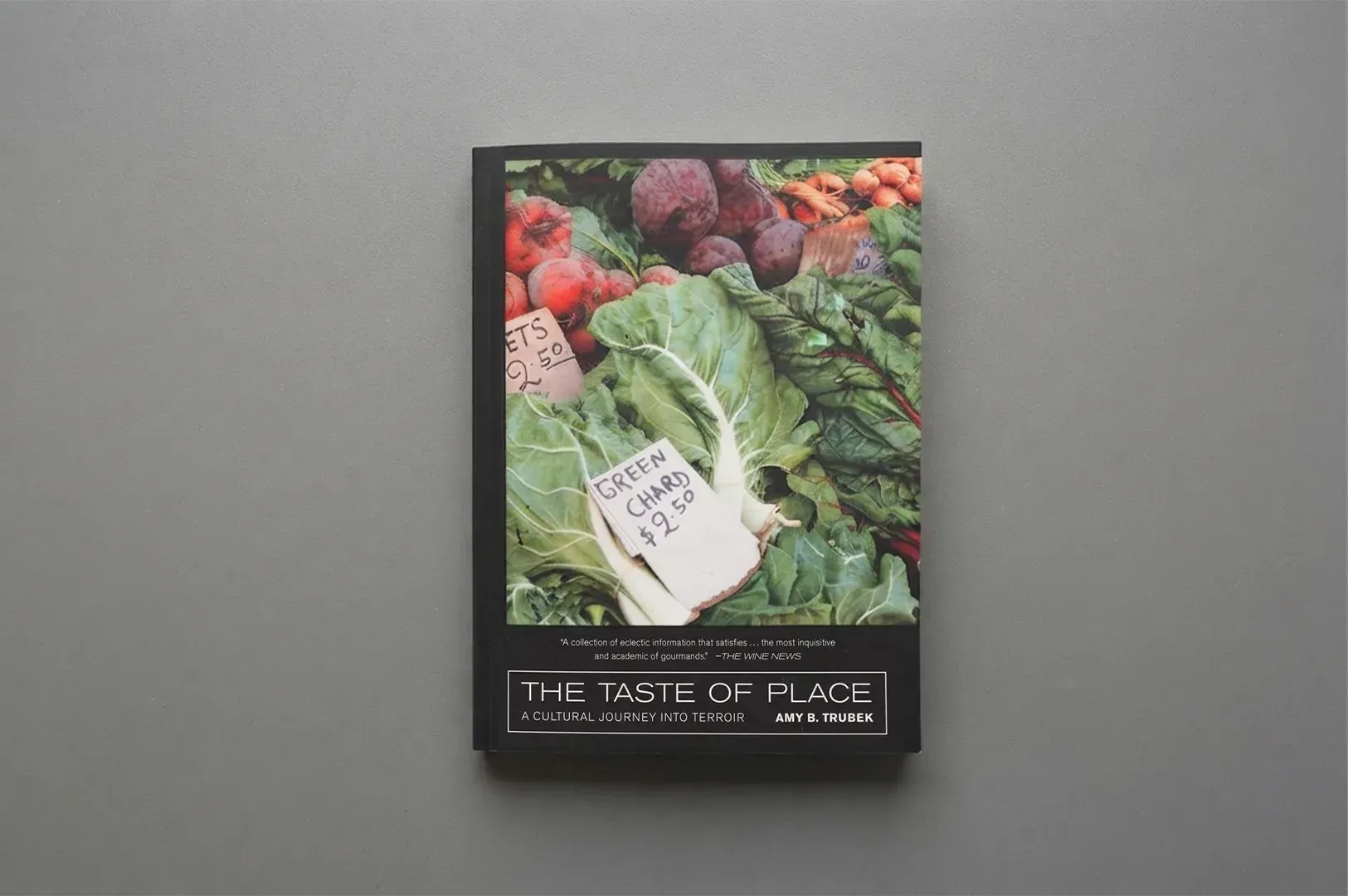
The book cover of The Taste of Place: A Cultural Journey Into Terroir by Amy B. Trubek, resting on a
By Bay San August 14, 2026
A reflection on how place shapes taste, and what terroir teaches builders about craft, identity, and protecting quality in a placeless age.
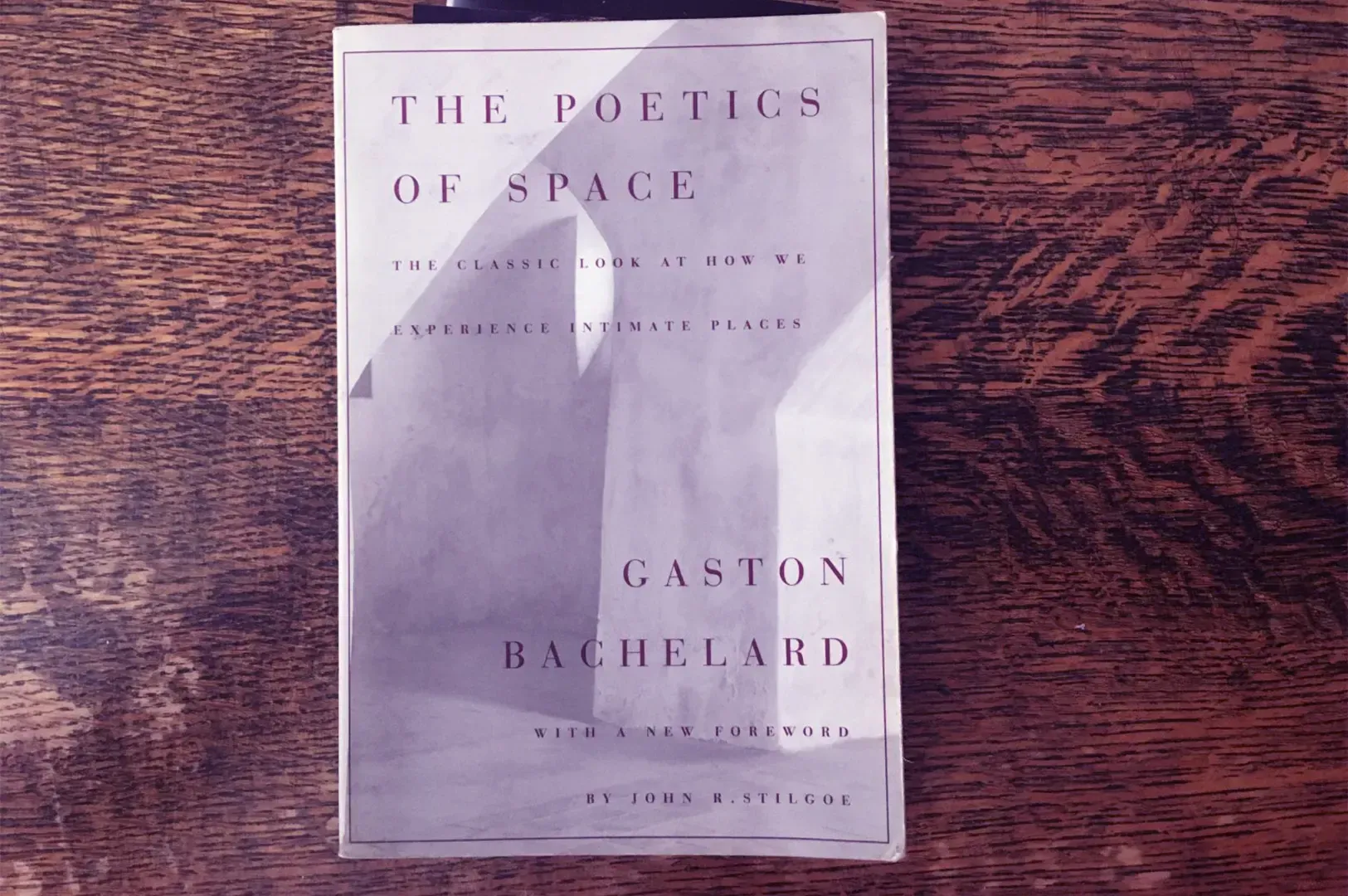
The cover of Gaston Bachelard's The Poetics of Space, a philosophical classic exploring how architec
By Bay San July 31, 2026
The cover of Gaston Bachelard's The Poetics of Space, a philosophical classic exploring how architecture, intimate rooms, and corners shape human memory, imagination, and the formation of the self.
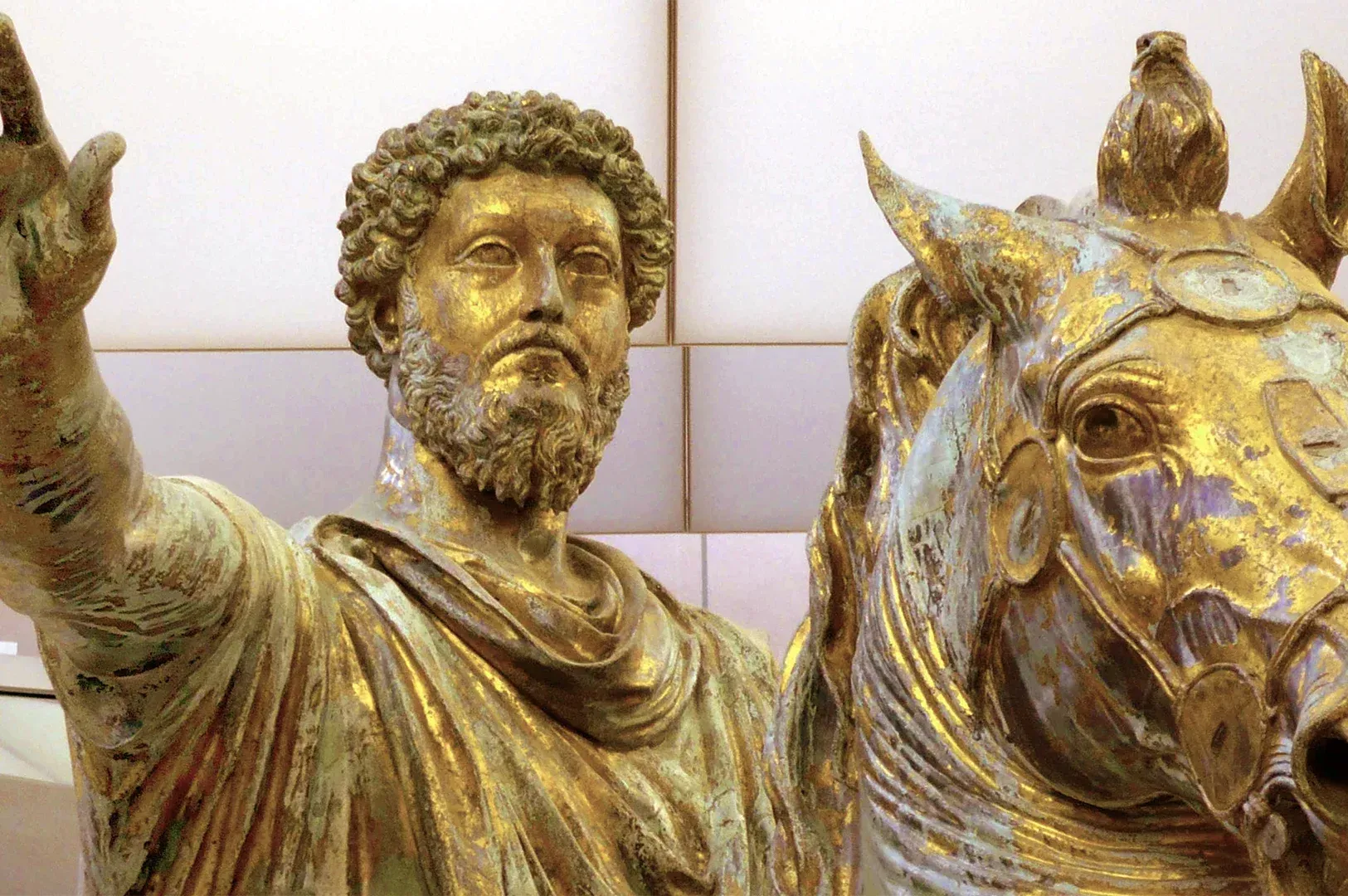
A gold statue of Marcus Aurelius, symbolizing the Stoic focus on personal control, quiet duty, and t
By Bay San July 24, 2026
A practitioner reads Marcus Aurelius in a hard season, on control, quiet duty, and where Stoic composure quietly fails the people around us.
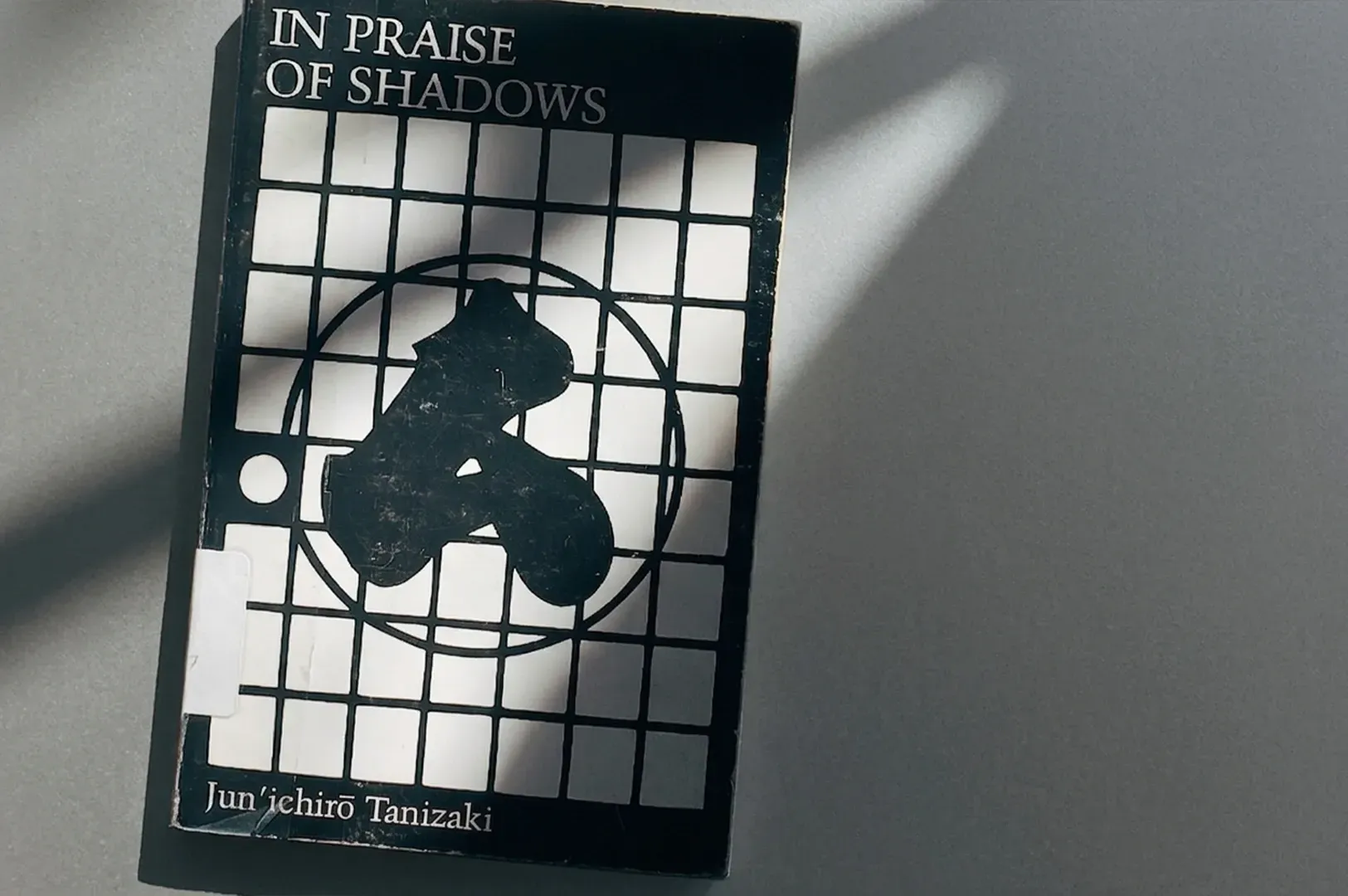
Book cover for In Praise of Shadows by Jun'ichirō Tanizaki, illuminated by a stark, contrasting beam
By Bay San July 17, 2026
Tanizaki makes the case for shadow over brightness, and why restraint, patina, and dim light create the atmosphere that clarity destroys.
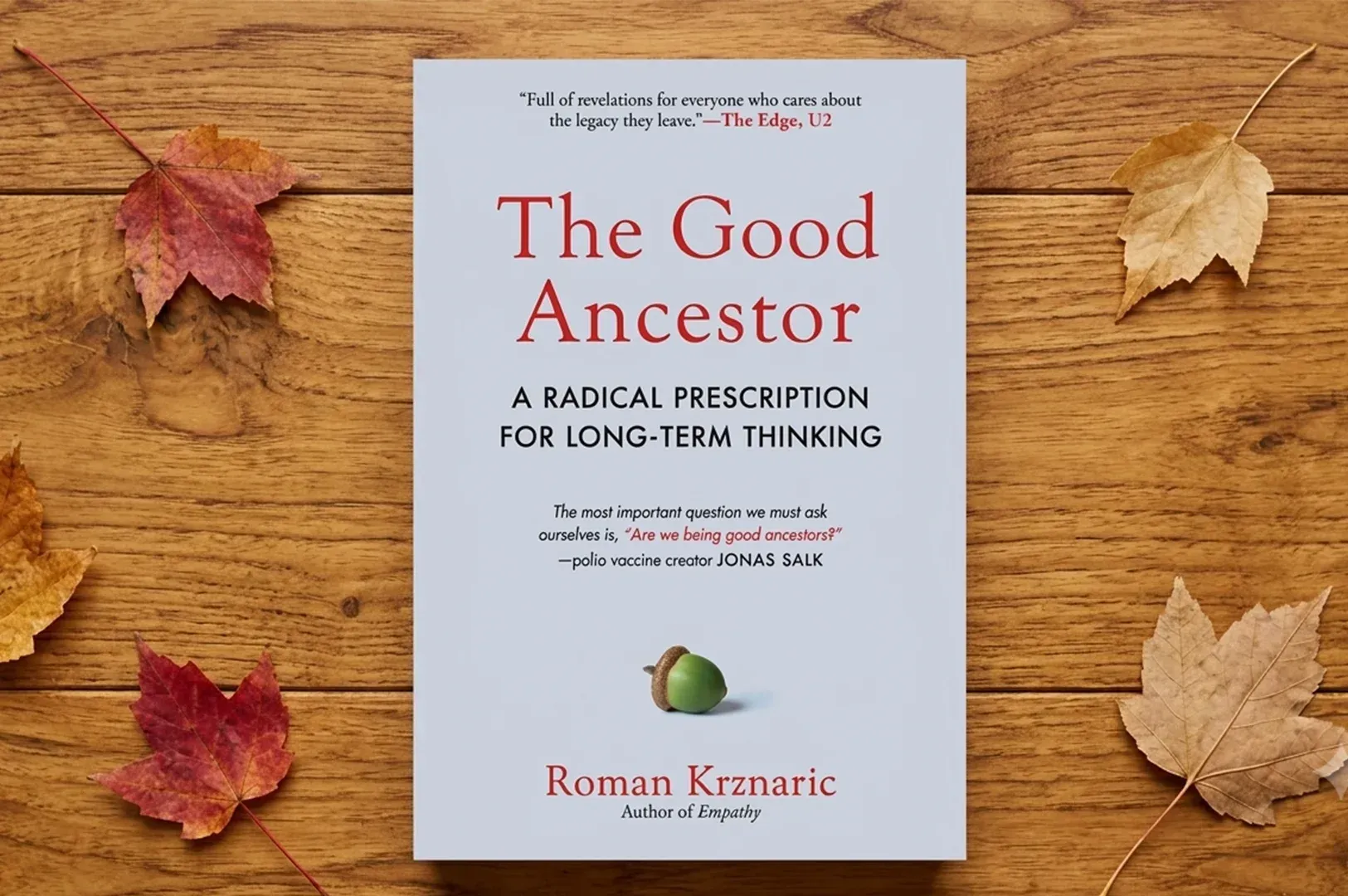
The book cover of
By Bay San July 15, 2026
Roman Krznaric reframes legacy as cathedral time: building for people you will never meet, and the quiet discipline of the long view.

A close-up, high-angle shot of the book A Field Guide to Getting Lost by Rebecca Solnit, centered on
By Bay San July 3, 2026
Rebecca Solnit reframes getting lost as a discipline: a return to humility, attention, and the kind of not-knowing that remakes you.
A copy of 'On Dialogue' by David Bohm resting on a dark surface, representing the foundational conce
By Bay San June 25, 2026
Why genuine dialogue is rare: a reflection on Bohm's idea of thinking together, suspension, and what real listening demands of leaders and teams.
A close-up shot of the book cover
By J.C. Yue June 19, 2026
A reflection on Craeft and what craft teaches about mastery, maintenance, and building enduring value in business and life.
Show More