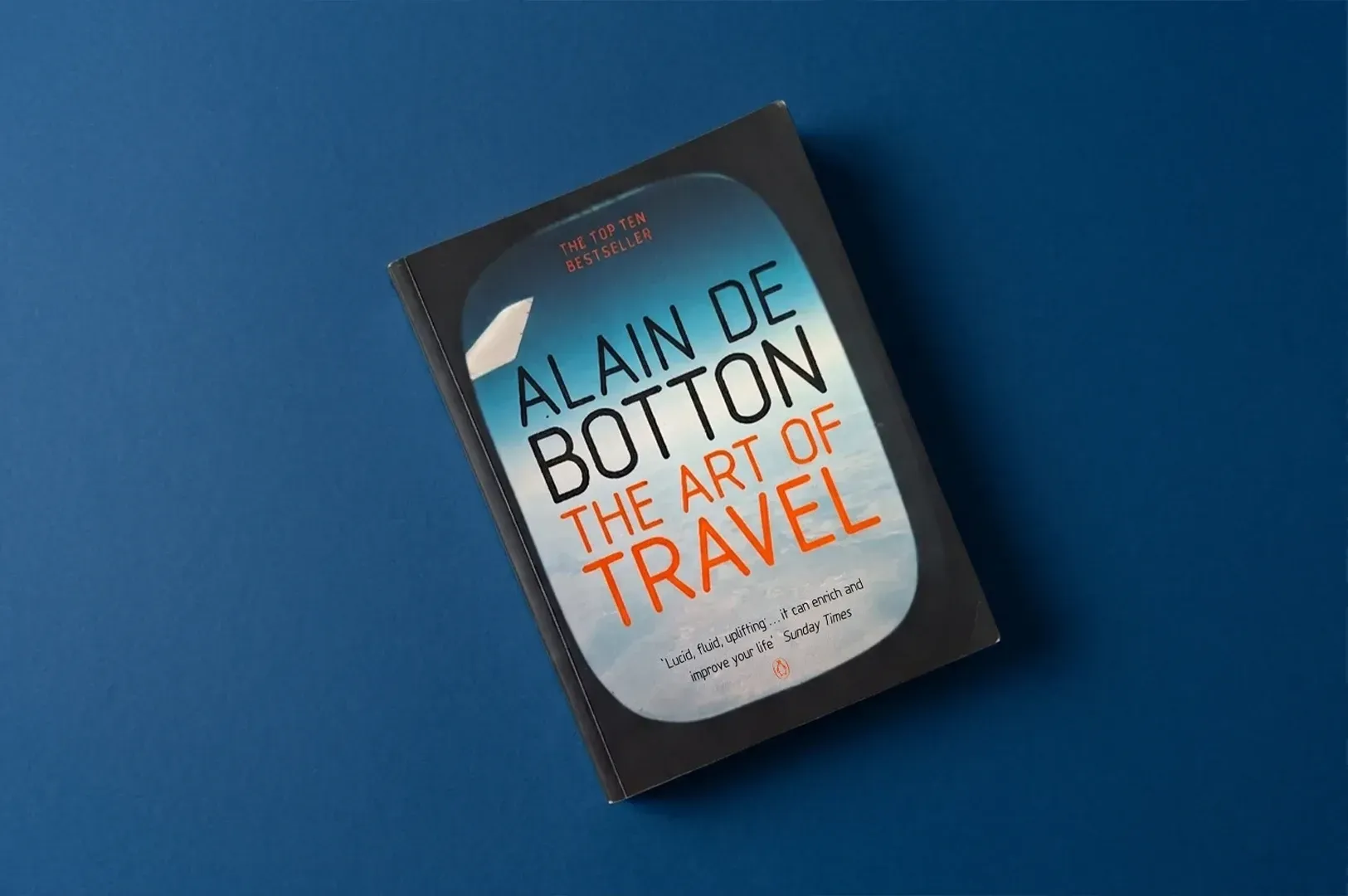
The Art of Travel by Alain de Botton | My Quiet Empire Book Review
Bay San
Why does a change of scenery so rarely change how we feel?
We plan for months. We study photographs of a coastline or a city square until we half believe we have stood there. Then we arrive, and something is missing. The light is right. The view is right. And yet the feeling we packed for does not quite meet the expectations.
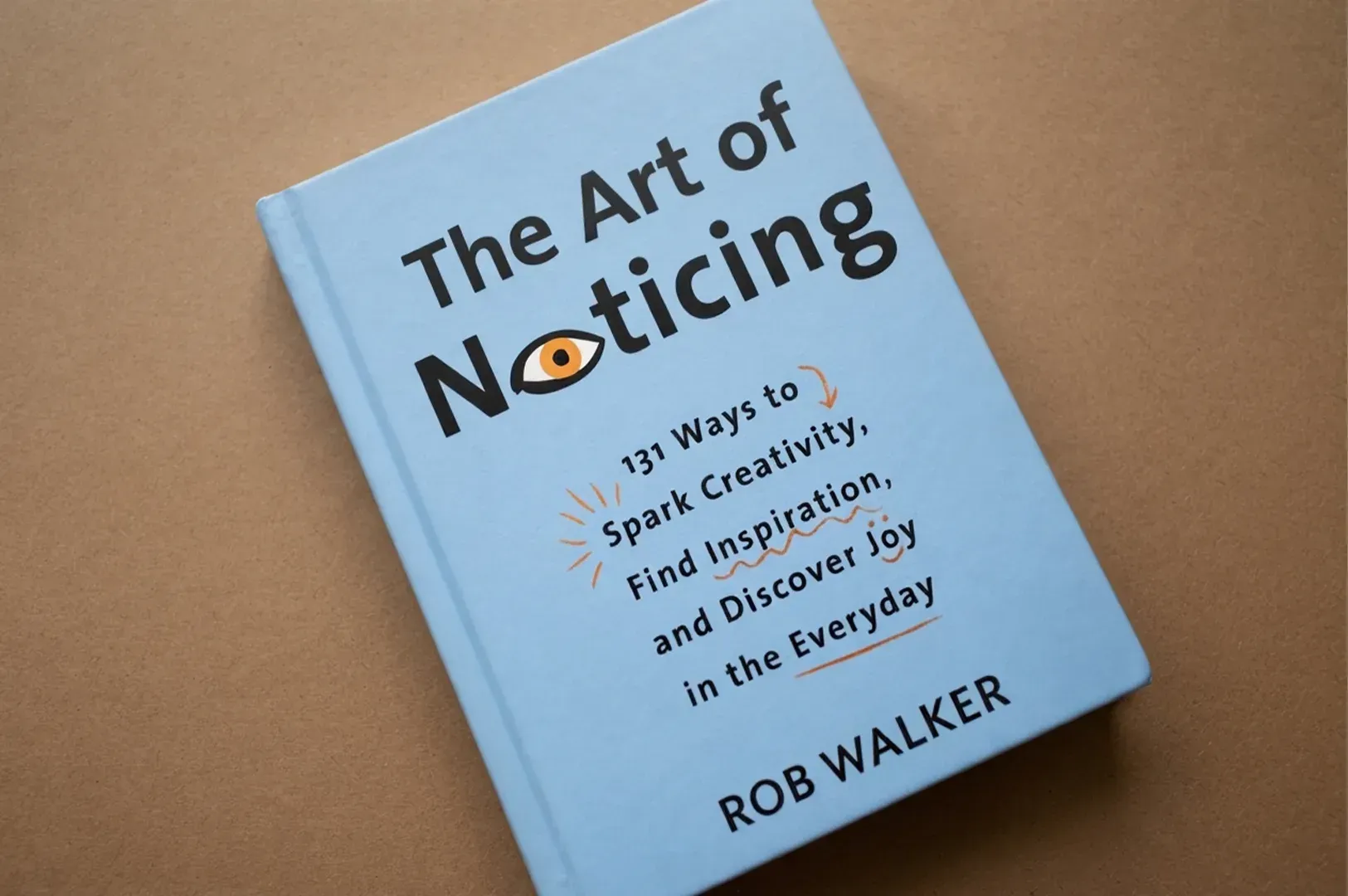
Alain de Botton's The Art of Travel begins inside that gap and stays with it longer than most travel writing dares.
The book opens with anticipation. De Botton recalls a trip to Barbados, imagined for weeks as a clean picture of palms and sky. The real island, he notices, came with everything the daydream had edited out: tiredness, small discomforts, worries carried over from home. His point, paraphrased: he had brought himself along without meaning to.
It is a modest observation. It is also the one I keep returning to.

Anyone who has worked in hospitality learns this from the other side of the counter. Guests do not arrive empty. They bring the flight, the week behind them, the thing on their mind. A room can be prepared perfectly and still meet a person not yet ready to receive it yet. De Botton names that ordinary self honestly, without scolding anyone for having one.
What gives the book its texture is the company it keeps. Each chapter walks beside a writer, artist, or thinker. There is Baudelaire, restless and drawn to harbours and departures. There is Edward Hopper, whose lonely diners and roadside gas stations find a strange poetry in places built only for passing through. Van Gogh in Provence helps de Botton see cypresses that had been there all along. Ruskin urged people to draw what they saw, not for skill, but to look properly.
The idea underneath, as I read it, is that noticing is a new way of learning. Someone usually has to show us first. Art does not decorate a place. It trains the eye we to see the beauty within it.
That rings true in any craft. You rarely taste a broth fully the first time. You learn what to taste, often from someone who has tasted it bit longer.

The final chapter turns toward home. De Botton writes about Xavier de Maistre, who in the 1790s made a "journey" around his own bedroom. Then de Botton walks his familiar London neighbourhood with a traveller's attention and finds a new perspective within that place.
Here the book makes its quiet case. If the pleasure of a journey depends more on our mindset than our destination, as de Botton suggests, then curiosity is not reserved for airports.
His craft suits the argument. He writes in short, numbered passages, moving from a small observed detail to a larger question and back again. The prose is lucid and dry. It rarely raises its voice.
My reservation is about distance. The erudition is graceful, but it sometimes holds experience at arm's length. Nearly every guide is a European man of letters, and travel here is mostly a matter of private perception.
Still, the book leaves something behind. Not a destination. A habit.
The street outside the door has been there the whole time.
Perhaps the work was never to go farther. Only to look again.