
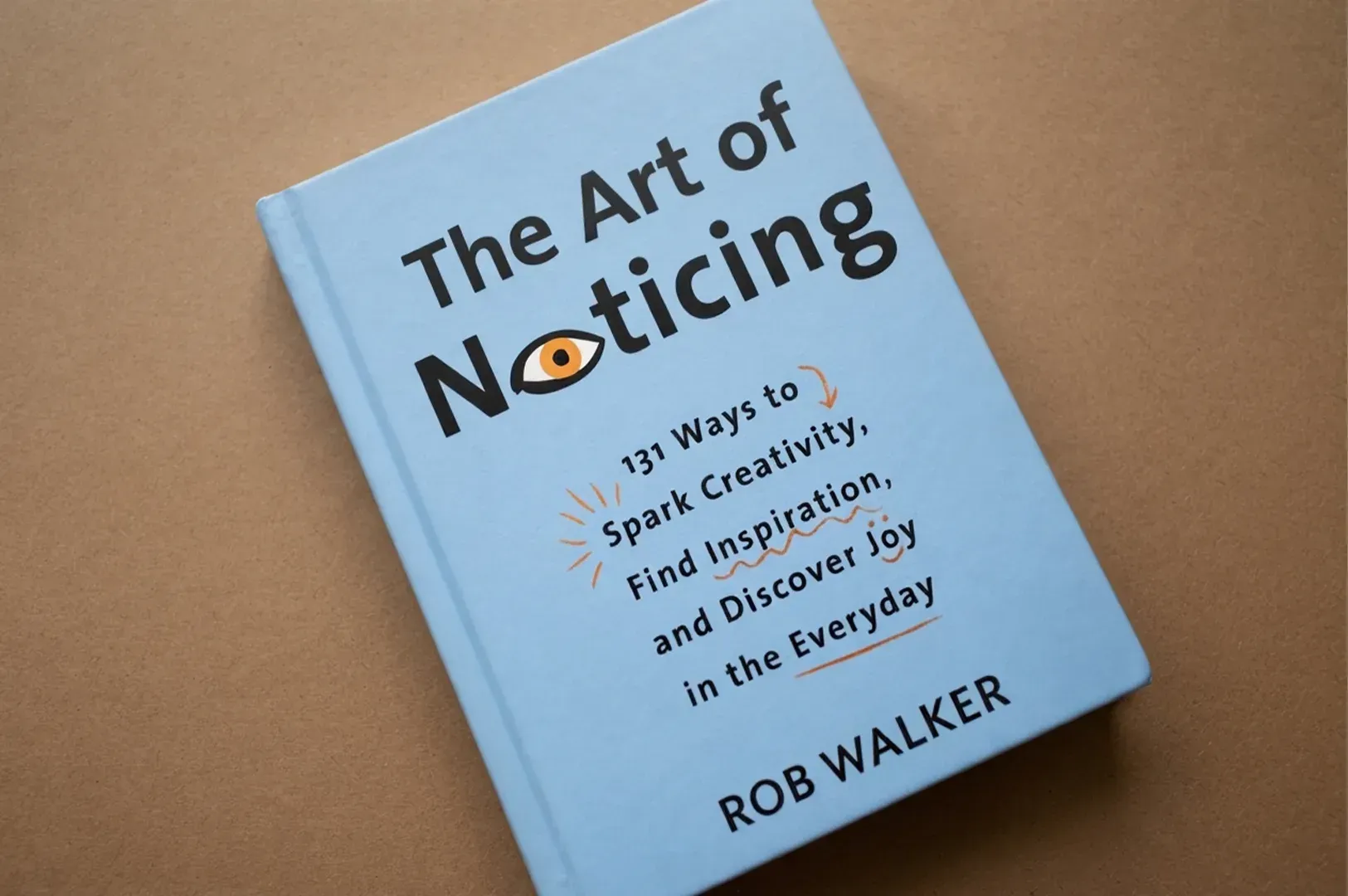
The Art of Noticing by Rob Walker | My Quiet Empire Book Review

Bay San

Bay San


I bought this book on a morning I could not focus. I had spent an hour moving between screens, answering things that did not need answering, and by the end of it I could not have told you a single thing I had actually seen. That bothered me more than the lost time. When did I stop looking at anything?

Rob Walker's book is a quiet answer to that question. It is a collection of small exercises, prompts, and provocations, all aimed at one thing: teaching you to notice again. Not as a wellness trend. As a skill you let go slack.

The idea that stayed with me is simple. Noticing is not a gift some people have. It is a muscle, and most of ours have gone soft.

Walker treats attention the way a craftsman treats a tool. You maintain it. You use it deliberately. He gives you odd, useful assignments, like walking a familiar street and looking only for things that are the color red, or spending time somewhere and counting what has changed.

I tried one on a walk to the same café I visit most mornings. I had passed the building for years. That day I looked up, on purpose, and found a small carved date near the roofline. 1926. I had never seen it. I felt a strange embarrassment, then something closer to pleasure.

The street had been talking the whole time. I had simply stopped listening.

Here is the part that matters if you make things or lead people. Nearly every good decision I have made came from noticing something small before it became obvious. A guest who lingered a moment too long, uncertain. A staff member who quietly fixed a thing no one asked them to. A room that filled at the edges and left the center empty.

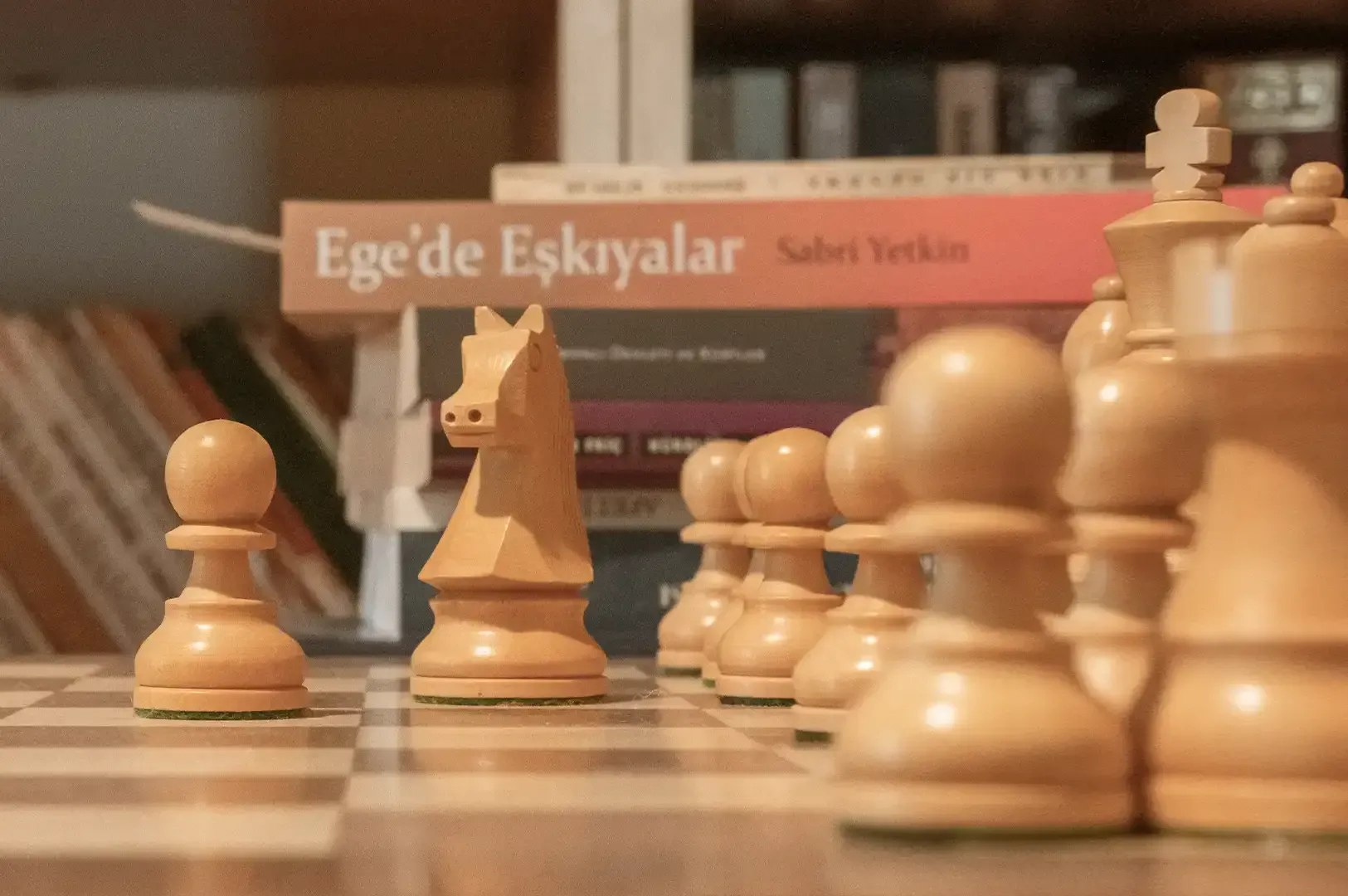
A close-up shot of classic wooden chess pieces lined up on a chessboard against a backdrop of stacked books, symbolizing the mindful attention, strategy, and deliberate focus championed in The Art of Noticing.

None of that arrives in a report. It arrives to whoever is paying attention. Walker, paraphrased, puts it plainly: the goal is to become an active noticer in a world that profits from your distraction.

Strategy is often just noticing earlier than the next person. Taste is noticing what others walked past. You cannot optimize your way into that. You have to slow down enough to see.

The book sits inside a real tension, and Walker does not pretend otherwise. Everything around us is built for efficiency. Faster, smoother, less friction. And noticing is friction. It is the deliberate choice to be slow where the world wants you quick.

His tone helps here. He writes lightly, almost playfully, in short entries you can pick up between other things. That structure is the argument. He is not asking for a retreat. He is asking for a few honest minutes, given fully, inside an ordinary day.

This one is for people who suspect they have been moving through their own life without quite seeing it. Makers, operators, anyone whose work depends on catching what others miss.

The ritual I kept is small. Once a day, I stop wherever I am and find one thing I have never noticed before. A crack in a wall. The sound under the sound.

Most days it is nothing. Some days it is the whole day.

More Book Reviews

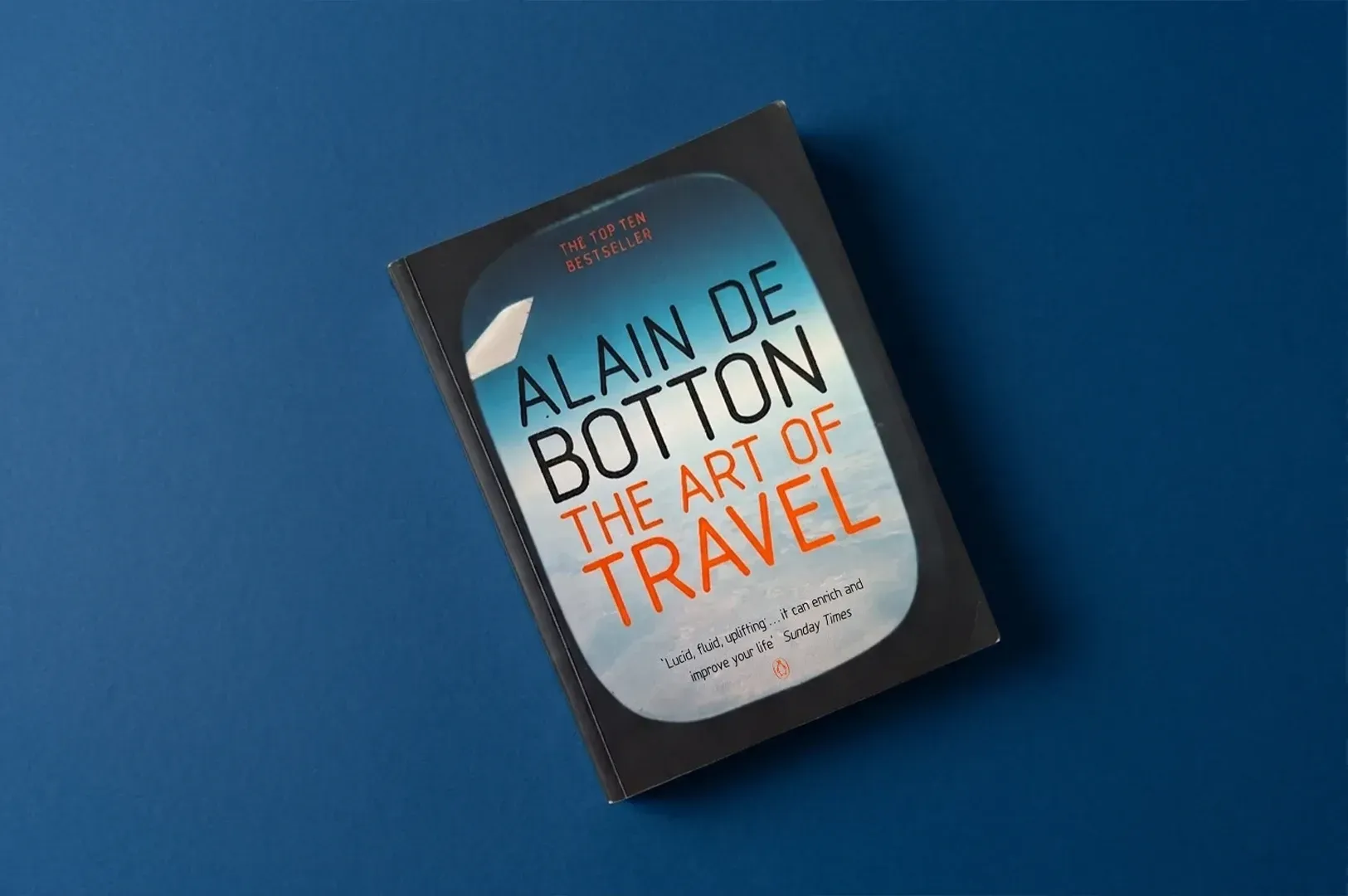
Front cover of The Art of Travel by Alain de Botton featuring an airplane window view, exploring how
By Bay San • October 9, 2026
We bring ourselves wherever we go. De Botton shows that travel's real gift is learning to see, an attention we can carry back home.
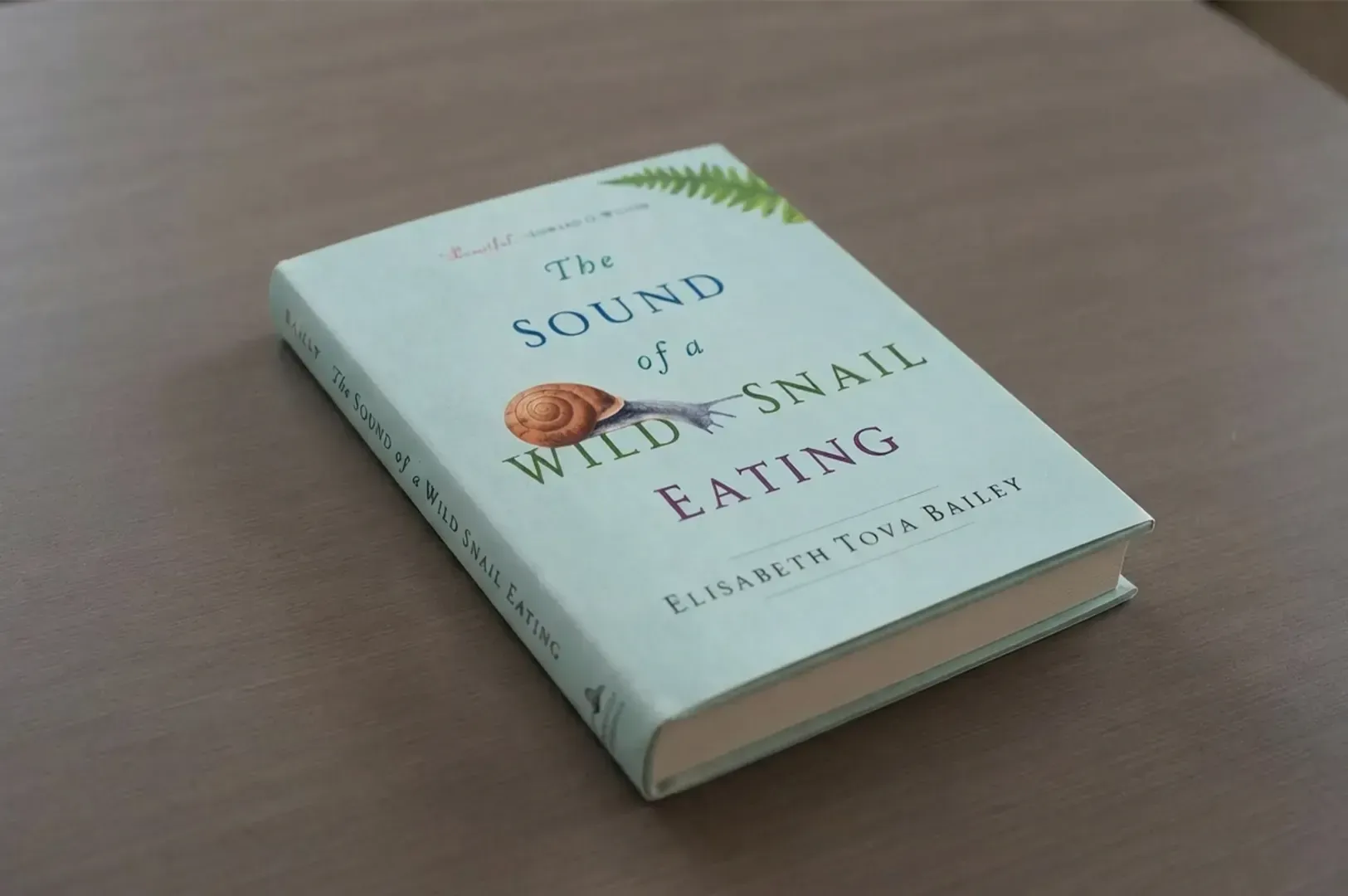
Close-up, three-quarter angle shot of the hardcover book The Sound of a Wild Snail Eating by Elisabe
By Bay San • September 11, 2026
On attention as power: what a bedridden woman and a wild snail taught me about pacing over force, and building things that last by noticing.
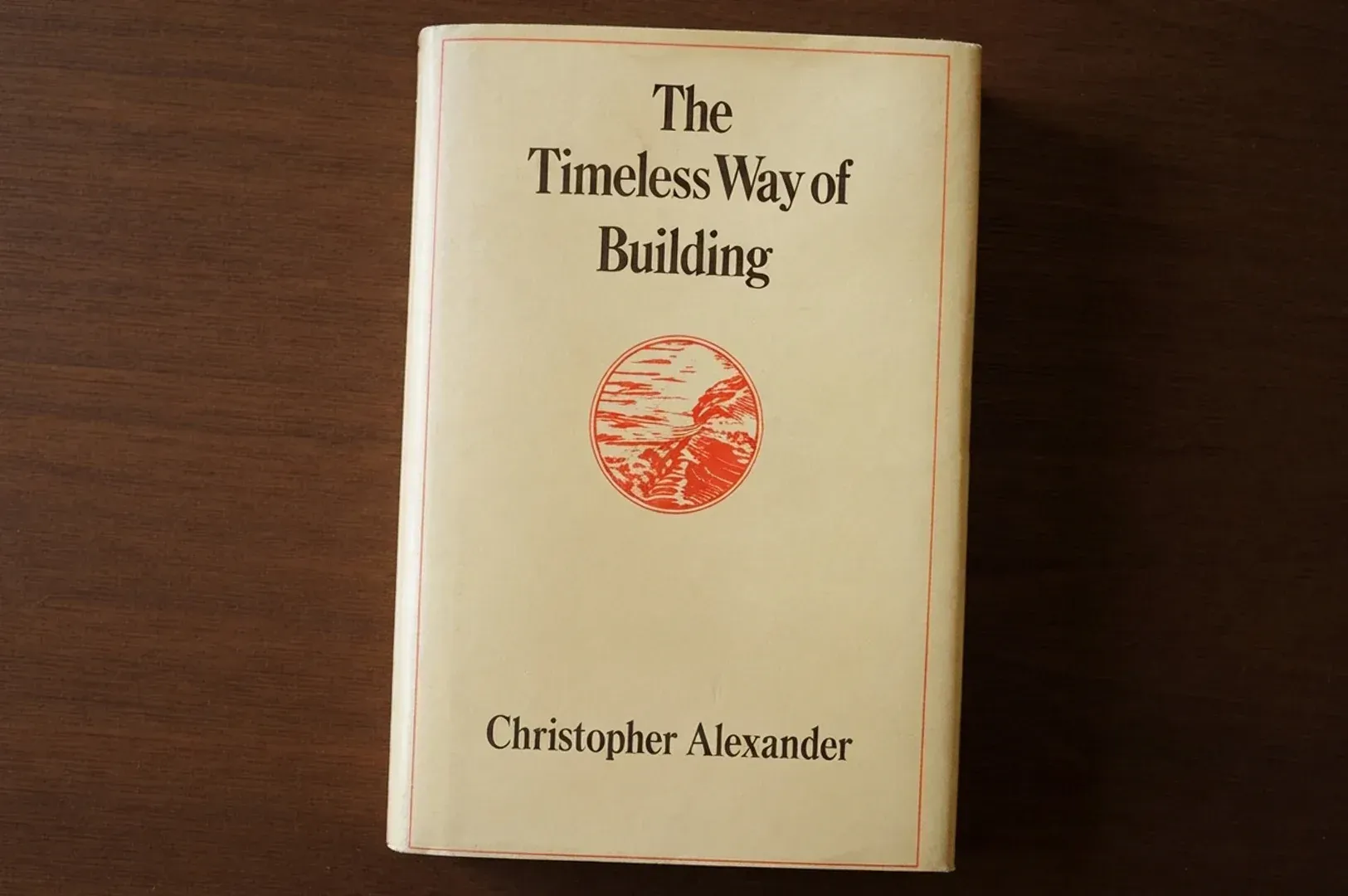
The hardcover book 'The Timeless Way of Building' by Christopher Alexander resting on a dark wooden
By Bay San • August 28, 2026
A builder reads Christopher Alexander on why "aliveness" is a discipline, not a style, and what actually lasts after the founder is gone.

A hardcover copy of The Book of Tea by Kakuzō Okakura resting on a wooden surface, illustrating the
By Bay San • August 21, 2026
Okakura’s tea philosophy is really a discipline of attention, an argument that taste, restraint, and ritual are forms of power.
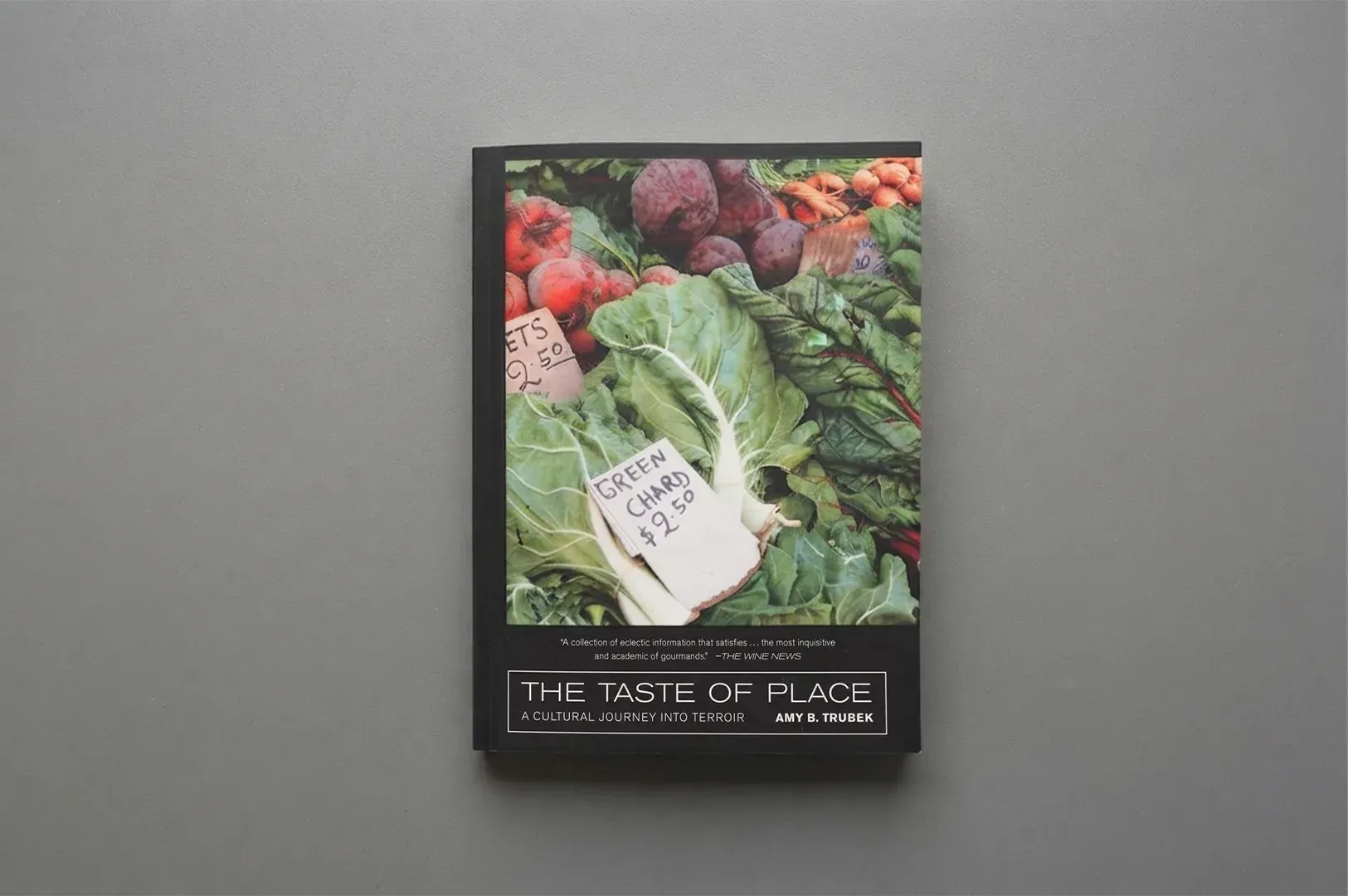
The book cover of The Taste of Place: A Cultural Journey Into Terroir by Amy B. Trubek, resting on a
By Bay San • August 14, 2026
A reflection on how place shapes taste, and what terroir teaches builders about craft, identity, and protecting quality in a placeless age.
The Scout Mindset book by Julia Galef resting on a flat surface, illustrating why truth-seeking beat
By Bay San • August 10, 2026
A practitioner reads Julia Galef on why truth-seeking beats ego in leadership, and where seeing clearly gets hardest under real pressure.
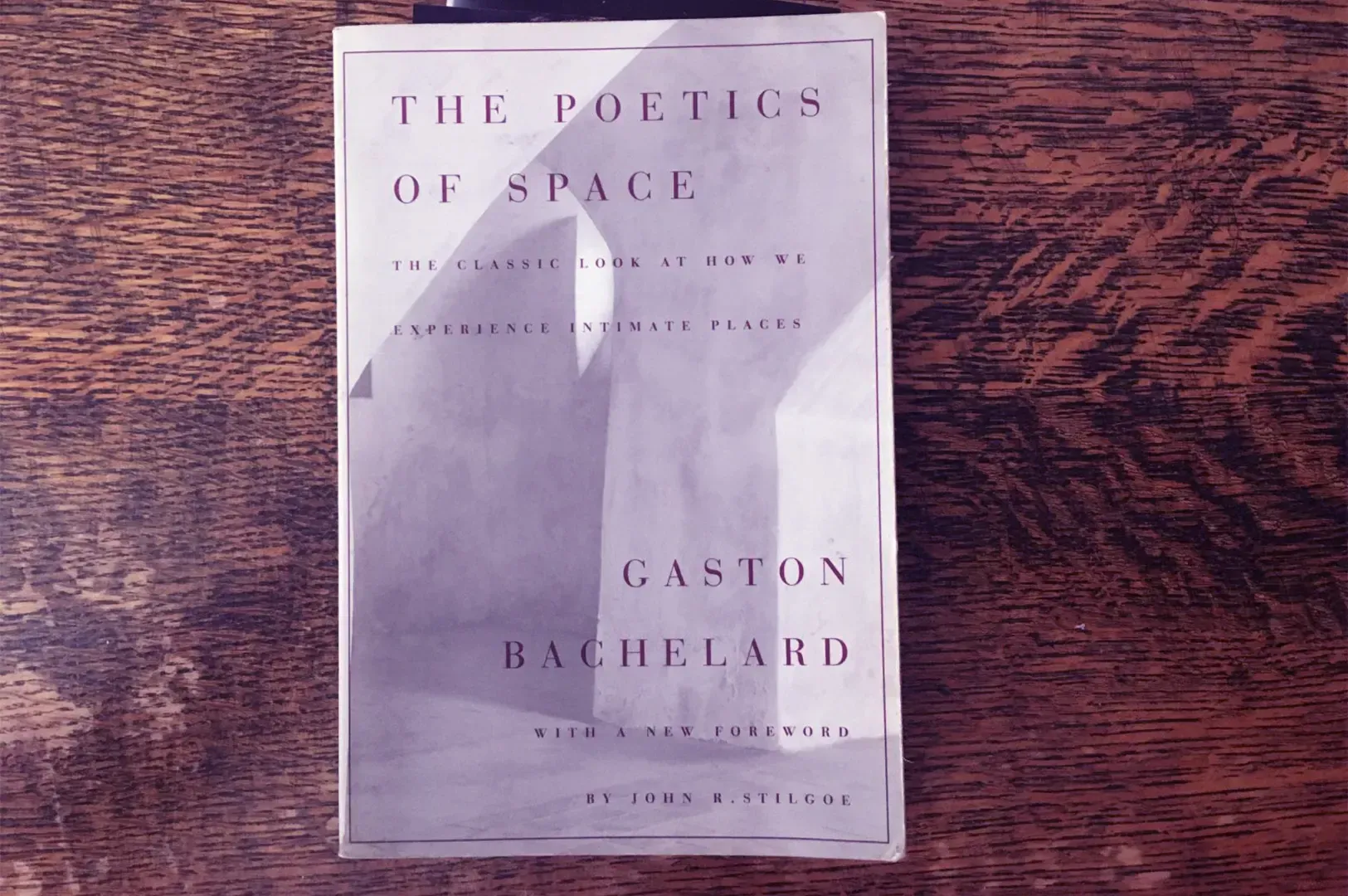
The cover of Gaston Bachelard's The Poetics of Space, a philosophical classic exploring how architec
By Bay San • July 31, 2026
The cover of Gaston Bachelard's The Poetics of Space, a philosophical classic exploring how architecture, intimate rooms, and corners shape human memory, imagination, and the formation of the self.
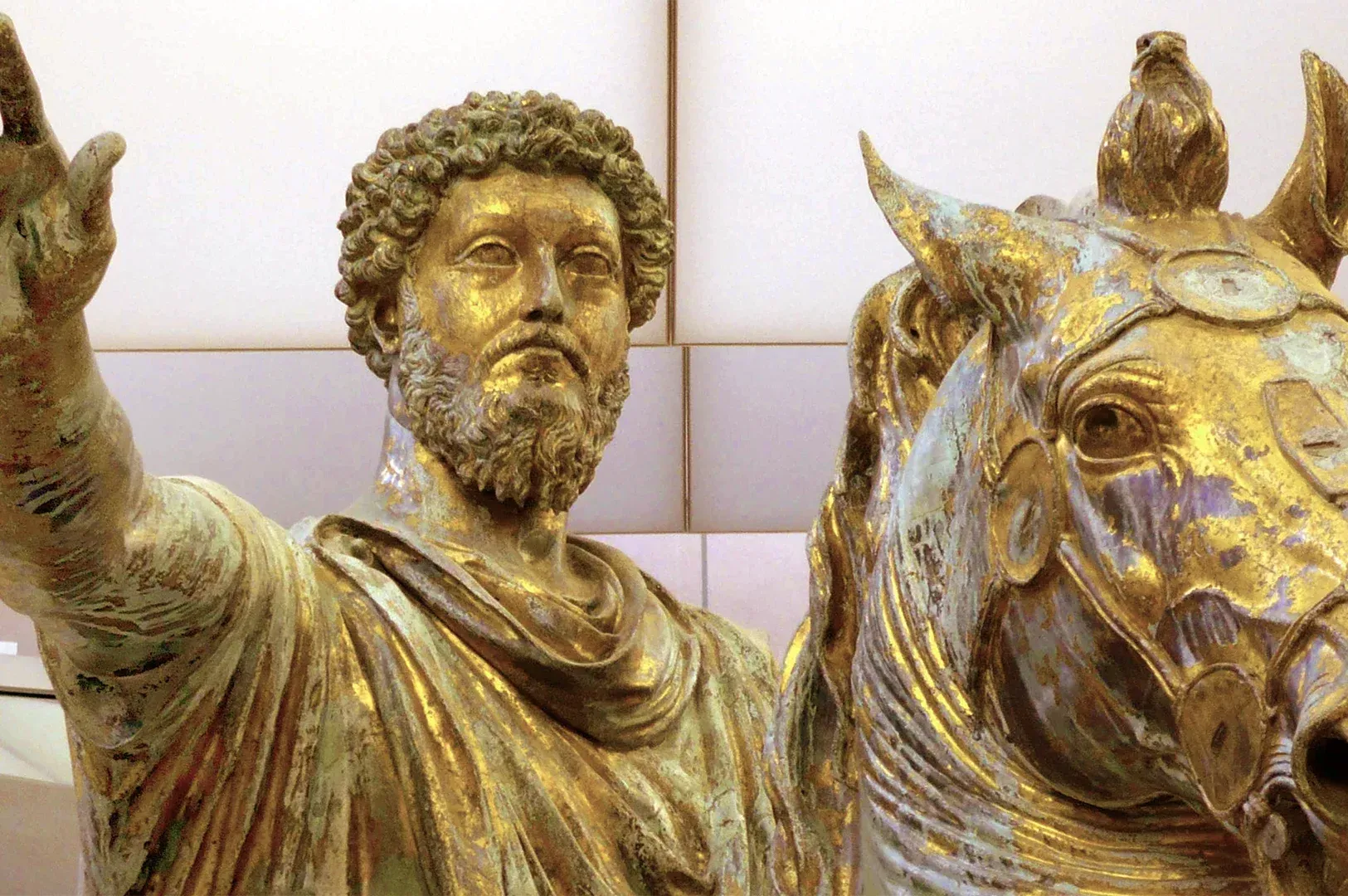
A gold statue of Marcus Aurelius, symbolizing the Stoic focus on personal control, quiet duty, and t
By Bay San • July 24, 2026
A practitioner reads Marcus Aurelius in a hard season, on control, quiet duty, and where Stoic composure quietly fails the people around us.
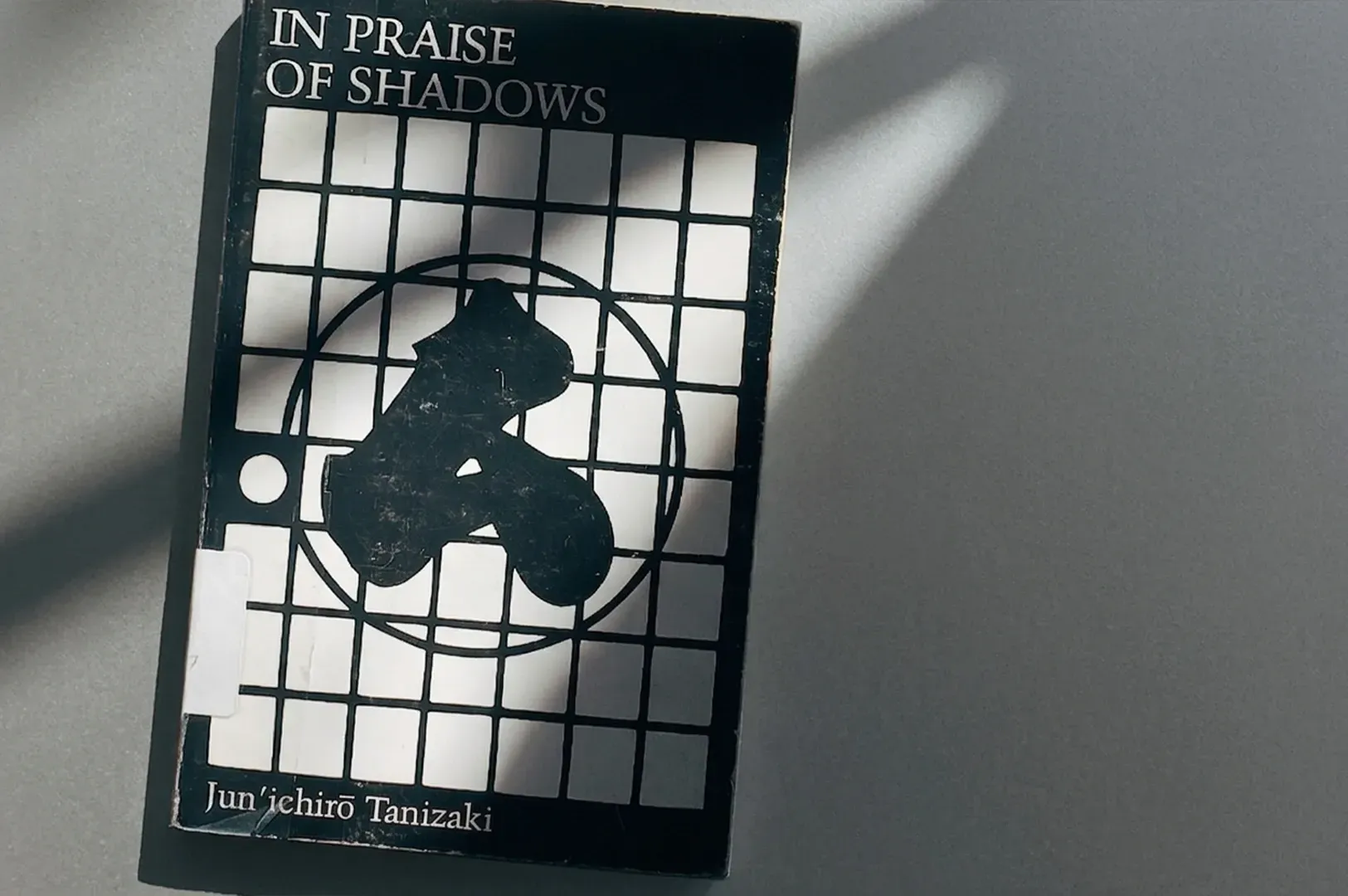
Book cover for In Praise of Shadows by Jun'ichirō Tanizaki, illuminated by a stark, contrasting beam
By Bay San • July 17, 2026
Tanizaki makes the case for shadow over brightness, and why restraint, patina, and dim light create the atmosphere that clarity destroys.

The book cover of
By Bay San • July 15, 2026
Roman Krznaric reframes legacy as cathedral time: building for people you will never meet, and the quiet discipline of the long view.

Show More