
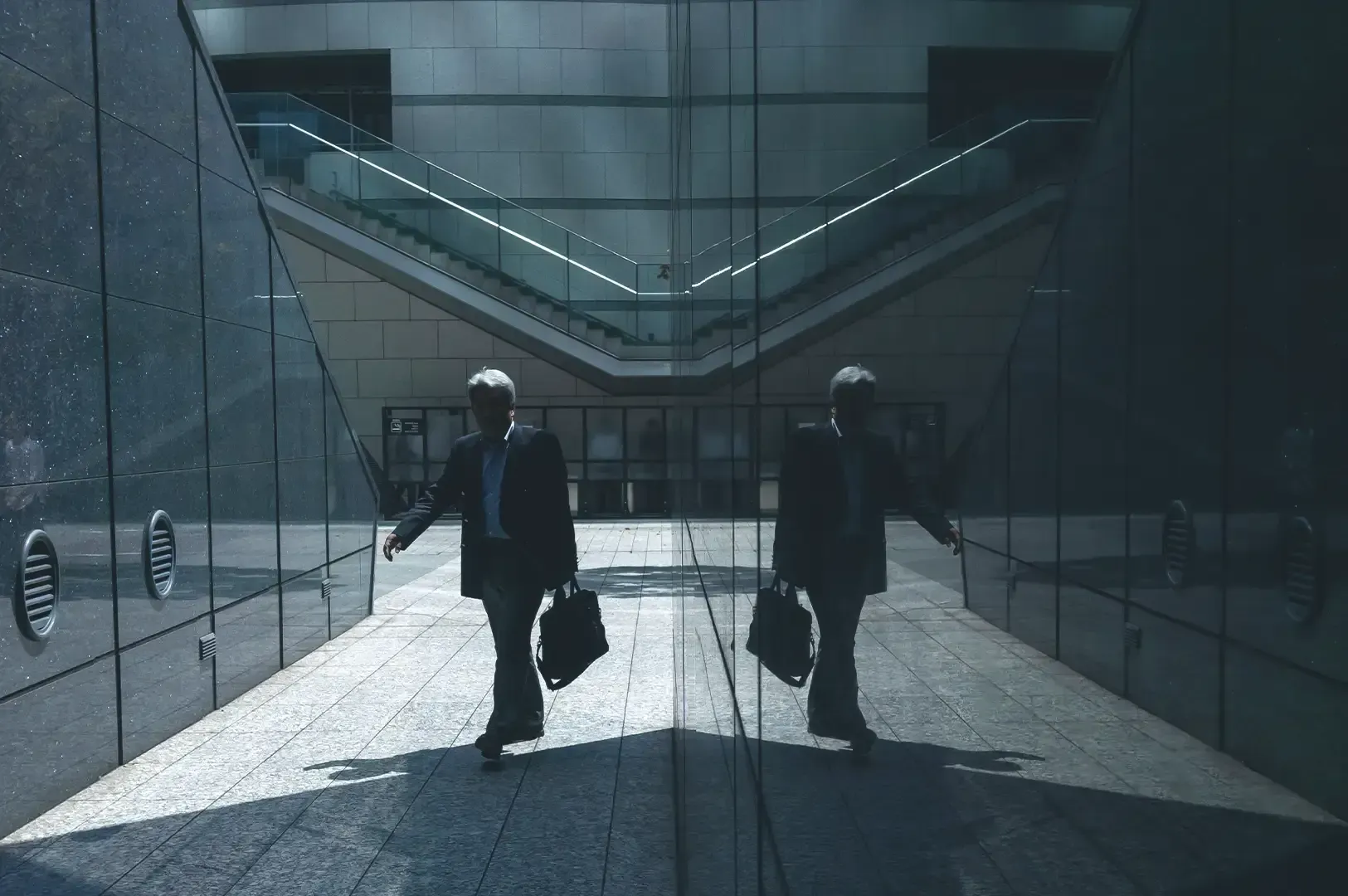

Mentorship as Mirror: What the Right Guide Reveals About You
There is a particular kind of silence I have learned to trust.
It comes after I have laid out a problem, carefully, the way you might arrange ingredients before service. The facts in order. The options weighed. My preferred answer placed, not too obviously, at the end.
And then the person across the table says nothing.
The tea cools between us. A cup is set down on wood, a small sound, almost nothing. The silence stretches past the point of comfort, and somewhere inside it, I begin to hear my own reasoning more clearly than I did while I was speaking it.
The best guidance I have received has often looked like this. Not an answer. A pause long enough for me to notice what I had already decided, and why.
What Guidance Has Done
I have spent decades building things. The consulting firm. The academy. The omakase restaurant. The tea room. Each asked something different of me, and each arrived at a moment when I knew less than I needed to.
Guidance shaped all of it. Rarely in the way I expected.
I went looking, in the early years, for people who would tell me what to do. I wanted a map. Someone further along the road who could point and say: there, go there.
What I found instead, from the people worth listening to, was something quieter. They did not hand me a map. They held up a surface and let me look.
That turned out to be more useful. And far less comfortable.
What a Good Mirror Shows
A perceptive guide sees the habits you have stopped seeing.
The way you reach for the same solution because it worked once. The assumption buried so deep in your planning that you mistake it for a fact. The hesitation you dress up as prudence. The strength you undervalue because it comes easily to you.
None of this is visible from the inside. You live too close to it.
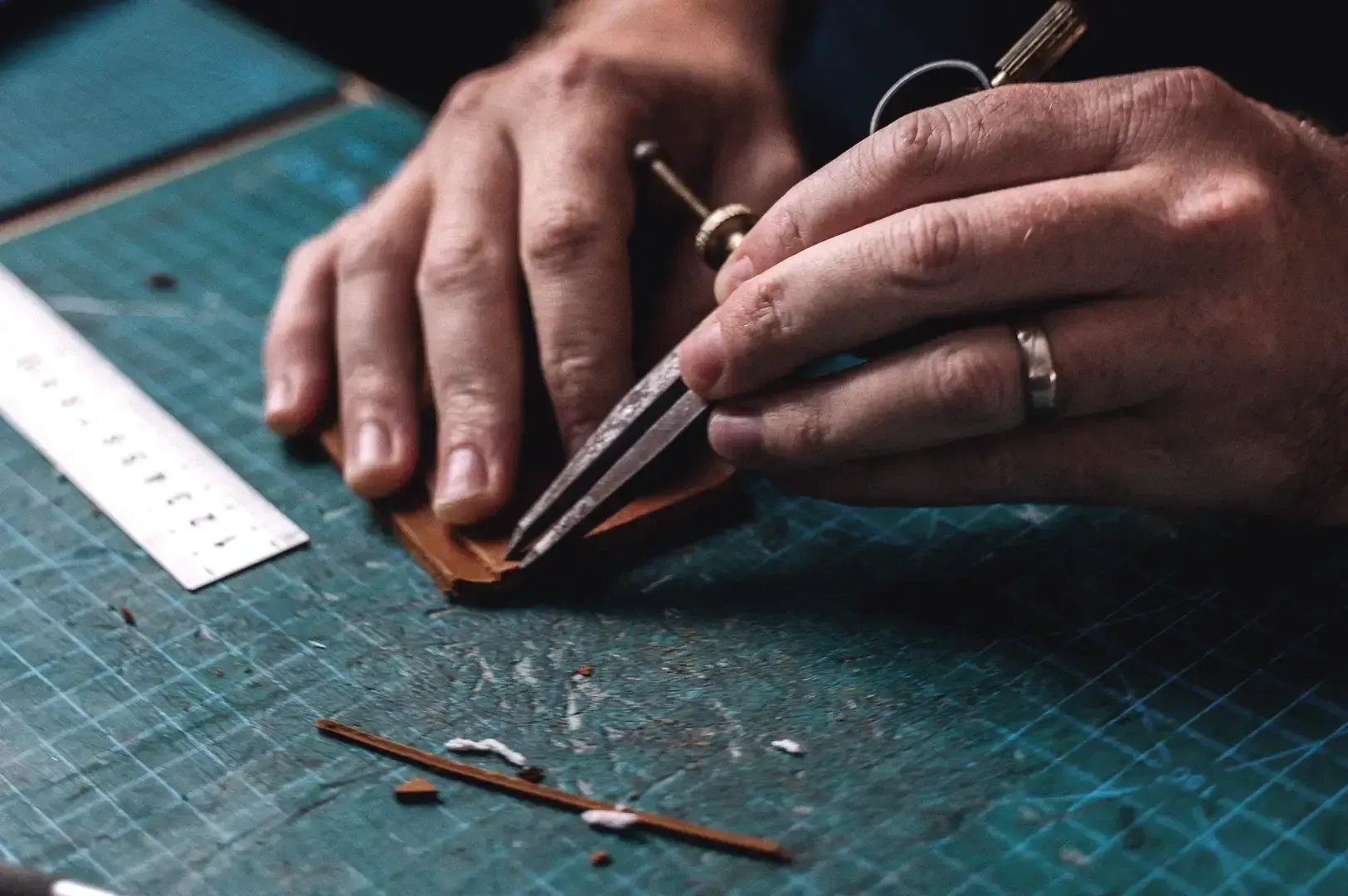
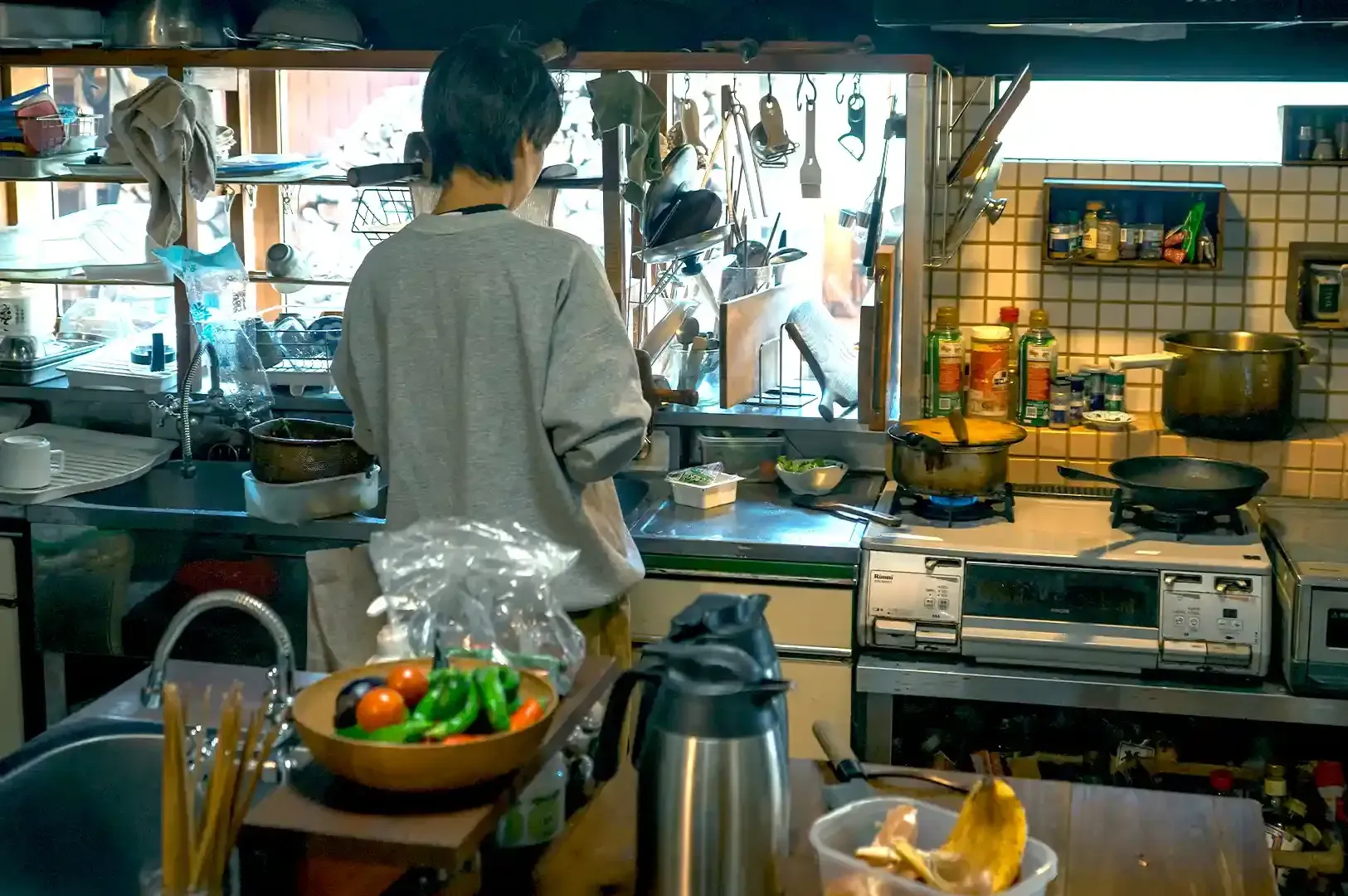
I think of it the way a kitchen reveals a cook. Watch someone work for long enough and you learn what they rush, what they skip, what they return to twice. They cannot always tell you. Their hands tell you instead.
A good mentor reads your hands.
And they show you what they see, plainly, without decoration. Sometimes it is a flaw. Sometimes it is a standard you hold so naturally that you never thought to name it, and in naming it, you learn to protect it.
The mirror does not flatter. It also does not wound for the sake of it. It simply shows.
Judgment, Not a Path
There is a difference between learning from someone's judgment and following their footsteps.
The footsteps belong to their life. Their timing, their temperament, the particular conditions they built inside. Copy the path and you inherit all of that, including the parts that never fit you.
Judgment travels better.
What I have taken from the people who guided me is rarely what they did. It is how they weighed things. What they refused to compromise. What they let go of without fuss. The questions they asked before they committed to anything.
Those I could carry into rooms they had never stood in. Into a restaurant, a classroom, a quiet space for tea. The shape of good thinking adapts. A borrowed route does not.
Imitation produces a smaller version of someone else. Learning produces a clearer version of yourself.
Recognizing a Good Guide

I have come to look for a few things, and I look slowly.
Candor. A good guide tells you the true thing, even when the true thing is inconvenient. Not harshly. Not as performance. Just honestly, and then they let it sit.
Sound judgment. Not brilliance, which is common enough. Judgment. The kind that holds up over years, that has been tested against real consequences and corrected where it failed.
Respect for your independence. This one matters most, and it is the easiest to miss. Watch whether they want you to need them. A guide worth keeping is quietly working toward the day you no longer have to ask.
The ones who want to be followed tend to give answers. The ones who want you to grow tend to give questions. You can usually feel the difference before you can explain it.
The Work That Remains Yours

A mirror only shows. It does not move. That part belongs to the person looking. The questioning, the deciding, the long unglamorous work that comes after the conversation ends and the table is cleared.
I have known people who collect mentors the way some people collect advice, hoping that enough wisdom gathered around them will eventually do the work on their behalf. It does not. Guidance is not a substitute for decision. It only makes the decision more honest.
The responsibility is to push back. To test what you are told against what you know. To disagree when you have reason to, and to change your mind when you do not.
And then to choose, and live with the choice, and carry it out yourself. No one else can stand at the counter for you when service begins.
The Still Surface
I still think about that silence across the table.
The cooling tea. The small sound of the cup. The way my own words came back to me, slower and more exposed, once there was nothing to cover them.
I understand now that the person sitting opposite me was not withholding anything. They were giving me the only thing that mattered: room to see.
Still water does not tell you what to look like.
It waits, and lets you look.