
The Philosophy of Repair: Making Things Last
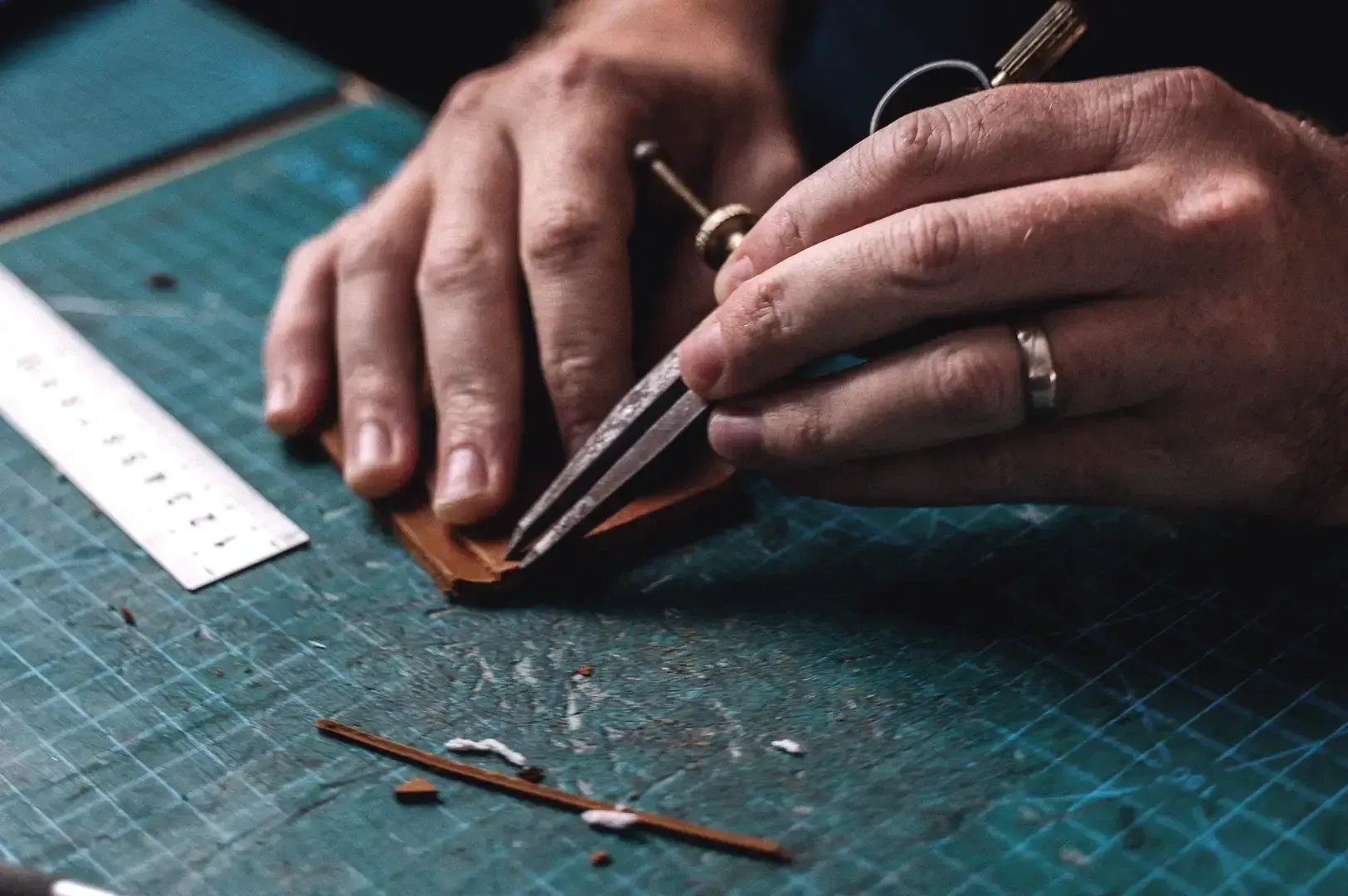
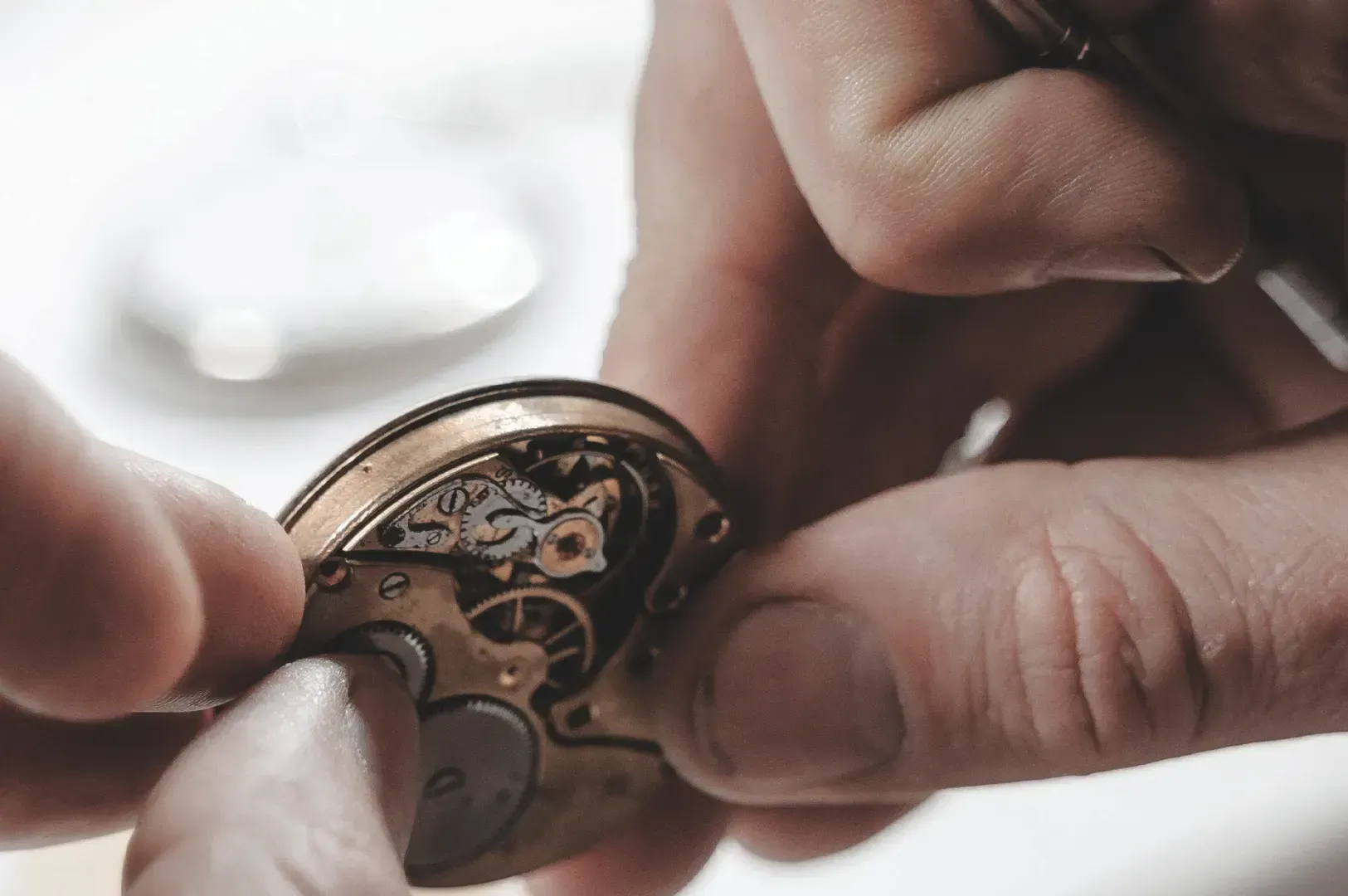
There is a shop I return to when a watch of mine stops keeping time. It is small. One bench, one lamp, and a man who has sat behind both for longer than I have been alive. The light falls in a narrow cone over his hands, and everything outside it goes soft and dark.
The smell is the first thing. Faint metal, a trace of oil, something dry underneath it like old paper. He does not look up when I enter. He is holding a movement no larger than a coin, turning a screw I cannot see with a tool I can barely name.
The room is quiet enough to hear the tool catch. He works the way water works. Slowly, without argument. There is no performance in it. He is not trying to impress me, or himself. He is simply returning a small broken thing to the work it was made to do.
I have come to think of that bench as a kind of teacher. It has taught me more about building things that last than most rooms I have paid to sit in.
What Texture Remembers
The first time I understood repair as a practice, not a chore, I was much younger and much poorer.
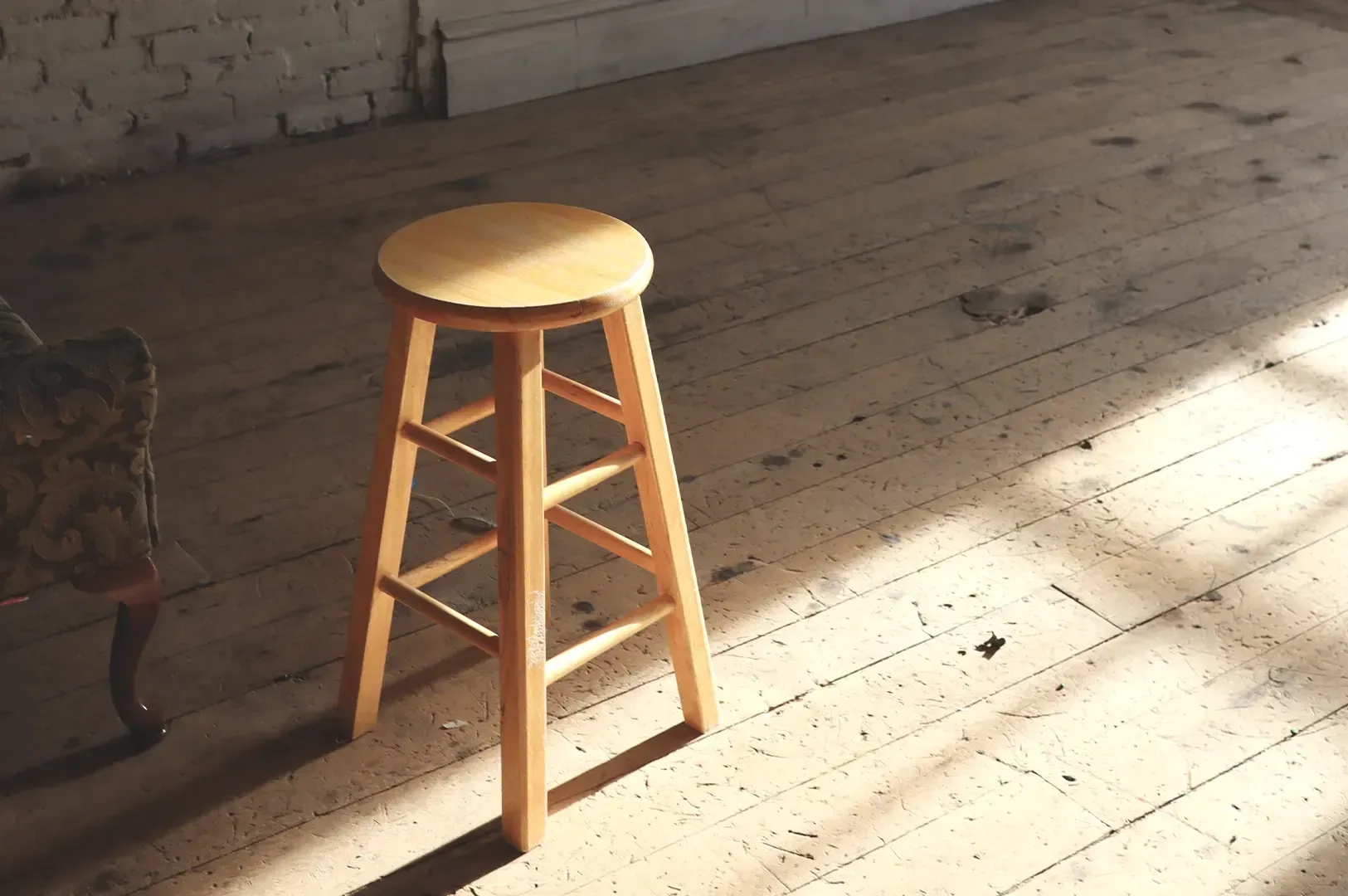
We were building the academy then. The budget was thin in a way that shapes every decision, but the standards were not, and I refused to let the two negotiate. So we mended what we had. Chairs with loose joints. A desk with a drawer that stuck. A carpet at the entrance worn pale by feet.
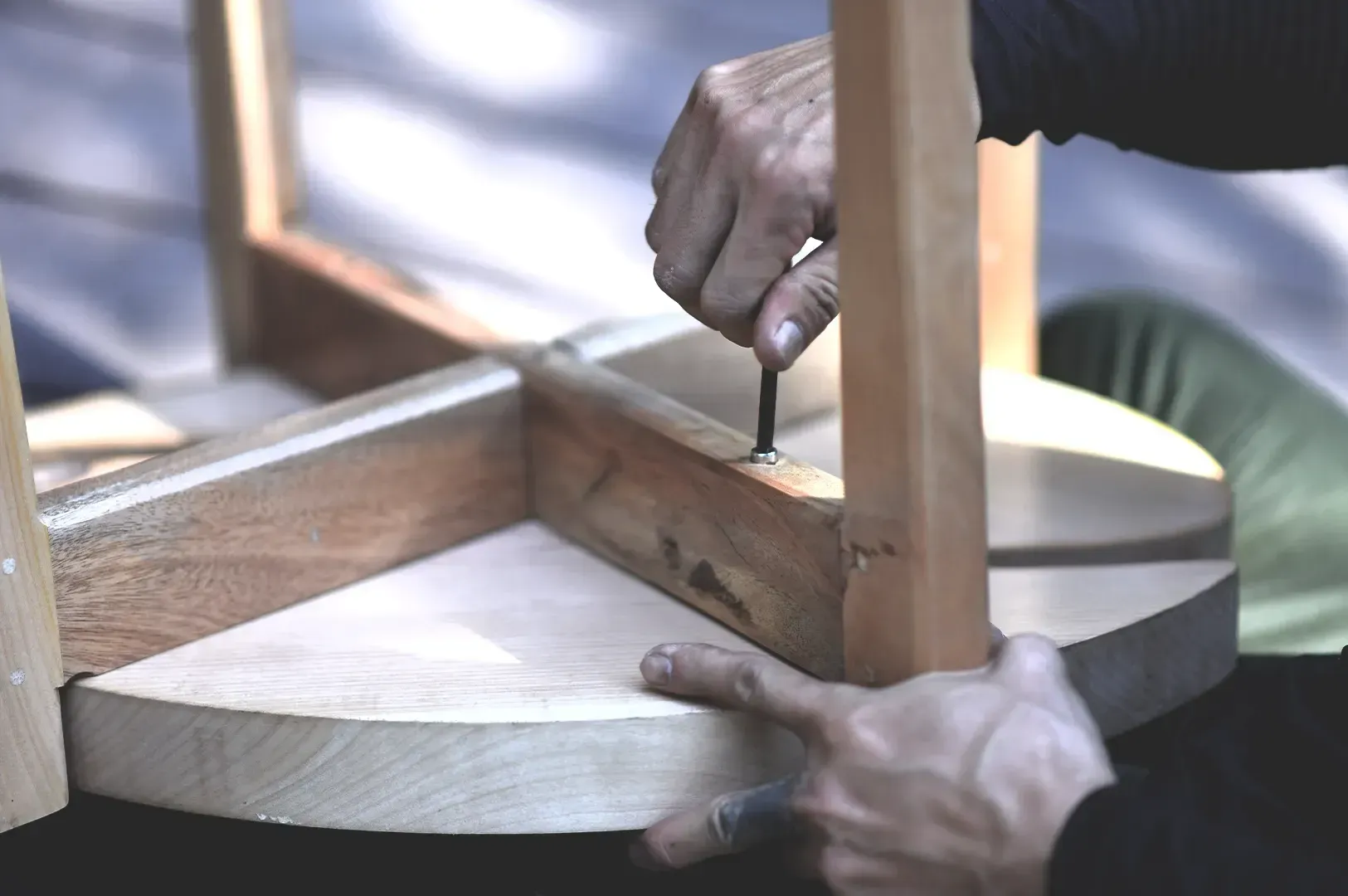
I remember the smell of the wood glue more than almost anything else from that year. Sharp, faintly sweet, drying tacky on my fingers while I held two pieces of a chair together and waited, longer than felt reasonable, for it to hold.
I remember the sound too. The particular creak of that entrance floor, a board near the door that gave slightly under weight. We never replaced it. We could not afford to, at first, and later we did not want to. It had become the sound of arriving.
That floor taught the first students something before a single lesson began. That this was a place tended, not a place assembled. There is a difference, and people feel it even when they cannot name it.
Cheap choices multiply. I learned that early, on a business trip where everything was disposable and nothing was cared for, and the whole enterprise had the feeling of a thing already halfway to the bin. You can smell it, almost. The absence of return.
What We Refuse to Discard

Across the businesses, I have had to decide again and again what stays and what may change. It is the quiet arithmetic of stewardship.
Some things must be preserved. The way people are trained. The rituals of service. The definition of when something is actually done, as opposed to merely finished. The craft threshold below which we will not go, no matter what the month looks like on a spreadsheet. The way a space is cared for when no guest is watching.
And some things are meant to move. The details of a menu. The format of a program. The systems underneath. The face a place shows the street. Where and whether we grow.
The mistake is confusing the two. People preserve the surface and let the soul drift, or they protect an old system while quietly lowering the standard it was built to serve.
Repair sits at the center of this, because what you refuse to discard is a confession of what you believe has a soul worth keeping.
I have thrown away furniture without a second thought. I have also spent more restoring a single worn threshold than a new one would have cost, because the new one would have been correct and the old one was true. Those are not the same, and I have stopped pretending they are.
Standards, Rituals, and the Cost of Replacement
Replacement is seductive because it is fast. It promises a clean start, a thing without history, nothing to answer for.
But a clean start is also a start with no memory. And memory, I have found, is most of what makes a place feel alive.
At the omakase restaurant, the knives are not replaced when they wear. They are sharpened, and sharpened again, until the blade is a little thinner than it began, carrying the record of every meal it has cut. A chef who has used the same knife for years is not being sentimental. He is keeping faith with a tool that has learned his hand.
You cannot buy that. It can only be maintained into being.
The same is true of people. The most valuable person in any of my ventures is rarely the newest and most impressive. It is the one who has stayed, who has been corrected and has corrected in turn, who carries the standard in their hands the way the watchmaker carries his. You do not replace that person when they falter. You repair the relationship, because what has been built between you is not recoverable any other way.
Replacement counts only the price of the object.
Repair counts the cost of losing what the object came to mean.
Two Places, Two Repairs

I have watched repair taught in two very different rooms, and each held a different truth.
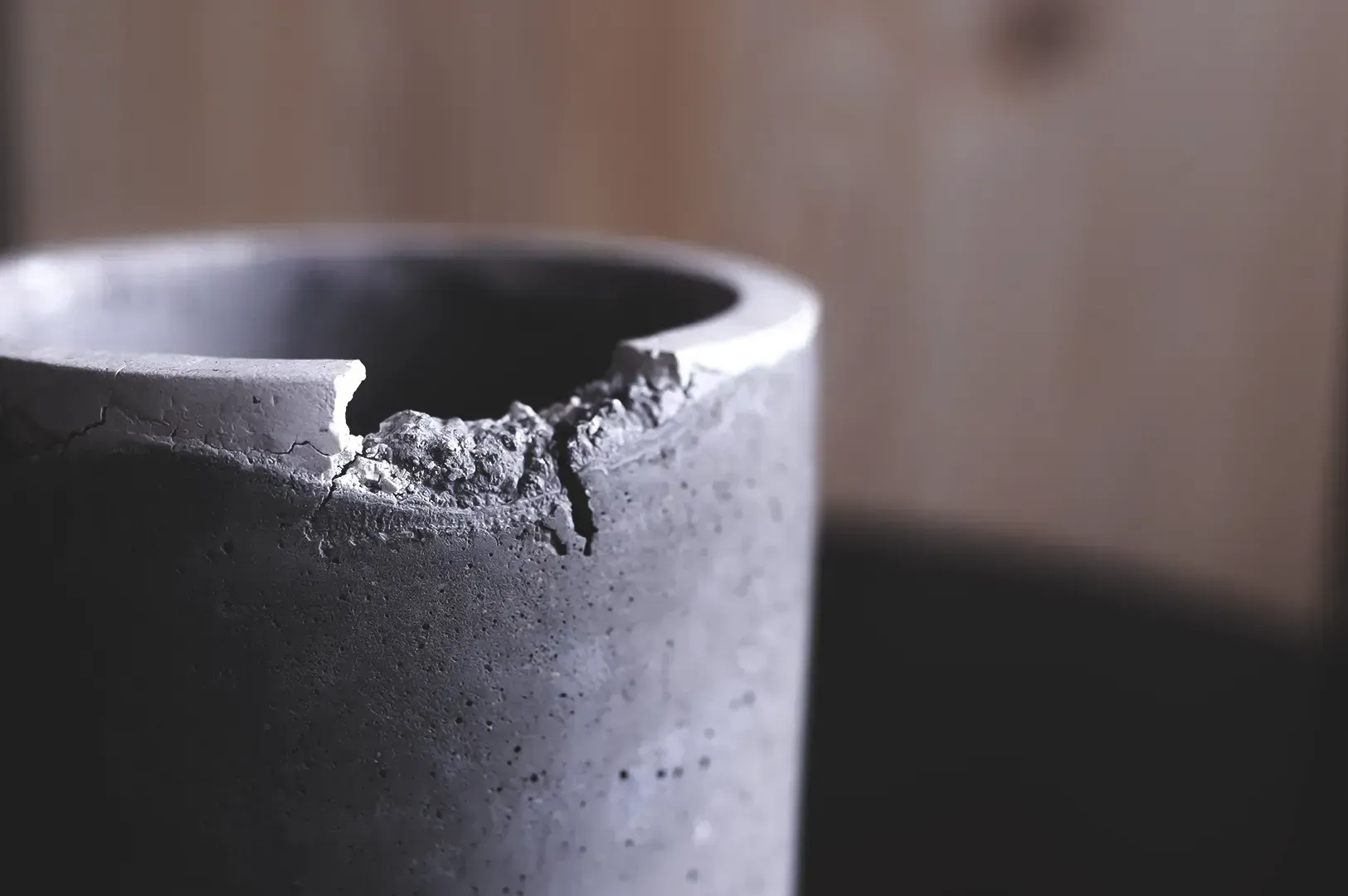
There is a small shop in Japan where a chipped cup is not thrown away but rejoined, the crack filled and honored rather than hidden. The repair is slow, deliberate, almost ceremonial. Nothing about it apologizes for the break. The cup is returned to use carrying the mark of its history, and it is considered more beautiful for it, not less.
I sat with that idea for a long time. The break is not the end of the object. It is a chapter in its life, and to erase it would be to erase part of what the object is.
Then there is the alpine property, where repair wears entirely different clothes.
Up there, the mending is driven by weather and cannot wait for ceremony. A shutter comes loose in a storm and you fix it that night, in the cold, with the tools you have, because the alternative is a window lost to the wind by morning. There is no lamp, no bench, no quiet. There is only the practical grace of keeping the building whole against a mountain that would happily take it back.
One repair is precise. The other is humble. One honors the break as beauty. The other simply refuses to let the thing fall apart.
Both are stewardship. The tea room taught me the same lesson in a third key, in a worn threshold that guests cross without noticing, tended year after year for no reason a spreadsheet would accept. Some things you maintain not to be seen, but because letting them go would be a small betrayal of what the place is for.
A Life Built to Be Maintained
I have stopped believing that the goal is to build things that never break.
Everything breaks. The chair, the floor, the knife, the relationship, the building on the mountain. The question was never how to avoid the breaking. The question is whether you will stay for the repair.
Repair is a relationship with time. It asks you to return, again and again, to the same object, the same standard, the same person, and to keep faith with them past the point where a newer thing would be easier. It asks you to live with the evidence of use. The thinner blade. The softened corner. The board that creaks near the door.
I think of the watchmaker often. He will not finish anything, not really. There will always be another movement, another small failure of time asking to be set right. He knows this. It does not trouble him.
That is the part I keep. The work of making things last is not a task you complete. It is a way of staying.
The light on his bench is still on, most evenings, as I pass. A man returning broken things to their purpose, one at a time, in no hurry at all.
I find I want to build the way he mends.