Rituals of Repair: How We Apologize, Forgive, and Begin Again

Bay San • July 30, 2026

The argument had ended an hour before, and the table still held its evidence. Two cups, one of them ringed with cold tea. A napkin crumpled where a hand had gripped it. The overhead light too bright for the mood it now had to carry.

I rinsed the cups slowly. The water ran warm over my fingers, and I listened to it more than I needed to, the way you listen to something ordinary when you are not ready to think. I smoothed the cloth. I squared the cups to the edge of the wood. I turned off the harsh light and left only the lamp.

Nothing was fixed. But the room was ready to hold whatever came next. I have learned that repair often begins like this, in the hands, before it ever reaches the mouth. Not as a feeling that arrives. As a small act you choose to perform.


The Cost of Saying It Wrong

There was a season at the consulting firm when I got something badly wrong, around the time that I talked about from this article, and then made it worse by the way I tried to fix it. I had spoken sharply to a young analyst in front of the room. She had made an error, a real one, but small. My correction was larger than the mistake, and everyone felt the imbalance.

I knew within the hour that I owed her something. What I offered, at first, was not an apology. It was a defense wearing the clothes of one. I told her I had only meant to hold the standard. I told her the pressure had been high. I told her, in so many words, that my intent had been good, as though intent were the thing that had wounded her.

It was not. The harm was the harm, regardless of what I had meant.

Pride made the first attempt hollow. I was more concerned with keeping my authority intact than with restoring what I had broken. Fear of looking weak in front of the room kept the apology vague, and a vague apology is only a way of asking to be forgiven without paying for it.

She accepted my words politely. Nothing changed. I had said it wrong, and saying it wrong had cost me more than saying nothing.

What a Real Apology Admits

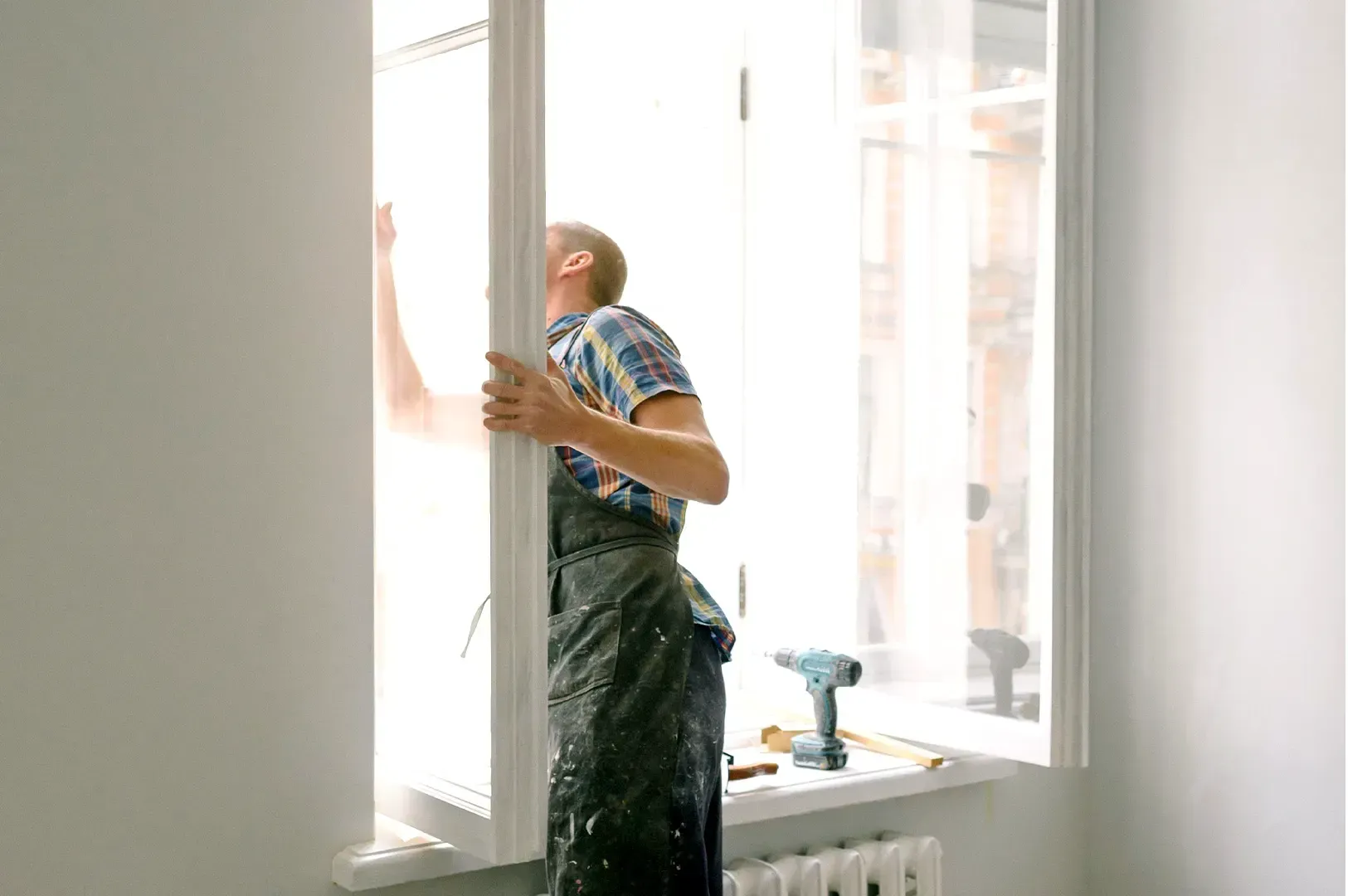
A craftsman meticulously repairing a window frame, representing the themes of timing, deliberate action, and the careful structure found in the ritual of repair and restoration.

I went back the next morning, and this time I approached it the way I approach anything I take seriously. As a ritual, with a shape. I named the harm plainly, and I left my intent out of it entirely. I told her that I had corrected her in front of people, that it was too much, and that it was not the way I wanted her to be treated. I did not explain myself. Explanation is for the person apologizing, not the person owed.

Then I named the cost, because harm always has a price and pretending otherwise is its own small insult. I said I understood it may have made her doubt her standing, that it had cost her some dignity in a room where she wanted to be taken seriously.

I offered something specific. Not a wave of regret, but a repair she could hold. I would correct her privately from then on, and I would say, in the next meeting, in front of the same people, that her work had been sound.

And then I stopped talking. I left room for her pace. She did not have to accept it that morning, or warm to me on my schedule. Forgiveness is not a receipt you are owed the moment you pay.

That is the whole structure, and it is not complicated. Name the harm without defending yourself. Acknowledge what it cost. Offer a repair with edges you can actually deliver. Then wait, quietly, for as long as it takes.


Forgiveness Without Amnesia

The harder craft, I think, sits on the other side. For a long time I believed forgiveness meant forgetting. That you swept the thing away and returned to how it was, as though the break had never happened.

I no longer believe this. Forgiveness is not erasure. It is closer to what a good carpenter does with a joint that has split.

You do not pretend the wood is whole. You clean the break, you fit the pieces with honesty about where they parted, and you let the repair become part of the grain. Polish it, and the mended line still shows if you know to look. It is stronger there, sometimes, precisely because it was tended.

Forgiveness redesigns the relationship rather than restoring it. You keep the memory. You simply decide it will no longer govern the future. The break stays in the grain, and you build on top of it anyway.


Beginning Again, Carefully

There is a moment, after the apology has been made and something has softened, when you have to mark the restart deliberately. Otherwise the wound keeps reopening on its own.

At the tea room, when two of the staff had fallen into a long silence with each other, I did not lecture them. I sat them at a table after close, poured for both, and set one rule. We would not revisit the fight. We would only sit, and drink, and be present in the same room without armor.

That is often all a beginning requires. A single sentence written down that matters more than a page of them. A quiet return to the standard you both once shared. A shared cup with one rule, no relitigating, only presence.

The ritual is not the healing. It is the container the healing is allowed to happen inside.

The Quiet Work That Follows

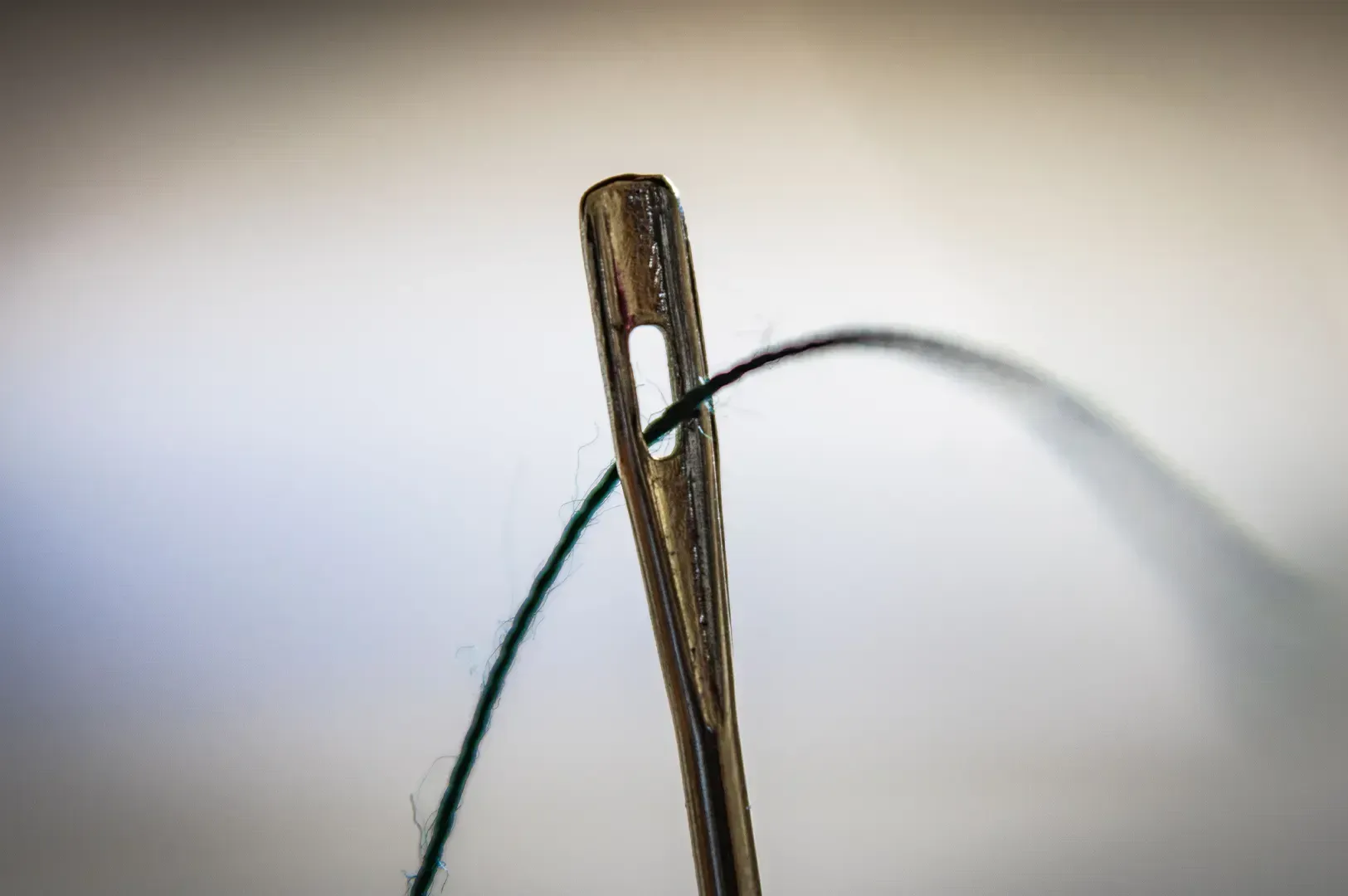
A candid shot of a needle and thread, serving as a poignant symbol for the delicate art of mending, forgiveness, and the precise process of beginning again.

I will not tell you that every repair restores what was there. Some do not. With the analyst, we built something workable, respectful, good. But the ease of before did not fully return. What we made was smaller than what I had broken, and truer for being smaller. More bounded. More honest about its limits.

I have made my peace with that, mostly. The kind that you do even in travelling like I said in this article. But not every mend is invisible. Some relationships come back narrower than they left, and you learn to value the narrow, sturdy thing over the wide, fragile one you remember. This is the part no ritual resolves cleanly, and I have stopped pretending it should.


What Repair Really Is

I think often about that table, the cups squared, the harsh light off. Repair is a form of stewardship. You are not only tending a relationship or a standard. You are tending the future version of yourself who will have to live inside the choices you make now, in the hour after the harm, when it would be easier to say nothing and let the silence harden.

The cloth gets smoothed. The water runs warm. The room is made ready again, not because the break did not happen, but because someone decided to stay and tend it.

That deciding, done quietly, again and again, is the whole of it.

Recent Posts

The cover of Gaston Bachelard's The Poetics of Space, a philosophical classic exploring how architec
By Bay San July 31, 2026
The cover of Gaston Bachelard's The Poetics of Space, a philosophical classic exploring how architecture, intimate rooms, and corners shape human memory, imagination, and the formation of the self.
Minimalist photography of a hand holding a single, taut white rope against a neutral background, rep
By Bay San July 28, 2026
A quiet letter on what it means to make something well when scale is cheap, replication is instant, and care is the only line worth keeping.
A gold statue of Marcus Aurelius, symbolizing the Stoic focus on personal control, quiet duty, and t
By Bay San July 24, 2026
A practitioner reads Marcus Aurelius in a hard season, on control, quiet duty, and where Stoic composure quietly fails the people around us.
A close-up of a chef at an omakase meticulously preparing sushi rolls, highlighting the precision, c
By Bay San July 23, 2026
A quiet look at how builders communicate the value that numbers miss through standards, craft, and the discipline of restraint.
A stark, dramatic silhouette of a person walking past a shuttered shopfront, symbolizing the contemp
By Bay San July 21, 2026
A reflection on wandering as disciplined attention, and how modern cities reveal themselves to those who move slowly but with intent.
Book cover for In Praise of Shadows by Jun'ichirō Tanizaki, illuminated by a stark, contrasting beam
By Bay San July 17, 2026
Tanizaki makes the case for shadow over brightness, and why restraint, patina, and dim light create the atmosphere that clarity destroys.
A focused chef working in a quiet, warmly lit kitchen, symbolizing the pursuit of mastery and how su
By Bay San July 16, 2026
A reflection on how the people we keep quietly calibrate our standards, and why the right company tunes a life rather than filling it.
The book cover of
By Bay San July 15, 2026
Roman Krznaric reframes legacy as cathedral time: building for people you will never meet, and the quiet discipline of the long view.
A minimalist, warm-toned close-up of a simple ceramic tea cup on a table, symbolizing the quiet beau
By Bay San July 14, 2026
A reflection on how imperfection reveals the real, and why the human traces in craft and work are the quiet evidence of authenticity.
A notebook and pen resting on a dark desk, symbolizing the reflective and intentional planning requi
By Bay San July 9, 2026
A quiet letter to young founders on speed, standards, and the slow work of building something worth keeping at the beginning of the journey.
Show More