


Compounding Reputation: How Trust Becomes an Asset
A guest came back to the omakase restaurant after three years away. He sat, looked around at the wood we had oiled a hundred times since he last saw it, and asked only one thing before the first course. "Are you still the same?"
Not the menu. Not the price. Just that.
I told him yes, and he settled into his seat the way a person settles into a chair they already trust. He did not ask for reassurance again. The room had already answered him.
That is the thing about reputation.
By the time someone feels it, you are no longer building it. You are living off it.
The Boring Middle
Nobody sees reputation being made. It happens in the stretches no one photographs. The Tuesday when the rice is checked with the same care as a Saturday. The email answered at the end of a long day with the attention you gave the first one that morning. The small promise kept when breaking it would have cost nothing and no one would have known.
Trust does not arrive in a single gesture. It gathers, quietly, in the moments that feel too small to matter. A hundred of them. A thousand. Each one almost invisible on its own.
The compounding is real, but it is slow, and it is boring. That is precisely why so few see it through.
The Day It Became an Asset
I understood it fully only once, years ago, after a mistake.
At the consulting firm, we got something wrong for a client. Not catastrophically, but clearly. My instinct, the young one, wanted to soften it, to manage the story. Instead we told them plainly, before they found out on their own, and we fixed it at our own cost.
I expected to lose them. They stayed for another decade.
Later,
the referrals began arriving without a pitch. People I had never met, calling because someone they trusted had said a single sentence about us. I had not paid for that. I had not asked for it. It had accrued, quietly, while I was busy doing the work. That was the moment I stopped thinking of reputation as a feeling and started seeing it for what it was.
An asset on the balance sheet in everything but name.
Standards, Not Slogans
Across the businesses, some things never move. The way people are trained. The response time. The discretion. The threshold below which the craft will not go, no matter what the month looks like. These are the same at the academy, the omakase counter, the tea room, and every building in the portfolio. They do not flex with mood or momentum.
And some things are meant to change. The format of a program. The details of a menu. The cadence of how we grow, or whether we grow at all. The error is confusing the two. You can change almost anything on the surface if the thing underneath stays true. Lower the standard, though, even slightly, even once, and the surface will not save you.
Two Rooms, One Principle
Trust looks different depending on where you earn it.
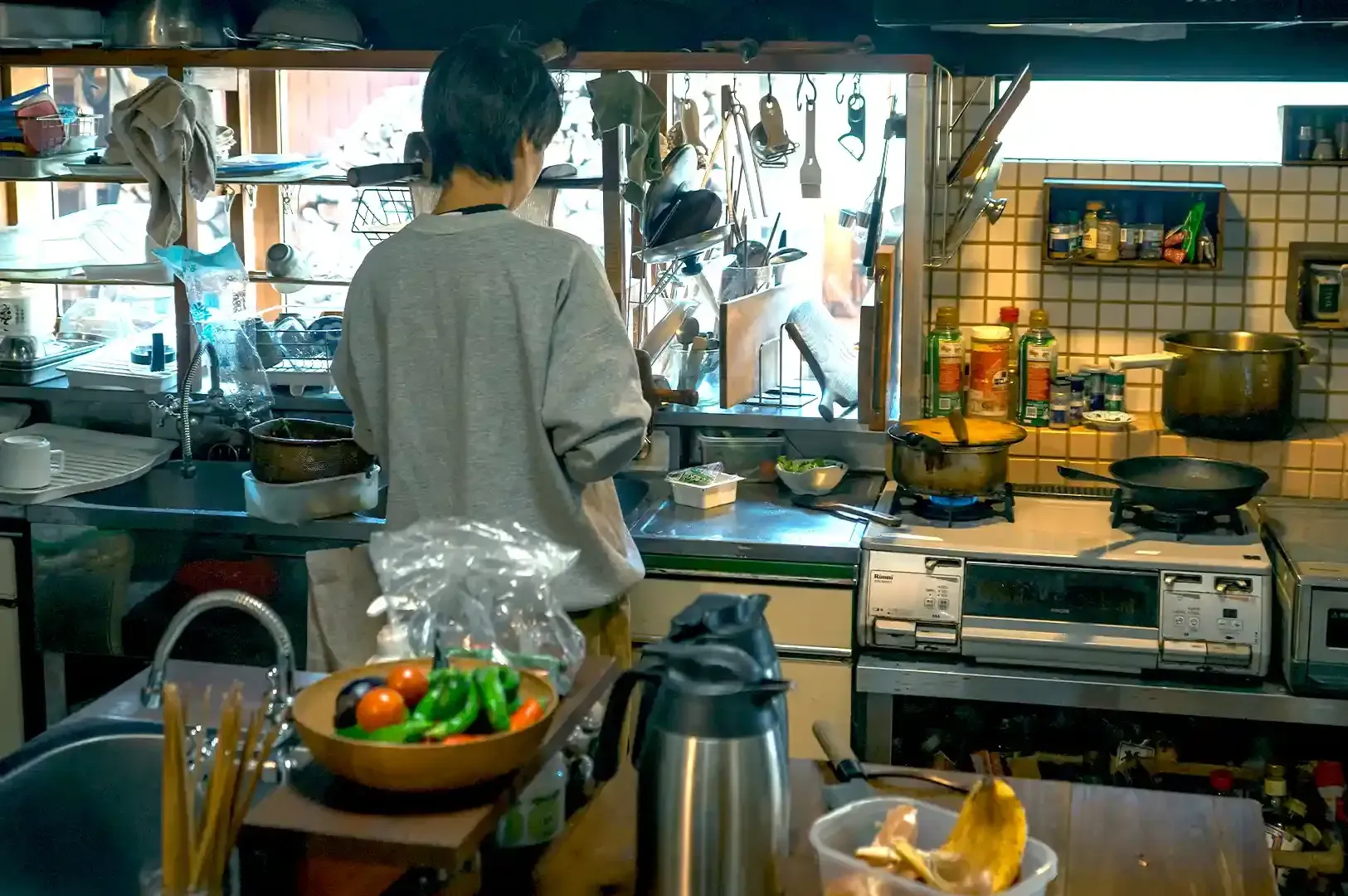
In the kitchen it is choreography. Quick, exact, unspoken. A cook reaches for a plate the moment before it is needed, and the guest never notices the timing, only the ease. The trust lives in the speed of small correct motions, repeated until they no longer need thought.
In property it is the opposite tempo. A long tenant conversation handled without haste. A roofline checked before winter. A repair made this year for a problem that will not surface for five. Nobody is watching, and the reward arrives, if it arrives, long after the work is done.
One is fast, one is patient. Both are the same act. Someone holding a standard when the shortcut was available and the room was empty.
How It Erodes

Reputation is rarely lost in one dramatic failure.
It leaks. Through small carelessness that accumulates the way trust does, only in reverse. An overpromise here. A rushed reply there. A standard let slide because the week was hard. A transparency performed rather than practiced.
None of it feels fatal in the moment. That is what makes it dangerous. You do not notice the account draining until a guest asks whether you are still the same, and you hesitate before answering.
The same slowness that builds it will unbuild it, quietly, if you let it.
A Private Note
Reputation is the longest game I know.
It cannot be bought, only kept. It pays out years after the work that earned it, to people you may never meet, in rooms you will not be standing in. It is a form of wealth that does not show up in any quarter, and it outlasts every mood and every momentum you were tempted to trade it for.
The guest asked if I was still the same. I have thought about that question ever since.
I hope, when it is asked again,
the room still answers before I do.