

The Language of Value: Communicating What Can't Be Quantified
There is a moment at the omakase counter that no ledger will ever hold. The chef has the fish in his hand. The rice is warm, seasoned, waiting. And for a breath, maybe two, he does nothing. He looks at the piece the way you look at something you are responsible for. Then his hands move, and the thing is done.
I have watched this for years. The pause is the part I trust most.
No guest orders it. No menu lists it. But it is the reason the room feels the way it does, quiet and exact, like a held note. That pause is value. And value of that kind does not announce itself. It waits to be noticed.
The Problem With Numbers
Numbers are honest, as far as they go. They just do not go very far. There was a season at the consulting firm when every measure looked healthy. Revenue held. Retention held. The reports were clean, and I remember feeling a small unease I could not name.
Then a senior person left. Quietly, without drama. In the conversation before she went, she said the work had started to feel like output. Not craft. Just output. The numbers had told me nothing was wrong. She told me everything that was. The pride had thinned somewhere, and pride does not show up on a spreadsheet until long after it has gone.
I have
never fully trusted a healthy report since. I ask what it is not showing me.
The Languages of Value
If you cannot count these things, you have to learn to speak them another way. Not in vague poetry. In something more precise than that.
- Standards are the first language. They are what you refuse, plainly. Early on, a property came to us, a beautiful building in the wrong hands, and the money made sense. But the buyer wanted to gut something in it that gave the place its whole character. We declined. The decision cost us. It also told everyone watching exactly who we were, without a word of explanation.
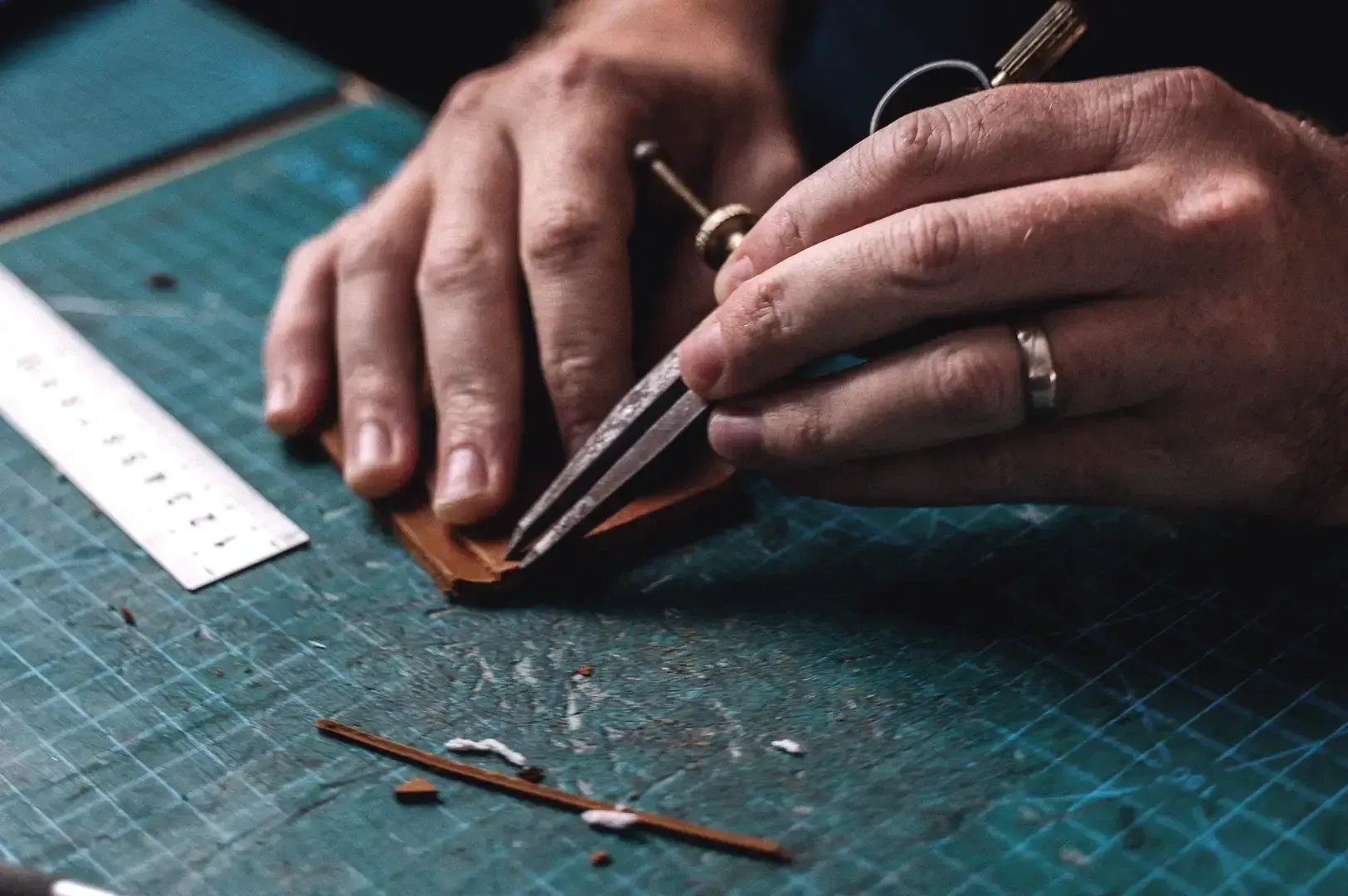
- Craft is the second. It is what you repeat until it becomes invisible. The rice at the omakase restaurant never changed. Its temperature, its seasoning, the moment it met the hand. Guests rarely noticed it directly. They only felt that something underneath was steady, and they came back for the steadiness.
- Attention is the third. It is what you give when no one is keeping score. At the academy, I learned to trust the instructors who reset a room properly at the end of a long day, after the students had gone. No one would ever know. That was the point.
- Training is the fourth. It is what you insist people learn before they are allowed to lead. You cannot shortcut it, and the shortcut always shows.
- Restraint is the last, and the hardest. It is what you choose not to say, not to sell, not to promise. There is a kind of quiet that tells the right person you are serious, precisely because you did not fill the silence.
Two Rooms, Two Kinds of Value
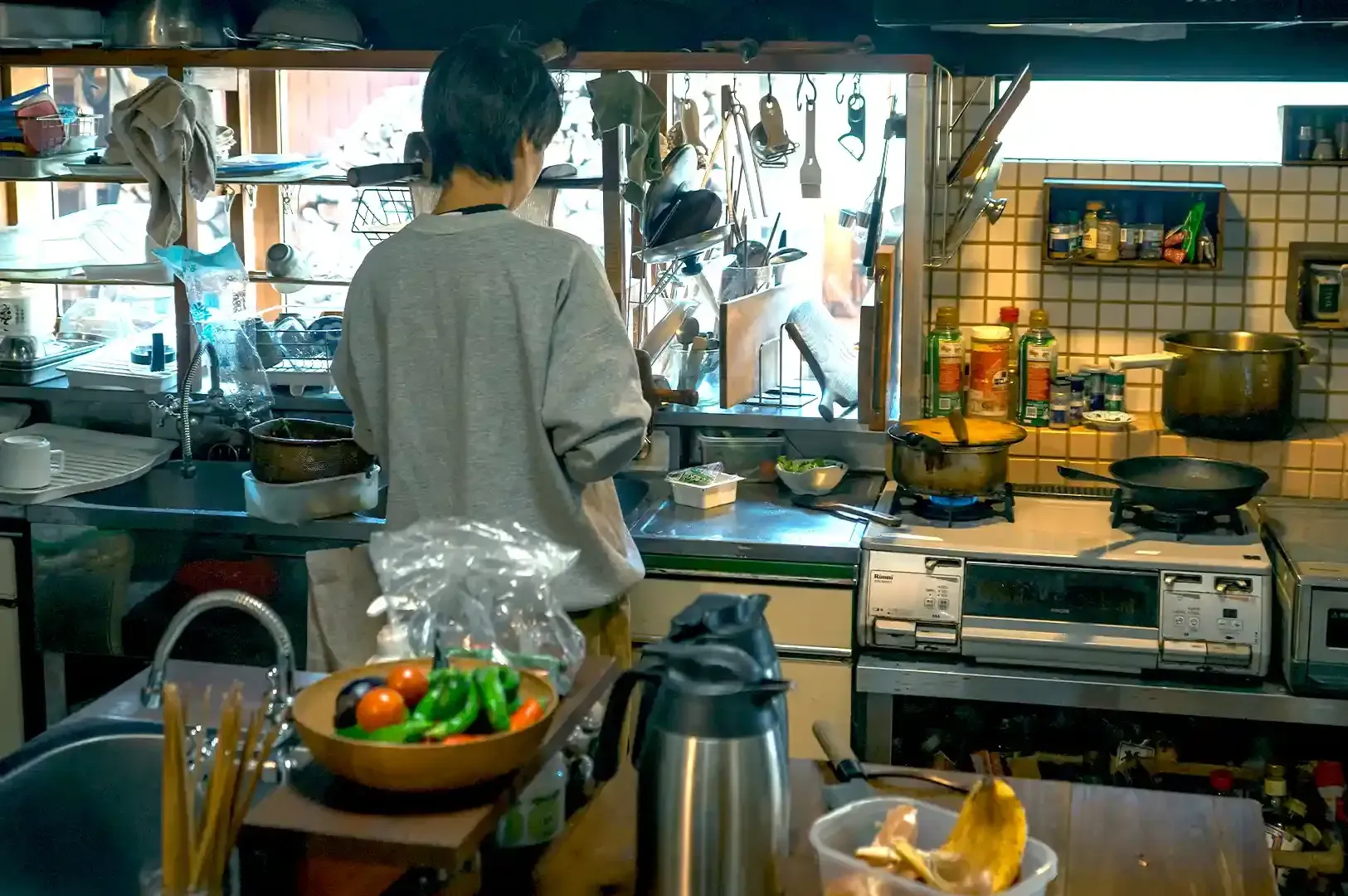
Late one night in Japan, I ate a bowl at a counter that seated six. The cook barely spoke. Speed lived in his hands, and the value was in the warmth of it, arriving fast and asking nothing of me. Comfort, delivered without ceremony.
Months later, in a quiet tea room, everything slowed. The water was watched. The pour was measured to the half-second. The value there was patience, and precision, and the small sound of porcelain set down with care. One room warmed me. The other sharpened me. Neither could be reduced to a figure, and both stayed with me longer than the price of either.
Speed and patience. Comfort and exactness. The same thing, spoken in two dialects.
What Holds, What Moves

Building over decades taught me one lesson I keep returning to. There are things that must never move, and things that are meant to. The craft holds. The rituals hold. The training holds. These are the essence, and to let them drift is a quiet betrayal of everyone who trusted the place.
The mistake is confusing the two. Clinging to a preference because it feels like loyalty is how good work grows brittle. In communication it works the same way. You keep the essence exact and let the expression breathe. The way you describe the work can evolve with the years. What the work actually is must not.
A craftsperson once told me something I have never let go of. He said, of a chef he admired, that the man cooked as though someone he respected were always about to walk in. No number could carry that sentence. It said more than any figure could.
What the Right People Already Know
I think often about the clients who never needed persuading. They walked into the room, felt the standard in the air, and understood it before I said a word. They did not ask for proof. They recognized the thing, the way you recognize honest work when you see it, and the negotiation that followed was almost a formality.
Those are the ones worth building for. Value, in the end, is understood first through atmosphere, through the pause before the rice, through the room reset when no one is watching. The explanation comes later, if it comes at all.
Mostly it does not need to. The broth says what the menu cannot.