
The Myth of Balance: Designing a Life With Seasons
It is not yet five, and the omakase restaurant is dark except for one low lamp above the counter.
I am here early, not because anyone asked, but because there is a stretch of weeks each year when this room asks more of me than anything else, and I have learned to give it that rather than pretend otherwise.
The cedar is cold under my hand. Somewhere a compressor hums. Outside, the street is still, the last of the night holding on.
This is
imbalance, and I have chosen it on purpose. My days right now are tilted hard toward one thing. I do not feel guilty about it. I feel, if anything, relieved to have stopped pretending I could hold everything level at once.
Balance Is the Wrong Shape
We are sold balance as a daily posture. A little work, a little rest, a little of everyone we love, portioned out evenly before sunset. It sounds humane. In practice it produces a life where nothing is ever given enough to become real.
I have come to think of balance not as a day but as an architecture. Something measured across a year, sometimes across several. The evenness lives in the whole, not in the hours.
Seasons make more sense to me than balance ever did.
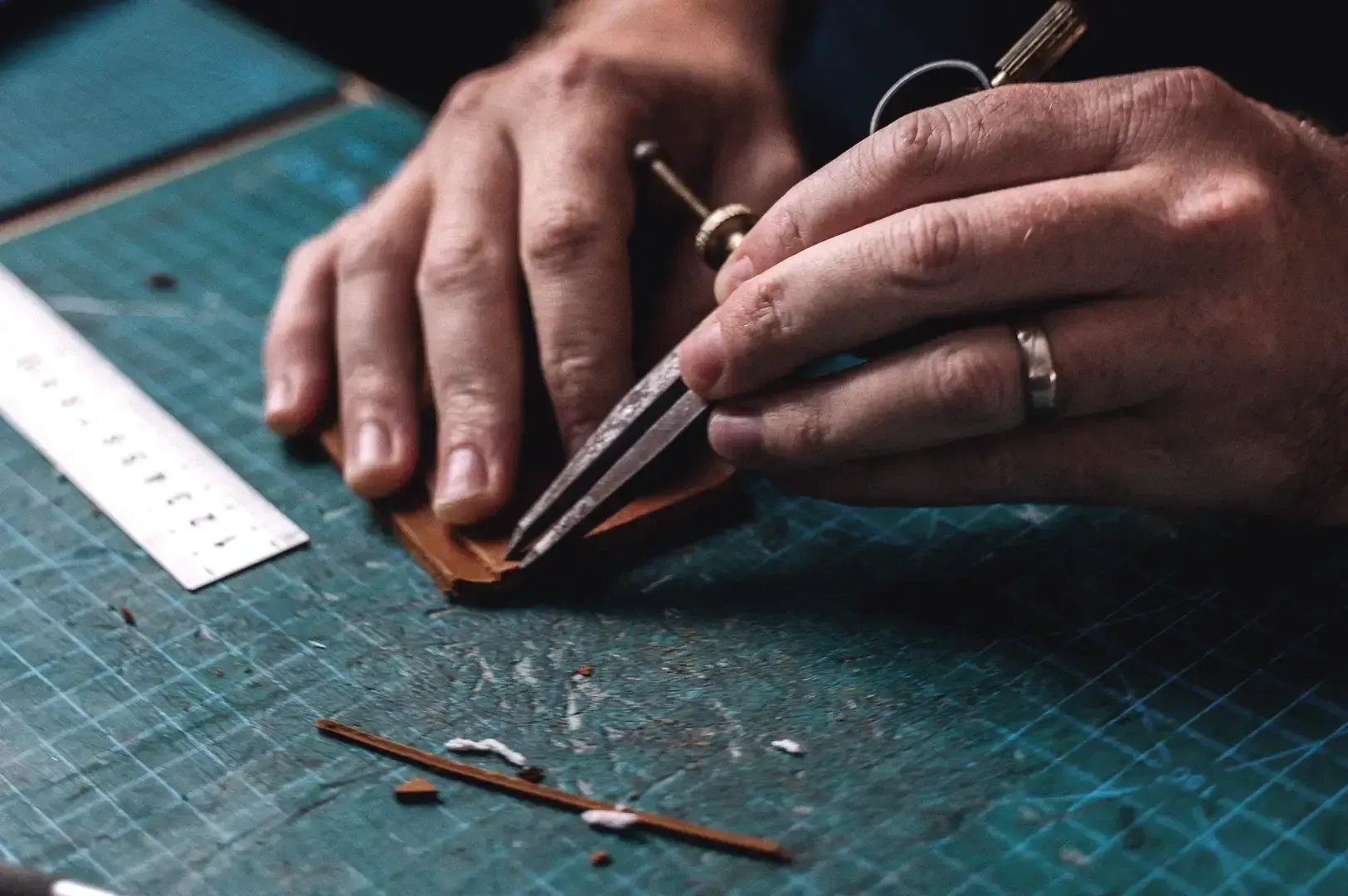
There is a Building season, when one thing consumes almost everything. Scaling the academy took years like this. It requires obsession and forbids dabbling. You cannot build and hedge at the same time.
There is a Refining season, quieter, where you touch what already exists and make it truer. Less fish, held to a higher standard. Fewer clients at the consulting firm, served more deeply.
There is a Listening season, when you stop producing and simply pay attention. Walking the alpine property in the off months, noticing what the winter did to the roofline. It forbids the reflex to act.
And there is a Restoring season, which asks only that you stop, and forbids the guilt that usually follows stopping.
The Cost of the Level Line

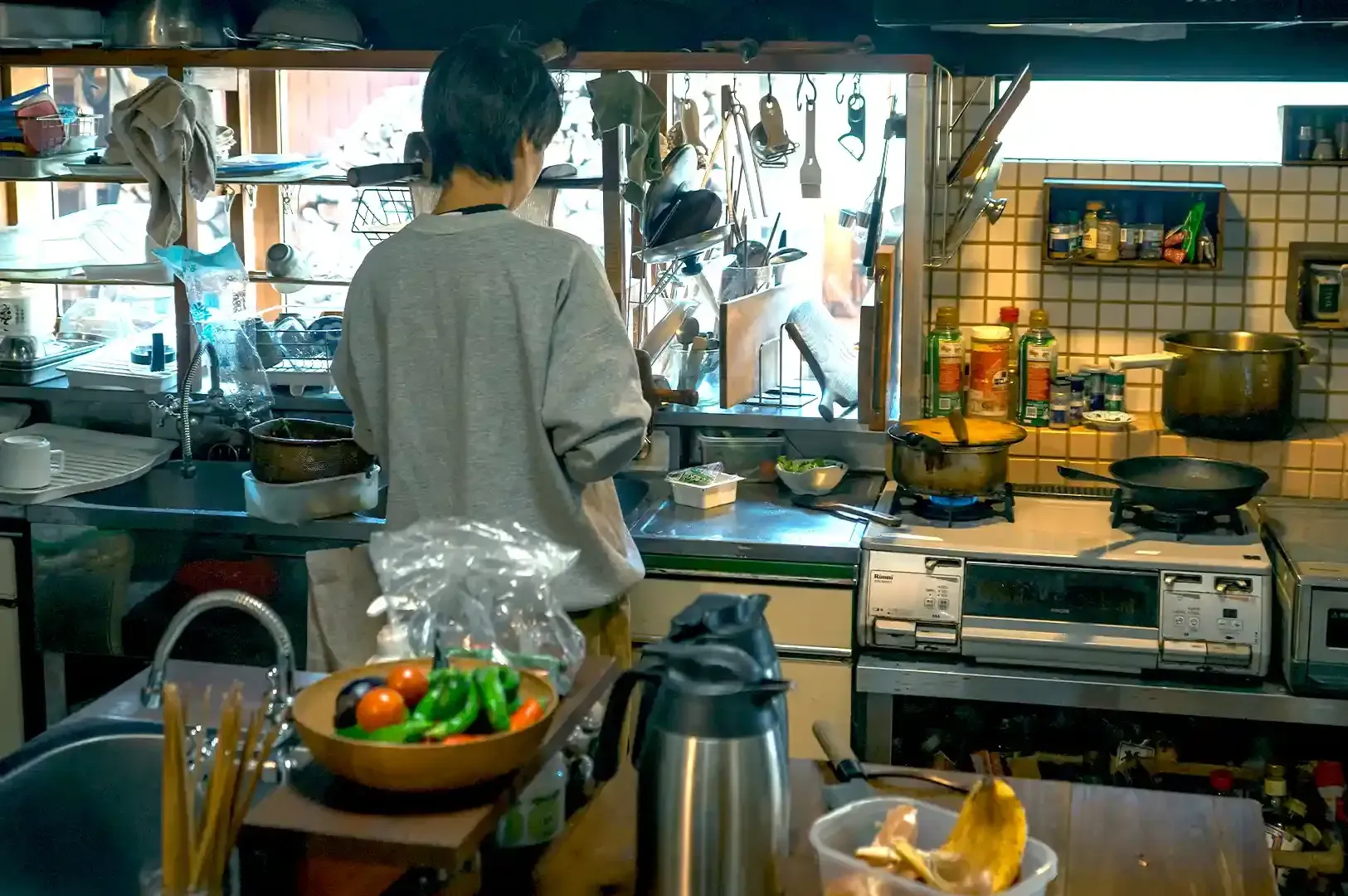
For a long time I tried to keep all of these open at once. I would build in the morning, refine in the afternoon, restore in the evening, and do none of them well. The restaurant got the version of me that was still thinking about the academy. The academy got the version already worrying about a building in Japan.
There is a particular fatigue that comes from this. Not the clean tiredness of hard work, but the low static of always being slightly elsewhere. Everything received a portion. Nothing received a presence.
The busyness looked responsible. It was, quietly, a way of avoiding the harder decision of what this stretch of life was actually for.
Choosing the Season
So now I choose one. Every eight to twelve weeks, I name a primary season. Just one. The thing that gets the mornings, the best attention, the first hour before anyone else is awake.
Around it, I decide what gets protected no matter what. Certain standards do not move with the season. The way the rice is checked. The people I answer the same day. A dinner at home I do not miss.
Then I decide, without shame, what gets less. During a Building season, the tea room runs on its rituals without me hovering. During a Restoring one, the ambition simply waits. It does not vanish. It waits, and it is patient in a way I once was not.
Between seasons, I leave a small bridge. A quiet review. A walk. A single evening where I ask what the last stretch was really for, and what the next one is asking of me. The bridges matter more than the seasons. They are where the honesty happens.
What the Garden Knows
A garden is never balanced. In spring it is all growth, unruly and forward. In autumn it lets things fall and does not apologize. Winter looks like nothing is happening, though everything underground is deciding what comes next.
No season is the whole garden. Each is only its turn.
The light is coming up now over the counter. In an hour the first knife will be laid down, and this season will ask for everything again, and I will give it, gladly, knowing it will not always ask.