
Wine, Terroir, and Time: Understanding Place Through Taste

Bay San • August 19, 2026
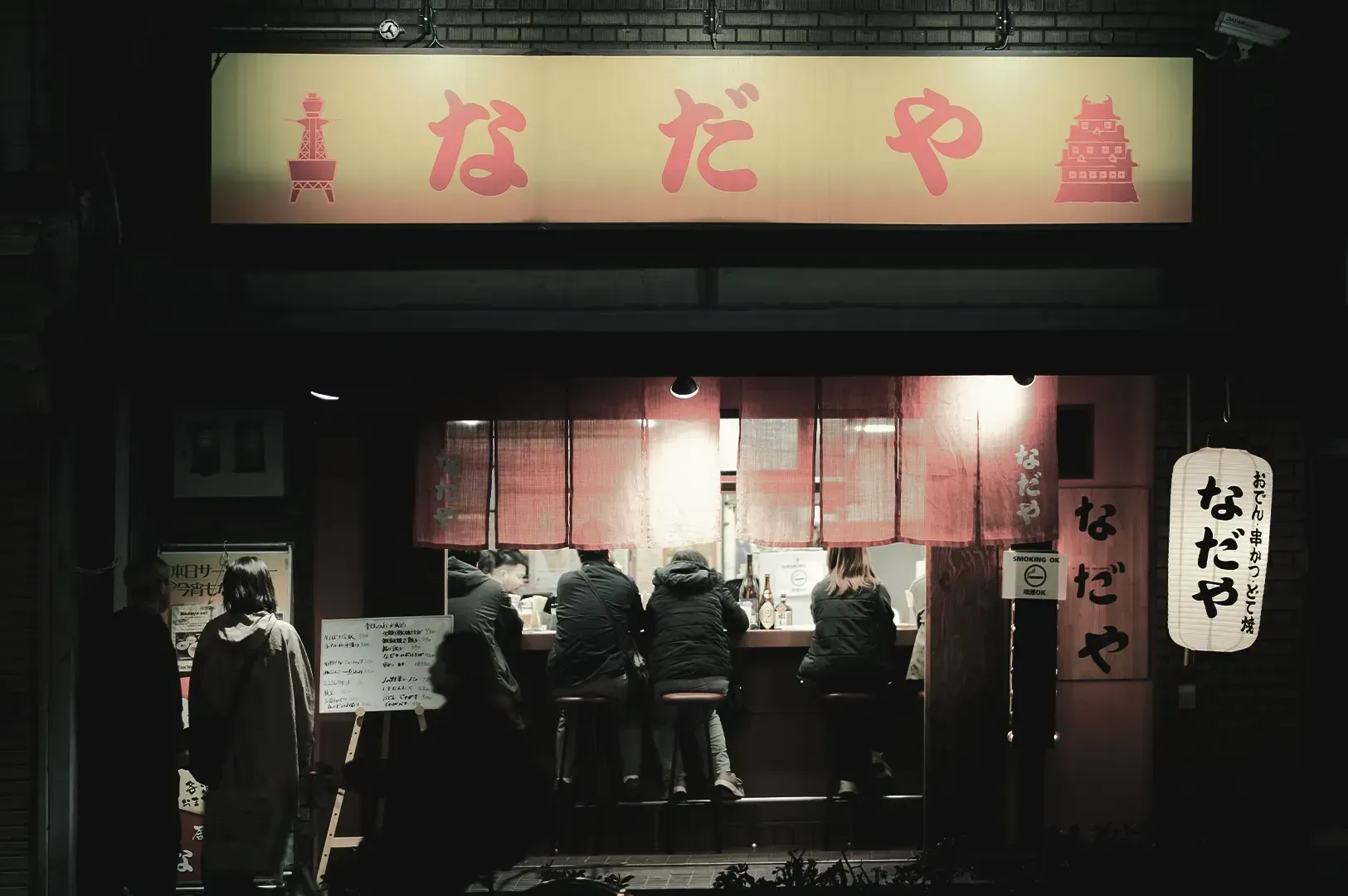
A cozy Japanese izakaya at night with patrons seated at the counter, highlighting how local sounds and social spaces turn strangers into a sense of belonging.

The last guest has gone, and the dining counter is quiet in the way only a room that has been busy can be.

I pour a small glass for myself. The wine is a shade cooler than the room, and it beads faintly on the outside of the bowl. I do not drink yet. I let it sit, the way you let bread rest, and I lean in to the scent.

There is a smell of stone in it. Something a little wild underneath, like a hillside after rain.

Outside, a light drizzle taps the window. The kitchen hums as the last surfaces are wiped down. And in the glass, quietly, is a place I have never been.


Terroir Is a Conversation, Not a Formula

People like to reduce terroir to soil. It is a tidier idea that way, easier to sell.

But the wine in my hand is not simply the taste of dirt. It is the taste of a slope that faced the morning sun and not the afternoon glare. The wind that dried the grapes and kept the rot away. The maritime air that crept in at night and slowed everything down.

And it is the taste of restraint. Someone decided when to pick. Someone chose not to intervene, to let the fruit speak rather than the cellar. Someone left the wine alone long enough for it to become itself.

That is the part we forget. Terroir is not the land talking to us. It is the land and a pair of patient hands, in conversation, over many years.

The best of it happens through subtraction. Not what was added, but what was withheld.

Time, in Three Movements

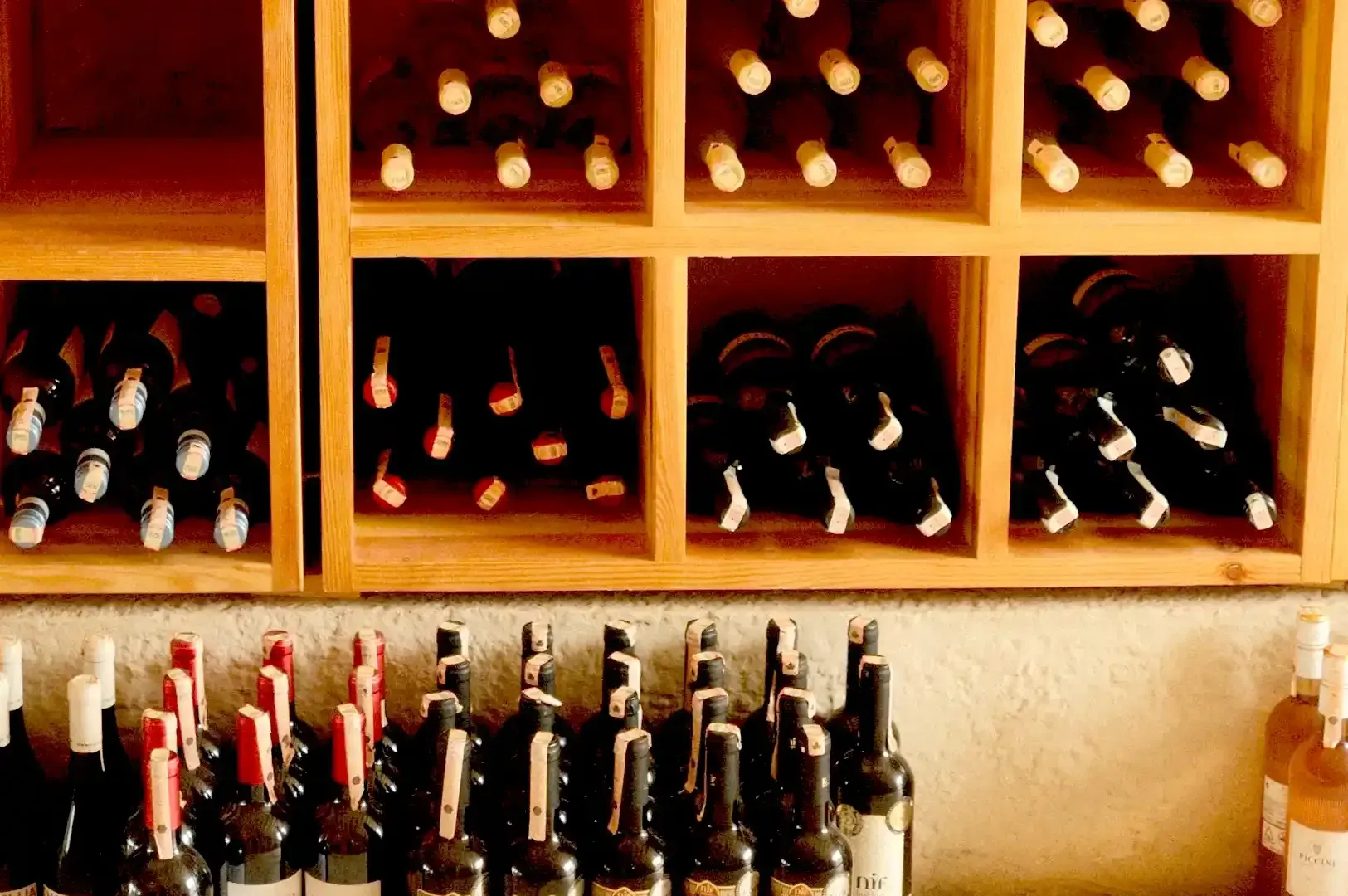
A wooden wine rack filled with neatly organized bottles of red and white wine, showcasing a collection built on restraint and aging.

The hidden ingredient in every glass is time, and it works in more ways than one.

First, there is the year itself. A wet spring, a scorching August, a gentle autumn that let the fruit hang a little longer. A vintage is simply weather you can taste. One year makes a wine tense and bright. The next makes it round and warm. The vines do not argue with the sky. They record it.

Then there is aging. The slow work that happens in the dark, in barrel and bottle, where oxygen enters in the smallest measure and edges soften. Sharp things become gentle. A wine opened too soon can be all elbows. Given years, it learns grace. Patience is not a virtue here. It is a technique.

And then there is a longer time, harder to name. The memory of a region. The grape a grandfather planted because his grandfather did. The way a village decided, generations ago, that this was how things would be done, and then simply kept doing them.

You taste all three at once. A single year, a slow evolution, and a long inheritance, folded into one mouthful.


Two Places in a Glass

Some wines are places you can almost walk through. There is one I return to that grows on volcanic ground. It tastes tense, mineral, faintly of smoke and ash and something coiled. Drinking it, I picture black soil and steep terraces, thin air, a landscape that does not give much away. The wine is austere in the way certain mountains are austere. It asks you to meet it partway.

Then there is another, grown near the sea in a warmer country. This one is generous. Ripe fruit, sunlight held in the glass, a softness that arrives without being asked. Where the first wine was a locked door, this one is a table already set. I picture wide hills, long light, an ease in the air.

Neither is better. They are two honest answers to two different questions the land was asked.

The old-world wine holds back. It has learned, over centuries, that restraint lasts longer than display. The new-world wine offers itself freely, unburdened by so much history. One whispers. One welcomes. Both are true.

What the Vine Taught Me About Building

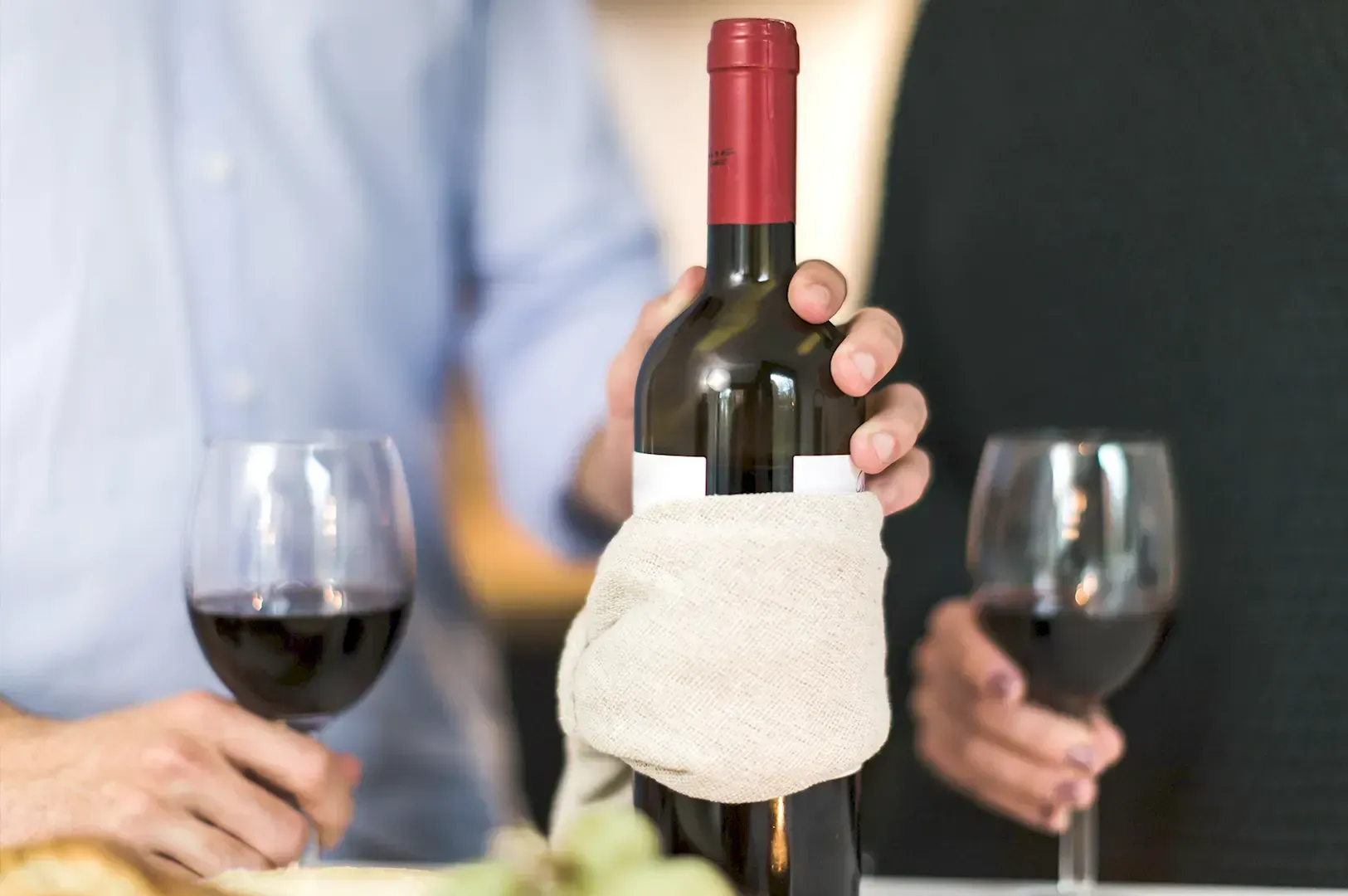
A person holding a bottle of red wine wrapped in a cloth napkin, flanked by two filled wine glasses, capturing a quiet moment of wine appreciation and taste.

I have spent a long time building things that were meant to last, and wine has quietly taught me more about that work than most books on it.

The lesson is always the same. Mastery is subtraction.

At the counter, the temptation is to add. Another course, another flourish, another thing to prove you are trying. The harder discipline is to take away until only what matters remains. To trust a single ingredient at its peak more than five ingredients competing.

Terroir works the same way. The great wines are not the busiest ones. They are the ones faithful to their constraints, to the slope and the season and the grape that belongs there, refusing to be everywhere and everything.

I have watched people try to build without constraint, sourcing from anywhere, chasing every trend, and the result is always the same. Competent, and forgettable. Placeless.

The things that endure keep faith with their limits. A wine that could only have come from one hillside. A room that could only exist in one city. A standard held not because it is easy, but because loosening it would quietly cost you the soul of the thing.

You cannot fake a place. You can only tend it, over years, and let it become what it already was.


A Kind of Travel That Asks Only Attention

I finish the glass slowly. The rain has thinned to almost nothing.

I have not moved from this stool, and yet I have been somewhere. A hillside I will likely never stand on. A year of weather that fell before I thought to notice. The quiet decisions of people whose names I will never know, who chose to leave the wine alone.

That is the strange gift of it. Taste is a way of traveling that asks nothing of you but your attention. No airport, no map. Only stillness, and the willingness to notice what is already in the glass.

The room is dark now. I rinse the glass and set it to dry.

Somewhere, the vines are already deciding what next year will taste like.

For more on my views and perspective on restraint, check out The Architecture of Empty Space and Rituals of Repair: How We Apologize, Forgive, and Begin Again.

Recent Posts

The hardcover book 'The Timeless Way of Building' by Christopher Alexander resting on a dark wooden
By Bay San August 28, 2026
A builder reads Christopher Alexander on why "aliveness" is a discipline, not a style, and what actually lasts after the founder is gone.
A grand classical colonnade with towering stone pillars representing periods of structural intensity
By Bay San August 27, 2026
Balance is a comforting myth. A well-designed life moves in seasons: periods of intensity, craft, and restoration, chosen with intent.
A chef carefully mixing seasoned rice in a traditional wooden hangiri tub, illustrating the patient
By Bay San August 25, 2026
On learning a tradition deeply enough to bend it with care, where innovation becomes stewardship, not rebellion.
A hardcover copy of The Book of Tea by Kakuzō Okakura resting on a wooden surface, illustrating the
By Bay San August 21, 2026
Okakura’s tea philosophy is really a discipline of attention, an argument that taste, restraint, and ritual are forms of power.
An exterior view of an exposed timber-framed roof structure under construction against a mountain an
By Bay San August 20, 2026
On the quiet erosion of standards, and the moments when holding the line costs less than giving in.
The book cover of The Taste of Place: A Cultural Journey Into Terroir by Amy B. Trubek, resting on a
By Bay San August 14, 2026
A reflection on how place shapes taste, and what terroir teaches builders about craft, identity, and protecting quality in a placeless age.
A cup of black coffee on a white marble table at an outdoor cafe, symbolizing quiet reflection on en
By Bay San August 13, 2026
A quiet essay on envy as information, not failing, and how naming desire and returning to craft turns comparison into a compass.
An empty meeting room with rows of wooden desks and black office chairs facing a large digital scree
By Bay San August 11, 2026
A quiet reflection on how our instruments, the knife, the stone, the checklist, reveal impatience and ego, and teach us how to practice.
The Scout Mindset book by Julia Galef resting on a flat surface, illustrating why truth-seeking beat
By Bay San August 10, 2026
A practitioner reads Julia Galef on why truth-seeking beats ego in leadership, and where seeing clearly gets hardest under real pressure.
A chef in white uniform carefully prepping food behind a counter, embodying values of precision and
By Bay San August 7, 2026
Why values sit upstream of strategy, and how culture is built through small, invisible repetitions long before the product impresses anyone.
Show More