

The Cost of Compromise: When to Hold the Line

Bay San • August 20, 2026

It was a hairline crack in the render, no wider than a thread, running from the corner of a window frame on the second floor of the Japan property.

The surveyor waved it off. Settlement, he said. Cosmetic. Nothing that would trouble the sale.

I stood in the cold hallway and looked at it longer than the moment seemed to deserve. The building smelled of old cedar and dust that had not been disturbed in years. Outside, snow was starting, the quiet kind that falls straight down.

He was probably right. That was the trouble. He was probably right, and I still felt something tighten low in my chest, the way you feel a wrong note before you can name it.

A crack like that is rarely just a crack. It is a question the building is asking. Where is the water going. What is moving underneath. What did someone decide not to look at, years ago, because it was small.

I did not say anything sharp. I simply asked for the wall to be opened.


The Slow Trade

Compromise is not the enemy. I want to be clear about that before anything else.

I have built nothing lasting without it. You bend on the paint colour to keep the opening date. You accept a supplier's substitute for one week because the alternative is an empty shelf. You let a good idea go because a better one needs the room. This is simply how work gets done.

The danger is not compromise. It is the compromise you stop examining.

There is a kind of flexibility that keeps you alive. You adapt to the season, the market, the person in front of you, and none of it touches the thing you actually are. Your standards hold. Your reasons hold. Only the surface moves.

And there is another kind that looks identical in the moment. A small yielding. A this once. It costs almost nothing the first time, which is exactly why it is dangerous. The second time is easier. The third is a habit. By the tenth you are no longer the person who made the first decision, and you cannot point to the day you changed.

That is the slow trade. Self for speed, one small transaction at a time, each too minor to notice.

Then there is a third posture, the hardest to hold. Strategic patience. Holding the line without drama, without a speech, without needing anyone to witness it. You simply wait, or you simply refuse, and you carry the cost quietly because the cost of the alternative is worse and further away.

Most people can tell these apart in hindsight. The work is telling them apart in the moment, when the pressure is real and the reward for folding is immediate.

Three Rooms Where the Line Appeared

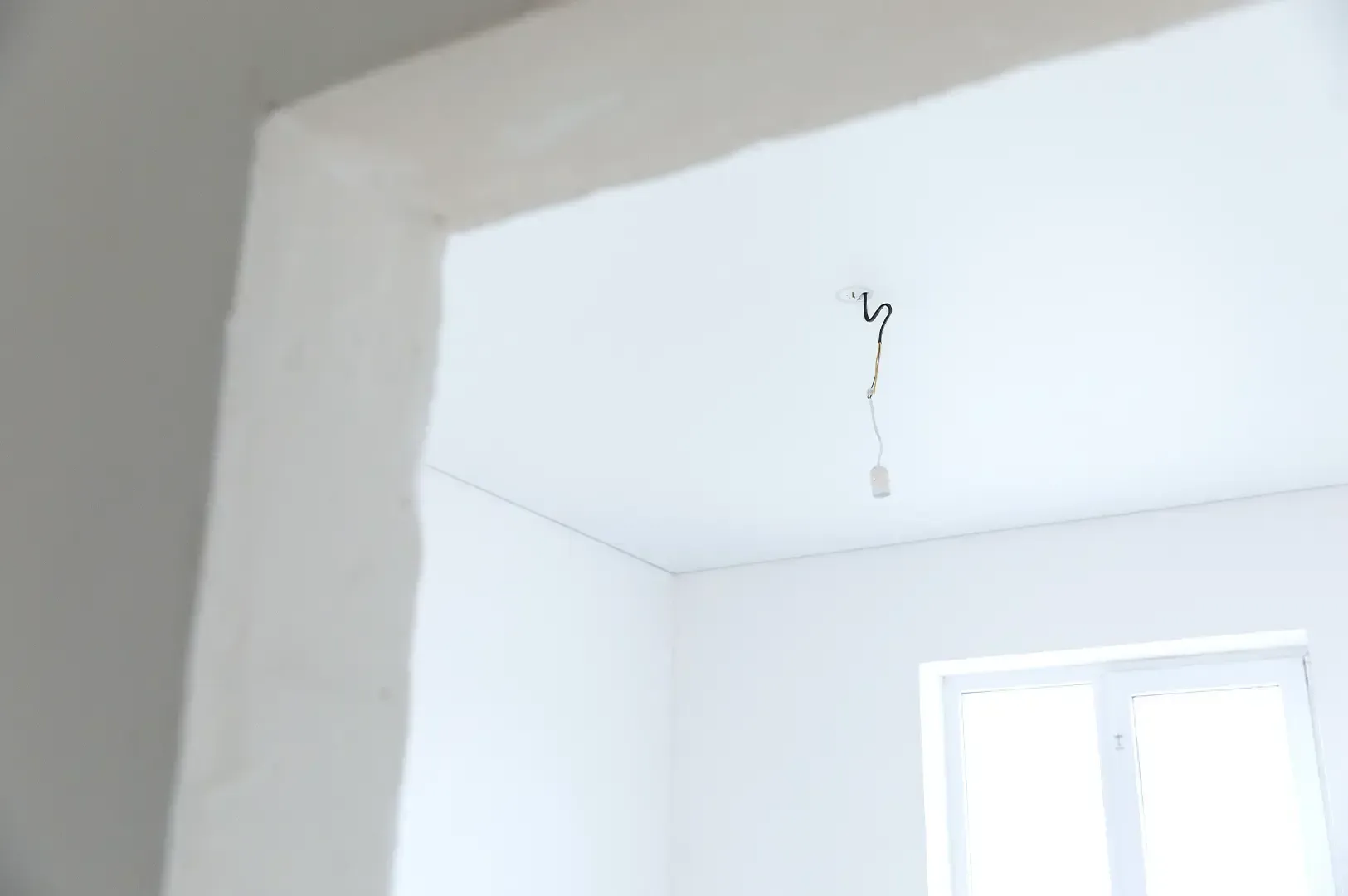
A minimalist white room in construction with a single bare light bulb hanging from the ceiling, symbolizing uncompromised simplicity and the foundational discipline of keeping standards intact.

The Client Who Wanted It Faster

Early in the life of the consulting firm, a client asked us to shorten a programme. They were not unreasonable. They wanted results sooner, and they were willing to pay for the urgency. The request was simple. Cut the assessment period. Trust the process less. Deliver the outcome they could show their own stakeholders by a certain date.

I understood the pressure they were under. I have been under it myself.

But the assessment was not padding. It was the part that made the rest work. Remove it and we would still deliver something. It would carry our name. It would look, from the outside, like the thing we did. And it would quietly not be the thing we did.

I told them no, and I offered to help them find someone who could meet the timeline instead.

We lost the account. For a season that hurt, because we were small and the account was not. But the people who stayed with us stayed because the programme worked, and it worked because we had never once shortened the part that mattered. You cannot sell a standard and rent it out at the same time.

The Fish No One Would Question

At the omakase restaurant, a supplier offered us a substitute one winter when the usual catch was thin. It was not bad fish. I want to be honest about that. It was good, honest fish, a grade below what we served, at a price that would have quietly widened a difficult month. On the plate, dressed and served, almost no guest would have known.

That phrase is the whole problem. Almost no guest would have known.

The chef would have known. I would have known. And the standard, which something My Quiet Empire knows well, which lives nowhere except in the daily choice to keep it, would have known too.

We took fewer covers that month instead. We shortened the counter rather than lower it. It was the more expensive decision by every measure a spreadsheet can hold, and the cheaper one by every measure it cannot.

The staff watched that choice. They always do. You cannot ask people to hold a line you have quietly stepped over when the month got hard.

The Deal That Was Perfect on Paper

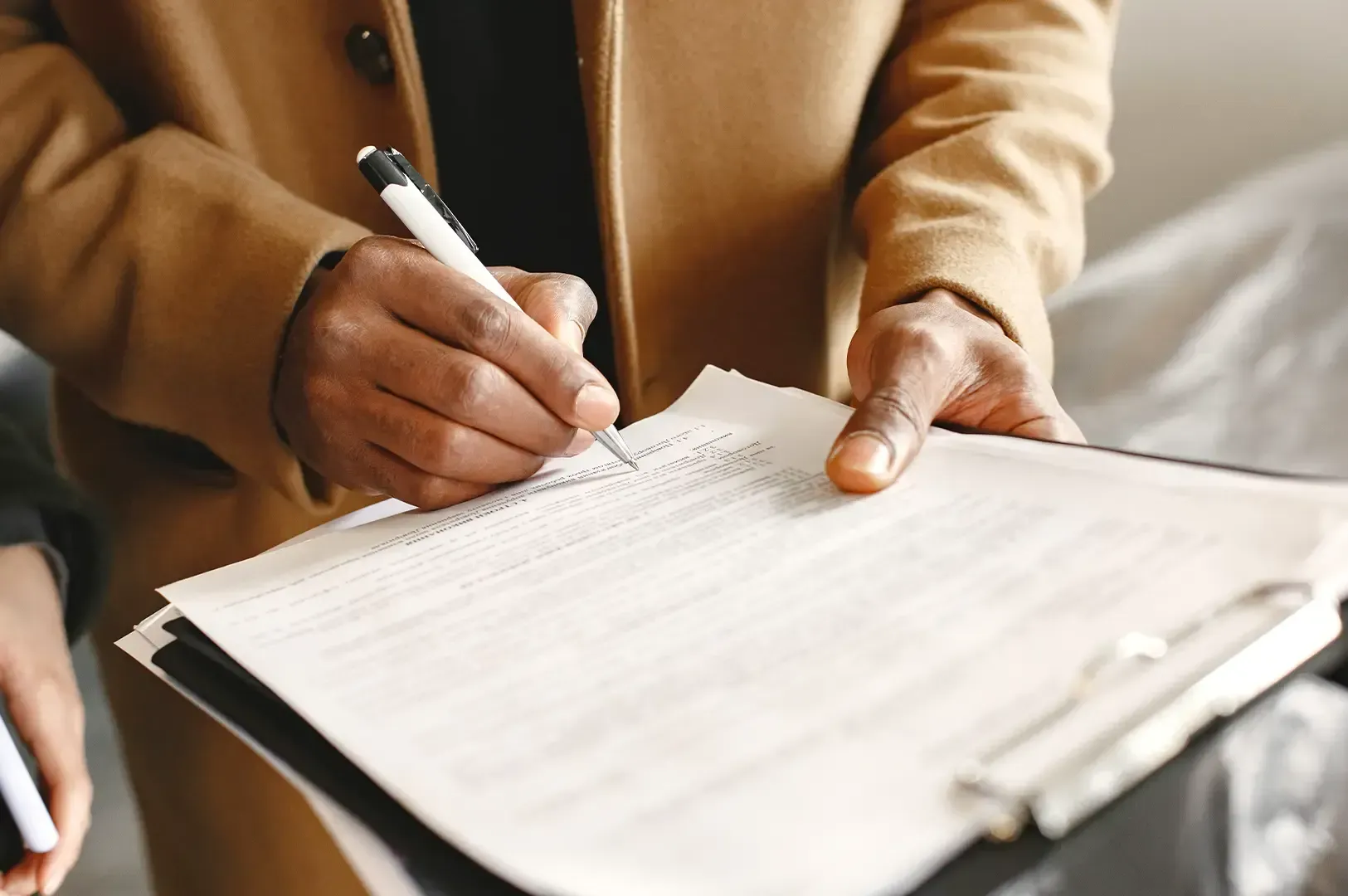
A person in a camel coat signing a formal agreement on a clipboard, capturing the crucial moment when accountability is finalized and holding the line prevents long-term compromise.

The property was beautiful, and the numbers were better than beautiful. An alpine building, well priced, in a location that photographed like a postcard. On paper it was the cleanest deal I had seen in a year. There was only one thing. The access road belonged to someone else, and the long-term arrangement to use it was warm, verbal, and undocumented.

Everyone told me it would be fine. The relationship was good. It had been fine for decades.

But stewardship is not a thing you hold for a decade. It is a thing you hold for the people who come after you, who will not inherit the handshake, only the paperwork. A building you cannot reliably reach is not an asset. It is a hope with a roof.

I walked away. Someone else bought it, and for all I know it has been fine ever since. That is the quiet discomfort of holding a line. You rarely get to see the disaster you avoided. You only get to keep your own counsel about why you avoided it.


A Few Questions I Ask in the Quiet

I do not keep rules for these moments. Rules are too rigid for a thing this alive. I keep a handful of questions, and I ask them when a decision feels heavier than its size.

The first is the most useful. Will this compromise become a policy? A single exception is one thing. But almost nothing stays an exception. What you permit once becomes the new floor, and the floor only ever descends. So I try to decide as if I am deciding for every time, not just this one.

The second is about doors. Does this reduce my future options, or protect them? Some compromises open the road ahead. Others quietly close it while looking like progress. The fish would have saved a month and cost us the reason people came at all.

The third takes me out of the pressure entirely. Will I be proud of this in five years, when no one remembers the urgency that made it feel necessary? The pressure is always loud and always temporary. The decision is quiet and lasts. I try to answer to the version of me who will have forgotten the noise.

And the last one is the plainest. Does this protect the craft, or does it protect my ego? They feel the same from the inside, and they are not the same at all. One is worth almost any cost. The other is rarely worth what it charges.

What the Wall Held

A worker wearing white gloves holding vertical timber beams during framing construction, portraying the physical exertion and integrity required to keep standards high when giving in would be easier.

They opened the wall in the Japan property, behind that thread of a crack. There was water. Not a flood, nothing dramatic. Just a slow, patient intrusion that had been at work for a long time, softening the timber where no one could see it. Another year or two and it would have reached the point where the repair stops being a repair and becomes a reckoning.

The surveyor had not been careless. He had simply been trained to see what was likely, and I had been trained, over a longer time, to feel what was possible.

I think about that crack more than I expected to. Not because I was right, though I was, but because of how little separated the two outcomes. A shrug and a signature, and it would have been someone else's problem later, which is only ever a way of saying it would have been mine, delayed and multiplied.

The cost of holding the line is real. I have paid it in accounts, in covers, in deals that went to calmer buyers. I will not pretend otherwise.

But it is a cost you pay once, in daylight, while you can still see what you are buying.

The other kind you pay slowly, in the dark, behind a wall, long after you have forgotten it was ever a choice.

Recent Posts

The hardcover book 'The Timeless Way of Building' by Christopher Alexander resting on a dark wooden
By Bay San August 28, 2026
A builder reads Christopher Alexander on why "aliveness" is a discipline, not a style, and what actually lasts after the founder is gone.
A grand classical colonnade with towering stone pillars representing periods of structural intensity
By Bay San August 27, 2026
Balance is a comforting myth. A well-designed life moves in seasons: periods of intensity, craft, and restoration, chosen with intent.
A chef carefully mixing seasoned rice in a traditional wooden hangiri tub, illustrating the patient
By Bay San August 25, 2026
On learning a tradition deeply enough to bend it with care, where innovation becomes stewardship, not rebellion.
A hardcover copy of The Book of Tea by Kakuzō Okakura resting on a wooden surface, illustrating the
By Bay San August 21, 2026
Okakura’s tea philosophy is really a discipline of attention, an argument that taste, restraint, and ritual are forms of power.
A rustic wooden table set with wine bottles, a metal chilling bucket, grissini breadsticks, and smal
By Bay San August 19, 2026
How terroir, time, and restraint turn a glass of wine into a quiet way of reading place, for those willing to pay attention.
The book cover of The Taste of Place: A Cultural Journey Into Terroir by Amy B. Trubek, resting on a
By Bay San August 14, 2026
A reflection on how place shapes taste, and what terroir teaches builders about craft, identity, and protecting quality in a placeless age.
A cup of black coffee on a white marble table at an outdoor cafe, symbolizing quiet reflection on en
By Bay San August 13, 2026
A quiet essay on envy as information, not failing, and how naming desire and returning to craft turns comparison into a compass.
An empty meeting room with rows of wooden desks and black office chairs facing a large digital scree
By Bay San August 11, 2026
A quiet reflection on how our instruments, the knife, the stone, the checklist, reveal impatience and ego, and teach us how to practice.
The Scout Mindset book by Julia Galef resting on a flat surface, illustrating why truth-seeking beat
By Bay San August 10, 2026
A practitioner reads Julia Galef on why truth-seeking beats ego in leadership, and where seeing clearly gets hardest under real pressure.
A chef in white uniform carefully prepping food behind a counter, embodying values of precision and
By Bay San August 7, 2026
Why values sit upstream of strategy, and how culture is built through small, invisible repetitions long before the product impresses anyone.
Show More